Let's cut to the chase. If you're trying to figure out the difference between trekking and hiking, you're likely staring at a gear list or an itinerary and feeling a knot in your stomach. Is this trip too much for me? Did I pack the right stuff? The confusion is real because the terms are used interchangeably, but mistaking one for the other can turn an adventure into a survival episode. After a decade of guiding and countless blisters, I can tell you the core difference isn't about distance alone—it's about self-sufficiency. Hiking is an activity; trekking is a journey.
What's Inside?
The Core Mindset Difference
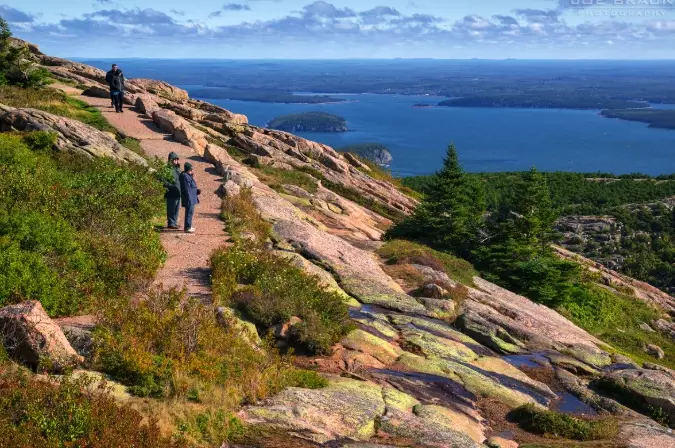
Think of hiking as a line you draw on a map. You start at point A, follow a trail (often well-marked), and end at point B, usually returning to your car or a town by day's end. Your goal is the summit, the waterfall, the view. The trail is the main character.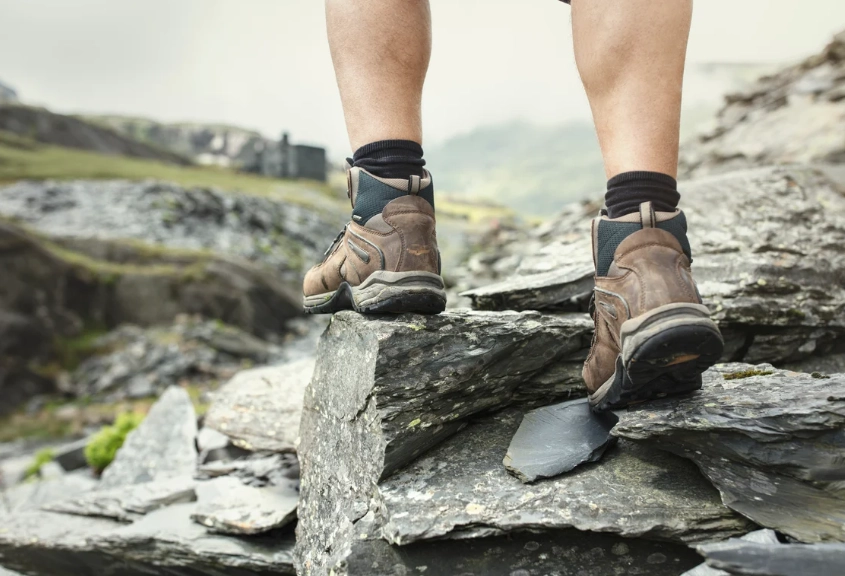
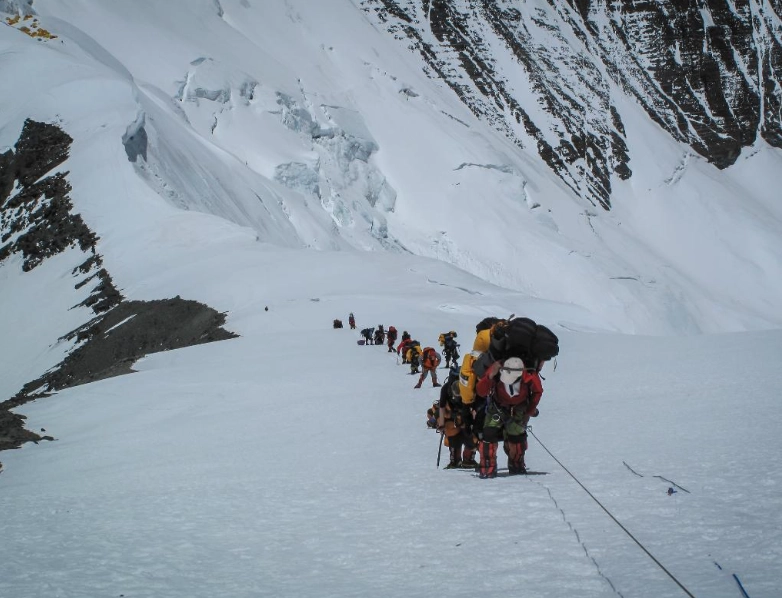
Trekking flips the script. The journey itself is the destination. It's a multi-day, immersive experience where you carry your shelter, food, and safety on your back. Point A to point B is just the skeleton; the flesh is the changing landscapes, the remote villages, the self-reliance. You're not just walking a trail—you're moving through an environment. The classic example is Nepal's Annapurna Circuit, a 12+ day journey through valleys and over high mountain passes. You can't just decide to go home at 3 PM.
Here's a subtle mistake I see: people plan a "trek" but pack a "hiker's" mentality. They focus on daily mileage but forget about cumulative fatigue, nutritional needs over a week, or what happens if the single water filter fails. The planning axis shifts from "What will I see today?" to "How will I sustain myself for the entire journey?"
Gear Breakdown: What You Actually Need
This is where the rubber meets the trail. The wrong gear on a hike is an inconvenience. The wrong gear on a trek is a potential crisis.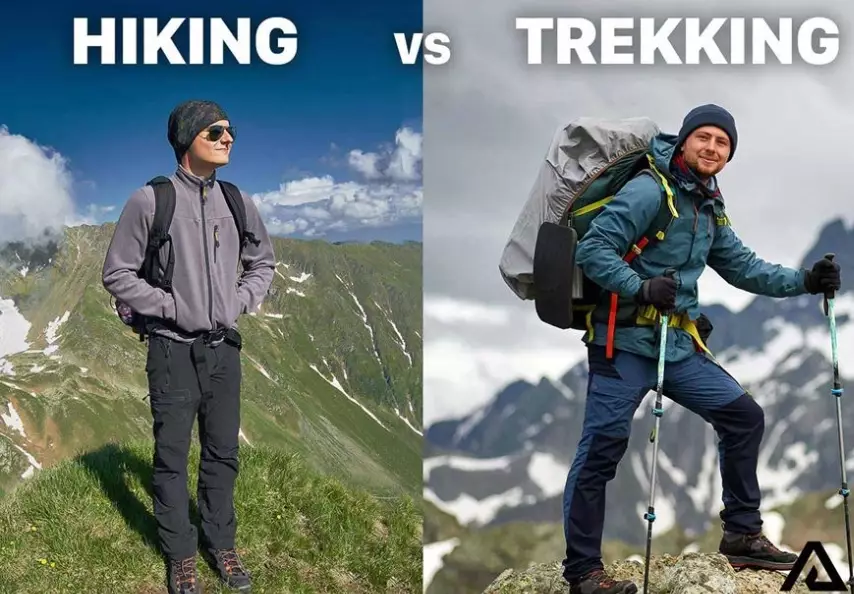
Pro Tip: The Boot Test
If you can comfortably wear your footwear for a 10-hour day at a busy museum, they're probably hiking shoes. If the thought makes your feet ache, but you'd trust them to carry 30 lbs over a rocky pass, you're in trekking territory. Ankle support and sole stiffness under load are non-negotiable for trekking.
| Gear Category | Hiking (Day Focus) | Trekking (Multi-Day Focus) |
|---|---|---|
| Footwear | Trail runners or low-cut hiking boots. Lightweight, flexible, quick-drying. | Mid-to-high-cut trekking boots. Stiffer sole for load-bearing, robust ankle support, better protection. |
| Backpack | Daypack (18-30 liters). Holds water, food, layers, first-aid. | Backpacking pack (50-70+ liters). Carries shelter (tent/hammock), sleep system, cooking gear, food supply. |
| Shelter & Sleep | Not needed. You're back to civilization. | Critical. Lightweight tent/tarp, sleeping bag rated for expected lows, sleeping pad (R-value matters). |
| Nutrition | Lunch, snacks, extra water. Maybe a sandwich and trail mix. | Planned meals for every day. Focus on calorie density, nutrition, and minimal weight. Stove, fuel, pot required. |
| Navigation | Phone with map app, maybe a paper map as backup. Trail is often clear. | Dedicated GPS device or compass & detailed topo map. Redundancy is key. Trails can be vague or disappear. |
| Water | Carry it all (2-3 liters). Maybe a filter for long, dry trails. | Treatment is mandatory (filter/purification tablets). You'll source from streams/lakes. Capacity of 2-3 liters plus treatment. |
Notice how hiking gear is about supplementing a day out. Trekking gear is about replicating a mobile basecamp. The biggest packing error for new trekkers? Bringing too many clothes. You need a layering system, not a fresh outfit for each day. A merino wool base layer can be worn for days.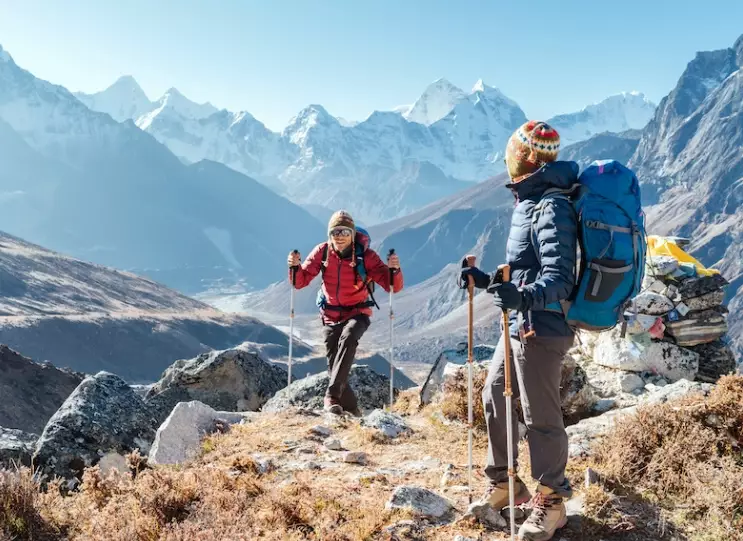
How to Choose Your Next Adventure
Don't pick based on what sounds coolest on Instagram. Be honest with your assessment.
Choose Hiking If:
- You want a physical challenge with a clear, singular goal (reach that peak!).
- You prefer returning to a comfortable bed and a hot meal every night.
- Your available time is limited to a day or a weekend.
- You're new to the outdoors or testing new gear.
- Logistics like permits are simpler (often just a parking pass).
Look at trails in US National Parks like Yosemite's Half Dome (permit required) or Zion's Angels Landing. They're demanding hikes, but you're back in the valley by dusk.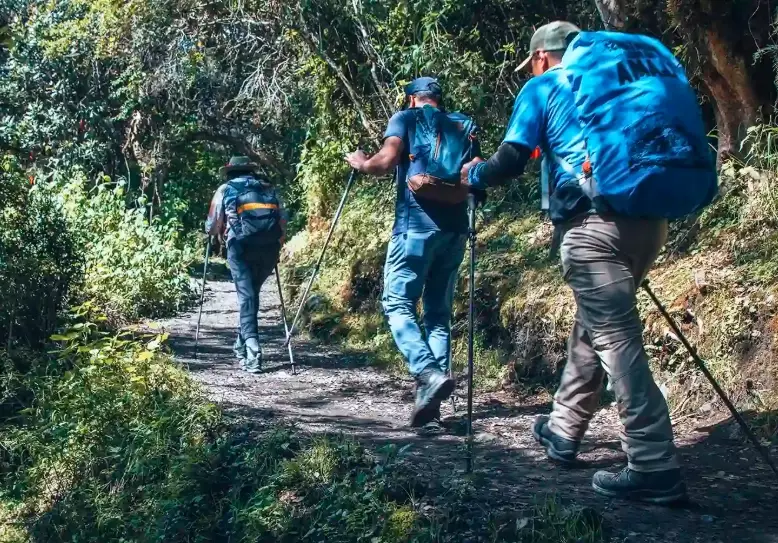
Choose Trekking If:
- You seek immersion and disconnect for several days or weeks.
- You enjoy the rhythm of camp life—setting up, cooking, staring at stars.
- You're confident in your core fitness and have tested your gear on overnight trips.
- You're prepared to handle minor mishaps (blisters, weather changes) far from help.
- You're willing to deal with complex logistics (international flights, local guides, trekking permits).
Classic trekking routes include the Tour du Mont Blanc (circumnavigating the Alps) or the Inca Trail to Machu Picchu. These are managed journeys with defined itineraries.
The Training Gap Everyone Ignores
Training for a hike is about cardio and leg strength. Training for a trek is that, plus training under load. A month out, start doing your weekend hikes with a progressively heavier pack (start with 20 lbs, work up to 30-35). Your body needs to adapt to that specific strain, not just the mileage.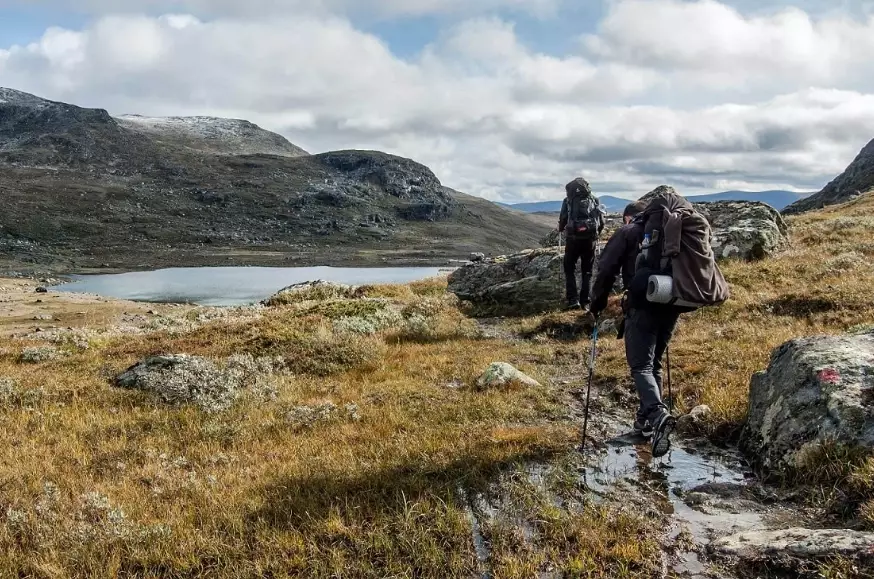
Planning Your Trip: A Side-by-Side Look
Let's make it concrete with two hypothetical trips planned for the same week.
| Aspect | Trip 1: Hiking the Kalalau Trail (Na Pali Coast, Hawaii) 2-Day/1-Night Hike* |
Trip 2: Trekking the W Trek (Torres del Paine, Chile) 5-Day/4-Night Trek |
|---|---|---|
| Core Goal | Reach Kalalau Beach, camp overnight, return. The beach is the prize. | Experience the circuit's highlights (Towers, Cuernos, Glacier Grey). The journey linking them is the prize. |
| Daily Distance | ~11 miles in, 11 miles out. Big days, but pack is lighter for the overnight. | ~8-12 miles per day. Moderate days, but pack is heavy for the full multi-day duration. |
| Key Gear Focus | Sturdy boots for muddy, slippery cliffs. Lightweight overnight gear. Water filter for streams. | 4-season tent for Patagonian winds. Warm sleeping bag. Reliable rain gear for all-day storms. Stove. |
| Permits & Logistics | Hard-to-get overnight permit from Hawaii State Parks. Park car at trailhead. | Book campsites/refugios months ahead via Vertice or Fantastico Sur. Arrange bus to/from park. |
| Mindset & Risk | Risk: Coastal trail exposure, flash floods. Mitigation: Check weather, start early. | Risk: Rapid weather changes, being days from exit. Mitigation: Carry emergency comms, flexible schedule. |
| Budget Driver | Flight to Hawaii, car rental, permit fee. | International flight to Chile, park fees, bus transfers, possibly guided services. |
*Note: Kalalau is often called a trek, but its short duration and single-destination focus put it in a hybrid category—a demanding overnight hike. This grey area is exactly why understanding the principles matters more than the label.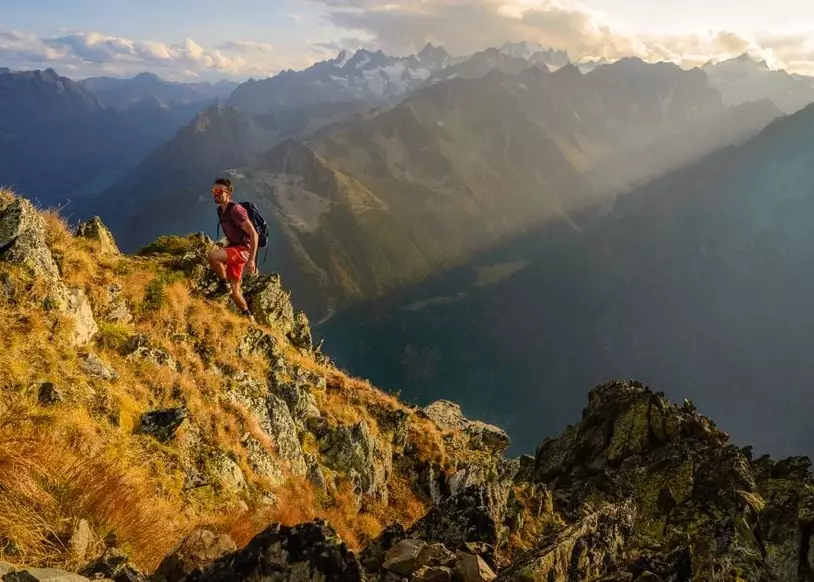
FAQs From the Trail
So, what's the verdict for you? If you're looking at a trail and your main questions are about scenery and difficulty, you're probably hiking. If your questions are about resupply points, shelter strategies, and how to manage a week's worth of toilet paper, you're trekking. Both offer incredible rewards—one delivers a powerful snapshot, the other a profound story. Choose based on the experience you want, then gear up and plan accordingly. The trail is waiting.
For authoritative information on trail conditions and safety, always consult official sources like the U.S. National Park Service or local mountain guiding associations.