Quick Guide
- The Heavy Hitters: Parks That Define the Word "Iconic"
- The Adventurer's Playground: For Those Who Want to Earn the View
- The Quiet Wonders: Underrated Gems That Steal Your Heart
- How to Actually Plan Your Trip (The Nitty-Gritty)
- Making the Most of Your Visit: Tips You'll Actually Use
- Answering the Big Questions (FAQs)
- The Final Word
Let's be honest. Picking the "best" national parks in the USA feels impossible. It's like choosing a favorite child, if your children were millions of acres of mountains, deserts, and forests. Someone's "best" is a quiet walk among ancient trees, while another's is a heart-pounding hike up a sheer cliff. My idea of a perfect park day might involve a challenging trail and no one else in sight, while yours could be a scenic drive with plenty of photo ops and a nice picnic.
The truth is, there's no single "best" list. But there are parks that consistently blow people's minds, parks that define the American landscape, and parks that offer something you simply can't find anywhere else. This isn't about just slapping a ranking on them. It's about helping you figure out which of these incredible places is the best national park in the USA *for you*.
I've spent years bouncing between these parks, dealing with the crowds, the weather, the permits, and the sheer awe. I've stood in lines for shuttle buses at 5 AM and also found solitude on a trail just a mile off the main road. This guide comes from that mix of frustration and absolute wonder.
The Heavy Hitters: Parks That Define the Word "Iconic"
These are the names you know. The postcard places. Visiting them is a rite of passage for a reason, but it comes with a reality check: you will not be alone.
Yellowstone National Park
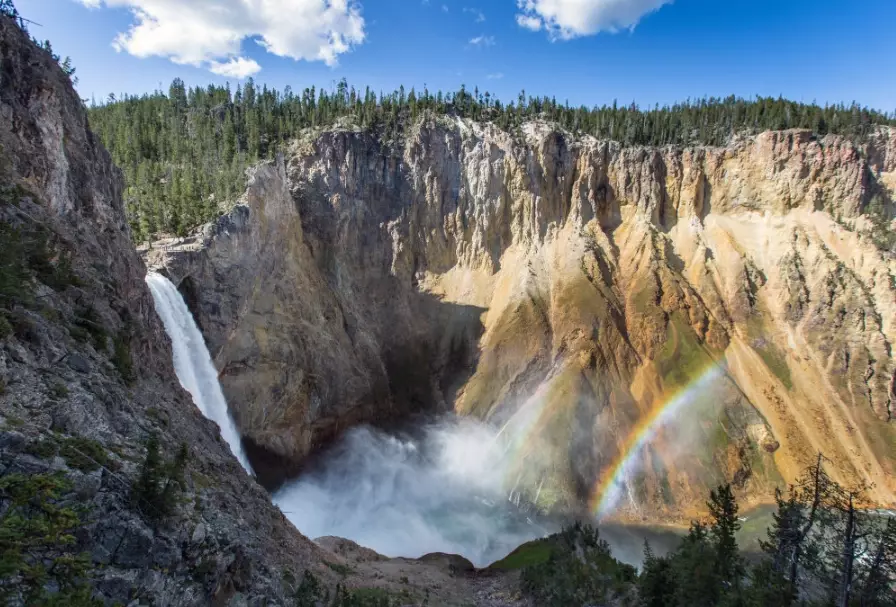
The granddaddy. The first. Yellowstone isn't just a park; it's a geological wonderland sitting on top of a supervolcano. Sure, Old Faithful is cool (it's honestly a bit smaller than I expected), but the real magic is elsewhere. The Grand Prismatic Spring looks like a chemical spill painted by a psychedelic artist. The Lamar Valley at dawn feels like the Serengeti, with bison herds moving like slow, shaggy rivers and wolves (if you're lucky) on distant ridges.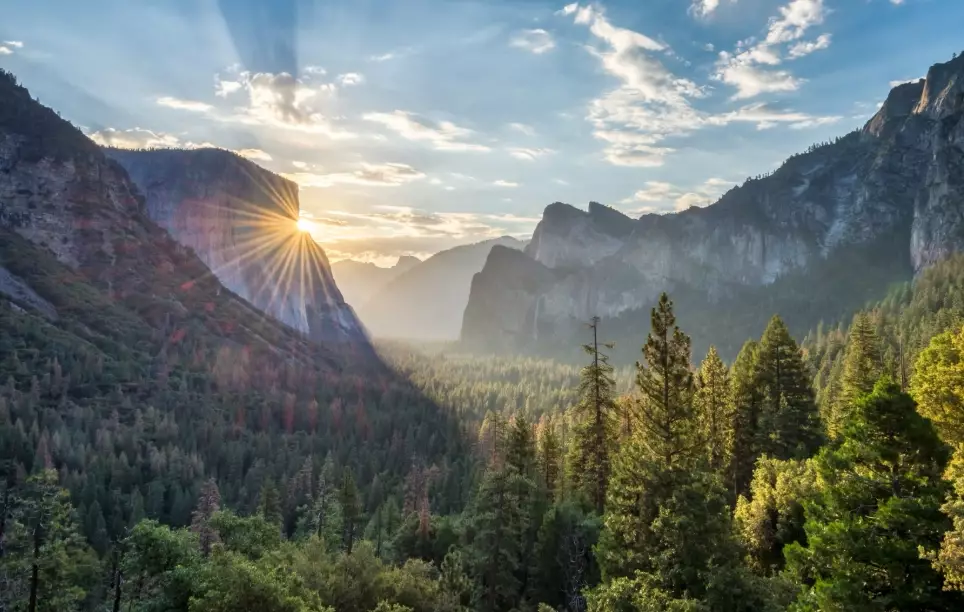
Here's the thing about Yellowstone: it's massive and crowded near the major sights.
My advice? Get away from the boardwalks. A hike into the backcountry, even just a few miles, changes everything. The smell of sulfur fades, the crowds vanish, and you're just in a wild, steaming, gurgling landscape.
Personal gripe: The traffic jams caused by "bear jams" or "bison jams" can try your patience. Plan for your 30-mile drive to take two hours.
Grand Canyon National Park (South Rim)
No picture prepares you. None. The scale is incomprehensible. Your brain short-circuits. Most people do the "rim thing"—walk the paved path, take photos, visit the lodge. And that view is worth the trip alone. But the canyon is a place you look *into*, not at.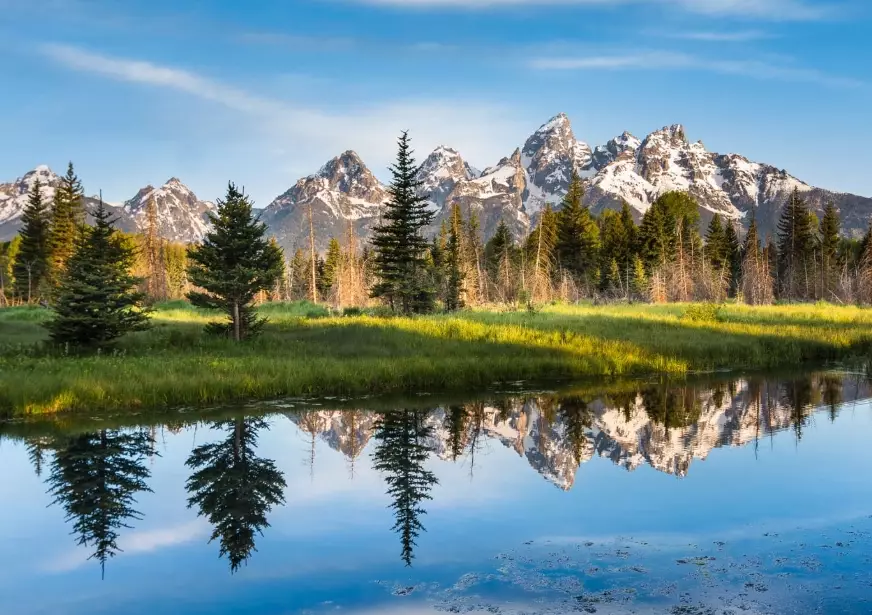
To truly understand why it's one of the best national parks in the USA, you have to descend. Even going just a mile down the Bright Angel Trail changes the perspective completely. The colors shift, the silence deepens, and the rim above you becomes a distant cliff. A day hike to Plateau Point or (for the very prepared) a multi-day trek to the bottom are transformative experiences.
Warning: Hiking down is optional; hiking back up is mandatory. The heat can be brutal, and the climb out is relentless. More people get rescued here than anywhere else, often from underestimating the trail. Carry way more water than you think you need.
Yosemite National Park
Yosemite Valley in summer is a beautiful, congested nightmare. It's also one of the most spectacular places on Earth. The granite walls of El Capitan and Half Dome feel like they should belong to a fantasy novel. The key to enjoying Yosemite is timing and space.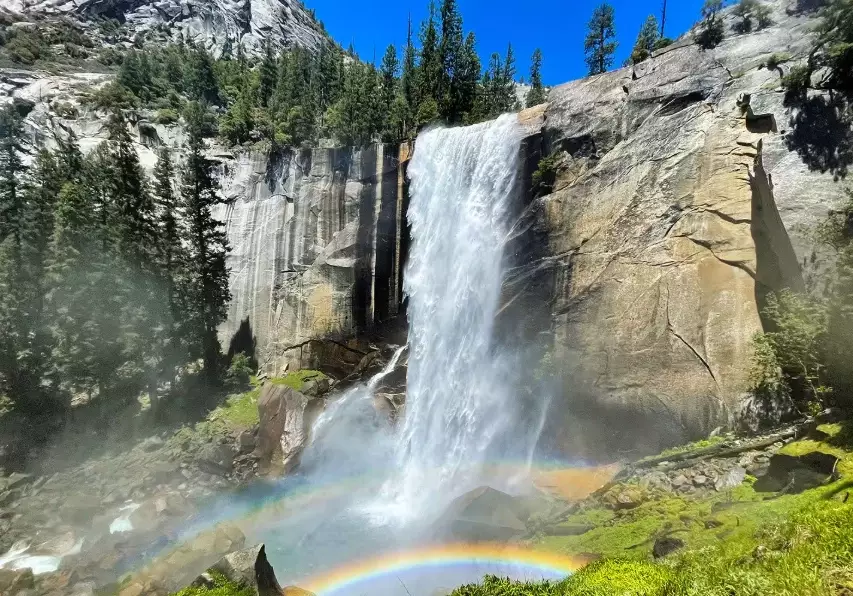
If you must go in summer, get into the valley at sunrise. Have Tunnel View to yourself as the first light hits El Cap. Then, get out. Drive up to Glacier Point for the dizzying view down, or (better yet) head to the Tioga Road (Highway 120) into the high country. Tuolumne Meadows is a completely different Yosemite—wide open, alpine, and far less crowded. For me, this is where Yosemite's soul lives.
Finding the best national parks often means looking past the most famous snapshot.
The Adventurer's Playground: For Those Who Want to Earn the View
If your ideal park involves lacing up boots and feeling a burn in your calves, these are your spots. They reward effort with solitude and landscapes that feel untamed.
Zion National Park is all about the canyon. The Narrows hike, wading up the Virgin River between thousand-foot walls, is unique and incredible (check water levels with the National Park Service first!). Angels Landing is the famous—and frankly, nerve-wracking—chain-assisted climb. It's not for the faint of heart or anyone with a serious fear of heights. The permit system now in place is a good thing; it was getting dangerously crowded.
I actually prefer the quieter, less-heralded hikes like Observation Point (check trail status) or the West Rim Trail. You get the same jaw-dropping views without the human traffic jam.
Grand Teton National Park is Yellowstone's rugged, stylish sibling. The mountains just *rise* from the flat valley floor, no foothills to soften the blow. It's a climber's and hiker's paradise. A hike around Jenny Lake is classic, but pushing up into Cascade Canyon makes you feel like you're in the Alps. For a real adventure, take the boat across Jenny Lake and hike up to Inspiration Point and beyond.
The wildlife here is less of a circus than Yellowstone, but just as abundant.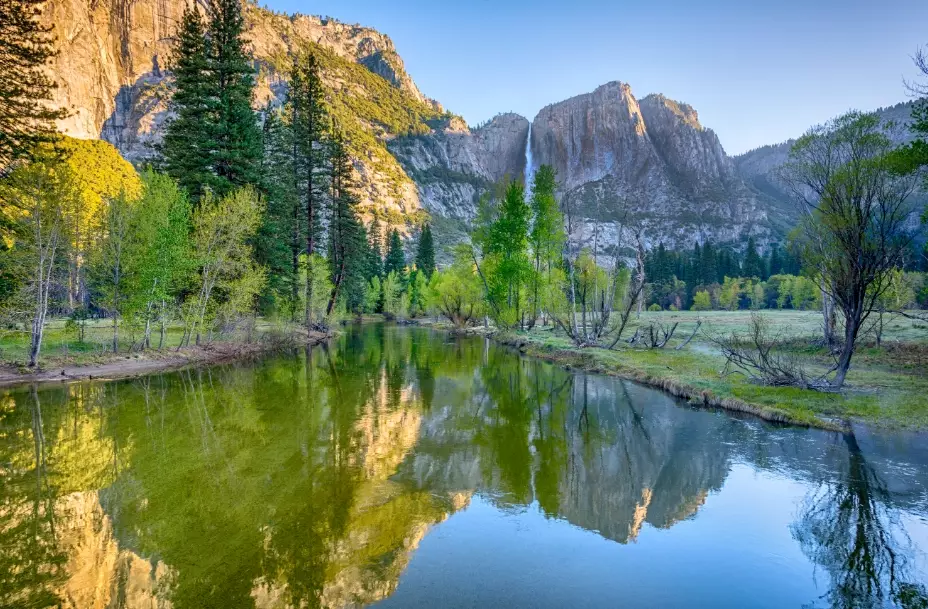
Moose are common in the willow flats, and seeing a bear is a real possibility. Carry bear spray, know how to use it, and give all animals a ridiculous amount of space.
The Quiet Wonders: Underrated Gems That Steal Your Heart
These parks don't always make the top of every "best national parks in USA" list, and that's partly their charm. They offer majesty without the madness.
Sometimes the best park is the one you have mostly to yourself, where the sound is wind, not crowds.
Great Smoky Mountains National Park is the most visited, but that statistic is misleading. Most visitors cluster near Gatlinburg and a few major waterfalls. Venture onto the deep, green trails along the Appalachian ridgeline, and you'll find a profound, misty solitude. It's a park of moods, where blue haze gives way to sudden, clear vistas. Cades Cove is wonderful for wildlife at dawn—just go early to avoid the slow-moving car parade.
Bryce Canyon National Park isn't a canyon at all; it's a series of giant amphitheaters filled with hoodoos—those crazy, orange and white rock spires. It feels otherworldly. Sunset and sunrise are pure magic here, painting the hoodoos in impossible colors. The Queen's Garden/Navajo Loop combination is a must-do hike that takes you down among the formations. It's relatively small, so it's easy to feel overwhelmed by tour buses midday. Stay nearby and go for sunrise.
Acadia National Park is the rocky, coastal counterpoint to the western giants. Driving the Park Loop Road, hiking the Beehive Trail (more fun chains!), and eating popovers at Jordan Pond are traditions. But my favorite thing is biking the car-free carriage roads in the fall. The mix of ocean, mountain, and forest is unique in the national park system. It gets packed in July and August, but September and October are spectacular.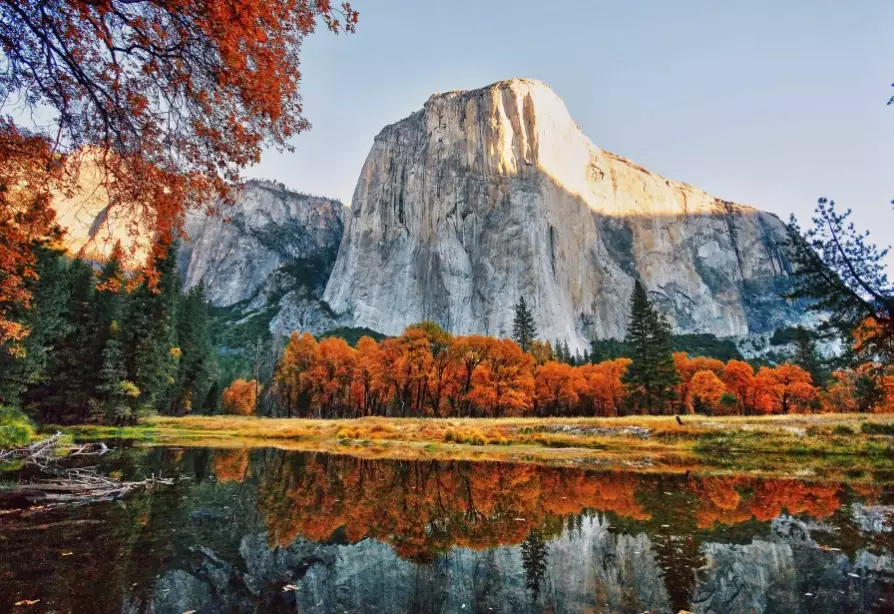
How to Actually Plan Your Trip (The Nitty-Gritty)
Dreaming is easy. Planning is where trips are made or broken. Let's get practical.
The Single Most Important Factor: When You Go
Season dictates everything—crowds, weather, access, and even what you can see. Visiting the best national parks in the USA at the wrong time can be a miserable experience.
Shoulder Seasons (Spring & Fall) are King: April-May and September-October are generally the sweet spots for most western parks. Crowds thin, temperatures are mild, and nature is putting on a show (wildflowers or fall colors). Some high-elevation roads (like Going-to-the-Sun in Glacier or Trail Ridge in Rocky Mountain) may be closed or just opening/closing, so always check road status on the official NPS website for the specific park.
Summer (June-August): Be prepared for crowds, especially in iconic parks. You must book lodging and campsites months in advance. Start your days at sunrise. Embrace the high country where it's cooler.
Winter (Nov-March): A secret season for some parks. Yellowstone under snow is a silent, steamy wonderland accessible only via snow coach or ski. Crowds are gone. But most services are closed, and access is severely limited. Not for first-timers, but magical for the prepared.
Where to Stay: It's a Battlefield
Lodging inside the parks (historic lodges, cabins) sells out exactly 12 or 13 months in advance for peak dates. I'm not kidding. Set a calendar reminder. If you miss out, look at gateway towns, but book those early too. Camping is a fantastic, affordable option, but the best sites go fast via Recreation.gov. Some parks offer first-come, first-served sites, but you need to arrive very early (like, Tuesday morning early).
My strategy: I often book two different types of lodging for a single trip—a night or two in a lodge for a shower and comfort, and a few nights camping to be immersed in the park. It breaks up the cost and the experience.
The New Reality: Permits and Reservations
Gone are the days of just showing up. To manage crowds, many of the best national parks now have timed entry reservations or specific hike permits.
| Park | What Needs a Reservation/Permit | How Far in Advance | Where to Get It |
|---|---|---|---|
| Yosemite | Timed Entry for peak-season entry to the Valley/Tioga Rd. | Months in advance or 24-48 hrs prior. | Recreation.gov |
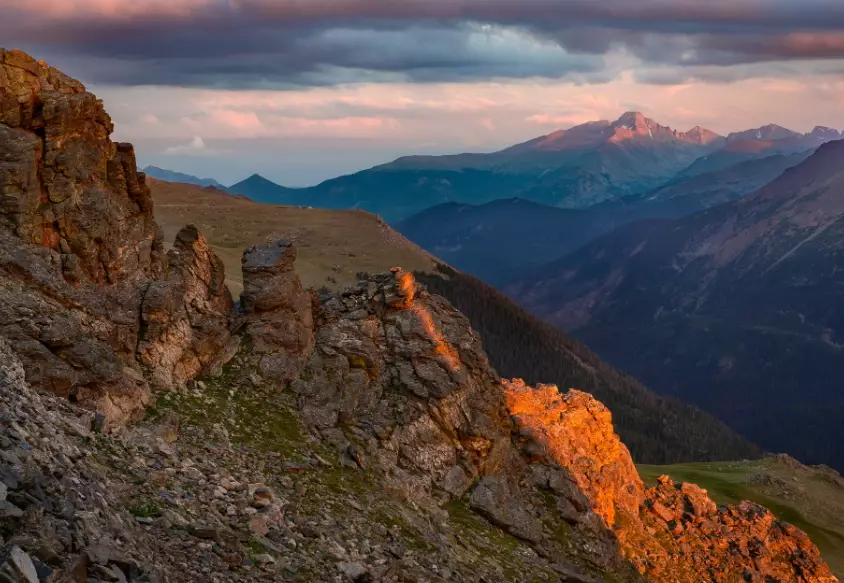
| Rocky Mountain | Timed Entry for Bear Lake Corridor & full park. | Months in advance or the day before. | Recreation.gov |
| Zion | Angels Landing Hike (via lottery) | Seasonal lottery or day-before lottery. | Recreation.gov |
| Glacier | Going-to-the-Sun Road Vehicle Reservation. | 4 months in advance or 24 hrs prior. | Recreation.gov |
| Haleakalā (HI) | Sunrise Reservation at the summit. | 60 days in advance. | Recreation.gov |
This isn't to make your life hard. It's to make the experience better once you're there. A trail like Angels Landing was becoming unsafe. Do your research on the park's official site before you go.
Making the Most of Your Visit: Tips You'll Actually Use
Embrace the Dawn: This is the #1 tip. Get up before sunrise. You'll have trails, viewpoints, and wildlife encounters mostly to yourself. The light is photographer's gold. You can be done with a major hike before most people have finished their hotel breakfast.
Talk to a Ranger. Seriously. Stop at the visitor center. Tell them what you like, how long you have, your fitness level. They will give you gold-standard, current advice (like which trail has a bear closure, or where the wildflowers are blooming). It's the best free resource in the park.
Have a Plan B (and C). Weather happens. Trails close. Parking lots fill. Know a few alternative hikes or activities. Maybe the alpine loop you wanted is closed by snow, so you do a lower-elevation canyon hike instead.
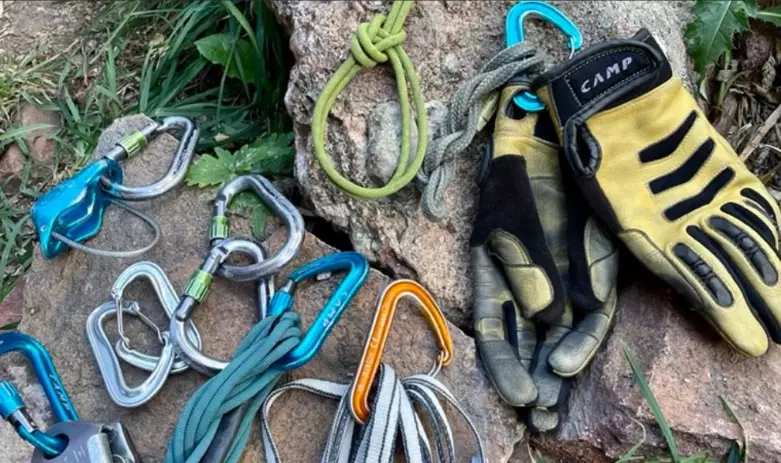
Pack Like a Pro: Beyond the ten essentials, always have: layers (mountain weather changes in minutes), a physical map (cell service is often non-existent), a headlamp, and more food and water than you think. I stash an extra gallon of water in my car for post-hike hydration and emergencies.
Leave no trace. It's not a suggestion.
Pack out all trash, stay on trails, don't approach wildlife, and be respectful of other visitors. These places are fragile.
Answering the Big Questions (FAQs)
The Final Word
Chasing a list of the "best national parks in the USA" can be a trap. The goal isn't to check boxes. It's to find the place that speaks to you—whether that's the silent depth of the Grand Canyon, the geyser basins of Yellowstone, or the misty trails of the Smokies.
Do your planning. Make your reservations. Then, once you're there, put the plan in your pocket and be present. Watch the light change on a canyon wall. Sit quietly and listen. Let the place happen to you.
That feeling—the smallness, the wonder, the connection—that's what makes any of these parks the best. And honestly, sometimes the best park is simply the next one on your list.
Now go find yours.