What You’ll Find Inside
Let's be real. For years, the only strength training for climbers I did was, well, climbing. I'd hit the gym three, four times a week, throw myself at the plastic, and call it a day. My fingers got a bit tougher, sure. But then I plateaued. Hard. I'd watch other climbers latch tiny crimps or float through dynamic moves with ease, while my arms would pump out halfway up a route. Sound familiar?
It wasn't until I tweaked my elbow from overdoing it (a classic case of "climber's elbow" or medial epicondylitis) that I was forced to step back. That break made me realize something crucial: climbing is a skill sport, but it's built on a foundation of raw, specific strength. You can have perfect technique, but if your fingers give out or your core can't stabilize you on an overhang, you're going nowhere.
So what actually works? That's what we're diving into. This isn't about turning into a bodybuilder. It's about building the exact type of strength that translates directly to the wall. We're talking about grip strength that makes crimps feel like jugs, core tension that keeps your feet glued, and power that lets you stick those dynos. Forget the generic gym bro routines. Effective strength training for climbers is targeted, intelligent, and honestly, a game-changer.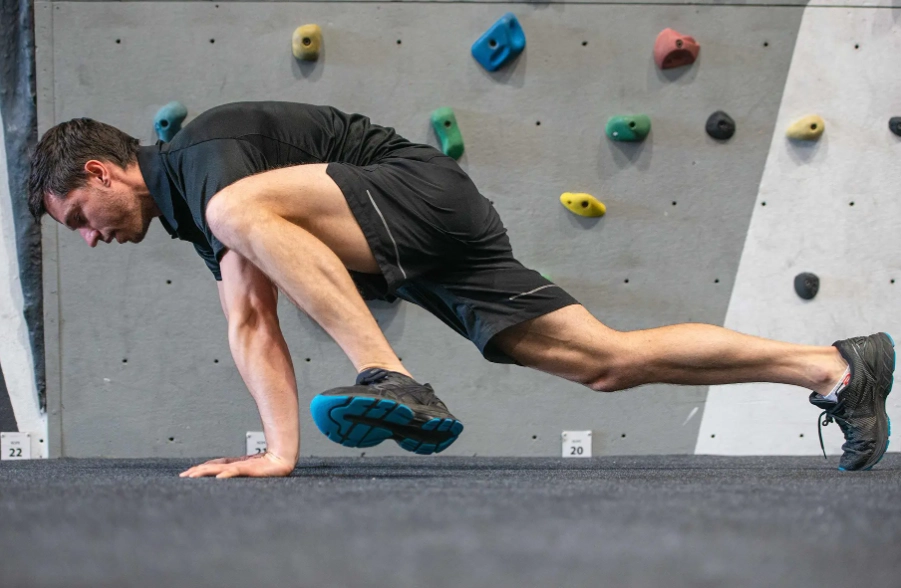
The Big Picture: Think of climbing as the test, and strength training as your focused study session. You practice the specific skills (pulling, pinching, locking off) under controlled conditions so that when it's time for the real thing—whether it's a sandstone crimp line or a gym project—your body is ready.
The Biggest Mistakes in Climbing Strength Training (I've Made Most of These)
Before we get to the good stuff, let's clear the deck. A lot of climbers, myself included, jump into training with enthusiasm but not much direction. Here's where we usually trip up.
First up: Neglecting the Antagonists. We pull. A lot. Every move on the wall involves pulling with your back, biceps, and forearms. What barely gets used? The pushing muscles—your chest, triceps, and the anterior part of your shoulders. This massive imbalance is a one-way ticket to shoulder impingement and elbow tendonitis. I learned this the painful way. Now, for every pulling session, I make sure there's a pushing movement. It's non-negotiable.
Then there's the "More Is Better" Fallacy. You feel a burn in your forearms after a hangboard session, so you think, "Great! Let's do two more sets!" Bad idea. Strength is built during recovery, not the workout itself. Overtraining your fragile finger flexor tendons is the fastest route to a pulley strain. Trust me, the patience to do less, but with higher quality and full recovery, pays off way more in the long run.
And my personal old favorite: Training Strength When You're Pumped. This is a classic gym mistake. You climb until you're exhausted, then you hit the campus board or do pull-ups. At that point, you're not training strength; you're training endurance in a fatigued state. True strength training for climbers needs to be done when you're fresh, maybe even on a separate day from your hard climbing sessions. You need your nervous system firing on all cylinders to recruit those high-threshold muscle fibers.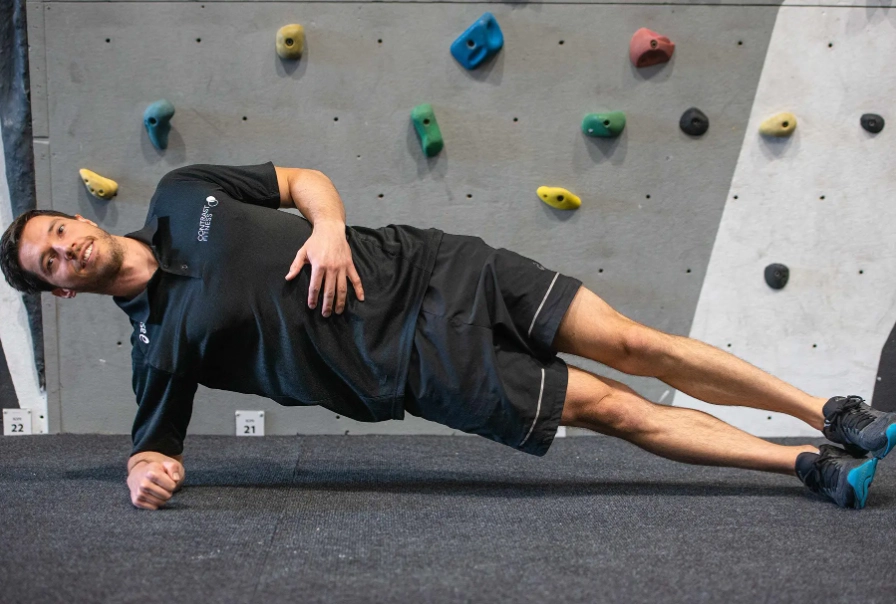
Listen Up: If you only take one thing from this section, let it be this: Your fingers are not muscles, they're tendons and pulleys. They adapt much slower than muscle tissue. Progress in finger strength is measured in months and years, not weeks. Jumping on a 20mm edge with added weight before you're ready is just asking for trouble. Start stupidly light, focus on perfect form, and incrementally add load. The British Mountaineering Council (BMC) has some excellent, cautious resources on fingerboard training for climbers that emphasize this slow-and-steady approach.
The Pillars of a Rock Solid Climbing Strength Program
Okay, so what should you be doing? A comprehensive strength training for climbers program isn't a random collection of exercises. It's built on a few key pillars that address the unique demands of the sport.
Pillar 1: Grip & Finger Strength - The Non-Negotiable Foundation
This is the heart of it. If your grip fails, nothing else matters. But "grip strength" isn't one thing. You need to train the different ways you hold onto rock.
- Open-Hand Crimp & Half-Crimp: The bread and butter for small edges. This places less shear force on the pulleys than a full crimp. Training this position is safer and highly transferable.
- Pinch Strength: Often the weak link. Those slopers and pinches on volumes? They require thumb engagement. Weak pinches will shut you down on certain boulders instantly.
- Sloper Strength: More about full-hand tension and body positioning than pure finger curl, but still requires robust forearm and wrist stability.
The gold-standard tool here is the hangboard. But it's a tool, not a toy. A basic, effective hangboard protocol for building maximum strength is the "Repeater" method (more for endurance) and the "Max Hang" method (for pure strength). For beginners, I'd point them towards the Max Hang protocol: 7-10 second hangs, with 2-3 minutes of rest, for 4-6 sets. Use a large edge (20mm+) and focus on perfect, relaxed shoulders and engaged core. Add weight only when it feels too easy, and even then, add tiny increments.
Don't have a hangboard? No problem. You can build a shocking amount of foundational grip strength with simple tools. Fat Gripz on dumbbell rows or pull-ups force your hands to work harder. A rice bucket workout (digging your hands into a bucket of dry rice and performing opening and closing motions) is phenomenal for forearm health and antagonist training. And never underestimate the humble towel pull-up for building crushing grip and lock-off strength.
Pillar 2: Upper Body Pulling & Lock-Off Strength
This is about moving your body up when your feet are poor. It's not just pull-ups.
Weighted Pull-Ups are fantastic, but only if you can do a solid set of 10-12 clean bodyweight reps first. Form is everything: drive with your elbows, engage your scapulae, and avoid kipping. Once you're strong, adding a few kilos with a weight belt builds serious power.
More specific, though, are Typewriter Pull-Ups (moving side-to-side at the top) and Archer Pull-Ups. These mimic the unilateral, offset pulling you do on the wall. Even better is the One-Arm Lock-Off. Start by just holding the top position of a pull-up with one arm for time, using a band or your other hand for assistance. The ability to hold a lock-off is what allows you to make controlled, deliberate moves to the next hold.
For the back, Seated Rows and Bent-Over Rows are staples. They build the thick musculature of the mid-back and lats, which is your engine for pulling. Focus on squeezing your shoulder blades together at the top of the movement.
Pillar 3: Core & Tension - The Secret to Efficient Climbing
This might be the most misunderstood part of strength training for climbers. Your core isn't just your abs. It's your entire midsection—abs, obliques, lower back—working together to keep your body close to the wall. When your core is weak, your feet swing out, your hips sag, and you waste enormous energy just trying to stay on.
Forget endless crunches. We need exercises that promote full-body tension and anti-movement.
- Front Levers & Progressions: The ultimate climbing core exercise. It teaches full-body tension like nothing else. Start with Tuck Front Lever Holds, then advance to Advanced Tuck, One-Leg Extended, and so on. This is a long-term goal, but even the early progressions are brutally effective.
- Hollow Body Holds/Rocks: Lying on your back, lifting your legs and shoulders off the ground while pressing your lower back into the floor. This teaches the fundamental body position for tension. Hold for 30-60 seconds.
- Deadlifts: Hear me out. A light-to-moderate deadlift (with perfect form!) is phenomenal for building posterior chain strength (glutes, hamstrings, lower back). This is the chain that allows you to drive through your heels and keep your hips into the wall on steep terrain. It's a compound movement that demands core bracing, which is exactly what you need. The National Strength and Conditioning Association (NSCA) recognizes the value of compound lifts like deadlifts for sport-specific performance in climbers.
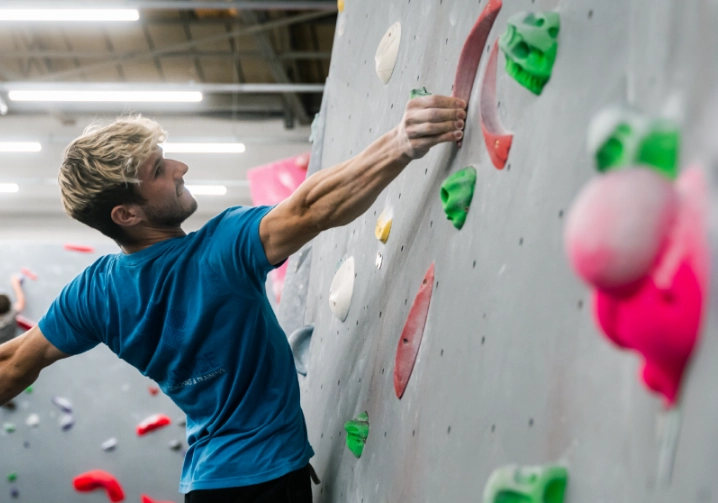
Quick Tip: Next time you're on an overhang, consciously try to press your big toe into the hold and imagine screwing your foot into the wall. Feel how that instantly engages your glute and core on that side? That's the tension we're training for.
Pillar 4: Antagonist & Prehab - Your Insurance Policy
This is the boring but critical work that keeps you healthy. Do it.
- Pushing: Push-ups, dips, overhead presses. They balance all the pulling and protect your shoulders.
- Wrist Extensors: Reverse wrist curls with a light dumbbell, or using elastic bands. Fight off that elbow pain.
- Rotator Cuff Work: Internal and external rotation exercises with a band or light dumbbell. Keep those shoulder sockets happy.
- Finger Extensors: Put a rubber band around your fingers and open your hand against it. Do this throughout the day. It's the best $1 you'll spend on climbing health.
Putting It All Together: A Sample Weekly Structure
Now, how does this look in a real week? This is just a template—adjust based on your schedule, experience, and how you feel.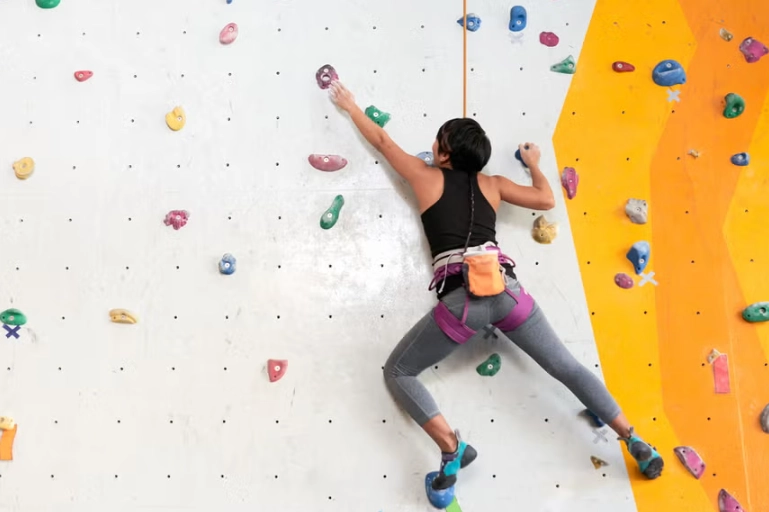
| Day | Focus | Sample Activities | Key Principle |
|---|---|---|---|
| Monday | Limit Bouldering / Projecting | Warm-up, 60-90 mins of trying hard moves/boulders, Cool-down stretches. | Skill & Neurological Intensity. Quality over quantity. |
| Tuesday | Strength & Power | Warm-up, Max Hangs (4-6 sets), Weighted Pull-Ups (3-5 sets of 3-5 reps), Front Lever Progression Holds (3 sets), Push-ups (3 sets to near-failure). | High intensity, low volume. Long rests (2-3 mins). Be fresh. |
| Wednesday | Active Recovery / Mobility | Light cardio (walk, bike), foam rolling, shoulder/hip mobility work, rice bucket. | Promote blood flow, don't add fatigue. |
| Thursday | Volume Climbing / Endurance | Warm-up, 4x4s on easier boulders, or linked route climbing. Focus on movement. | Build work capacity and practice technique under mild fatigue. |
| Friday | Rest | Complete rest. Maybe some gentle stretching. | Let the body adapt and grow stronger. |
| Saturday | Outdoor Climbing / Fun Gym Session | Apply your strength and skills in a real or simulated outdoor context. Enjoy the sport! | Psychological recharge and practical application. |
| Sunday | Rest or Light Antagonist | Rest, or do a short session of push-ups, band pull-aparts, and wrist prehab. | Prep for the week ahead. |
See how the strength day is separate from the hardest climbing day? That's intentional. You can't give 100% to both in the same session. Some people prefer to do a short, intense strength session immediately after a limit bouldering session (if they're short on time), but they'll be sub-maximal. I've found the separate-day model works best for me to see real progress in my strength training for climbers.
Common Questions About Climbing Strength Training (FAQ)
The wall doesn't care how much you can bench press. It only cares about the specific strength you bring to it.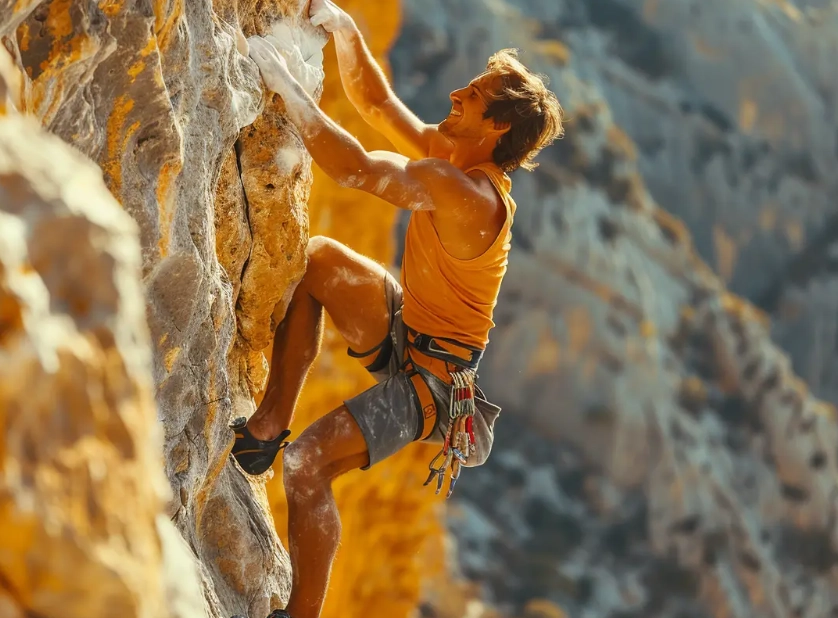
Final Thoughts: Strength as a Tool, Not a Goal
I'll leave you with this. The aim of strength training for climbers isn't to win a weightlifting meet. It's to become a more capable, resilient, and confident climber. It's about having the physical tools to execute the movements your mind wants to make.
There will be days you don't want to do your hangs or your lock-offs. Do them anyway, but keep the quality high. There will be phases where you feel weak. Stick with it. Consistency trumps intensity every single time.
The most beautiful move I ever stuck was on a steep limestone route. A tiny, sharp crimp for the left hand, a high right foot, and a big move to a sloper. For years, I'd fall at that move. My fingers would slip, or my core would collapse. After a dedicated cycle of focused strength work—max hangs for the crimp, front lever progressions for the core tension—I went back. I took a breath, engaged my back, pressed through my toe, and my hand latched the sloper like it was magnetized. The strength didn't do the move for me, but it made it possible. And that's the whole point.
Now get off the internet and go train. But do it smart.