Your Quick Guide
- The Big Picture: Understanding Why Crowds Happen
- A Park-by-Park Breakdown of Crowded Times
- Proven Strategies to Beat the Crowds (Not Just Avoid Them)
- The New Reality: Reservation Systems and Timed Entry
- What If You Have to Go During Peak Time?
- Your Questions on National Parks Crowded Times, Answered
- Wrapping It Up: Your Action Plan
Let's be honest. You've seen the pictures. A sea of people on the boardwalk at Old Faithful. A traffic jam on Going-to-the-Sun Road that makes rush hour look pleasant. A line for Angels Landing that snakes further than the trail itself.
You love the idea of national parks—the grandeur, the quiet, the connection with something bigger. But the reality of national parks crowded times can turn that dream into a frustrating, elbow-to-elbow experience. I get it. I've been there, stuck in a shuttle bus queue at Zion for what felt like an eternity, wondering if this was really what "getting away from it all" meant.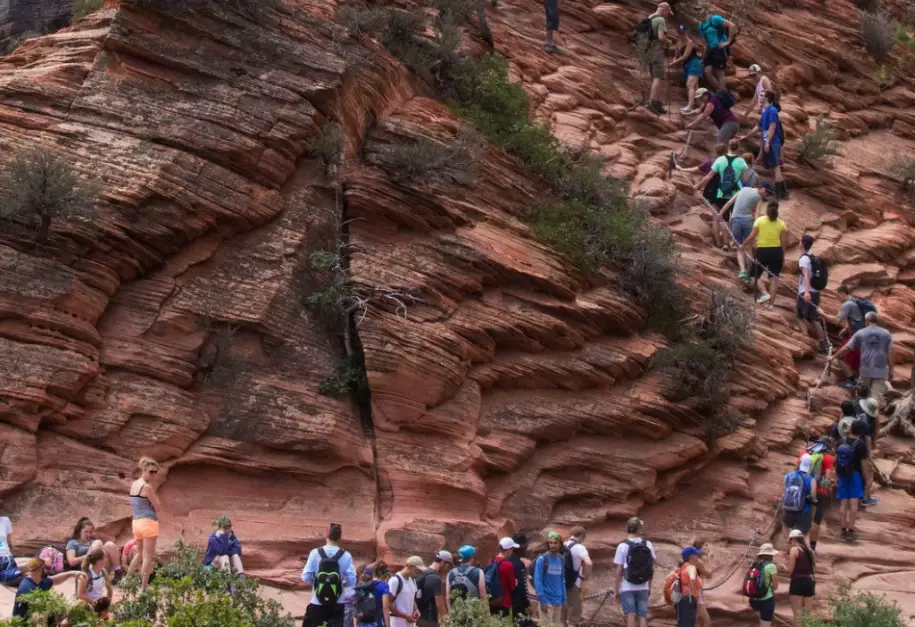
But here's the good news: it doesn't have to be that way. Crowds are predictable. With a bit of knowledge and some smart planning, you can still have an amazing, even peaceful, experience in America's most beloved places. This isn't about telling you to just "go somewhere else." It's about understanding the rhythms of these parks and learning how to move to a different beat.
The Big Picture: Understanding Why Crowds Happen
First, let's talk about the why. Crowds aren't random. They cluster around a few key factors, and once you see the pattern, you can start to work around it.
Obviously, weather is king. Summer brings warm, reliable conditions to parks in the Rockies, the Sierras, and the desert Southwest. Schools are out. Families are traveling. This creates a perfect storm of visitation from late June through mid-August. For many parks, this is the absolute peak. But summer isn't the only busy season. Spring break brings a huge surge to desert parks like Arches and the Grand Canyon. Fall foliage turns Great Smoky Mountains and Acadia into colorful magnets. Even winter sees spikes around holidays at parks like Yellowstone and Yosemite.
Then there are the days of the week. It seems simple, but it's incredibly powerful: weekends are busier than weekdays. Always. A Saturday in July at Rocky Mountain National Park is a fundamentally different experience than the following Tuesday. Holidays? Forget about it. Memorial Day, Fourth of July, Labor Day—these are often the single busiest days of the entire year.
Finally, think about the time of day. Most visitors operate on "vacation hours." They roll into the park between 9 am and 11 am. They want to see the most famous sights between lunch and 4 pm. Then they leave. This creates massive congestion at specific locations during a very narrow window. The rest of the park, and the rest of the day, can be surprisingly manageable.
I remember pulling into a nearly empty Canyon Overlook parking lot at Zion around 7:30am. The light was perfect, the silence was profound. By 10am, when we were hiking back down, cars were circling like vultures, and the overlook itself was packed. We had the same view, but a totally different experience, just by shifting our schedule.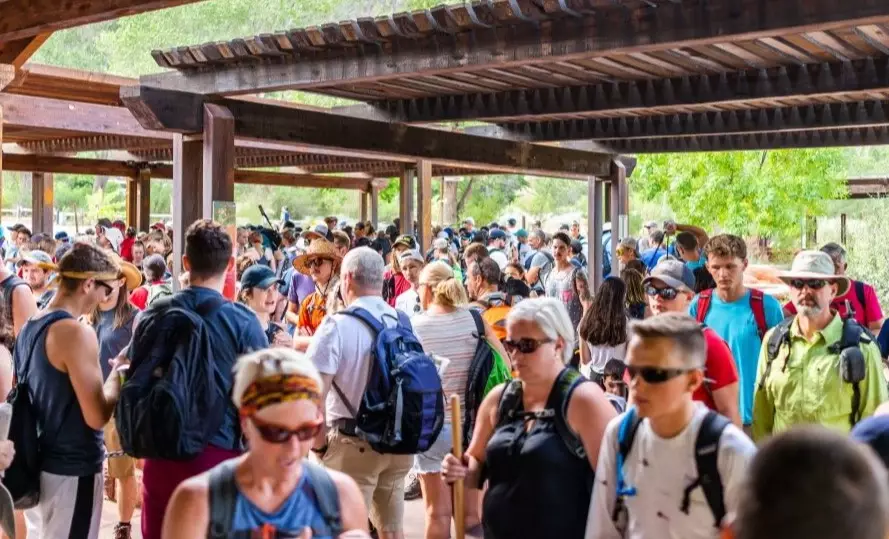
A Park-by-Park Breakdown of Crowded Times
Not all parks are crowded in the same way. A national park's crowded times depend heavily on its geography, its marquee attractions, and even its infrastructure. Let's look at some of the heavy hitters.
Yellowstone and Grand Teton
Peak Season: July and August. This is the undisputed high season. Every campground is full, every lodge is booked, and the roads around Old Faithful and the Grand Canyon of the Yellowstone can feel like a theme park. June and September are the shoulder seasons—still busy, but with slightly shorter lines and cooler temps. Winter is a secret wonderland, but access is limited to oversnow vehicles or guided tours.
The single worst time? The week surrounding the Fourth of July. If you value your sanity, avoid it.
Zion, Arches, Canyonlands, Bryce Canyon (The Utah Mighty 5)
These parks have two peaks. The first is Spring (March through May), when the desert heat is mild and bearable. The second is Fall (September through October), another period of ideal temperatures. Summer is brutally hot, which thins the crowds a bit, but it's still very busy, especially at Zion which requires shuttle buses for its main canyon.
Arches has gotten so popular that from April through October, you often need a timed entry reservation just to get in the gate before 4pm. That's a hard lesson to learn when you're driving from Moab at 9am.
Yosemite
Summer is king, but Yosemite's crowding is legendary and almost year-round on weekends. The valley floor is the main congestion zone. The secret? Much of the park is the high country around Tuolumne Meadows, which is only accessible in summer and feels worlds apart. Winter in the valley is quieter and stunning, but Tioga Pass is closed.
Great Smoky Mountains
This is the most visited national park in the system, partly because it's free and has no gates. Crowds are consistent from June through October, with absolute pandemonium during the fall color peak in mid-to-late October. Weekends in October are arguably the most crowded national parks crowded times you'll find anywhere. Seriously, traffic on the main parkway barely moves.
Acadia
Late September and October for fall foliage. The Park Loop Road becomes a parade. Summer is also very busy, especially on cruise ship days in Bar Harbor. Sunrise at Cadillac Mountain is a ritual, but you'll need to reserve a vehicle permit for the experience.
To make this clearer, here's a quick-reference table for some top parks. Remember, "Peak" means you should expect major crowds and plan accordingly.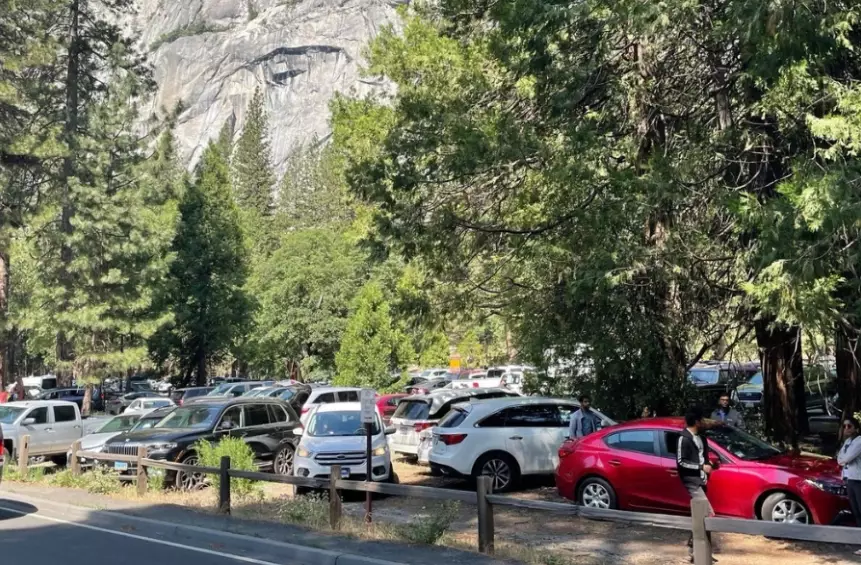
| National Park | Peak Crowd Months | Shoulder Season (Better) | Quieter Potential | Biggest Crowd Choke Point |
|---|---|---|---|---|
| Yellowstone | Jul, Aug | Jun, Sep | Oct, Apr-May (some roads closed) | Old Faithful area, Canyon Village |
| Zion | Mar-May, Sep-Oct | Nov, Feb | Weekday summer afternoons (hot!) | Zion Canyon Scenic Drive (shuttle required) |
| Yosemite | May-Sep | Apr, Oct | Weekday winters in the Valley | Yosemite Valley, Tunnel View |
| Grand Canyon (South Rim) | Mar-Sep | Feb, Oct-Nov | Winter, if you can handle cold/snow | Mather Point, Village shuttle stops |
| Rocky Mountain | Jul, Aug | Jun, Sep | Late Sep after fall color peak | Bear Lake Road, Trail Ridge Road |
| Great Smoky Mountains | Jun-Oct (peak Oct) | May, Nov | Weekday winters (some roads close) | Cades Cove Loop, Newfound Gap Road |
See the patterns? Most peak around summer or specific seasonal events. The shoulder seasons are almost always your friend.
Proven Strategies to Beat the Crowds (Not Just Avoid Them)
Okay, so you know when the national parks crowded times are. Now, how do you outsmart them? This is where you move from theory to practice.
Master the Daily Clock
This is the single most effective trick you can use, regardless of the season.
- Sunrise is Magic Hour. Get up early. I mean, painfully early. Be at the park gate before it's officially open, or at the trailhead by first light. You will have the place to yourself for a precious hour or two. The light is better for photos, the animals are more active, and the air is cool. The effort is always worth it.
- Embrace the Late Afternoon. Most families are heading back to town for dinner by 4pm. From about 4pm until sunset, parks experience a second quieting. It's a fantastic time for a shorter hike or to visit a popular overlook.
- Consider the Midday Pivot. When the crowds are at their peak from 11-3, don't fight for a spot at the main attraction. This is the perfect time for a long lunch, to visit a lesser-known visitor center, to explore the nearby national forest land, or to just rest at your campsite. Or, hike a longer, harder trail that most day-trippers avoid.
Go Deep, Not Just Wide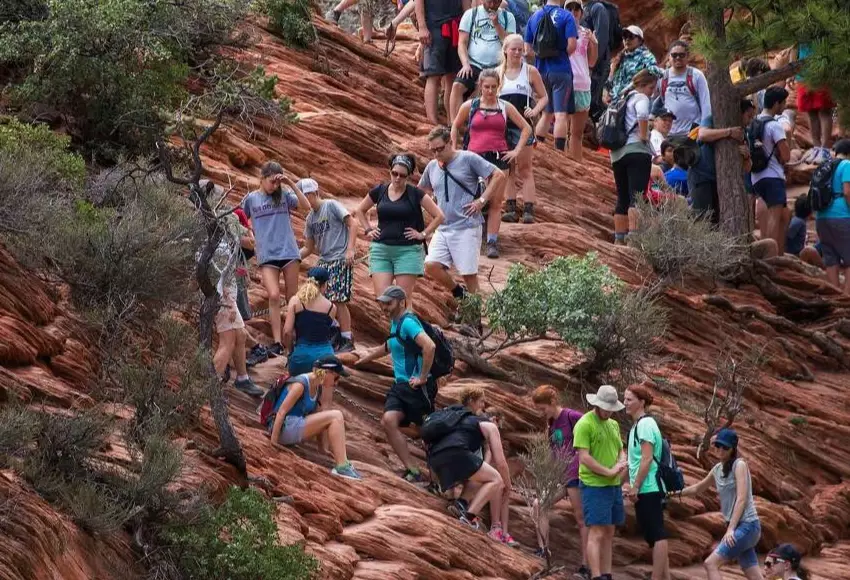
Ninety percent of visitors never venture more than a mile from a parking lot or shuttle stop. Your escape route is simple: walk further.
At Grand Canyon, everyone clusters at Mather Point. Walk 20 minutes down the Rim Trail in either direction, and the crowd density drops by 90%. In Yosemite, the Mist Trail to Vernal Fall is a packed highway. But if you continue past Nevada Fall towards Half Dome (even if you don't climb the cables), the crowd thins to a trickle.
I learned this at Arches. The Windows Section was a zoo. We did that quick loop, then drove to the Devil's Garden trailhead. The first part to Landscape Arch was busy, but once we turned onto the primitive trail loop beyond it, we saw maybe five people in two hours. It was a completely different world of slickrock fins and quiet canyons.
Rethink Your Itinerary
Be a contrarian.
- Visit Famous Spots on Your Arrival/Departure Day. Instead of making Old Faithful the centerpiece of a day, stop there on your way into or out of the park. People tend to plan full days for the big names, so the edges of the day see less pressure.
- Target the "Second Best" Attractions. Everyone wants to see Delicate Arch. What about Double Arch or the Park Avenue section? They're incredible and often have a fraction of the people. In Yellowstone, everyone goes to Grand Prismatic from the boardwalk. The overlook trail, which requires a short hike, is far less crowded and gives the better view.
- Explore the Neighbors. Next to every famous national park is a National Monument, State Park, or vast area of National Forest that is just as beautiful and has a tiny fraction of the visitors. Near Zion, check out Snow Canyon State Park or the Bureau of Land Management (BLM) land along the Smithsonian Butte Road. Near the Great Smokies, the Blue Ridge Parkway or Big South Fork National River offer similar beauty without the traffic.
The New Reality: Reservation Systems and Timed Entry
This is critical. To manage overwhelming demand, more and more parks are implementing reservation systems for entry, specific roads, or activities. This isn't a suggestion; it's a requirement. Ignoring it will ruin your trip.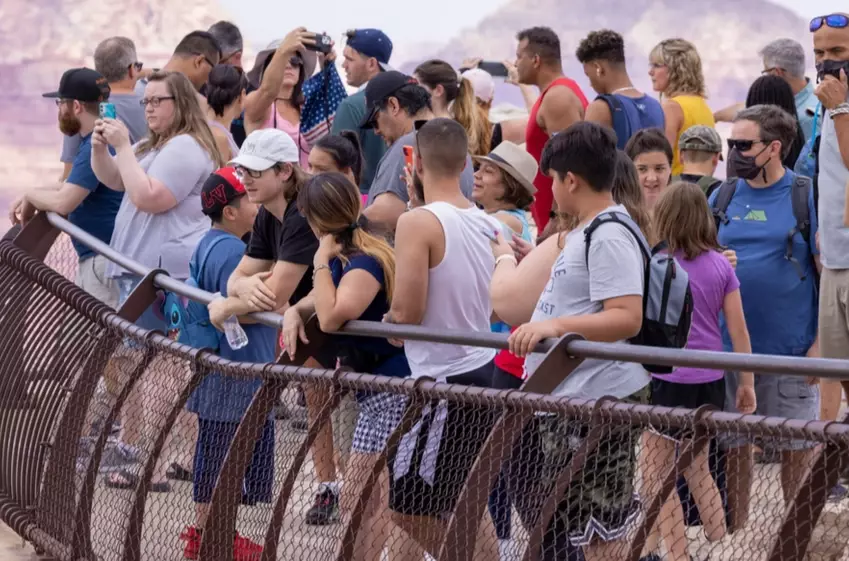
As of now, here are some major systems you need to know about (always check the official park website for the latest):
- Yosemite: May require a reservation for entry during peak periods. Check their reservations page.
- Rocky Mountain: Timed Entry Permit required for most of the park during the summer season.
- Arches: Timed Entry Ticket required from April through October.
- Glacier: Vehicle reservation needed for Going-to-the-Sun Road and the North Fork area in summer.
- Acadia: Vehicle reservation required for the Cadillac Summit Road.
- Zion: While no general park entry ticket is needed, you need to book shuttle bus tickets in advance for the Zion Canyon route from spring through fall. They sell out weeks or months ahead.
My advice? The moment you know your dates, research if the park requires a reservation. Mark the date reservations open on your calendar (they often open months in advance and sell out in minutes). Treat it with the same urgency as booking a flight.
What If You Have to Go During Peak Time?
Sometimes it's unavoidable. A family reunion, a school schedule, a wedding. Don't despair. You can still have a great trip; you just need to manage expectations and be ultra-strategic.
First, accept that you will encounter crowds. The frustration comes from the surprise of it. If you go in knowing the Old Faithful geyser basin will feel like a stadium, you can laugh it off and focus on the geyser itself.
Second, lean even harder on the early/late strategy. Your 5am wake-up call is non-negotiable.
Third, use the park's less-developed areas. In Yellowstone, spend a day in the Lamar Valley ("America's Serengeti") instead of the geyser basins. In Yosemite, if Tioga Road is open, get up to Tuolumne Meadows. The number of visitors per acre plummets.
Finally, practice patience and kindness. Rangers are dealing with thousands of stressed visitors. Other people are just as tired and hot as you are. A good attitude is your best piece of gear.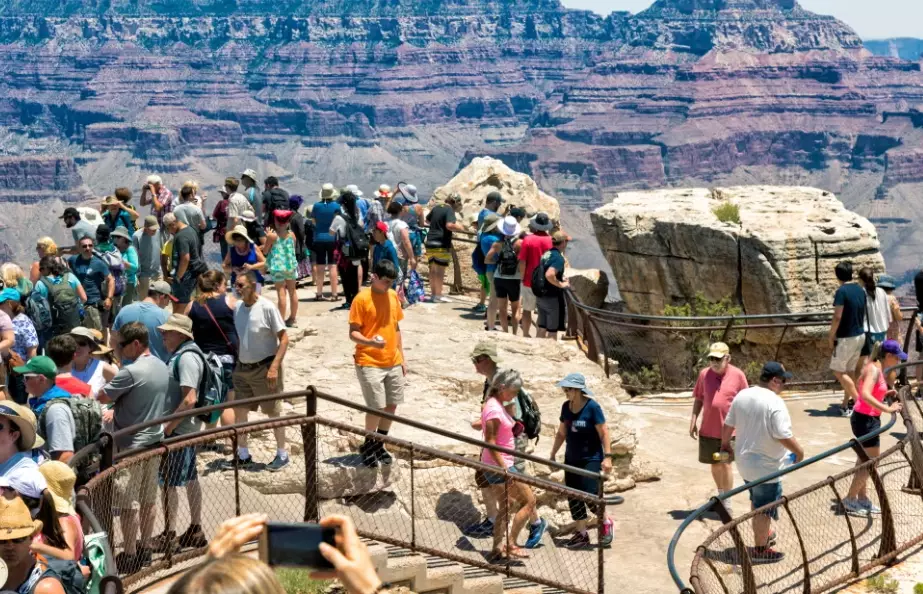
Your Questions on National Parks Crowded Times, Answered
Wrapping It Up: Your Action Plan
Let's make this simple. Here's your checklist for planning a trip that sidesteps the worst of the national parks crowded times:
- Pick Your Season Wisely: Target shoulder seasons (May-June, September-October) whenever possible. Avoid holiday weekends like the plague.
- Favor Weekdays: Plan your park days for Tuesday through Thursday. Use weekends for travel or exploring nearby towns/national forests.
- Reservations are Key: Check months in advance if your park requires timed entry, shuttle tickets, or camping permits. Book them the second they open.
- Become an Early Riser: Plan to be at your key destination for the day by sunrise. It's the ultimate hack.
- Have a Midday Plan: Know what you'll do when the main sites are packed (a long lunch, a siesta, a lesser-known hike).
- Look Beyond the Icon: Research the park's other districts and hikes beyond the top 3 on TripAdvisor.
- Check the Alternatives: Is there a National Monument, State Park, or National Forest area nearby that offers a similar experience?
- Pack Your Patience: Go in with the right mindset. You're visiting a shared treasure. A little planning and flexibility will unlock its magic, even in this age of record crowds.
The parks are worth it.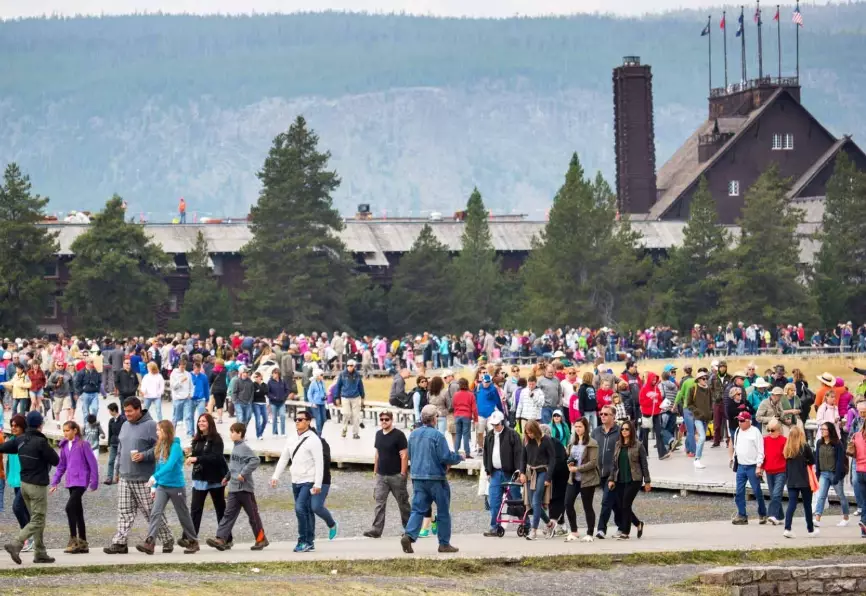
They are worth the effort, the early alarms, and the planning. The feeling of standing in a silent grove of ancient trees, or watching a geyser erupt into a blue sky with only the sound of boiling water, or gazing into a canyon so vast it makes you feel wonderfully small—that's the reward. By understanding the rhythm of the crowds, you're not giving up on the parks. You're just learning how to listen to their quieter, more profound song.
Now get out there and find your space.