Quick Navigation
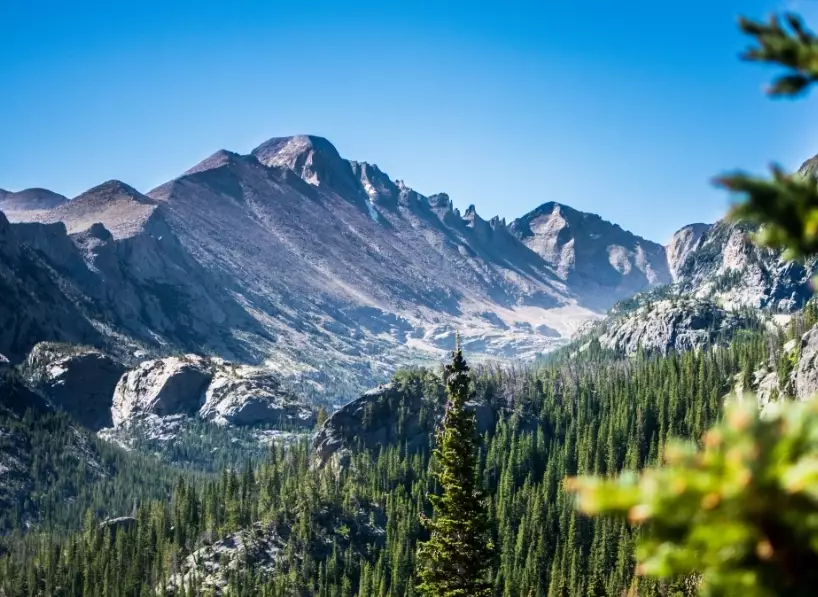
So, you've heard people say "go trekking" and wondered what it really means. Is it just fancy hiking? A brutal survival test? Let me break it down from my decade of trekking across continents. Trekking isn't a weekend stroll—it's a multi-day journey into remote areas, often with a backpack full of gear and a mind open to adventure. Think of it as hiking's more committed cousin, where the trail is your home for days or weeks. I recall my first trek in the Annapurna region: waking up to Himalayan peaks, relying on a map and compass, and realizing this was more than a walk; it was a test of resilience. That's what go trekking means—embracing the unknown on foot.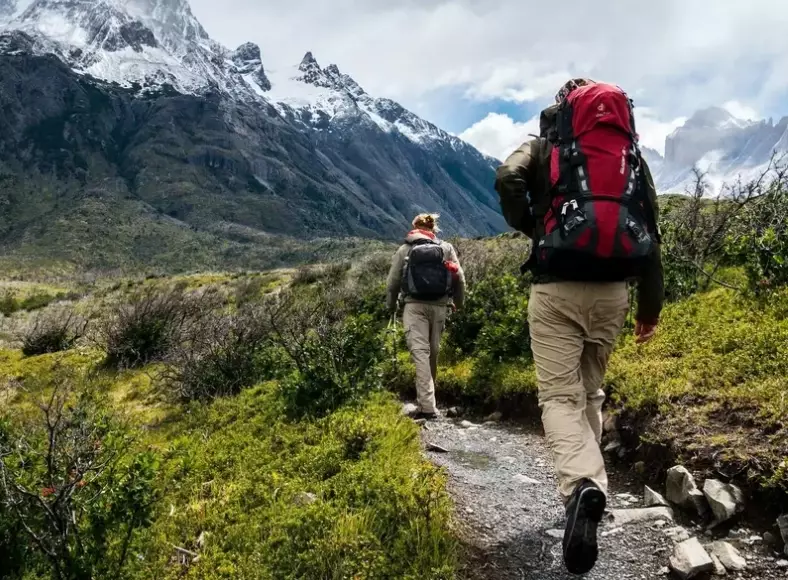
What is Trekking? Defining the Adventure
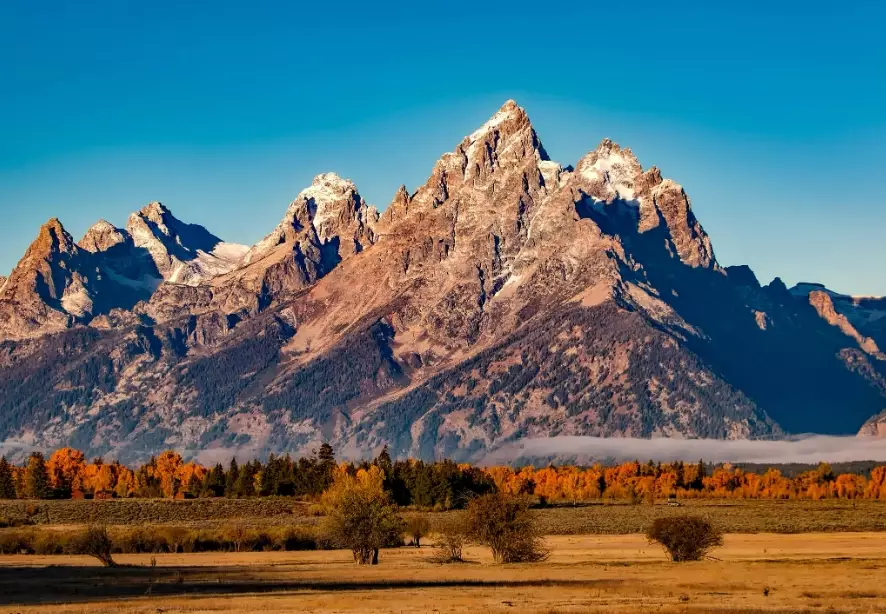
Trekking, at its core, means embarking on a long-distance walk through challenging terrain, usually lasting multiple days. Unlike a casual hike, trekking often involves carrying your own supplies, navigating unmarked paths, and camping or staying in basic lodges. The term comes from the Afrikaans word "trek," meaning a long journey, and it's evolved to describe adventures in places like the Andes or Himalayas. According to outdoor experts, trekking blends physical endurance with cultural immersion—you're not just passing through; you're engaging with landscapes and communities.
Trekking vs Hiking: Key Differences Everyone Misses
Many use "trekking" and "hiking" interchangeably, but they're distinct. Hiking is typically a day activity on well-maintained trails, think of a loop in your local park. Trekking, on the other hand, spans days or weeks, often in remote areas with minimal infrastructure. Here's a quick comparison I've found useful:
| Aspect | Hiking | Trekking |
|---|---|---|
| Duration | Few hours to a day | Multiple days to weeks |
| Terrain | Marked trails, often moderate | Remote, rugged, sometimes unmarked |
| Gear | Daypack with essentials | Full backpack with camping gear |
| Planning | Minimal; check weather | Extensive; permits, routes, supplies |
| Example | Walking the Appalachian Trail for a day | Completing the entire Pacific Crest Trail |
From my trips, I've seen hikers turn back when trails fade, but trekkers push on with GPS and grit. It's a mindset shift—trekking means accepting uncertainty.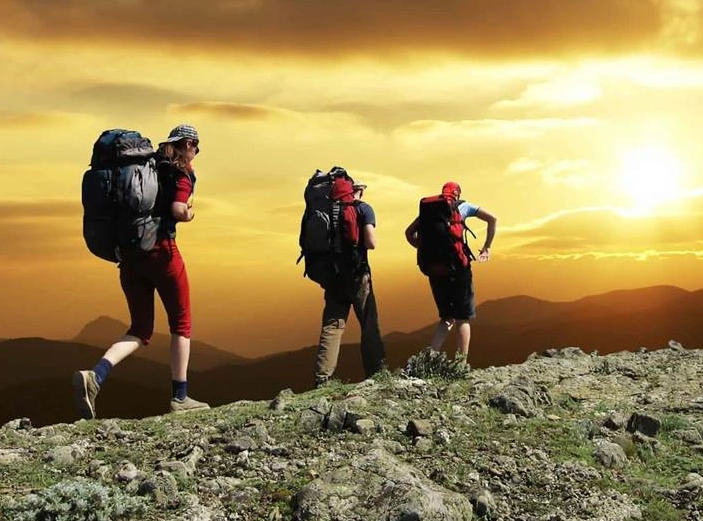
Why Go Trekking? Benefits and Motivations
Why bother with all that effort? Trekking offers benefits beyond fitness. Physically, it builds stamina and strength; mentally, it's a reset button from digital life. Studies, like those from the American Hiking Society, show that prolonged outdoor activity reduces stress and boosts creativity. But for me, the real magic is in the connections—sharing stories with locals in a Peruvian village or spotting rare wildlife in Patagonia. Trekking forces you to slow down and appreciate details: the smell of pine forests, the sound of rivers, the ache in your muscles that tells a story. It's not always glamorous; I've dealt with blisters and bad weather, but those challenges make the summit views sweeter.
Pro tip: Many trekkers overlook the cultural aspect. In places like Nepal, trekking routes pass through villages where you can learn about Sherpa traditions—don't just rush to the peak; engage with people. It transforms the experience from a physical feat to a human journey.
How to Prepare for Your First Trek: A Step-by-Step Guide
Preparation is everything. I've seen too many beginners quit because they skipped steps. Start with physical training: aim for cardio like running or cycling, plus strength exercises for legs and core. A month of prep can make a huge difference. Next, research your route thoroughly. Use resources like the National Park Service website for trail conditions or AllTrails for user reviews.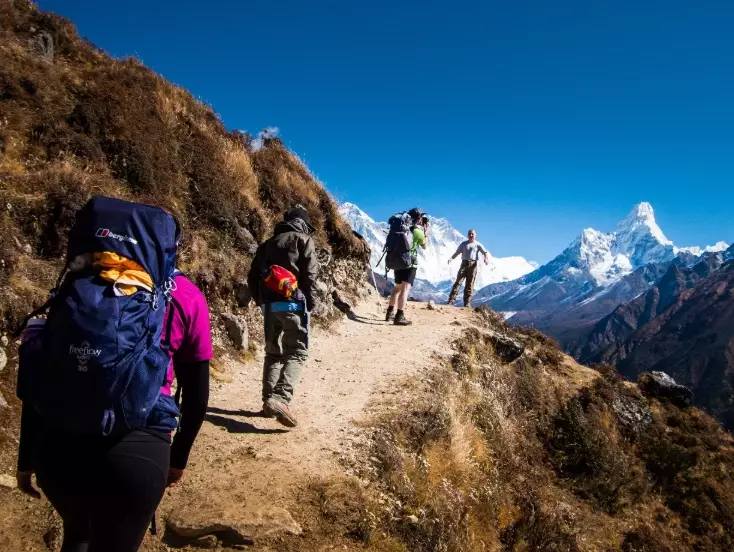
Essential Gear for Trekking: What You Actually Need
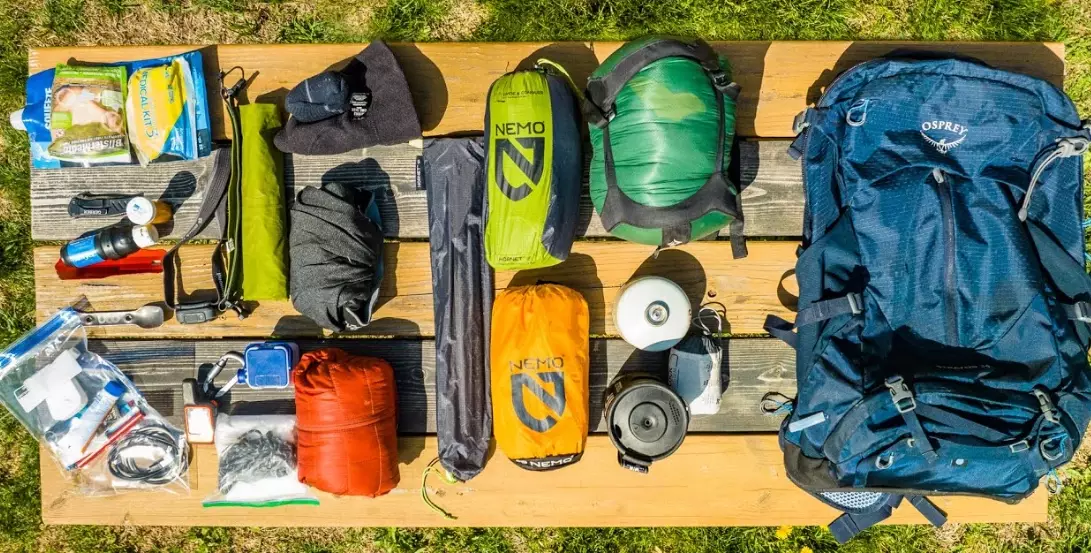
Don't overpack—I once carried 30 pounds of unnecessary stuff and regretted it. Focus on essentials:
- Footwear: Sturdy, broken-in hiking boots with ankle support. Blisters ruin trips.
- Backpack: 50-70 liters, with a hip belt to distribute weight.
- Navigation: Map, compass, and a GPS device. Phones can fail.
- Clothing: Layering system: moisture-wicking base, insulating mid, waterproof outer.
- Shelter: Lightweight tent or booking huts in advance.
Pack a first-aid kit and water purification tablets—trust me, getting sick on a trek is no joke.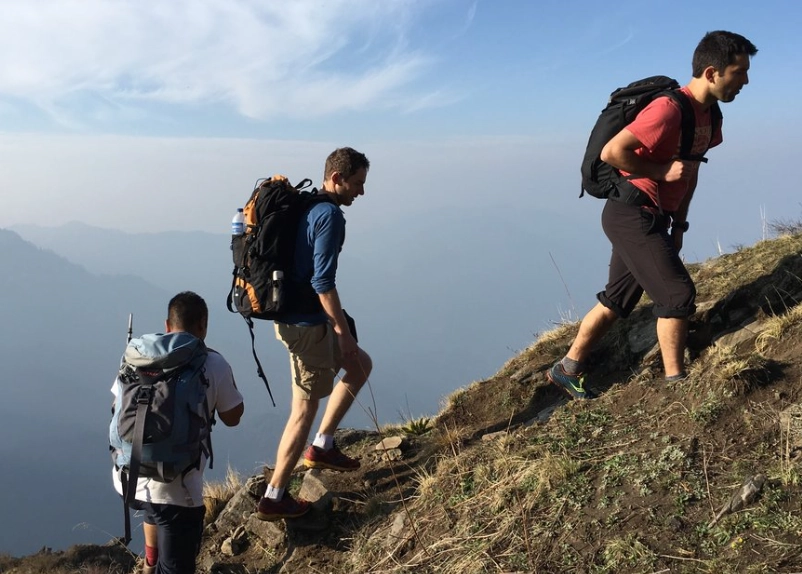
Planning Your Trek: Routes and Permits
Choose a route matching your skill level. Beginners should opt for popular trails with support, like the Camino de Santiago in Spain. Check permit requirements early; for instance, the Inca Trail requires booking months ahead through authorized agencies. I learned this the hard way in Yosemite, where quotas fill fast. Also, consider seasonal weather: monsoon seasons in Asia can make trails impassable.
Top Trekking Destinations Around the World
Where to go? Here are three picks based on accessibility and awe factor:
- Inca Trail, Peru: A 4-day trek to Machu Picchu. Permits are limited, so book via the official government portal. It's moderate difficulty, with ancient ruins en route.
- Tour du Mont Blanc, Europe: A 10-day loop through France, Italy, and Switzerland. Huts provide lodging, making it beginner-friendly. Summer months offer best weather.
- Yosemite National Park, USA: For shorter treks, try the Half Dome or John Muir Trail sections. The National Park Service offers detailed guides and requires wilderness permits for overnight stays.
Each destination has its quirks—Peru's altitude requires acclimatization, while Europe's huts mean lighter packs. I prefer less crowded spots like the Laugavegur Trail in Iceland for raw beauty.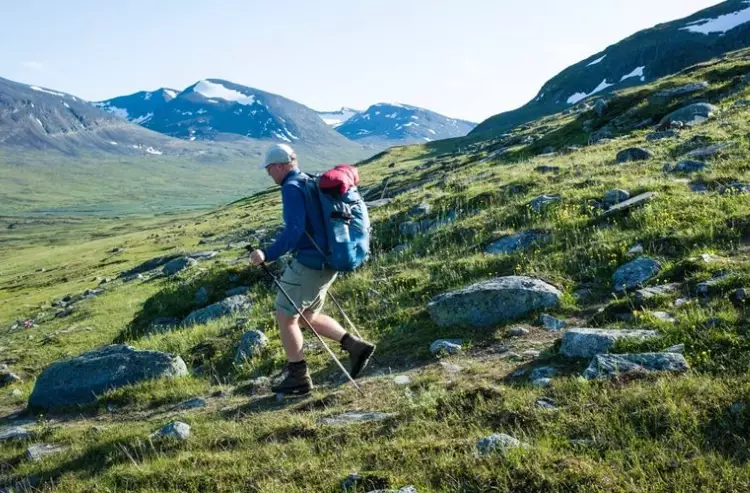
Common Trekking Mistakes and How to Avoid Them
Even experts slip up. Common errors include underestimating weather (pack for cold nights), ignoring foot care (trim toenails and use blister pads), and skipping trail research. A friend once got lost in New Zealand by relying solely on phone GPS when batteries died. Always carry a physical map. Another mistake is going solo without experience—join a group or hire a guide initially. Sustainable trekking is also overlooked: pack out trash, respect wildlife, and support local economies by buying supplies in villages.
FAQ: Your Trekking Questions Answered
Trekking means stepping out of comfort zones, but with the right prep, it's accessible to anyone. Start small, learn from each trip, and soon you'll understand why people go trekking—it's not just about the distance; it's about discovering yourself along the way. Ready to lace up those boots?