Your Quick Guide
Let's talk about waterfalls in national parks. You've probably seen the photos – those stunning shots of water plunging into misty pools, surrounded by perfect greenery. It's the kind of image that makes you want to pack your bags immediately. But here's the thing I've learned from chasing these cascades myself: not all national parks waterfalls are created equal, and finding the right one for you makes all the difference between a magical day and a frustrating hike.
Some are right off the road, perfect for a quick leg stretch. Others demand a serious trek. Some are roaring monsters you feel in your chest, others are delicate veils you can almost whisper to. And the crowds? That's a whole other story. I remember finally getting to one famous fall after a long drive, only to find the viewing platform so packed I could barely see the water. It was... underwhelming.
So, how do you cut through the noise and find the national park waterfall that matches your energy, your timeline, and your idea of a good time? That's what this guide is for. We're not just listing pretty places. We're digging into the how and the why, the trade-offs and the secrets, to help you plan a trip you'll actually love.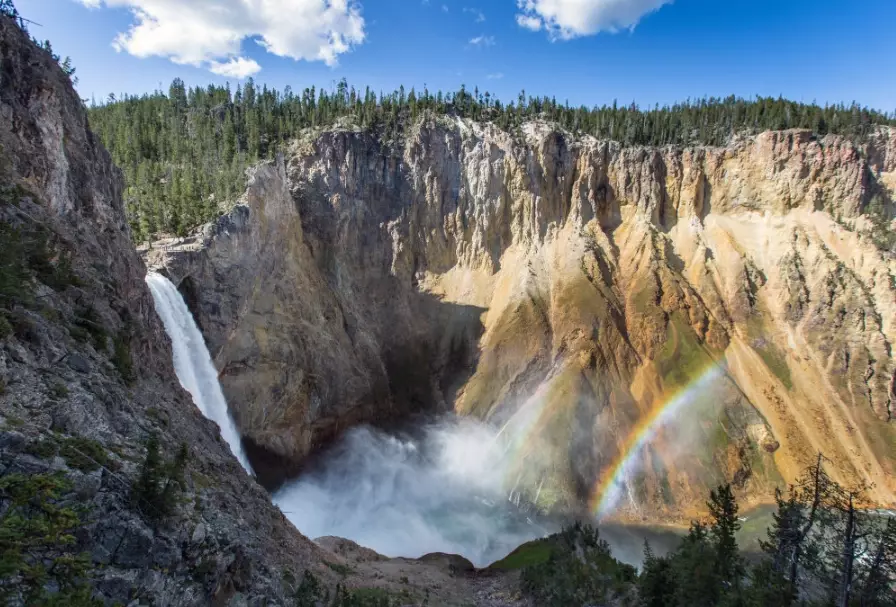
Why Waterfalls? The Pull of Falling Water
It's more than just a photo op. There's a primal draw to waterfalls. The sound alone – that white noise roar – has a way of washing away mental clutter. The negative ions in the mist? Science suggests they might boost your mood. But honestly, you don't need a study to tell you that. Stand at the base of a powerful cascade in a place like Yosemite or the Great Smokies, and you just feel it. It's a full-sensory reset.
For families, a waterfall can be a perfect, achievable goal for a hike. For photographers, the ever-changing light and spray create endless challenges. For hardcore hikers, reaching a remote waterfall deep in a park's backcountry is a reward like no other. This versatility is why searching for "national parks waterfalls" brings up millions of results. Everyone is looking for their own version of the experience.
Your Decision Guide: Picking the Right National Park Waterfall
This is where most lists fail you. They rank waterfalls by height or volume, but ignore what it's actually like to visit them. Let's break it down by what really matters.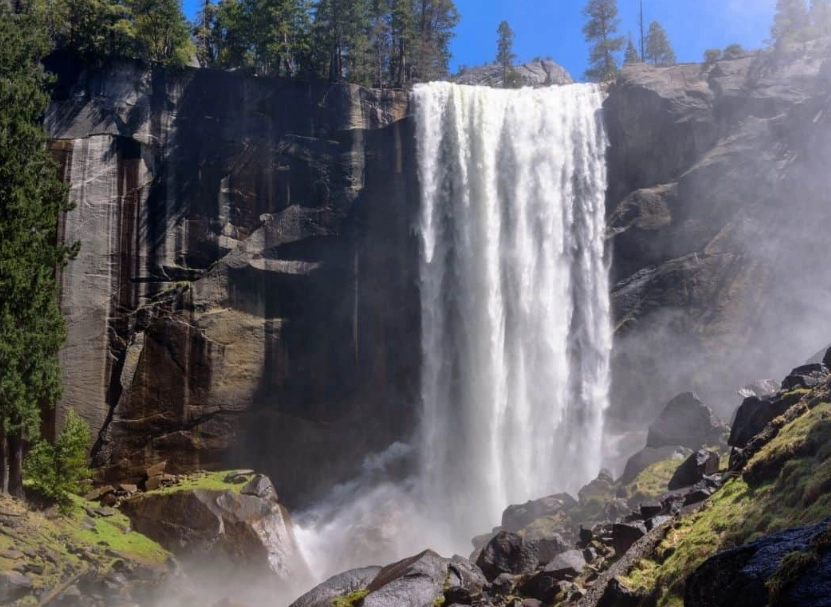
For the Effort vs. Reward Crowd
You want the biggest bang for your buck. Maybe you have limited time, small kids, or mobility concerns. The good news is, some of the most famous national parks waterfalls require almost no walking.
Take Yosemite Falls in Yosemite National Park. The lower fall viewpoint is a flat, paved five-minute walk from a shuttle stop. You get that iconic view of North America's tallest waterfall with minimal effort. Similarly, the Lower Falls of the Yellowstone River in Yellowstone is viewed from a series of paved overlooks right near the parking lot. You're witnessing one of the park's most powerful spectacles without breaking a sweat.
On the other hand, if you're willing to work for your view, the payoff can be incredible. The hike to Vernal and Nevada Falls in Yosemite via the Mist Trail is steep and often wet, but putting you right on the brink of the cascades is an experience the overlook crowd will never get.
For the Solitude Seekers
If your idea of hell is a crowded boardwalk, you need a different strategy. The most famous waterfalls in the most famous parks will be busy, especially between 10 AM and 3 PM. Your best tools are distance and timing.
Look for waterfalls that require a longer hike. In Great Smoky Mountains National Park, everyone goes to Laurel Falls (paved, 2.6 miles round-trip). Far fewer make the 5-mile round-trip trek to Rainbow Falls, which is taller and often has a beautiful rainbow in its mist. In Glacier National Park, skip the easily accessible Running Eagle Falls and hike the 5.6 miles to Pitamakan Pass for staggering, crowd-free views of cascades tumbling down sheer cliffs.
Go early. I mean, sunrise early. Or go late in the afternoon. Not only will you avoid the masses, but the light for photography is infinitely better. A waterfall at 8 AM, touched by the first golden light, with maybe one or two other people around? That's the secret.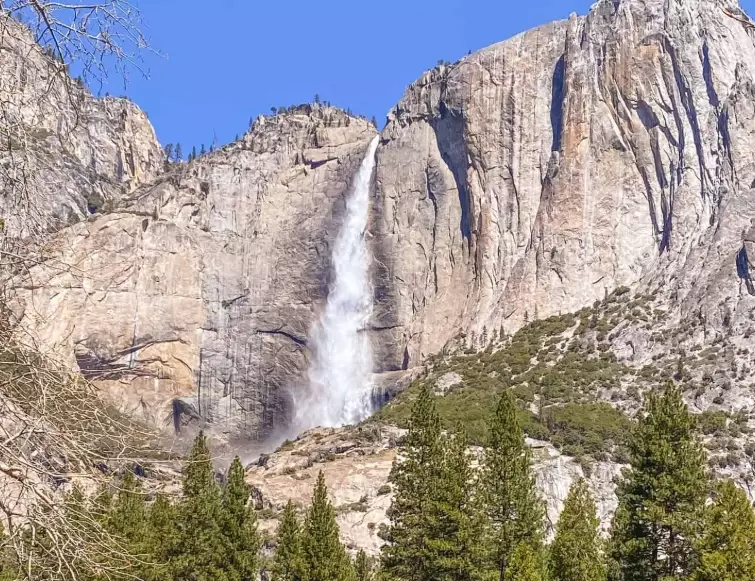
For the Photographers
Your needs are specific. You care about light direction, spray amount, foreground elements, and tripod space. Some national parks waterfalls are photogenic from one iconic angle. Others offer endless compositions.
Lower Yellowstone Falls is a classic, wide-angle spectacle from Artist Point. The view is so famous it feels like painting a masterpiece someone else already signed. For more creative options, look for waterfalls with interesting rock formations or autumn foliage around them, like many in Acadia or the Great Smokies. A polarizing filter is non-negotiable to cut glare off wet rocks and water. And for that silky smooth water effect, you'll need a tripod and a neutral density filter, especially in bright daylight.
Remember, cloudy or rainy days are often a photographer's best friend for waterfalls. The light is soft and even, colors are saturated, and you don't have harsh shadows to deal with.
A Closer Look at Top-Tier National Parks Waterfalls
Okay, let's get into some specific names. This table isn't just a list; it's a comparison tool to help you match a waterfall to your trip style.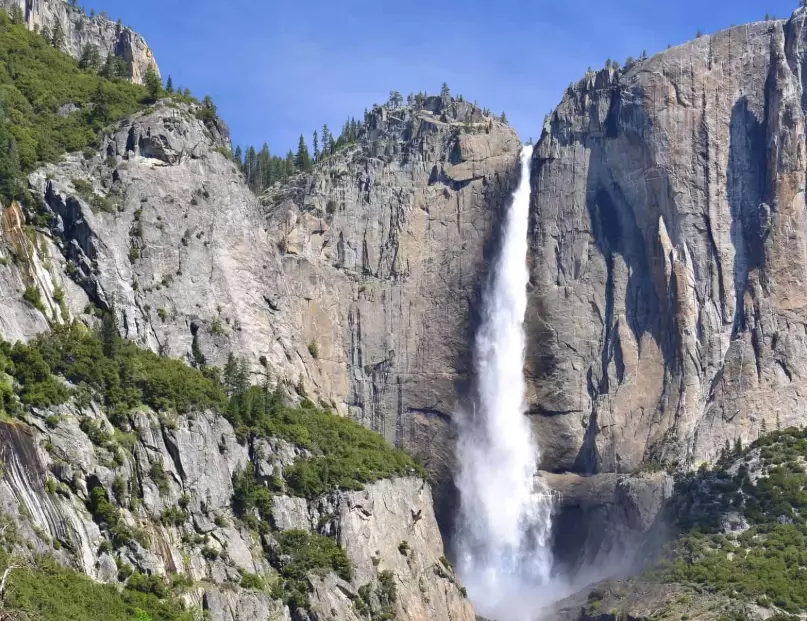
| Waterfall & Park | What Makes It Special | Effort Level | Best For | Watch Out For |
|---|---|---|---|---|
| Yosemite Falls (Yosemite NP) | Tallest in North America (2,425 ft). Iconic, dramatic drop in a granite cathedral. | Easy (Lower Fall view) to Strenuous (Top of Falls hike) | First-timers, iconic photos, quick stops. | Can be a trickle by late summer. Lower falls area is VERY crowded midday. |
| Lower Yellowstone Falls (Yellowstone NP) | Sheer power. A thunderous 308-foot drop into the Grand Canyon of the Yellowstone. | Easy (multiple paved overlooks) | All visitors, feeling raw power, accessibility. | Different overlooks offer different views. Artist Point on south rim is the classic photo spot. |
| Vernal & Nevada Falls (Yosemite NP) | A two-for-one via the Mist Trail. Immersive, wet, and thrilling hike right alongside the water. | Moderate to Strenuous | Adventurous hikers, getting up close, a physical challenge. | Trail is steep, wet, and slippery. Can be dangerously icy in spring. Start very early. |
| Multnomah Falls (Columbia River Gorge, near multiple parks) | Elegant two-tiered beauty. A 620-foot classic easily seen from a historic highway. | Easy (base view) to Moderate (hike to top) | A quick, guaranteed beautiful stop, family trips. | It's arguably the most visited waterfall in the US. Expect a crowd at the base bridge at all times. |
| Havasu Falls (Grand Canyon NP) | Turquoise water against red rock. A surreal, desert oasis. | Very Strenuous (10-mile hike + permit required) | Backpackers, unique landscapes, a true destination adventure. | Requires advance planning, permits, and serious hiking/camping commitment. Not a day trip. |
| Grotto Falls (Great Smoky Mountains NP) | You can walk behind it! A gentle, wide cascade you experience from the back. | Moderate (2.6-mile round-trip hike) | A unique "behind-the-scenes" feel, families with older kids. | Trail is often muddy. The walk behind is slippery. Go after a rain for better flow. |
See how that works? It's about context, not just a name on a map. A waterfall like Havasu is a multi-day expedition. Multnomah is a highway pull-off. Knowing that ahead of time is everything.
Beyond the Big Names: Finding Hidden Gems
Sometimes the best experiences come from lowering the stakes. Every major park with waterfalls has its headline acts, but the supporting cast can be just as rewarding with a fraction of the audience.
In Great Smoky Mountains National Park, instead of just Laurel Falls, ask a ranger about Abrams Falls in Cades Cove (a moderate 5-mile hike to a powerful, wide cascade) or Mouse Creek Falls along the Big Creek Trail. In Olympic National Park, everyone knows Sol Duc Falls, but the park's rainforests are dotted with countless unnamed cascades along trails like the Hoh River Trail.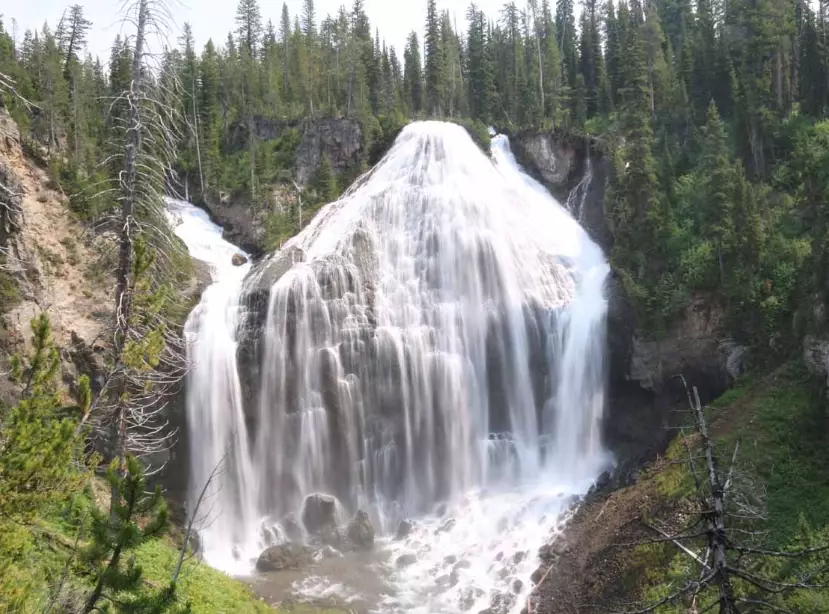
My method? I look at the official National Park Service map for the park I'm visiting. I find the blue squiggly lines (streams) that cross hiking trails. Where a trail crosses a stream in steep terrain, there's a good chance of a cascade. Then, I check the park's official website or ask at the visitor center: "Are there any smaller, less-visited waterfalls along the [Trail Name]?" Rangers are goldmines for this info.
Planning Your Visit: The Nitty-Gritty Details
Alright, you've picked your waterfall. Now let's make sure the visit goes smoothly. This is the stuff that often gets glossed over.
When to Go: Season Matters... a Lot
Waterfalls are living features. Their personality changes with the seasons.
- Spring (Late May - Early July): This is peak flow for most national parks waterfalls, especially in mountain parks fed by snowmelt. They are at their most powerful and dramatic. The downside? High water can make some trails dangerous or closed. Rivers are swift and cold. Bugs (mosquitoes, black flies) can be ferocious.
- Summer (July - August): Flows begin to recede, especially in drier regions. Water is often clearer. Weather is generally more stable for hiking. This is also peak tourist season, so crowds are at their worst. Go early!
- Fall (September - October): My personal favorite. Crowds thin out. Flows are lower but often still good, especially if there's been autumn rain. The combination of falling water with fall foliage in places like the Smokies or Acadia is unbeatable.
- Winter: Many waterfalls partially or completely freeze, creating incredible ice sculptures. Access is the big issue. Roads to trailheads are often closed. Hiking may require snowshoes, microspikes, and expert knowledge of avalanche terrain. Never attempt a winter waterfall hike without proper preparation and checking in with rangers.
What to Pack: The Non-Obvious Stuff
Beyond the usual hiking gear (good shoes, water, snacks), waterfall trips demand a few extras.
- Waterproof Footwear: Not just water-resistant. Waterproof. You will step in puddles. The spray will soak you. Trail runners that drain quickly are a good alternative.
- A Packable Rain Jacket: Even on a sunny day, the mist from a powerful waterfall is like walking through a cloud. You'll get damp.
- Microfiber Towel: A small one. For drying your camera lens, your phone, your glasses, or your hands after clinging to wet railings.
- Traction Devices: If there's any chance of ice near the waterfall (common in spring or at high elevations), Yaktrax or microspikes can prevent a nasty fall. I've learned this the hard way.
- Ziploc Bags: To keep your phone, wallet, and keys dry inside your pack.
Answering Your Waterfall Questions (FAQ)
Can I swim in waterfall pools in national parks?
It depends entirely on the specific park and waterfall. Always check posted signs and ask a ranger. In many parks, swimming is prohibited due to dangerous currents, underwater hazards, or to protect sensitive ecosystems. In some, it's allowed but not recommended due to cold water (which can cause hypothermia even in summer) or bacteria. If swimming is a priority, research parks known for safer swimming holes, like some areas of Zion or the Virgin Islands, but always verify current conditions.
Are dogs allowed on waterfall trails?
Generally, no. Most national park trails, especially those leading to popular features like waterfalls, do not allow pets (except service animals). They are restricted to paved areas, campgrounds, and sometimes leashed in parking lots. This is to protect wildlife, other visitors, and your pet. Check the specific park's pet policy on NPS.gov before you assume Fido can come along.
Do I need a permit to visit a waterfall?
For a standard day hike to most national parks waterfalls, no. You just need to pay the park entrance fee. However, notable exceptions exist for extremely popular or fragile areas. The most famous example is Havasu Falls in the Grand Canyon, which requires a hard-to-get overnight permit. Some parks also have timed entry reservations for the park itself or specific roads (like Glacier's Going-to-the-Sun Road or Rocky Mountain NP), which you need just to access the trailhead. Always, always check the park's website for permit requirements.
What's the best national park for waterfall lovers?
There's no single answer, but strong contenders offer high density and variety:
- Yosemite National Park: For iconic, towering, granite-wall cascades.
- Great Smoky Mountains National Park: For sheer numbers (over 100 named waterfalls) and beautiful woodland settings.
- Olympic National Park: For lush, moss-draped rainforest waterfalls.
- Waterton-Glacier International Peace Park: For dramatic alpine cascades fed by glaciers.
Your choice should depend on what other experiences you want (mountains, rainforest, canyon) and the type of hike you're up for.
How can I find lesser-known waterfalls?
Three strategies: 1) Hike further. The first waterfall on a trail is usually the busiest. The second or third one might be yours alone. 2) Visit in the shoulder season (late fall, early spring). 3) Talk to a park ranger. They know the current conditions and can suggest gems that aren't in every guidebook. Mention your fitness level and how far you want to hike.
Chasing waterfalls in our national parks is one of the great simple joys of travel. It connects you to the raw, moving parts of a landscape. With a little bit of planning – choosing the right cascade for your style, packing for wet conditions, and respecting the safety rules – you can turn a generic item on a checklist into a personal and powerful memory. Forget just checking it off. Find the one that calls to you, and go have your own adventure.
And remember, the best national parks waterfalls aren't always the ones with the most likes. Sometimes, they're the ones you have to listen for, just off the trail, where the only crowd is the sound of the water and your own thoughts.