Your Cabin Journey at a Glance
- What You're Actually Getting Into: The Different Types of Park Cabins
- The Booking Hunger Games: How to Actually Get a Reservation
- Beyond the Park Gates: The Case for "Just Outside" Cabins
- Packing for Cabin Life: What They Don't Tell You to Bring
- A Quick-Reference Table: Cabin Vibes by Major Park
- Straight Answers to the Questions You're Actually Asking
- Making the Choice: In-Park vs. Out-of-Park Cabin
Let's be honest. You've seen the pictures. A cozy wooden cabin nestled among giant sequoias, smoke curling from the chimney. Or maybe a rustic lodge perched on the rim of the Grand Canyon. The idea of staying in national parks cabins is incredibly appealing—it's the promise of immersion, of falling asleep to the sounds of nature and waking up steps from the trailhead.
But then you start looking into it, and the reality hits. The booking sites are confusing. Everything seems booked a year in advance. What's the difference between a "historic lodge" and a "rustic cabin" anyway? Are there even showers? I remember trying to book a cabin in Yellowstone for a summer trip once, clicking refresh for what felt like hours only to see "No Availability" flash on the screen. It was frustrating.
This guide is here to cut through that noise. We're not just going to list cabins; we're going to give you the strategy. The how, the when, and the what-to-expect of securing your spot in one of these incredible places. Because getting it right transforms a good park visit into an unforgettable one.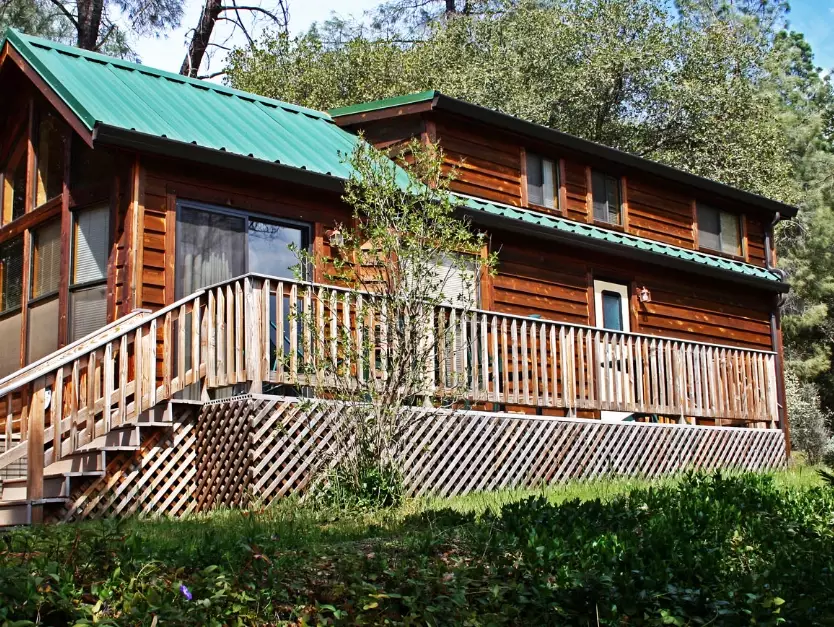
What You're Actually Getting Into: The Different Types of Park Cabins
This is the most important place to start. Not all "cabins" are created equal. Your dream of a secluded, off-grid log cabin might be one park's reality and another park's non-existent fantasy. Knowing the categories saves you from disappointment.
The Rustic, No-Frills Cabin (The "Real" Cabin)
This is what many people picture. Often simple one or two-room wooden structures. Heat might come from a wood stove or a basic space heater. Lighting is often propane or solar-powered. The bathroom? Frequently a shared comfort station a short walk away. Don't expect Wi-Fi. Don't expect a kitchenette.
Who it's for: The purist, the budget-conscious traveler, the one who wants to feel truly connected to the environment. Staying in these kinds of national parks cabins in places like the Grand Teton National Park or some areas of Yellowstone is a classic experience.
The catch: You need to be prepared. Read the description carefully. "Rustic" can range from "charmingly simple" to "you are basically camping in a wooden tent." I stayed in one in a colder month and seriously underestimated how much firewood I'd need for the night. Lesson learned.
The Historic Lodge Room (Cabins in Name Only)
Sometimes, a "cabin" is actually a room in a grand, historic lodge. Think of the iconic lodges in Glacier National Park like Many Glacier or Lake McDonald Lodge. The building itself is a destination, with massive stone fireplaces, timbered ceilings, and a sense of history. Your room might be small and simple, but the common areas are spectacular.
Who it's for: Travelers who want atmosphere, history, and convenience. You usually get a private bathroom, sometimes dining on-site, and that incredible lobby to relax in after a day of hiking.
The Modern Cabin or Cottage
A growing category, especially in parks that have upgraded facilities. These can feel more like a small vacation rental. Expect full private bathrooms, real beds, heating/AC, and sometimes a kitchenette or microwave. They bridge the gap between rustic charm and modern comfort.
You'll find these types of updated national park cabins at places like the Yosemite National Park Curry Village (though some units there are still quite basic) or in newer developments around other parks.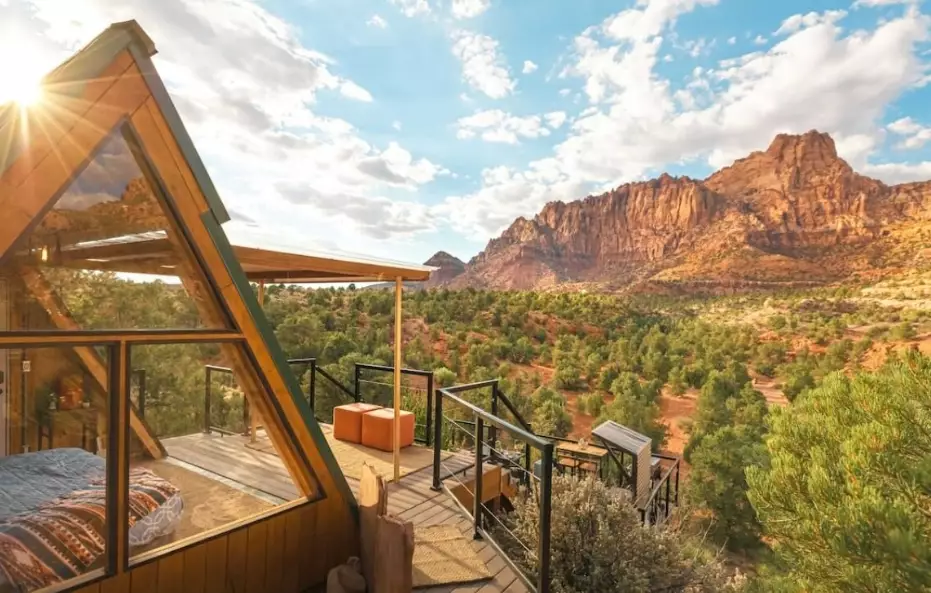
Pro Tip: Always, always look at the official National Park Service page for the park you're targeting (like the links above). They will have the most accurate descriptions of what each cabin unit actually includes—down to the square footage and type of bedding. The commercial booking sites often gloss over the less glamorous details.
The Booking Hunger Games: How to Actually Get a Reservation
This is the part that stresses everyone out. The demand for national park cabins is insane, especially for peak summer and fall foliage seasons. But it's not just luck. There's a system.
Know the Booking Timeline and Windows
This is critical. Most park cabins operated by the main concessionaires (like Xanterra, Aramark, Delaware North) open bookings on a rolling calendar, often 12 or 13 months in advance. Mark this date on your calendar.
For example, if you want a cabin for July 15th next year, bookings might open on July 1st of this year. Not July 15th. The first of the month. And they often open at 8:00 AM or 9:00 AM Eastern Time. Be online, logged into your account, with your payment info ready, at least 10 minutes before.
Some parks or smaller, privately-run cabins just outside park boundaries might have different rules. Always check.
The Art of the Cancellation Prowl
Did you miss the 12-month window? Don't panic. This is your secret weapon. People's plans change. Cancellations happen constantly, especially 30, 14, and 2-3 days before the arrival date (common cancellation penalty deadlines).
Be flexible. If you need a cabin for three nights, you might see one-night openings pop up. Be ready to piece together a stay, or just grab that one magical night in the middle of your trip.
Shoulder Season is Your Best Friend
Everyone wants June, July, August. What about late May? Early September? Even October in some parks? The crowds thin, the weather can still be fantastic, and the pressure on cabin bookings eases significantly. You might even find a last-minute deal.
Some parks, like those in the desert southwest (Zion, Arches), have a beautiful fall and even mild winter season that are perfect for cabin stays without the summer scramble.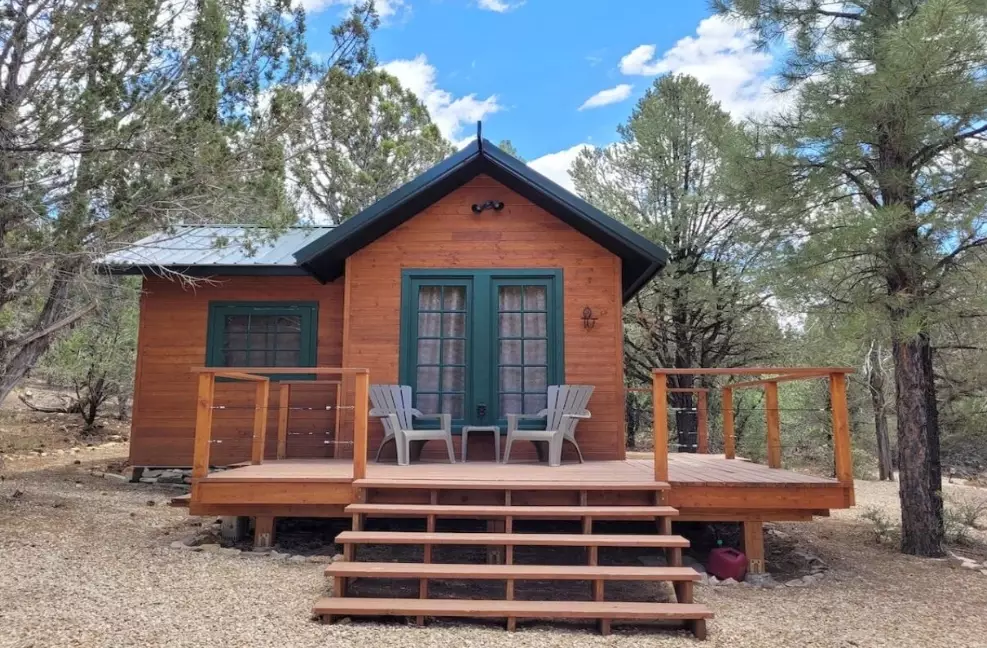
Watch Out: Be very careful with third-party booking sites and resellers. For official in-park cabins, you should almost always book through the park's designated concessionaire website or the Recreation.gov portal for certain parks. If a deal looks too good to be true from an unknown site, it probably is. You risk showing up with no reservation.
Beyond the Park Gates: The Case for "Just Outside" Cabins
Can't get an in-park reservation? Or maybe you want more space, a full kitchen, or a hot tub? This is where the cabins in the gateway communities shine.
Towns like Gatlinburg (for Great Smoky Mountains), Springdale (for Zion), or West Yellowstone offer thousands of cabin rentals. The trade-off is commute time into the park each day, which can mean dealing with entrance gate lines in peak season.
The advantages are real:
- More availability and often better last-minute options.
- Larger spaces for families or groups.
- Modern amenities (laundry, full kitchen, Wi-Fi).
- Often more competitive pricing, especially for groups.
The disadvantages are just as real:
- You're not immersed in the park 24/7. That magic of waking up inside is gone.
- You lose time commuting. A 30-minute drive each way is an hour less hiking.
- You have to factor in parking costs and congestion inside the park.
Packing for Cabin Life: What They Don't Tell You to Bring
Packing for a hotel is easy. Packing for national parks cabins requires a different mindset. It's about self-reliance.
The Non-Negotiable Cabin Kit:
- A seriously good headlamp or flashlight: Not your phone light. A proper light for those trips to the shared bathroom or finding your keyhole in the pitch dark. I prefer a headlamp with a red-light mode to preserve night vision.
- Earplugs and a sleep mask: Walls can be thin. The family in the next cabin might be early risers. A sleep mask is crucial if your cabin has thin curtains and the sun rises at 5:30 AM.
- Flip-flops or shower shoes: For shared bathroom facilities. Just trust me on this.
- A small power bank: Outlets can be scarce, especially in rustic cabins. Keep your phone and headlamp charged.
- Your own pillows and a favorite blanket: If you have room. Cabin bedding is functional, not always cozy. A familiar pillow can make a rustic bunk feel much better.
- A multi-tool or small knife: For cutting cheese, opening bottles, fixing a loose screw on your pack—endlessly useful.
Also, check if your cabin has a fire pit or charcoal grill. If you plan to use it, bring your own fire starter, matches/lighter, and maybe even a small bundle of firewood if you're unsure about local availability (but check park rules on transporting wood first!).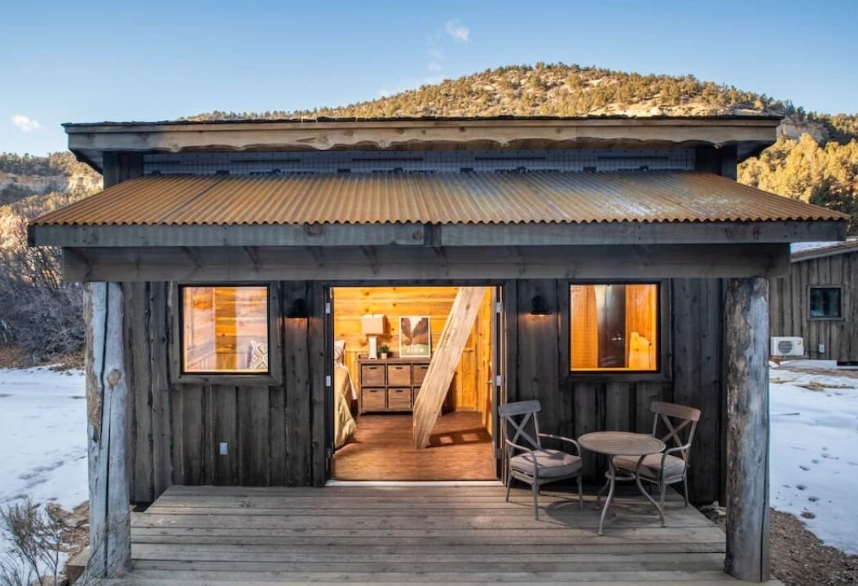
A Quick-Reference Table: Cabin Vibes by Major Park
To help you visualize the landscape, here's a blunt breakdown of what to expect at some of the most popular parks. This is based on the classic in-park options.
| National Park | Cabin Style & Vibe | Booking Difficulty | Key Thing to Know |
|---|---|---|---|
| Yellowstone | Mix of rustic old faithful cabins (some with shared baths) and more modern lodge rooms. The historic Old Faithful Inn rooms are an experience. | Extremely High | Book exactly 13 months out. Cancellation prowling is essential. Canyon Lodge has newer, nicer cabins. |
| Yosemite | Famous for the canvas-tent cabins in Curry/Housekeeping Camp (very basic). Also has historic Ahwahnee (majestic) and more standard motel-style rooms. | Extremely High | The tent cabins are more "glamping." They book instantly. Consider winter for better availability and a magical snowy scene. |
| Great Smoky Mountains | Very few in-park options (LeConte Lodge is hike-in only). The scene is all about the thousands of private rental cabins in Gatlinburg/Pigeon Forge. | Moderate (for private rentals) | You're choosing a vacation rental, not a park cabin. Read reviews carefully for road steepness and view accuracy. |
| Grand Canyon (South Rim) | Historic cabins near the rim (Bright Angel, Kachina) are prime real estate. Some are very updated. Others are charmingly old-school. | Very High for Rim cabins | Paying more for a "rim view" cabin is 100% worth it. Waking up to that view is unbeatable. |
| Zion | No traditional cabins inside the park. The Zion Lodge has hotel rooms. The cabin vibe is found in Springdale and surrounding areas. | High for Lodge, Moderate outside | Staying in Springdale lets you walk/bike to the park entrance, avoiding the shuttle stress in peak season. |
| Glacier | The historic lodges (Many Glacier, Lake McDonald) are the crown jewels. Cabins are often small, simple rooms in these iconic buildings. | Extremely High | It's all about the lodge common areas. The room is just where you sleep. Book the day bookings open or look for late September trips. |
Straight Answers to the Questions You're Actually Asking
Making the Choice: In-Park vs. Out-of-Park Cabin
So, how do you decide? Let's break it down simply.
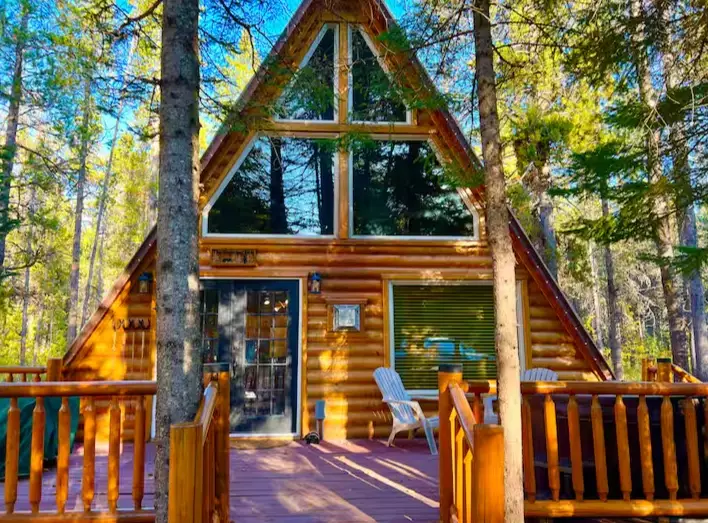
Choose an in-park national park cabin if: The immersive experience is your top priority. You want to maximize your time on trails and minimize driving. You're okay with fewer amenities and potentially higher cost for the location. You're booking far in advance or are a dedicated cancellation watcher.
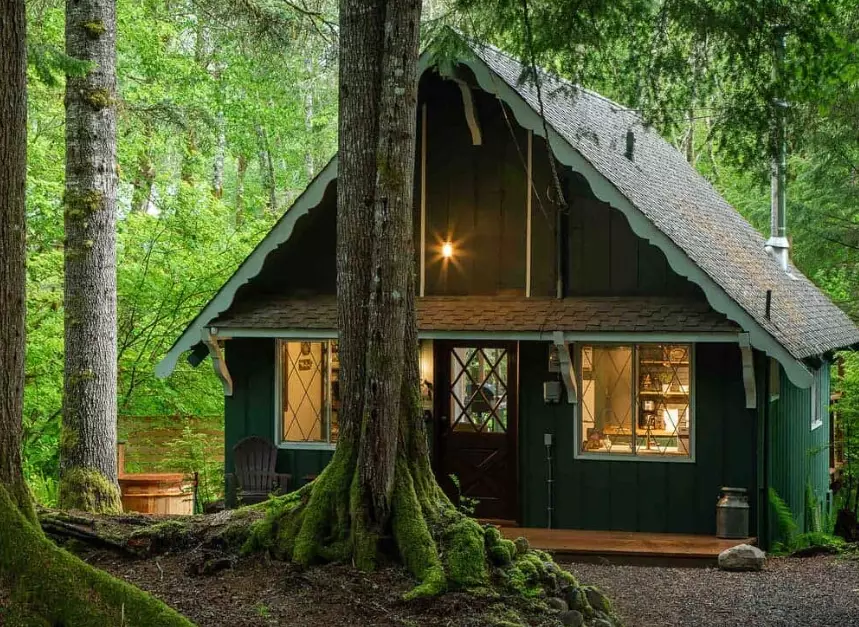
Choose a private cabin rental just outside the park if: You need more space (family, group). You want modern comforts (reliable Wi-Fi, hot tub, full kitchen). You're booking last-minute or on a tighter budget for accommodations. You don't mind a daily commute to experience the park.
There's no universally "right" answer. For a first-time, short trip to a iconic park like Yellowstone or the Grand Canyon, I'd push hard for an in-park cabin—it defines the trip. For a week-long family reunion near the Great Smoky Mountains, a big private rental with a game room and mountain views is probably the better call.
The bottom line? Start early, do your research on what "rustic" really means at your chosen park, pack your headlamp, and embrace the adventure. Snagging that perfect cabin is a victory, and staying in it is a story you'll tell for years.
Now go hit refresh on that booking page. Your cabin is waiting.