You’ve seen the videos. People clinging to colorful walls, solving puzzles with their bodies. It looks fun, maybe a bit intimidating. Where do you even start? I remember my first time walking into a climbing gym over a decade ago. The smell of chalk, the sound of soft-soled shoes, and a wall that seemed to stretch forever. I was hooked, and I’ve spent countless hours since then, both as a climber and occasionally helping new folks find their footing. This guide is everything I wish I’d known back then, stripped of the jargon and focused on what you actually need to know.
What You'll Find in This Guide
Finding and Choosing Your First Climbing Gym
Not all climbing gyms are created equal, especially for a newcomer. A bad first experience can turn you off for good. Here’s how to pick the right one.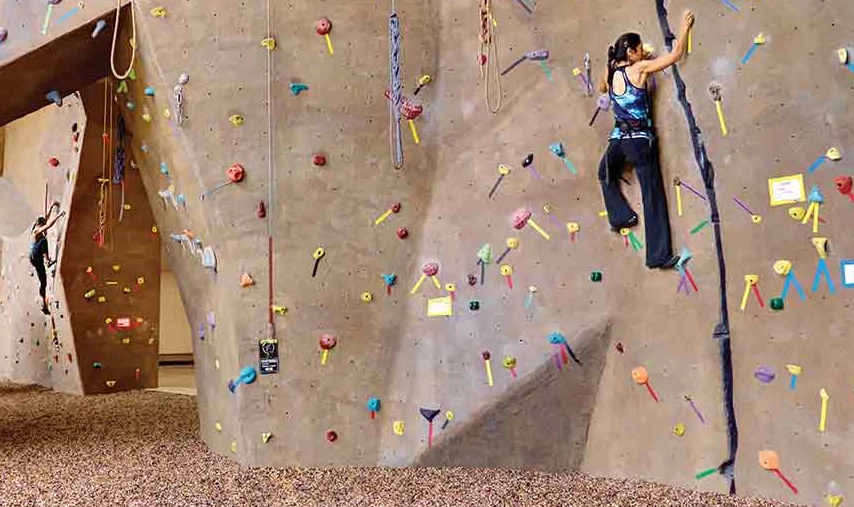
First, search for "climbing gym near me" but look beyond the map. Check their website. Do they have clear information for first-timers? A good gym will have a dedicated "First Visit" or "Beginner" page outlining their process, prices, and any required orientation. Many require a short safety briefing before you can climb—this is a sign they care.
Look at the types of climbing they offer. Most modern gyms have two main areas:
| Type of Wall | What It Is | Best For Beginners? |
|---|---|---|
| Bouldering Walls | Shorter walls (12-15 feet) with thick crash pads below. No ropes or harnesses. Problems are shorter sequences called "problems." | Yes. It’s the easiest to try alone. You only need shoes. It’s social and great for learning movement. |
| Top-Rope Walls | Taller walls where you wear a harness and are secured by a rope from above. Requires a partner to belay (manage the rope). | Great, but needs a buddy or class. You’ll need a partner who knows how to belay, or you can take an intro class where the gym provides one. |
Call them or visit during off-peak hours (weekday mornings are great). Ask: "Do you have an introductory package for someone who's never climbed before?" Gyms often have a "Day Pass + Shoe Rental + Intro Class" bundle. Prices vary, but expect $25-$40 for a full first-time setup.
Check the community vibe. Read Google or Yelp reviews for words like "friendly staff," "welcoming," and "helpful to beginners." A gym with a cliquey, intense atmosphere can be off-putting. The best gyms have staff who are visibly engaged, walking the floor, offering unsolicited beta (advice on a climb) in a friendly way.
Pro Tip: Many gyms offer discounted rates on specific nights (like student night or ladies' night). It’s a cheaper way to try it out and often attracts a more casual crowd.
Essential Gear for Your First Climbing Session
You don’t need to buy a thing for your first visit. Really. Gyms rent everything. But knowing what you’re getting into helps.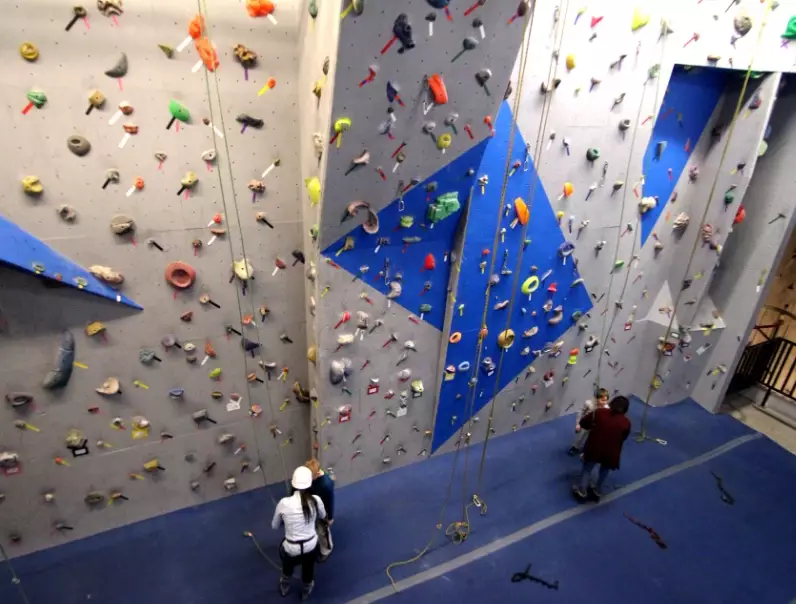
Climbing Shoes: These are the only truly specialized item. They’re tight, with a sticky rubber sole that smears on holds. Rental shoes are often worn out and stretched. They might be uncomfortable. That’s normal. Don’t judge the sport by rental shoes. If you buy your first pair later, expect to spend $80-$120. They should be snug but not painfully tight—a common mistake is buying them too small because "that’s how they’re supposed to feel."
Harness: If you’re doing top-rope or lead climbing, you’ll need one. The gym staff will show you how to put it on correctly. The leg loops go around your legs, the waist belt sits on your hips (not your waist). Triple-check that the buckle is doubled back.
Chalk and a Chalk Bag: Chalk (magnesium carbonate) absorbs sweat and improves grip. You’ll see everyone using it. A chalk bag clips to the back of your harness. You can usually rent a bag with chalk, or buy a small block for a few dollars.
Clothing: Wear what you’d wear to a yoga or gym session. Flexible, breathable, and non-restrictive. Avoid baggy pants or long loose shirts—they get in the way. For women, a secure sports top is key. That’s it.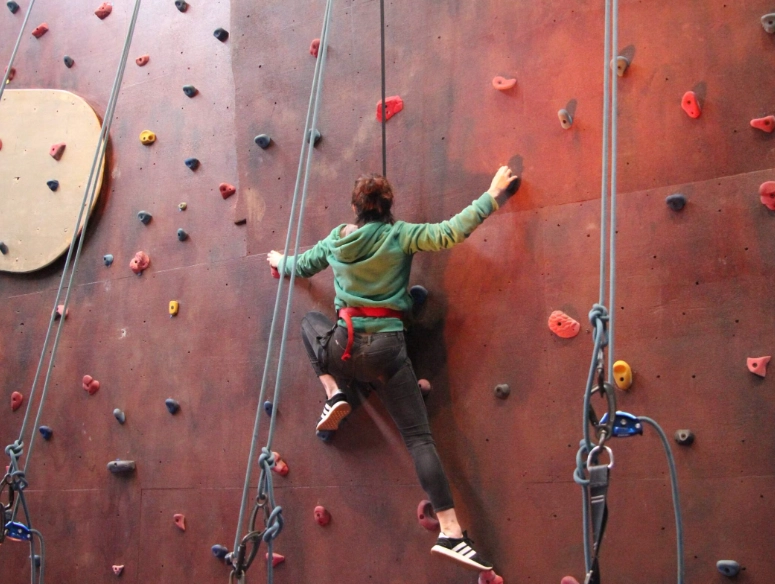
Mastering Basic Climbing Techniques and Etiquette
Climbing is more about your legs and your brain than your arms. This is the first major mindset shift.
Footwork is Everything
Look at your feet. Place them deliberately on holds. Use the inside edge of your shoe, not just the toe. Try to stand up on your legs, rather than pulling with your arms. A good drill is to climb an easy route trying to make no sound with your feet—it forces control.
Use Your Arms for Balance, Not Power
Keep your arms straight when you can. Bent arms fatigue quickly. Think of hanging from a straight arm versus doing a constant pull-up. It’s a world of difference in endurance.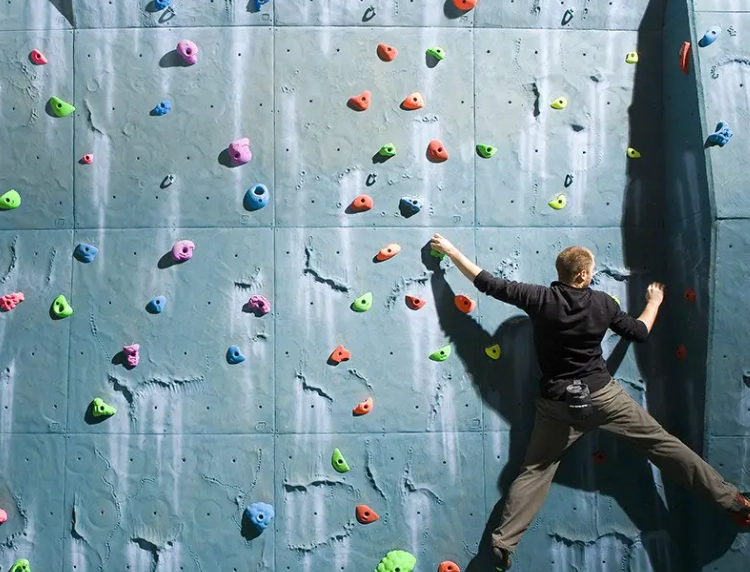
Gym Etiquette: The Unwritten Rules
This keeps everyone safe and happy.
- Look before you leap: In the bouldering area, always check the landing zone is clear before you start a problem. Check above you for someone who might fall.
- Don’t spray beta: Don’t give unsolicited advice on how to do a climb. Ask first: "Would you like a tip?" Some people want to figure it out themselves.
- Share the wall: Don’t camp under a route someone is clearly working on. Take your turn.
- Downclimb when possible: Try to climb down the easiest part of the wall instead of jumping off from the top. Your knees will thank you in 20 years.
Safety First: If you’re top-roping, you and your belayer must perform a partner check every single time. You check their harness and knot, they check yours. No exceptions. This simple habit prevents almost all ground-fall accidents.
Common Beginner Mistakes and How to Avoid Them
I’ve seen these patterns a thousand times. Avoiding them will accelerate your progress dramatically.
1. The Death Grip: You grab every hold like it’s trying to escape. Your forearms pump up and fail in 10 minutes. Solution: Consciously relax your grip between moves. Only squeeze as hard as you need to stay on. Trust your feet.
2. Ignoring Rest Positions: On a route, there are often good holds where you can stop, shake out your arms, and plan your next moves. Beginners often rush past them. Solution: As you climb, actively look for a hold where you can stand comfortably with straight arms. Breathe.
3. Climbing with Only Your Arms: This is the big one. You see someone doing a pull-up on every hold. It’s exhausting. Solution: Before you move your hand, move your foot up. Then stand up on that foot. Your hand should follow to a higher hold almost effortlessly. Practice this on easy routes until it’s automatic.
A coach once told me, "Climb like a lazy person." He meant be efficient. Use the big muscles. Let your skeleton hold you up. It changed my game.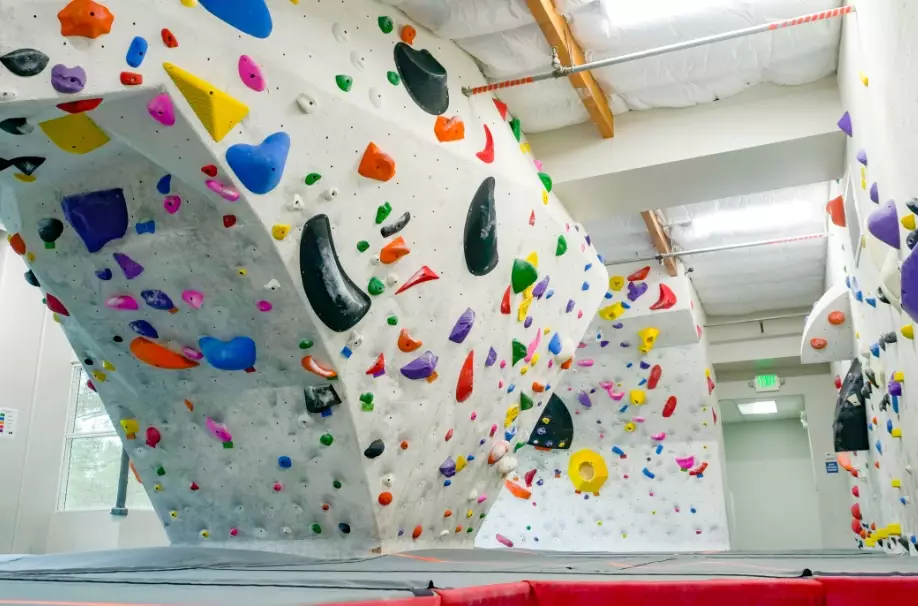
Taking Your Climbing to the Next Level
So you’ve been a few times and you’re hooked. What now?
Take a Fundamentals Class: Most gyms offer them. It’s worth the money. A good instructor will correct your footwork, teach you basic techniques like flagging (balancing with a leg out to the side), and introduce you to the grading system (V-scale for bouldering, 5.x for roped climbing).
Get Your Own Shoes: Once you know you’ll keep going, invest in entry-level shoes. The improvement in sensitivity and performance over rentals is night and day.
Learn to Belay: If you want to rope climb with friends, take the gym’s belay certification course. It’s a crucial safety skill and opens up the taller walls.
Join the Community: Climbing is inherently social. Talk to people working on the same problem as you. Ask for advice. Many gyms have social climbing nights or meet-up groups. The community is one of the sport’s greatest assets—knowledgeable, supportive, and generally stoked to see new people get into it.
Remember, progress isn’t linear. Some days you’ll feel weak, others you’ll surprise yourself by sending a problem that stumped you for weeks. The point is to move, solve puzzles, and have fun. The fitness and strength are just fantastic side effects.