I still cringe thinking about my first fishing trip to Yellowstone. I drove eight hours, packed my favorite gear, and then got turned away at the ranger station because I didn't have the right permit. That mistake cost me a day of fishing and taught me a hard lesson: national parks fishing isn't just about casting a line—it's about knowing the rules, spots, and nuances that most guides gloss over. If you're looking to fish in these protected areas, this guide will save you from my blunders.
Your Fishing Trip Blueprint
Why National Park Fishing is Worth the Effort
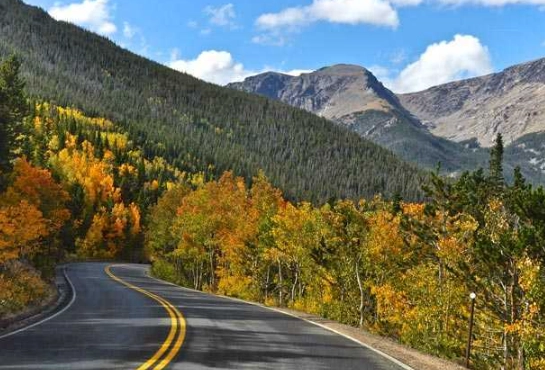
Fishing in national parks isn't just another angling trip—it's an escape into pristine waters where you might hook a wild trout with no one else around. The scenery alone, from the geysers of Yellowstone to the mangroves of Everglades, makes it unforgettable. But here's the kicker: these ecosystems are fragile. The National Park Service manages fishing to balance recreation with conservation, so you're part of something bigger. I've seen anglers get frustrated by the rules, but once you understand why they exist, it adds depth to the experience.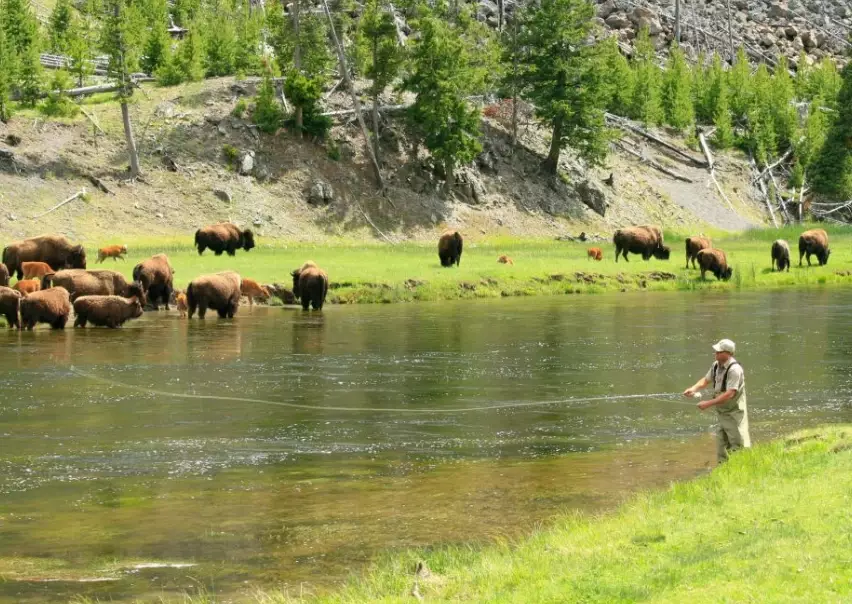
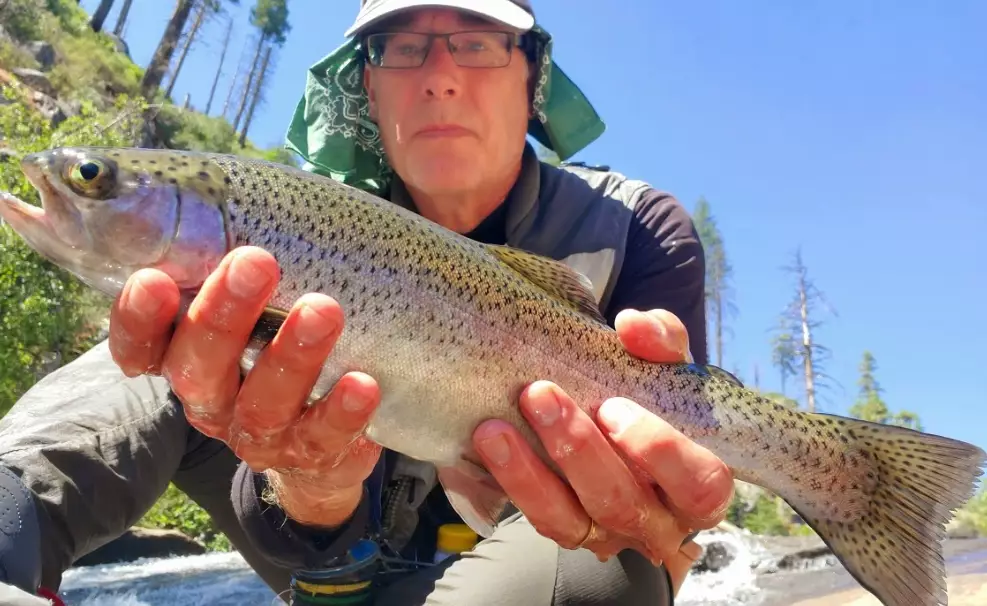
Take Glacier National Park. The fishing there is challenging because of strict catch-and-release policies, but that's what keeps the native cutthroat trout thriving. It's not about filling a cooler; it's about connecting with nature in a way that's sustainable. If you're after a trophy photo, go elsewhere. But if you want raw, untamed fishing, this is it.
Top 5 National Parks for Fishing (With Details)
Based on my trips over the past decade, here are five parks where the fishing stands out. I've included practical info so you can plan without guesswork.
| Park Name | Address/Region | Best Fishing Season | Permit Required | Key Species | Entrance Fee |
|---|---|---|---|---|---|
| Yellowstone National Park | Wyoming, Montana, Idaho | July to September | Yellowstone Fishing Permit ($18 for 3 days) | Cutthroat Trout, Grayling | $35 per vehicle (7-day pass) |
| Everglades National Park | Florida | November to April | Florida Saltwater Fishing License | Snook, Redfish, Tarpon | $30 per vehicle (7-day pass) |
| Rocky Mountain National Park | Colorado | June to October | Colorado Fishing License | Greenback Cutthroat, Brook Trout | $30 per vehicle (1-day pass) |
| Acadia National Park | Maine | May to October | Maine Fishing License | Striped Bass, Mackerel | $30 per vehicle (7-day pass) |
| Olympic National Park | Washington | Spring and Fall | Washington Fishing License | Steelhead, Salmon | $30 per vehicle (7-day pass) |
Yellowstone is my top pick because of its diversity—you can fish in rivers, lakes, and even near geysers. But don't overlook Everglades for saltwater action. I once spent a day there with a local guide who showed me hidden channels where tarpon roll at dawn. The key is to match the park to your style. If you're a fly-fishing purist, Rocky Mountain's streams are heaven. For family trips, Acadia offers easy shore access.
Traffic can be a nightmare in peak season. At Yellowstone, I arrived at 5 AM to secure a spot at the Madison River, and it was already half-full. Consider visiting on weekdays or in shoulder seasons. The National Park Service website has real-time updates on crowd levels—use it.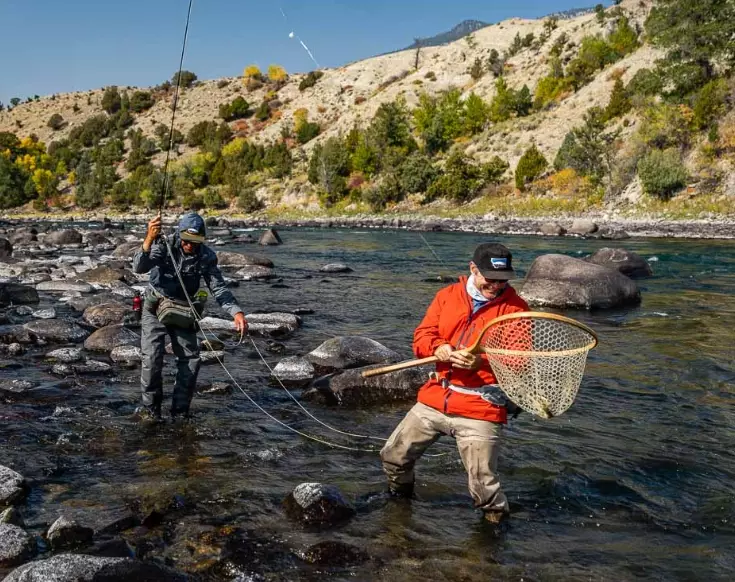
Essential Gear: What to Pack and What to Skip
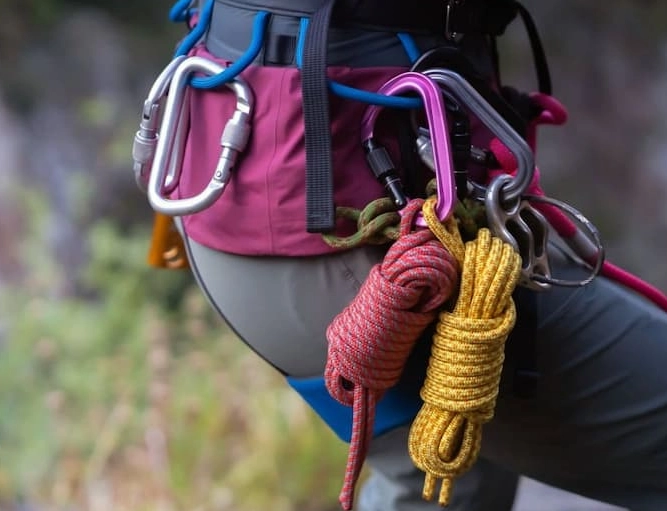
Packing for national parks fishing is a balancing act. You need enough gear to handle varied conditions, but overpacking will weigh you down on hikes. Here's my tried-and-true list, refined from years of trial and error.
Must-Haves:
- A versatile rod and reel combo: I use a 6-weight fly rod for most parks, but for saltwater like Everglades, bring a heavier spinning rod.
- Artificial lures and flies: Many parks ban live bait to prevent invasive species. Pack a mix of streamers, nymphs, and topwater lures.
- Waders and boots: Essential for cold streams. I learned this the hard way in Glacier—wet feet ruined my day.
- Permit and license: Keep them on you; rangers do check. I laminate mine to avoid water damage.
- First-aid kit and bear spray: In bear country like Yellowstone, this isn't optional. I've had a close encounter, and spray saved me.
What to Leave Behind:
- Extra heavy tackle: Unless you're targeting specific big fish, it's dead weight. In most park waters, light gear works better.
- Live bait containers: They're often prohibited and attract wildlife. I've seen anglers fined for this.
- Cotton clothing: It holds moisture and chafes. Go for quick-dry materials.
I made a mistake once by bringing a fancy electronic fish finder to a remote lake in Olympic. The battery died, and it was useless. Stick to basics—your eyes and local knowledge are more reliable.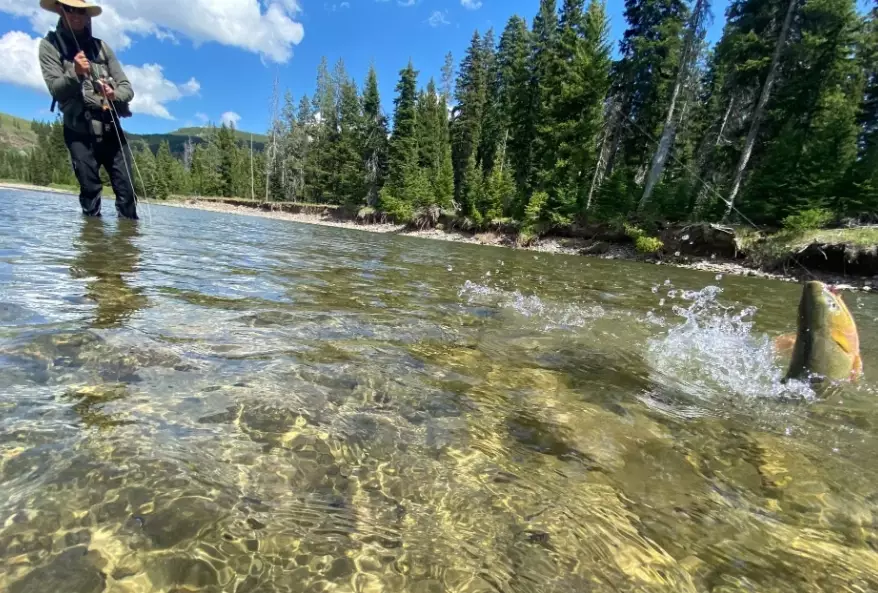
Gear Adjustments for Specific Parks
In Everglades, saltwater corrosion is a real issue. Rinse your gear after each use. For Rocky Mountain, pack extra tippet material—the rocks are abrasive and break lines easily. I go through more tippet there than anywhere else.
Navigating Regulations and Permits
This is where most anglers trip up. Regulations vary wildly between parks, and assuming one-size-fits-all will get you in trouble. Let's break it down.
First, permits. Most national parks require a state fishing license, but some add park-specific permits. For example, Yellowstone's permit is separate from Wyoming's license. You can buy it online or at visitor centers. I always buy online to save time—the NPS portal is straightforward.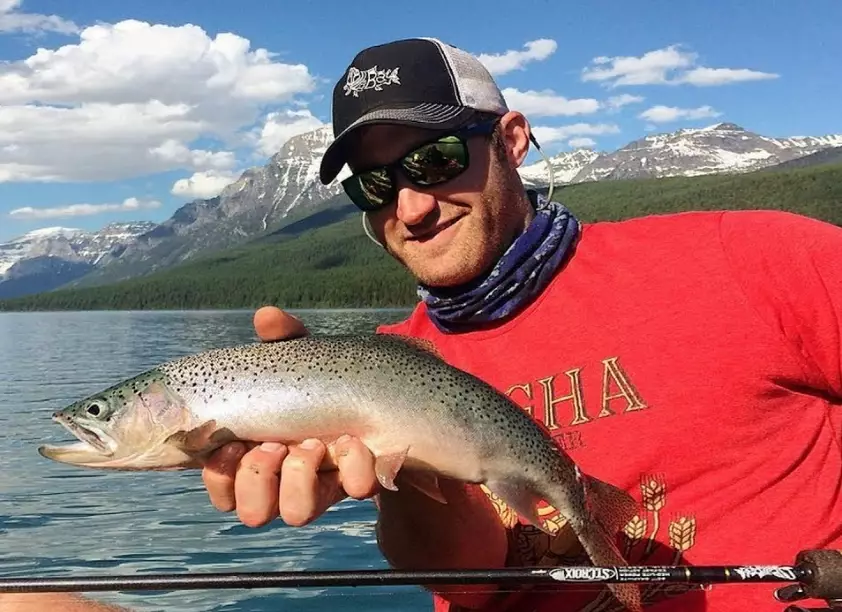
Second, rules on bait and catch limits. In many parks, catch-and-release is mandatory for native species. At Rocky Mountain, you can keep non-native brook trout, but greenback cutthroat must be released. Check the park's fishing brochure; it's usually a free PDF download. I print it and highlight key points.
Third, seasonal closures. Some waters close during spawning seasons. In Acadia, certain streams are off-limits in spring to protect salmon runs. I missed this once and had to change plans last minute. Now, I call the park's fishing hotline ahead of time.
A common misconception is that national parks have lax rules. They don't. Fines can be steep—I've seen people pay $200 for using illegal bait. The rangers aren't trying to ruin your fun; they're protecting ecosystems. Embrace it as part of the adventure.
Pro Tips from a Seasoned Angler
After a decade of fishing in parks, I've picked up tricks that most guides don't mention. Here are a few that'll boost your success.
Timing is Everything: Fish early or late. In summer, midday heat drives fish deep. At Yellowstone, I've had my best catches at dawn, when the mist rises off the Firehole River. Also, target weekdays—crowds thin out, and fish are less spooked.
Local Intel: Don't just rely on online forums. Stop by the park's visitor center and chat with rangers. They'll point you to underfished spots. In Olympic, a ranger told me about a hidden creek that's packed with steelhead—it's not on any map.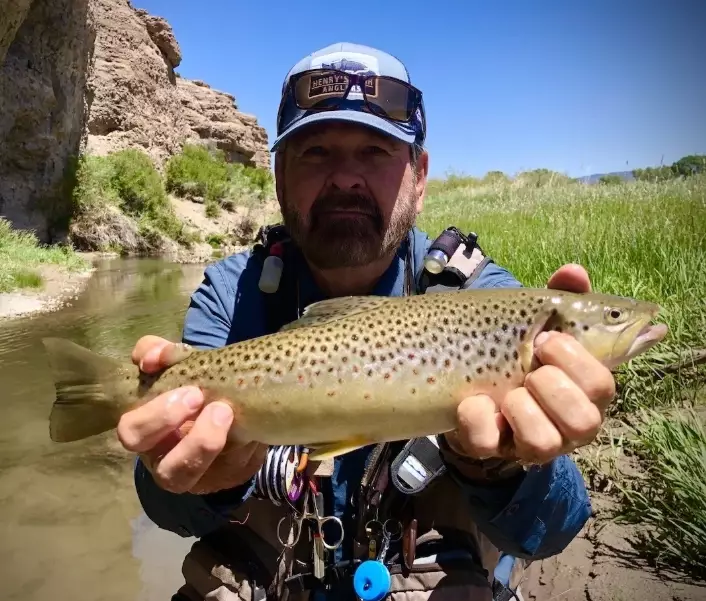
Respect the Environment: Pack out all trash, including fishing line. I carry a small bag for waste. And handle fish gently for catch-and-release; wet your hands first to protect their slime coat. I've seen too many anglers mishandle trout, reducing survival rates.
Weather Watch: Mountain weather shifts fast. In Rocky Mountain, I got caught in a hailstorm that came out of nowhere. Now, I always check the forecast and pack a rain jacket. Hypothermia is a real risk in cold waters.
One more thing: patience. National parks fishing isn't about instant gratification. I've spent hours without a bite, only to hook a massive cutthroat as the sun sets. It's about the journey, not just the catch.
Your Questions Answered