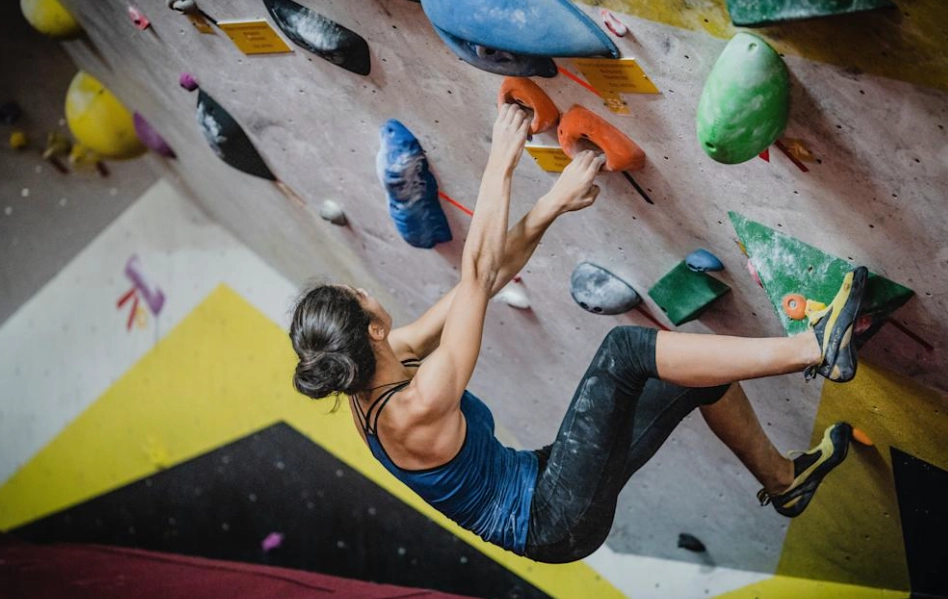
I remember my first time. My hands were sweaty, my forearms burned after just a few moves, and I was convinced everyone was watching me fail. That was fifteen years ago. What I thought was just a physical test turned out to be a three-dimensional chess game played with your whole body and mind. So, what is rock climbing? At its core, it's the act of ascending natural rock formations or artificial climbing walls. But that definition sells it short. It's a full-body puzzle, a meditation in motion, and a community built on trust and shared struggle. It's not about being the strongest; it's about being the smartest mover.
Your Quick Route to the Top
What Rock Climbing Really Is (Beyond the Definition)
Forget the dictionary. Rock climbing is problem-solving with your fingertips and toes. Every route, or "problem," is a sequence of moves. Your job is to decode it. Where is the center of my balance? Should I push with my leg or pull with my arm? Can I rest here?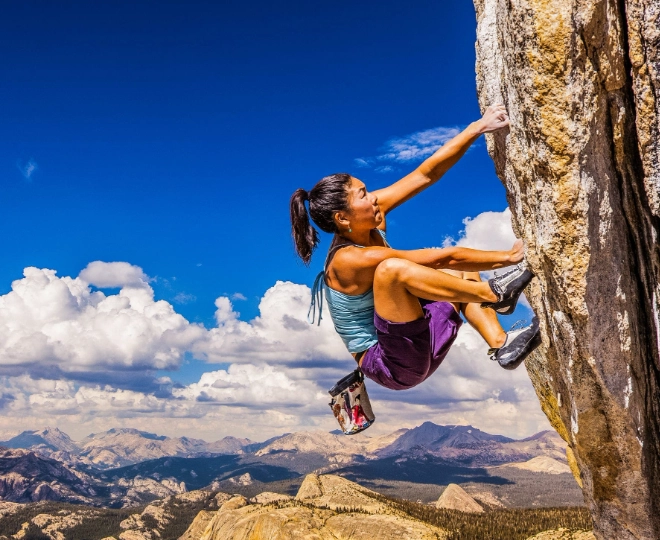
It engages everything. Your legs are your primary engines. Your core keeps you glued to the wall. Your fingers and forearms provide the crucial connection. And your brain is the commander, constantly planning two moves ahead.
There's also a profound mental layer. It teaches you to manage fear, especially exposure on higher walls. You learn to trust your equipment, your partner (your "belayer"), and your own abilities. A successful climb delivers a hit of pure, earned satisfaction that's hard to match. It's not a race against others; it's a personal conversation between you and the wall.
A quick note from experience: The climbing community is famously welcoming. Don't let the seasoned veterans with their fancy gear intimidate you. Ask questions. Most climbers love talking about beta (the sequence of moves for a route) and are happy to encourage a newcomer. I've made some of my closest friends at the crag or in the gym.
The Main Types of Rock Climbing: Finding Your Style
Not all climbing is the same. The style you choose dictates the gear, the environment, and the mindset. Here’s the breakdown you won't get from a generic list.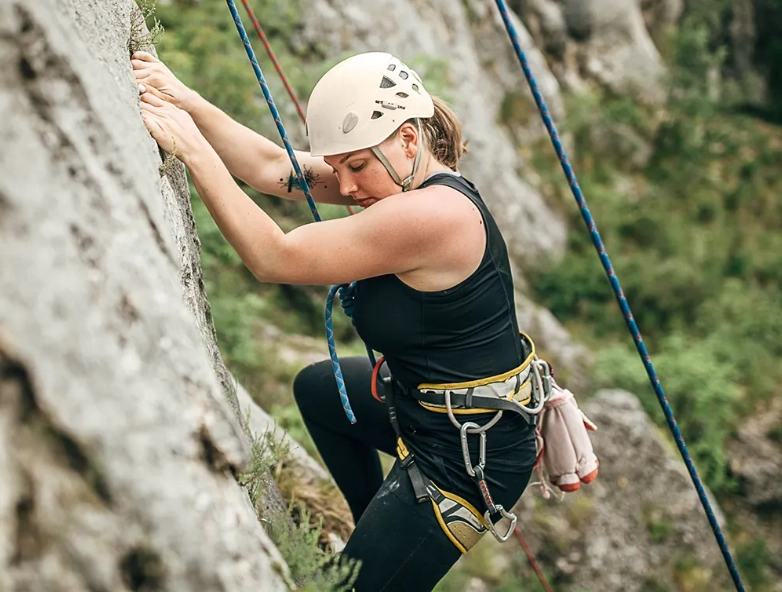
Bouldering: The Pure Puzzle
No ropes, no harnesses. Just you, climbing shoes, chalk, and a thick crash pad below. Bouldering problems are short (usually under 20 feet) but intensely technical. It's about power, dynamic moves, and complex sequences. This is the best entry point for most. You can go alone, you need minimal gear, and it's a social, gym-based activity. The American Alpine Club notes the massive growth in bouldering as a gateway to the sport.
Top-Rope Climbing: The Classic Introduction
This is what most people picture. The rope is already anchored at the top of the route. As you climb, a partner on the ground manages the rope through a belay device, catching you if you fall. The fall distance is minimal. It's the safest way to experience height and focus purely on movement. Every commercial gym sets up top-rope routes, making it the standard beginner lesson.
Sport Climbing: The Next Step in Independence
Here, you become the anchor. As you ascend, you clip your rope into permanent bolts drilled into the rock (or wall) using quickdraws. Your belayer still catches falls, but if you fall before clipping the next bolt, you'll drop twice the distance to your last clip. It adds a psychological game of commitment and risk management. This is the most popular form of outdoor roped climbing.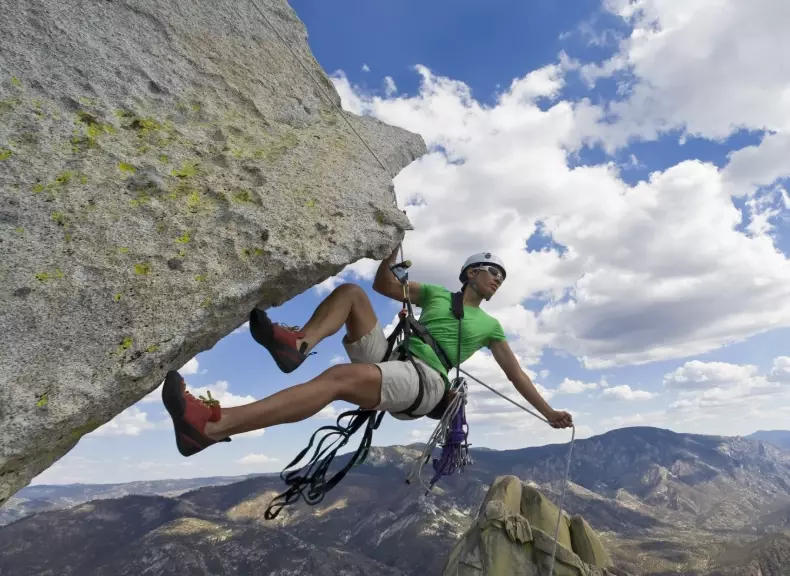
Trad (Traditional) Climbing: The Ultimate Test
The purist's game. Instead of clipping bolts, you place your own removable gear (cams, nuts) into cracks and features in the rock. You then clip your rope to this gear. It requires a deep understanding of rock types, gear placement, and anchor building. The consequence of error is higher, and the mental load is immense. This is not for beginners, but it's the historical heart of the sport in places like Yosemite.
| Type | Gear Needed | Best For | Typical Environment | Risk/Focus |
|---|---|---|---|---|
| Bouldering | Shoes, Chalk, Crash Pad | Problem-solving, Power, Social | Gym, Outdoor Boulder | Short falls / Movement |
| Top-Rope | Harness, Shoes, Rope, Belay Device | Learning basics, Overcoming fear of height | Gym, Crag with top anchors | Very Low / Technique & Endurance |
| Sport Climbing | Harness, Shoes, Rope, Quickdraws, Belay Device | Adventure, Mental fortitude, Outdoor progression | Bolted outdoor crags | Managed / Strategy & Courage |
| Trad Climbing | Full rack of gear, Harness, Shoes, Rope | Self-reliance, Adventure, Technical mastery | Crack systems, Alpine terrain | High / Judgment & Skill |
How to Start Rock Climbing: Your First Session Plan
Thinking about trying it? Here's a concrete, step-by-step plan that skips the fluff.
Step 1: Find a Local Gym. Search "rock climbing gym near me." Look at their website. Do they offer an introductory package or a beginner lesson? Most do. This package usually includes gear rental, a safety briefing, and a belay lesson if you're doing roped climbing. Don't just show up without a plan—book the intro session.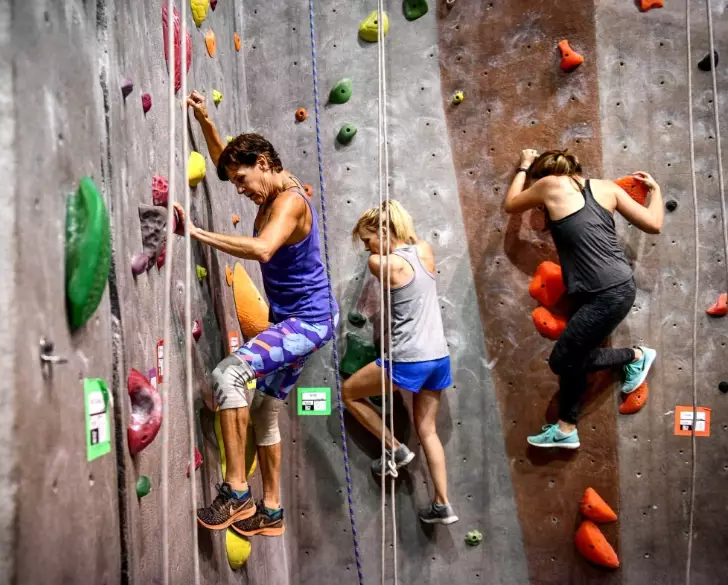
Step 2: What to Wear and Bring. Wear comfortable, flexible clothing you can move in (like gym wear). Avoid baggy pants that might get caught. Bring socks for the rental shoes (they can be... aromatic). A water bottle is essential. That's it. The gym provides the harness, shoes, and chalk bag for your first time.
Step 3: The First-Hour Breakdown.
- Check-in & Waiver: You'll sign the standard liability form.
- Gear Up: A staff member will fit you with a harness and shoes. Climbing shoes should be snug—not painful, but with no empty space. Your toes will be at the front.
- The Safety Briefing: Pay attention. They'll cover gym rules: don't walk under climbers, how the bouldering fall zones work, etc.
- For Roped Climbing: You'll get a belay lesson. You and a partner will learn to tie a figure-8 follow-through knot and use a belay device. You'll practice catching each other on a low wall until the staff certifies you.
Step 4: Start Climbing. Look for routes marked with a "V0" or "5.5" rating—these are the easiest. Don't just pull with your arms. Look at your feet. Place them deliberately on holds. Try to keep your arms straight to conserve energy. It's okay to fall or come down. Everyone does.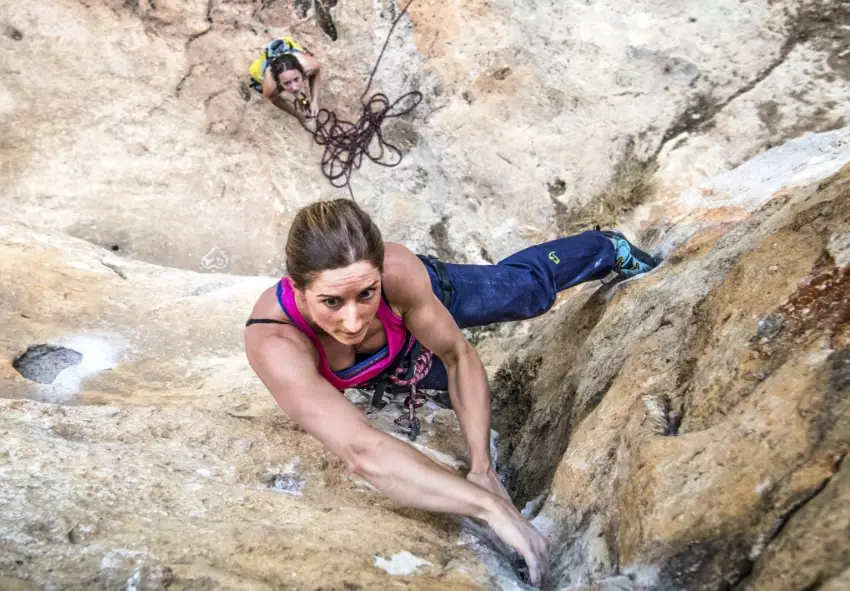
A common mistake I see? Beginners try the same hard move ten times in a row until their arms are shot. Instead, try three different routes, then come back to the hard one. You'll learn more by moving your body in varied ways.
Climbing Safety & Gym Etiquette: The Unwritten Rules
Safety is non-negotiable. Etiquette is what keeps the community friendly.
The Partner Check (for roped climbing): Before every single climb, you and your belayer MUST perform a check. It's a ritual. "Harness buckled? Knot tied? Belay device threaded?" Say it out loud while checking each other's gear. This one habit prevents the vast majority of accidents.
Bouldering Fall Zone: In the bouldering area, look before you step onto the mats. Is someone else climbing above? Wait. When you fall, try to land on your feet, roll onto your back, and keep your arms in. Don't reach out to break your fall—you'll risk a wrist or shoulder injury.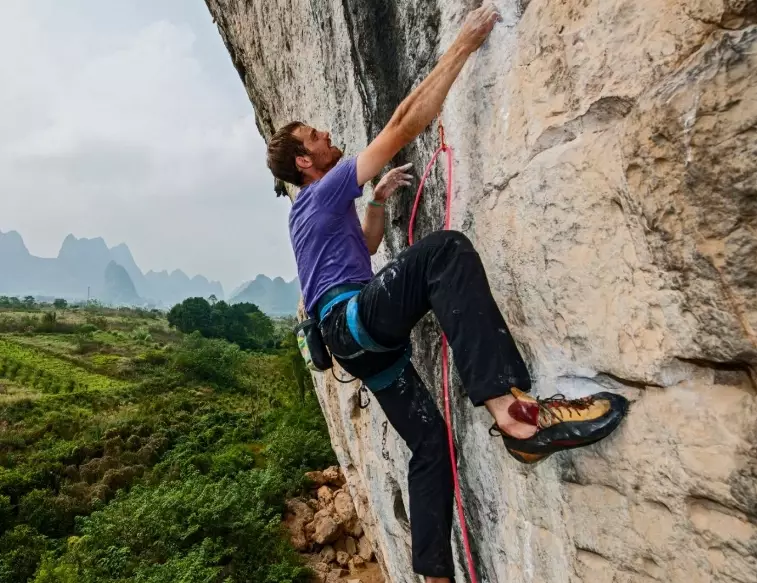
Gym Etiquette 101:
- Don't Beta Spray: Don't shout unsolicited advice to someone working on a problem. Ask first: "Want some beta?"
- Share the Wall: Don't camp under a route someone is clearly projecting. Take your turn.
- Chalk Management: Don't clap clouds of chalk into the air. Keep it in your bag.
- Headphones: One earbud in is common. Keep one ear free for communication, especially if belaying.
Common Beginner Myths and Costly Mistakes
Let's clear the air on some stuff that's just wrong.
Myth 1: "I need huge arms." Debunked above. Legs and core are king.
Myth 2: "It's too expensive." Initial costs are low. Gym day pass + rental: ~$25. Compare that to a day of skiing or golf. The expense comes later with personal gear and travel to outdoor spots.
Myth 3: "Climbing will destroy my hands."** Yes, your skin will get tough and you might get flappers (torn calluses). But proper skin care—filing calluses, using climbing-specific salve like Climb On!—keeps your hands in good shape. The real danger is overdoing it and developing tendonitis in your fingers. Listen to your body. If a joint aches, take a rest day.
Costly Mistake: Buying Gear Too Early. Don't walk into a store and buy a rope, harness, and shoes on day one. Rent for a month. Then, invest in shoes first. Go to a store with knowledgeable staff who can fit you properly. A bad shoe fit will make you miserable and hinder your progress more than anything else.
Where to Go From Your First Climb
You've caught the bug. What now?
1. Join a Gym Membership. It's the most cost-effective way to climb regularly and build foundational strength and technique.
2. Take a Skills Course. Most gyms offer "Lead Climbing" or "Outdoor Transition" courses. This is the safest way to learn to sport climb or prepare for outdoor bouldering.
3. Connect with the Community. Gyms often have "social climb" nights or meet-up groups. Mountain Project is the dominant online forum and guidebook resource for North America. Find partners there.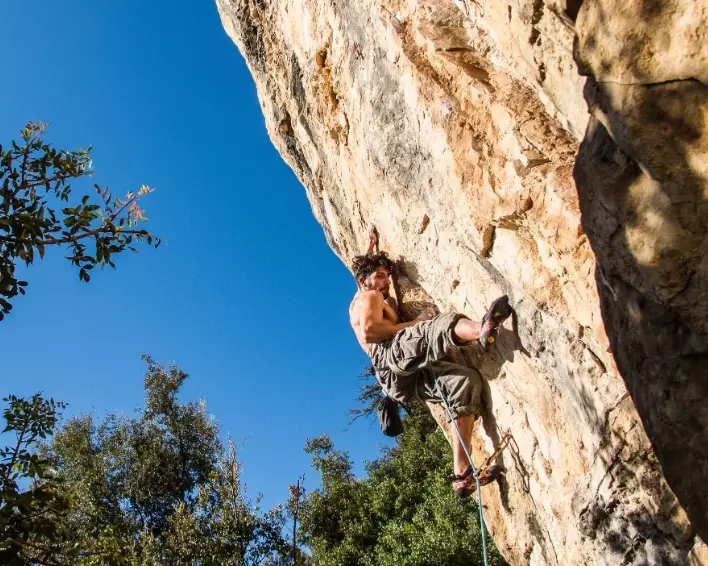
4. Plan Your First Outdoor Trip. Don't go alone. Go with an experienced friend or hire a certified guide from the American Mountain Guides Association (AMGA). A guide will teach you about outdoor ethics (like Leave No Trace), local regulations, and how to navigate the very different environment of real rock.
Rock climbing starts as a question—"Can I do this?"—and becomes a lifelong conversation with gravity, fear, and your own potential. It's not about conquering the rock. It's about collaborating with it to find a way up. That first hold is waiting.