I remember standing at the base of an indoor climbing wall for the first time. The colors were bright, the holds looked like weird alien mushrooms, and everyone else seemed to know exactly what they were doing. I felt completely out of my depth. Should I just jump on and try to figure it out? A friend, who saw the panic probably written all over my face, gave me the best advice: "Dude, just take a class." That simple suggestion opened up a whole new world. If you're hovering on that same edge, wondering how to start, you're in the right place. Let's cut through the noise and talk about how to find a climbing course that won't just teach you the ropes (literally), but will make you fall in love with the sport.
Quick Guide
You see, searching for "climbing courses" can be surprisingly overwhelming. The results range from casual two-hour taster sessions at your local gym to intensive multi-day outdoor expeditions. How do you know which one is for you? Is it worth the money? What should you even look for? We're going to unpack all of that, step by step, without any fluff.
Why Bother With a Formal Climbing Course Anyway?
Can't you just go with a friend who climbs? Sure, you could. But let me be straight with you—that's how a lot of bad habits and, more importantly, close calls happen. Climbing is incredibly fun, but it's not without its risks. The core systems—belaying, knot-tying, anchor setup—are what keep you safe. Getting them wrong isn't like messing up a golf swing; the consequences are real.
A structured climbing course does a few critical things that winging it doesn't. First, it builds a safety-first foundation from the ground up. A certified instructor will drill the protocols until they become muscle memory. Second, it accelerates your learning. Instead of fumbling for footholds for months, you'll learn efficient movement techniques early on, which makes the whole experience more enjoyable and less frustrating. Finally, a good course connects you with a community. You'll meet other beginners, share the struggle and the triumph, and often get ongoing support from the gym or guide service.
The Ultimate Checklist for Choosing Your Climbing Course
Not all climbing courses are created equal. Picking the wrong one can leave you bored, intimidated, or worse, under-prepared. Here’s what you need to scrutinize before you hand over your credit card.
Pin Down Your "Why"
This is the most important step. Are you looking for a fun Saturday activity with your partner? Do you dream of standing on top of a real rock face? Or do you just want a new way to get fit? Your goal dictates everything. A one-off "Intro to Bouldering" class is perfect for the curious dabbler. But if your heart is set on outdoor top-roping, you need a more comprehensive program that covers outdoor-specific skills and safety. Be honest with yourself. Are you a thrill-seeking adventurer or a safety-first cautious type? There's a course for both personalities.
Instructor Credentials: The Non-Negotiable
This is where you shouldn't compromise. Anyone can call themselves a climbing instructor. You want to see verifiable certifications. In the United States, look for instructors certified by the American Mountain Guides Association (AMGA). The AMGA sets the industry standard for guide training and certification, with rigorous programs for Rock, Alpine, and Ski Mountaineering Guides. For indoor instruction, many reputable gyms have in-house trainer certification programs, but an AMGA-certified Rock Instructor or Single Pitch Instructor is a gold-standard sign of quality and knowledge. Don't be shy about asking for credentials; any professional will be happy to share them.
Course Content and Structure
Read the syllabus carefully. A solid beginner climbing course should transparently cover these core modules:
- Gear 101: How to use a harness, helmet, climbing shoes, belay device, and carabiners. Not just how to wear them, but how to inspect them.
- Knot Craft: The figure-eight follow-through should become your best friend. You'll also learn stopper knots and maybe a clove hitch.
- Belaying Fundamentals: This is the life-saving skill of managing the rope for your partner. Top-rope belay technique is the absolute priority, including commands, paying out/taking in rope, and catching a fall.
- Movement Basics: This is the fun part! Using your legs, finding balance, and basic footwork. This is often where people realize climbing is more like vertical yoga than just pulling hard.
- Gym Culture & Safety: Understanding the rules of the climbing area, how to fall safely in a bouldering zone, and general etiquette.
If a course description is vague and just says "learn to climb," be wary. Look for one that details what you'll actually be doing.
The Venue: Indoor Gym vs. Outdoor Crag
This is a major fork in the road. Both are fantastic, but they offer very different experiences, especially for your first foray. Let's break it down.
| Factor | Indoor Climbing Courses | Outdoor Climbing Courses (Intro Level) |
|---|---|---|
| Environment | Controlled, weather-proof, predictable. Great for pure skill focus. | Unpredictable, subject to weather, sun, and wind. Teaches adaptability. |
| Learning Focus | Core techniques, belaying, gym protocols. Often more movement-centric. | All the basics PLUS outdoor-specific skills: natural anchor assessment, outdoor etiquette (Leave No Trace), dealing with rock features. |
| Gear Provided | Usually all gear is included (shoes, harness, belay device). | Technical gear is provided, but you often need personal items like sturdy shoes, water, layers. |
| Accessibility | Located in urban/suburban areas. Easy to fit into a schedule. | Requires travel to a climbing area. Usually a full-day or weekend commitment. |
| My Personal Take | Perfect for building confidence and muscle memory in a safe space. Less intimidating for total newbies. | More immersive and "real." The sense of accomplishment is huge, but the learning curve can be steeper. |
My recommendation? For 95% of absolute beginners, starting with indoor climbing courses is the smart move. It lets you master the fundamental safety systems without the added variables of weather, unfamiliar rock, and longer approaches. Once you're comfortable belaying and moving indoors, an outdoor intro course will make so much more sense and be far more rewarding.
Group Size, Cost, and Vibe
A class with 15 people is a very different experience from one with 4. Smaller ratios mean more personalized feedback. Ask about the student-to-instructor ratio. Cost varies wildly—from $50 for a basic intro to $300+ for a full-day private guide. Generally, you get what you pay for. Finally, try to gauge the vibe. Read reviews. Does the school or gym seem welcoming to beginners, or is it geared toward hardcore athletes? A supportive environment makes all the difference when you're feeling awkward in a harness for the first time.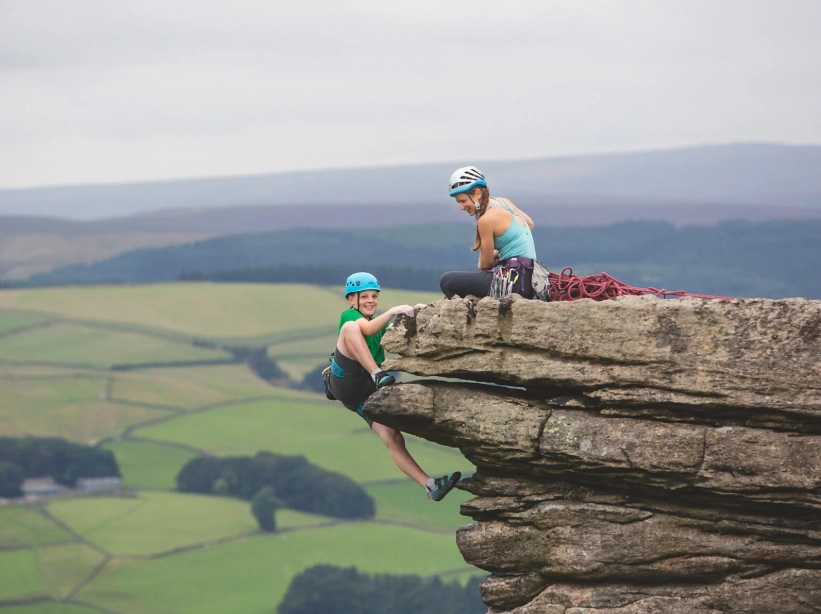
Quick-Fire Decision Helper
Stuck between two options? Ask yourself:
1. Which description gets me genuinely excited, not just nervous?
2. Which instructor/company communicated most clearly and promptly?
3. If I imagine myself after the course, which one leaves me feeling more confident and prepared for what I want to do next?
A Look at the Common Types of Climbing Courses
Okay, so you know *how* to choose. But what are you actually choosing *from*? Let's walk through the typical ladder of climbing courses you'll encounter.
The Foundation: Introductory Courses
These are your on-ramp. They assume zero knowledge.
- Intro to Bouldering: No ropes, no harnesses. Climbing low walls over padded floors. Focuses 100% on movement and safe falling. A fantastic, low-commitment way to see if you like the physical puzzle of climbing. Usually a single 2-hour session.
- Belay Lesson / Learn to Top-Rope: This is the classic first step for rope climbing. You'll learn the essential safety system: harness, knot, belay. At the end of a good one, you should be assessed and, if proficient, "certified" to belay in that gym independently. This is the most critical of all beginner climbing courses.
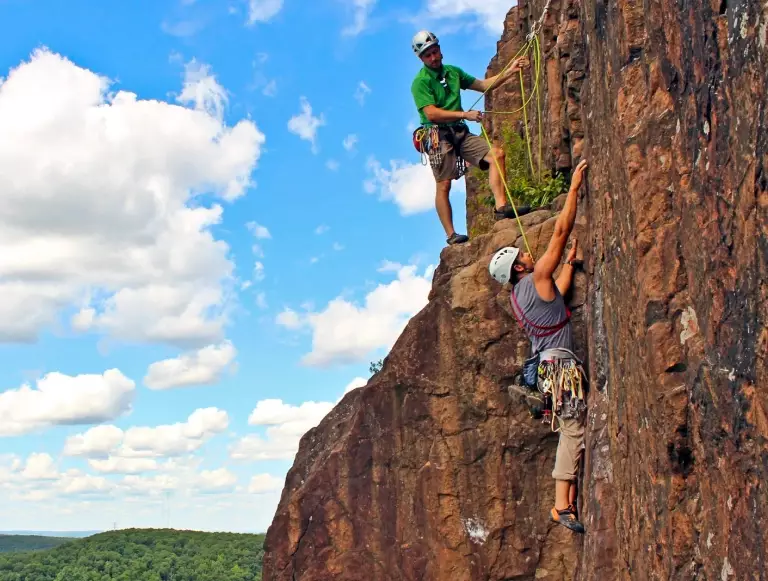
- Outdoor Intro Clinic: Often a full-day weekend affair. Takes the indoor skills and transplants them to real rock. Covers the unique aspects of the outdoor environment. This is the gateway to outdoor climbing.
Leveling Up: Skill-Specific & Intermediate Courses
Once you have the basics down, these climbing courses help you expand your abilities and independence.
- Lead Climbing Courses: This is the next major milestone. Instead of the rope being anchored above you, you clip it into protection as you go up. It's more mentally and physically demanding, and the safety skills are more complex. This is not a beginner course—solid top-roping experience is a must.
- Anchor Building Workshops: Essential for anyone wanting to climb outdoors beyond supervised settings. Learn how to build safe, redundant top-rope anchors using natural features (trees, boulders) or artificial gear (cams, nuts).
- Movement & Technique Clinics: Less about safety, more about getting better. Focuses on footwork, body positioning, and efficiency. These can make you feel like a new climber overnight by fixing one bad habit.
Specialized Pathways
Climbing branches out into different disciplines, each with its own dedicated instruction.
- Trad (Traditional) Climbing Courses: The next step beyond sport climbing. You learn to place and remove your own protective gear (cams, nuts) into cracks in the rock. It requires a significant gear investment and a high level of judgment. This is serious, multi-day training.
- Multi-Pitch Climbing Courses: For climbing big walls where you can't do it in one rope length. You learn to manage belay transitions, rope logistics, and efficiency for long routes. It's like learning the systems for a vertical road trip.
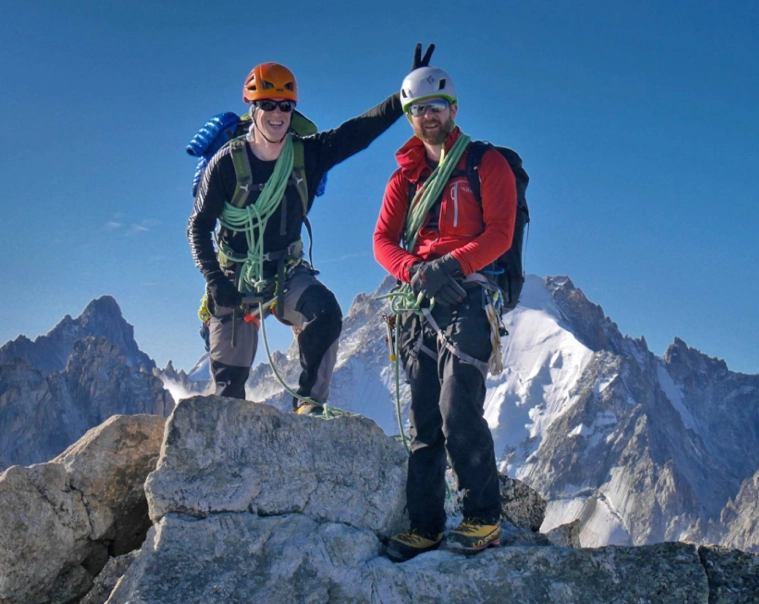
- Mountaineering & Alpine Climbing Programs: This is where rock climbing meets snow, ice, and high altitude. These are extensive, expedition-style courses.
Gearing Up: What to Expect and What to Bring
For most introductory climbing courses, all the technical gear—harness, helmet, shoes, belay device—will be provided. Your job is to wear comfortable, flexible clothing you can move in (think workout gear, not jeans). Avoid loose jewelry. Bring water and a snack, especially for longer sessions.
As you progress, you'll want your own gear. The first purchase is almost always climbing shoes. Then a personal harness. A belay device and locking carabiner come next. For outdoor courses, a helmet is mandatory and often provided, but having your own that fits perfectly is better.
Facing the Mental Game: Fear, Frustration, and Fun
Let's talk about the elephant in the room. Climbing can be scary. You might feel fear of heights (very common), fear of falling, or frustration when you can't do a move. Any good instructor knows this is a huge part of the beginner experience. A quality climbing course will create a space where it's okay to say "I'm scared" or "I need a break."
The mental challenge is part of the appeal. Learning to manage fear, to focus on the next move instead of the ground, to trust your gear and your partner—these are life skills. Don't compare yourself to the person cruising the wall next to you. Everyone started at the bottom, literally. Celebrate small wins: tying your knot correctly without help, successfully catching a practice fall, completing a route that stumped you last week.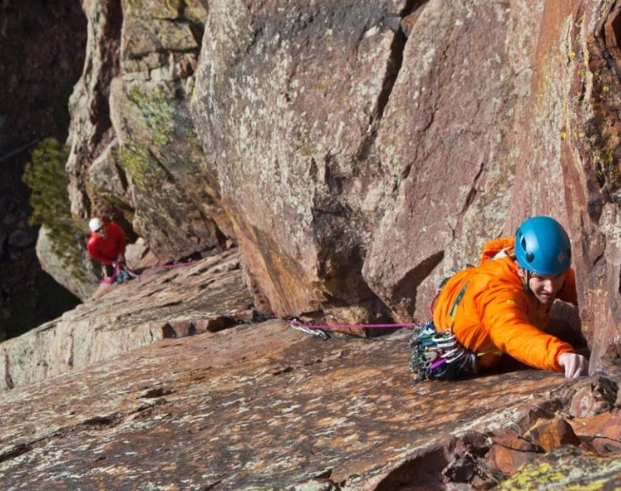
Your Climbing Course Questions, Answered
- **Online Reviews:** Look on Google, Yelp, or climbing-specific forums like Mountain Project.
- **Business Longevity:** How long have they been operating?
- **Professionalism:** Are they responsive to emails? Do they have clear liability waivers and safety policies?
- **Ask Local Climbers:** Pop into a climbing gym and ask the staff who they recommend for guiding or instruction.
After the Course: What Comes Next?
You've finished your first climbing course! You're belay certified, you know your figure-eight, and you're hooked. Now what?
First, practice. Go back to the gym and apply what you learned. Many introductory packages include a free gym pass or a discounted membership. Use it. Second, find climbing partners. Your classmates are perfect candidates. Third, set a small, fun goal. Maybe it's climbing a specific 5.7 route cleanly, or trying a bouldering problem that looks cool.
When you feel solid in your foundational skills—that means you can set up your top-rope system without hesitation, belay smoothly, and climb consistently—then start looking at the next level of climbing courses. Maybe it's that lead climbing course, or an outdoor anchor building workshop. Let your comfort and curiosity guide you.
So, there you have it. Finding the right climbing course isn't about finding the cheapest or the closest. It's about matching your goals with quality instruction in a supportive environment. Do your homework, trust your gut, and don't be afraid to start at the very beginning. Everyone on that wall started exactly where you are now: looking up, wondering how to start, and taking that first step—or rather, that first class.
See you on the wall.