Guide Overview
- Mindset First: Redefining “Budget”
- Where to Go: Top Budget-Friendly Climbing Destinations
- The Big Three: Slashing Costs on Travel, Sleep, and Gear
- Eating Well (and Cheaply) on the Road
- Putting It All Together: A Sample Budget for a 10-Day Trip
- Answering Your “Yeah, But…” Questions
- The Final Send: Your Action Plan
Let's be real for a second. When you see those jaw-dropping photos of people clinging to limestone in Thailand or bouldering in magical forests, your first thought is probably “I wish,” followed quickly by “I can't afford that.” I've been there. Staring at my bank account, then at flight prices, feeling that dream slip away. But what if I told you that mindset is the first and biggest barrier to your next adventure?
Budget climbing trips aren't about suffering or missing out. They're about being smart, resourceful, and shifting your priorities. It's about trading the fancy hotel for a campsite under the stars, the expensive restaurant for a meal you cook with new friends, and the direct flight for a slightly longer journey with a story. The core experience—the rock, the movement, the community—remains priceless and completely accessible.
This guide isn't a theoretical list of tips. It's the distilled knowledge from years of figuring out how to stretch a dollar (or euro, or peso) across crags on three continents. We'll get into the nitty-gritty: where to go, how to get there without breaking the bank, what gear you actually need, and how to eat well for cheap. Forget the Instagram fantasy; let's talk about the practical, achievable reality of planning epic budget climbing trips.
Mindset First: Redefining “Budget”
Before we dive into destinations and gear hacks, we need to talk about your headspace. Planning a cheap climbing trip requires a fundamental shift.
You're not “roughing it.” You're optimizing. Every dollar you save on a bed is a dollar you can spend on an extra day at the crag. Every meal you prepare yourself is time spent chatting with other climbers in a hostel kitchen, often leading to shared rides or partner swaps. The budget approach forces engagement with the local climbing scene and the place itself in a way that rolling up in a fancy van sometimes doesn't.
Embrace the flexibility. The rigid, pre-paid, all-inclusive vacation model is the enemy of the budget climber. Be willing to change plans for a cheaper bus ticket. Be open to sleeping in a different town if it cuts accommodation costs in half. This fluidity is where the magic—and the savings—happen.
Where to Go: Top Budget-Friendly Climbing Destinations
Location is everything. Some places are inherently cheaper than others. We're looking for countries with a low cost of living, good public transport or hitchhiking culture, cheap accommodation, and of course, world-class rock.
Here’s a breakdown of some classic and emerging spots perfect for budget climbing trips, based on daily costs, access, and climbing variety.
>$40 - $70 USD>Limestone (Steep Sport) >$35 - $60 USD>Granite Boulders >$20 - $35 USD>Limestone (Sport, Multi-pitch) >$30 - $55 USD>Limestone (Long Sport, Some Trad) >$25 - $50 USD| Destination | Rock Type / Style | Budget Range (Per Day, Excl. Flights) | The Real Scoop & Best For |
|---|---|---|---|
| Chattanooga, Tennessee, USA | Sandstone (Sport, Trad, Bouldering) | Surprisingly affordable for the US. Camp at US Forest Service sites (like Indian Rock House), cook your own food. Bouldering is free; sport crags often have small day-use fees. A fantastic intro to budget trips in North America. | |
| Rodellar, Spain | Stay in Bierge or Alquézar for cheaper rooms, drive/carpool to the crag. Supermarkets are your friend. The climbing is relentless and world-class. Off-season (late Fall/Spring) is cheaper and less crowded. | ||
| Hampi, India | The ultimate budget bouldering trip. Guesthouses are incredibly cheap, local food (thalis) is delicious and costs pennies. The vibe is laid-back, the landscapes are surreal. Getting there takes time, but daily costs are the lowest on this list. | ||
| Vikos Gorge, Greece | A less-trodden alternative to Kalymnos. Camping is easy and often free, villages like Monodendri have affordable rooms. You get stunning alpine scenery with Mediterranean climbing. Check access updates on Climbin.eu. | ||
| El Potrero Chico, Mexico | Fly into Monterrey. Camping at the entrance to the canyon is iconic and cheap. Eat incredible, affordable tacos in Hidalgo. The climbing is long, sunny, and accessible. A perennial favorite for a reason. |
See a pattern? It's often about going near the famous spot, not right in its heart. The village next to the world-famous crag is almost always cheaper. Also, consider shoulder seasons. Want to go to Squamish? June and September are cheaper and less rainy than July/August. European Alps? Late spring or early fall.
The Big Three: Slashing Costs on Travel, Sleep, and Gear
These are your major expense categories. Nail these, and your budget climbing trips become not just possible, but comfortable.
Getting There: Flights and Ground Transport
Flight search engines are your playground, but you have to play smart. I'm not a fan of those “secret city” hacks—they're too unreliable. Here’s what actually works.
Be brutally flexible with dates and even airports. Use Google Flights' date grid and price graph. Flying mid-week is almost always cheaper. Can you fly into a bigger, cheaper hub and take a bus or train? For example, flying into Milan or Barcelona is often cheaper than flying into smaller Alpine airports, and the train ride into the mountains is part of the adventure.
For ground transport, embrace the bus. Companies like FlixBus in Europe or ADO in Mexico are clean, reliable, and dirt cheap compared to trains or flights. In many places, hitchhiking to and from crags is a deeply ingrained part of the climbing culture—just use common sense, travel in pairs, and look for other climbers with pads or ropes.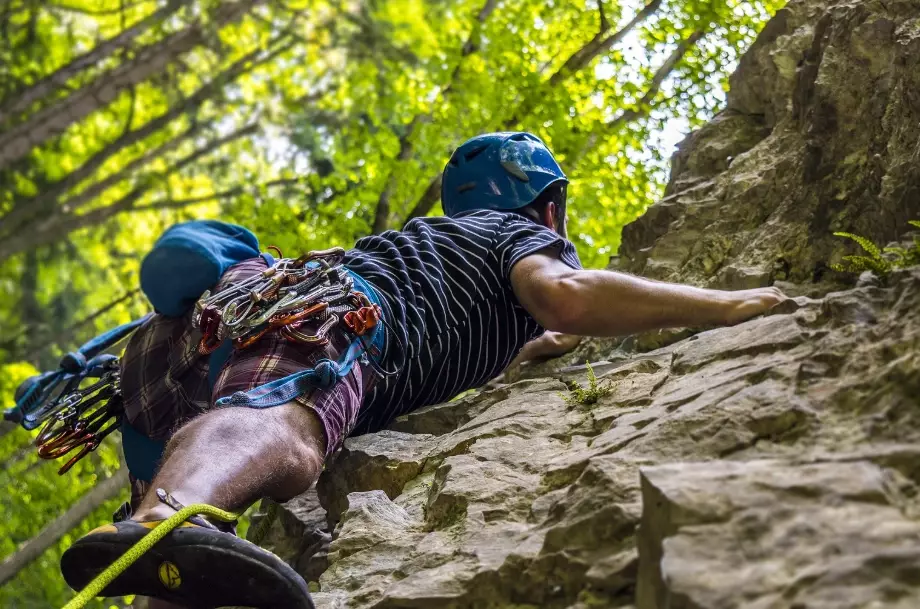
Your Bed for the Night: Accommodation Hacks
Hotels are the budget killer. Here’s your hierarchy, from cheapest to most expensive (but still affordable):
- Camping (Wild/Forest Service): Often free or very low cost ($5-15/night). This is the gold standard for budget climbing trips. Research local laws. In many European countries and US National Forests, dispersed camping is allowed. You need the right gear, but the payoff is waking up at the crag.
- Hostels / Climbing Gyms: Not just for kids. Many hostels in climbing areas have private rooms. Some climbing gyms, like The Climbing Station in the UK, offer cheap bunkrooms. You get a kitchen, laundry, and instant partners.
- Guesthouses / Pensions / Airbnb Rooms: Renting a room in a local's house is often cheaper and more interesting than a whole apartment. You might get local beta and homemade jam for breakfast.
- Van/RV Rental: Seems expensive upfront, but it combines transport and accommodation. Split 4 ways for a week, it can be very competitive, especially in places like New Zealand or the American West.
I once spent a week in Fontainebleau sleeping in a rented station wagon. It was cramped, cold, and I smelled… interesting. But I was 5 minutes from the boulders every morning and spent my money on pastries and coffee instead of a hotel. You learn what matters to you.
Gear: Don't Buy, Borrow, Rent, or Buy Used
You do not need a brand-new rack for every trip. Be strategic.
Rope & Quickdraws: These are bulky. If you're flying, see if you can rent them at your destination. Many guiding outfits or gear shops rent quality gear for a fraction of the cost to buy. Email them ahead of time.
Hardware (Cams, Nuts): If you need a trad rack, can you partner with someone who has one? For a common destination, you can often find used gear for sale locally on Facebook groups (e.g., “Yosemite Climbing Community,” “UK Climbing and Mountaineering For Sale”). Inspect it meticulously.
Clothing & Shoes: This is where people overspend. You don't need the latest Patagonia jacket. A durable fleece and a reliable rain shell are your workhorses. For shoes, resole your old favorites before the trip instead of buying new. A good resole costs half the price of new shoes and makes them feel new again.
Check sites like REI Used Gear or the OutdoorGearLab “Steals and Deals” section for trustworthy used gear or deep discounts on last season's models.
Eating Well (and Cheaply) on the Road
Food is fuel, and it can also be a huge joy—and a huge expense. The key is balance.
Your number one investment for any budget climbing trip should be a small, portable cooking setup. A pocket rocket stove, a small pot, a spork, and a reusable container. This unlocks the supermarket, which is always cheaper than restaurants.
Breakfast: Oatmeal or muesli with powdered milk or yogurt bought locally. Coffee from a french press or aeropress.
Lunch (packed for the crag): Sandwiches, wraps, hard-boiled eggs, nuts, fruit, chocolate. Simple, calorie-dense, no-cook foods.
Dinner: This is where you can have fun. One-pot pasta dishes, rice and beans with local spices, soups. In countries with amazing local markets, buy fresh vegetables and protein. Cooking in a hostel is a social event.
That's the balance. Eat cheaply 80% of the time, so you can afford to try the incredible local restaurant, the street food stall everyone raves about, or the post-send beer at the climber's bar without guilt. In Thailand, I lived on 7-Eleven toasties and market fruit, so I could feast on proper Khao Soi every few days. Totally worth it.
Putting It All Together: A Sample Budget for a 10-Day Trip
Let's make this concrete. Say you're planning a 10-day sport climbing trip to El Potrero Chico, Mexico, from the US. Here’s a realistic, tight-but-doable budget for one person, assuming you're sharing some costs with a partner.
>$250 - $400 >Biggest variable. Book 2-3 months out, be flexible on dates.>$15 >ADO bus is comfortable and direct.>$90 >~$10/night at La Posada or similar campground.>$140 >$14/day. Cook breakfast/dinner, pack lunch. Splurge on tacos!>$50 >Contact local guides ahead of time.>$100 >Water, snacks, tip for campground, souvenir, unexpected taxi.>$645 - $795 >
| Expense Category | Estimated Cost (USD) | Notes & How to Save More |
|---|---|---|
| Flight (RT to Monterrey) | ||
| Bus from Airport to Hidalgo | ||
| Accommodation (Camping, 9 nights) | ||
| Food & Drink (Groceries + 4 meals out) | ||
| Rope & Draws Rental (split with partner) | ||
| Misc & Emergency Fund | ||
| TOTAL |
See that? For less than $800, you can have a world-class climbing trip. It requires planning and a non-luxury mindset, but the experience is 100% authentic. This is the essence of planning successful budget climbing trips.
Answering Your “Yeah, But…” Questions
I can hear the objections from here. Let's address them head-on.
Isn't it unsafe to camp wild or hitchhike?
It carries risk, like anything. Mitigate it. Research the area. Talk to other climbers who've been there. For hitchhiking, target other climbers (look for crash pads or rope bags in the car). For wild camping, be discreet, leave no trace, and camp away from roads and private property. Trust your gut—if a situation feels off, walk away. Most climbing communities are incredibly welcoming and look out for each other.
What if I don't have a partner for my budget trip?
This is a super common worry. Hostels and campgrounds in climbing areas are the best partner-finding networks in the world. Show up, be friendly, offer to belay. Online, Mountain Project has partner forums, and regional Facebook groups (e.g., “Climbing Partners [Country/Region]”) are active. I've found some of my best climbing partners through a scribbled note on a hostel bulletin board in Siurana.
How do I handle an emergency on a tight budget?
This is critical. Travel insurance is non-negotiable. Not the expensive “cancellation for any reason” kind, but solid medical and evacuation coverage. Companies like World Nomads or SafetyWing offer affordable plans tailored to adventure sports. A broken ankle in a foreign country without insurance will make your “budget trip” the most expensive mistake of your life. Factor this into your initial trip cost.
The Final Send: Your Action Plan
So, you're convinced. You want to make your budget climbing trips a reality. Don't get overwhelmed. Break it down.
- Pick a Destination & Season: Use the table above. Choose based on your budget, preferred style, and time of year.
- Set a Total Budget & Start Saving: Open a separate savings account or envelope. Automate a small weekly transfer. “Trip Fund.”
- Attack the Big Costs in Order: First, hunt for flights. Then, figure out accommodation. Gear rental inquiries come next.
- Connect with the Community: Join the relevant Facebook group. Post an intro. Ask questions. You'll get beta you can't find in any guidebook.
- Pack Smart & Light: A heavy bag costs more in airline fees and back pain. You need less than you think.
- Go, Be Flexible, and Have Fun: The plan will change. The bus will be late. It might rain. Roll with it. The stories come from the detours.
At the end of the day, the goal of these budget climbing trips isn't to be the cheapest person at the crag. It's to remove the financial barrier that stands between you and the rock. It's about making adventure a sustainable, regular part of your life, not a once-in-a-lifetime splurge.
The limestone doesn't care if you slept in a 5-star hotel or the back of a Subaru. The feeling of pulling over a lip as the sun sets is the same. The shared struggle and laughter with new friends cost nothing. By being smart with your money, you're not compromising the experience—you're prioritizing the core of it. Now go start planning.