Your Trail Map to Fall Hiking
- Why Autumn Foliage Hiking is Basically the Best
- Timing is Everything: When and Where to Catch the Peak
- Top Trails for Your Autumn Foliage Hiking Bucket List
- Gearing Up: What to Pack for a Fall Hike (No, Not Just a Flannel)
- Navigating the Challenges: Safety and Etiquette
- Your Autumn Foliage Hiking Questions, Answered
Let's be honest, there's hiking, and then there's autumn foliage hiking. It's a whole different beast. One minute you're trudging up a slope, breathing hard, and the next you're stopping dead in your tracks because the maple tree ahead is literally on fire with reds and oranges you didn't think existed in nature. The air is crisp, the crowds are thinner (mostly), and the trails feel like they've been dressed up just for you. It's the best time of year to be outside, period.
But you can't just wing it. Show up on the wrong weekend and you'll see more brown than gold. Wear the wrong shoes and you'll be sliding on a carpet of wet leaves. I've made those mistakes so you don't have to. This guide is everything I wish I knew before my first proper fall hike years ago, packed with the nitty-gritty details that turn a good walk into an unforgettable adventure.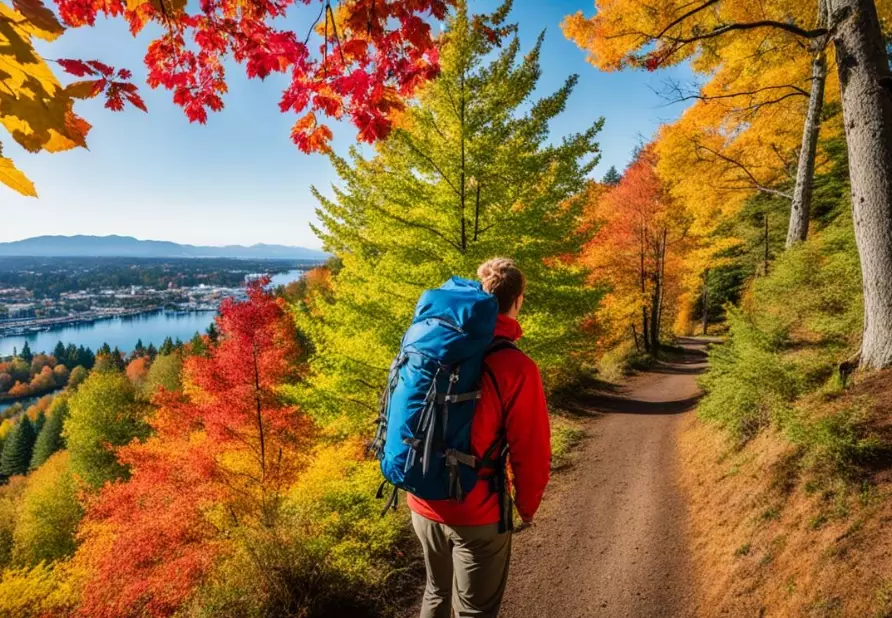
Why Autumn Foliage Hiking is Basically the Best
Okay, why all the fuss? Summer hiking is green and warm, winter has its stark beauty. But fall? Fall hits different. First, the obvious: the colors. It's a visual feast that changes daily. The science behind it is cool too—as daylight shortens, chlorophyll breaks down, revealing the yellows (xanthophylls) and oranges (carotenoids) that were there all along. The brilliant reds and purples (anthocyanins) are actually produced by the tree as a kind of sunscreen as it prepares for winter. You're literally hiking through a chemical masterpiece.
Then there's the feel of it. That crisp, cool air is perfect for exertion. You won't overheat on a steep climb like you do in July. The bugs are mostly gone. And the smell—that damp, earthy, slightly sweet scent of decomposing leaves? Pure nostalgia.
But here's a pro tip a lot of blogs don't mention: the light. The sun sits lower in the sky, casting long, golden shadows and a warm, soft glow that makes everything—especially those leaves—look magical, especially in the late afternoon. It's a photographer's dream and just plain wonderful for the soul.
Crowds can be a mixed bag. Popular autumn foliage hiking destinations like the White Mountains or the Smokies will be busy on peak weekends, no doubt. But mid-week? Or on the shoulder of the season (just before or after peak)? You can find incredible solitude. The summer vacation rush is over, and the hardcore winter crowd hasn't arrived yet.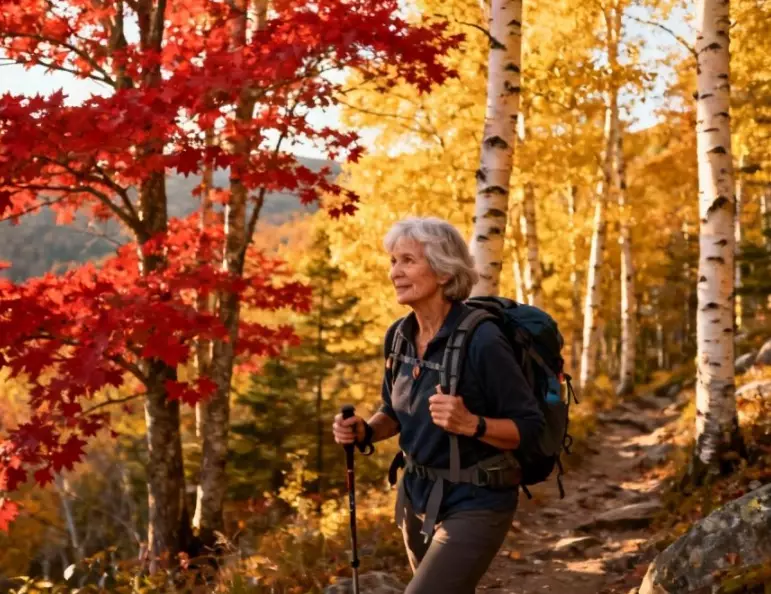
Timing is Everything: When and Where to Catch the Peak
This is the million-dollar question, and the answer is frustratingly simple: it depends. It depends on the elevation, the latitude, the tree species, the summer rainfall, and even the overnight temperatures. A warm, wet fall can delay color. An early frost can accelerate it. Anyone who gives you an exact date is guessing.
But we can make educated guesses! Generally, color moves from north to south and from high elevation to low. The best tool you have is the state's tourism or forestry department website. They often have fall foliage trackers with weekly reports. Don't rely on a single source; cross-reference.
Here’s a rough, no-guarantees table for some major U.S. regions based on typical patterns. Remember, this is a guideline, not a promise.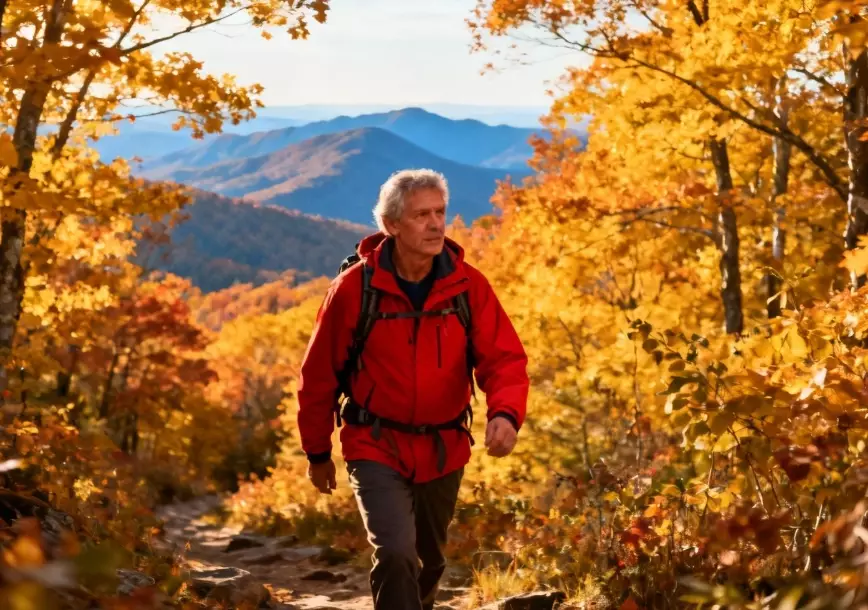
| Region | Typical Peak Timeframe | Key Tree Species & Colors | Best For... |
|---|---|---|---|
| New England (VT, NH, ME) | Late Sept - Mid Oct | Sugar Maple (fiery red/orange), Red Maple (crimson), Birch (bright yellow) | The classic, postcard-perfect experience. Intense, diverse colors. |
| Mid-Atlantic (NY, PA, WV) | Early - Late Oct | Oak (russet, brown), Hickory (gold), Maple (red) | Longer season, great mountain vistas (Catskills, Poconos, Alleghenies). |
| Southern Appalachians (NC, TN, GA - Smokies & Blue Ridge) | Early Oct - Early Nov | Multiple Oak species, Tulip Poplar (yellow), Dogwood (purple-red) | A prolonged, elevation-dependent show. Drive the Blue Ridge Parkway. |
| Rocky Mountains (CO, UT, WY) | Mid Sept - Early Oct | Aspen (quaking gold), Cottonwood (yellow) | Stunning gold against evergreens and rugged peaks. Shorter, intense window. |
| Pacific Northwest (WA, OR) | Oct - Early Nov | Vine Maple (scarlet, orange), Bigleaf Maple (yellow), Larch (conifer that turns gold!) | Lush, mossy forests with vibrant accents. The larch hikes are a cult favorite. |
My personal strategy? I aim for the shoulder of peak. The week leading up to the predicted peak is often less crowded, the colors are still spectacular (just not at 100%), and you avoid the disappointment if an early storm strips the trees. Checking the National Weather Service for frost advisories in your target area can be a great last-minute clue.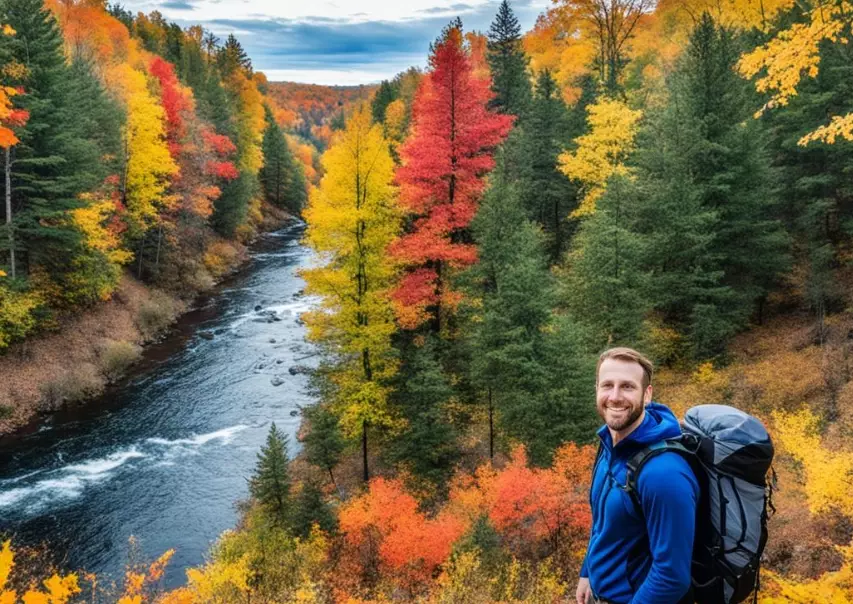
Top Trails for Your Autumn Foliage Hiking Bucket List
You could throw a rock on the Appalachian Trail in October and hit a beautiful view, but some trails are just built for fall. Here are a few iconic ones, plus some personal favorites that might be less insane on a Saturday.
The Heavy Hitters (Worth the Hype, but Go Early)
These are famous for a reason. Expect company.
- Franconia Ridge Loop (White Mountains, NH): This is a beast—an 8+ mile loop with serious elevation gain. But above the treeline, you get 360-degree views of a fiery sea of color in the valleys below. Not for beginners. Check conditions with the White Mountain National Forest.
- Alum Cave Trail to Mt. LeConte (Great Smoky Mountains, TN/NC): A steady climb through a tunnel of rhododendron that opens up to epic views of the Smokies draped in autumn hues. The trailhead parking fills up by sunrise on peak weekends. I'm not kidding.
- Maroon Bells Scenic Area (near Aspen, CO): The iconic twin peaks reflected in Maroon Lake, surrounded by a grove of golden aspens. It's so popular you often need a reservation for parking or shuttle access. The hike around Maroon Lake is easy; the trails beyond (like to Crater Lake) are where you lose the biggest crowds.
Underrated Gems (My Secret-ish Spots)
Shh. Don't tell everyone.
- Gorge Trail in Letchworth State Park (NY): Called the "Grand Canyon of the East," the Genesee River cuts through a deep gorge. Hike the rim trails in October, and you're looking down into a canyon painted with red oaks and yellow hickories. Massive, less crowded than the big-name parks.
- Maple Pass Loop (North Cascades, WA): This one's a stunner. A 7-mile loop that takes you through larches (those golden conifers!) and offers insane views of jagged peaks and alpine lakes. It's high elevation, so the window is short—usually first two weeks of October. Get there on a weekday if you can.
- Old Rag Mountain (Shenandoah NP, VA): Okay, not a secret, but it's a different beast in fall. The famous rock scramble is more fun (and less sweaty) in cool weather, and the summit view over the rolling Virginia hills covered in autumn foliage is worth every aching muscle. Requires a ticket.
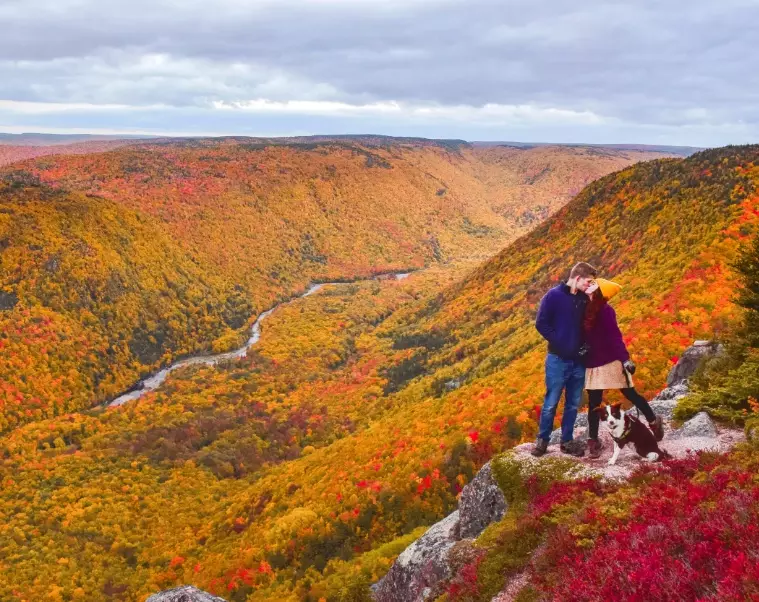
A quick rant about safety: These trails get more dangerous in fall. Wet leaves on rocks or roots are like ice. Daylight hours are shorter. The weather can change in an instant from sunny and 60 to windy and 40. That awesome view from a ridge? It's a lot colder up there. Always, always check the specific trail and summit forecast, not just the town forecast. Tell someone where you're going. And pack a headlamp—even if you plan to be back by 4 PM.
Gearing Up: What to Pack for a Fall Hike (No, Not Just a Flannel)
Forget the Instagram aesthetic. Dressing for autumn foliage hiking is about managing layers and moisture. Cotton is the enemy. Once it gets wet (from sweat or rain), it stays wet and sucks the heat right out of you.
Here’s the non-negotiable packing list I use for every fall day hike:
- Baselayer: Merino wool or synthetic long-sleeve top. It wicks sweat.
- Midlayer: A fleece or lightweight puffy jacket for insulation when you stop.
- Outer Shell: A waterproof and windproof jacket. This is your emergency shelter.
- Bottoms: Hiking pants or leggings. I prefer pants for brushy trails.
- Footwear: Sturdy hiking boots or shoes with good traction. Those leaves are slippery.
- Socks: Merino wool hiking socks. Bring an extra pair in your pack.
- Hat & Gloves: A lightweight beanie and gloves live in my pack from September onward. You'll be glad you have them at a windy summit.
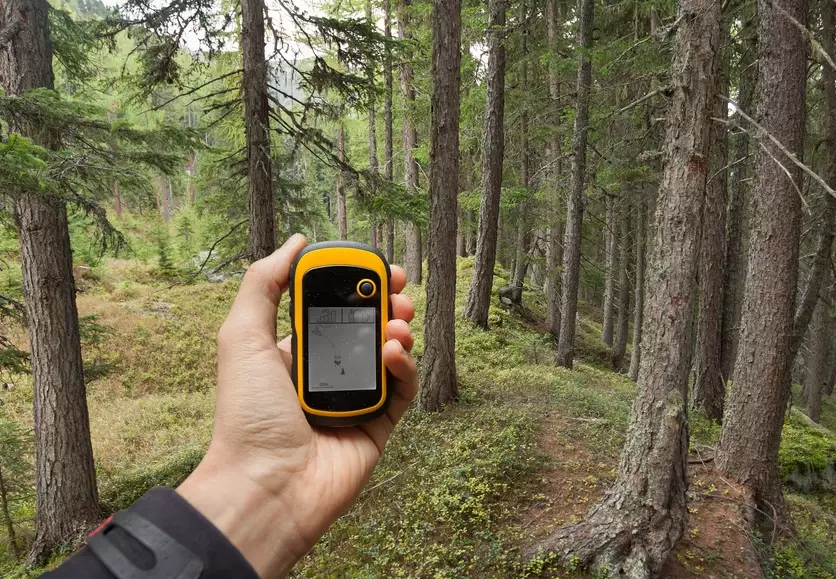
- Navigation: A physical map and compass, and know how to use them. Phone batteries die faster in the cold.
- Food & Water: More than you think. Bring high-energy snacks and at least 2 liters of water.
- Other Essentials: Headlamp, first-aid kit, multi-tool, fire starter, emergency blanket.
The key is the layering system. You start cold, warm up as you hike, and need to add layers as soon as you stop for a break or reach a windy peak. It's a constant dance.
| Activity / Condition | Recommended Layers | Why It Works |
|---|---|---|
| Starting out cool in the morning | Baselayer + Midlayer + Shell (in pack) | You'll warm up fast once moving. The shell is ready if wind picks up or you stop. |
| Active hiking on a climb (you're sweating) | Baselayer only, or Baselayer + unzipped Midlayer | Prevents overheating and sweat buildup. Ventilation is key. |
| Lunch break at a windy summit | Baselayer + Midlayer + Shell + Hat & Gloves | Your body cools rapidly when static. The shell blocks wind, midlayer retains heat. |
| Unexpected rain shower | Baselayer + Shell (over everything) | Shell keeps you dry. Wet midlayers lose insulation, so try to keep them dry under the shell. |
And about photography—yes, bring your camera or phone. But also, sometimes, just put it away. Look with your eyes first. The memory often beats the photo.
Navigating the Challenges: Safety and Etiquette
Fall hiking has its own special set of rules. Let's talk about the two big ones: hunters and weather.
In many regions, fall is hunting season. This doesn't mean you shouldn't hike, but you need to be smart. Wear blaze orange—a hat, vest, or pack cover. Stick to well-marked, popular trails where hunters are less likely to be. I usually avoid hiking in state game lands during peak rifle seasons if I can. It's just common sense. Checking with the local Department of Environmental Conservation (or equivalent) for seasons is a good move.
Weather is the other biggie. As I said, it's unpredictable. Hypothermia is a real risk in fall because temperatures can drop fast, especially if you get wet. That's why the shell and extra layers are non-negotiable. Start your hike early to ensure you're off the trail before dusk, which comes surprisingly early.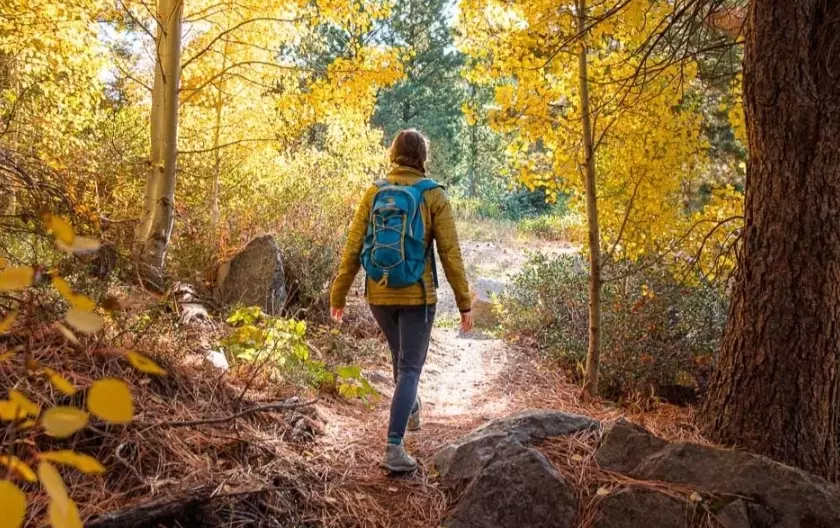
Pro Tip for Trail Etiquette: Those beautiful leaves? They hide the trail. It's super easy to wander off-path. Pay extra attention to trail markers (blazes on trees) and your map. And please, stay on the trail. Going off-trail to get a photo damages fragile plants and contributes to erosion. The view from the path is almost always good enough.
Your Autumn Foliage Hiking Questions, Answered
I get these questions all the time from friends. Here's the real talk.
The goal of autumn foliage hiking isn't to chase some perfect, mythical "peak." It's to get out there and experience the transition. To feel the season change under your feet. To breathe that air. Whether you're on a famed ridge walk or a quiet local nature trail, that's the magic. So check those forecasts, pack those layers, and go get yourself lost in the color. Just make sure you can find your way back.
See you on the trail.