In This Guide
- The Legend of Old Faithful: Why It's a Must-See
- Cracking the Code: How Old Faithful Predictions Really Work
- Your Old Faithful Viewing Strategy: Timing, Spots, and Secrets
- Beyond the Eruption: What Else to See and Do in the Old Faithful Area
- Yellowstone Geyser FAQs: Your Questions, Answered
- Planning Your Yellowstone Adventure: The Nitty-Gritty
Let's be honest, when you think of Yellowstone, one image probably pops into your head first: that iconic cone spewing a towering column of steam and hot water into the big Wyoming sky. That's Old Faithful, the geyser that's become the poster child for the entire park, maybe even for all of America's natural wonders. It's a rite of passage for visitors. But here's the thing I learned after multiple trips—there's a whole lot more to the Old Faithful Yellowstone experience than just showing up and waiting. The area around it is a sprawling, fascinating thermal basin, and understanding how to navigate it can mean the difference between a frustrating crowd scene and a genuinely awe-inspiring moment.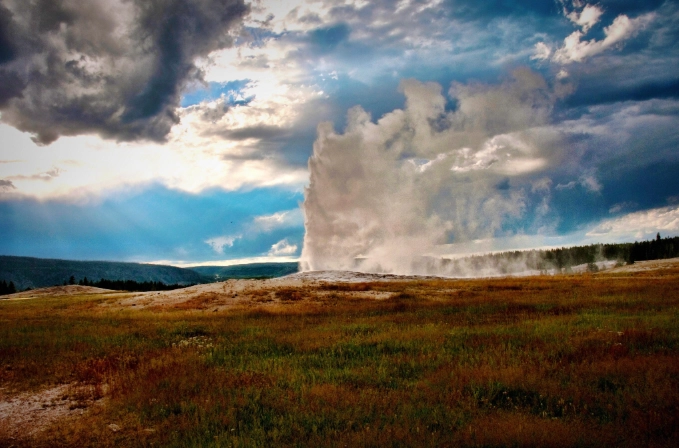
So, whether you're deep in planning or just dreaming of a future trip, this guide is here to cut through the noise. We're going past the basic "it erupts every 90 minutes" factoid (which, by the way, isn't even strictly true anymore) and into the nitty-gritty of how to truly experience Old Faithful Geyser and its incredible surroundings.
The Legend of Old Faithful: Why It's a Must-See
Old Faithful isn't the biggest or the tallest geyser in the world—that title belongs to Yellowstone's own Steamboat Geyser. It's not even the most regular in an absolute sense. Its fame comes from a powerful combination: its impressive, reliable frequency and its stunning setting. Discovered by the Washburn Expedition in 1870 and named for its comparatively predictable eruptions, it became a cornerstone of the argument to protect Yellowstone as the world's first national park. People could plan to see it. That reliability, set against the wild, unpredictable beauty of Yellowstone, is its magic.
The eruptions shoot between 3,700 and 8,400 gallons of boiling water to heights of 106 to 185 feet. Each show lasts 1.5 to 5 minutes. But the numbers don't do it justice. The roar, the smell of sulfur, the shimmering heat waves, the rainbows that often form in the mist on a sunny day—it's a full sensory spectacle. It's a direct, powerful connection to the volcanic heat simmering just beneath Yellowstone's surface. Seeing Old Faithful isn't just about checking off a landmark; it's about witnessing one of the planet's most vivid displays of geothermal power.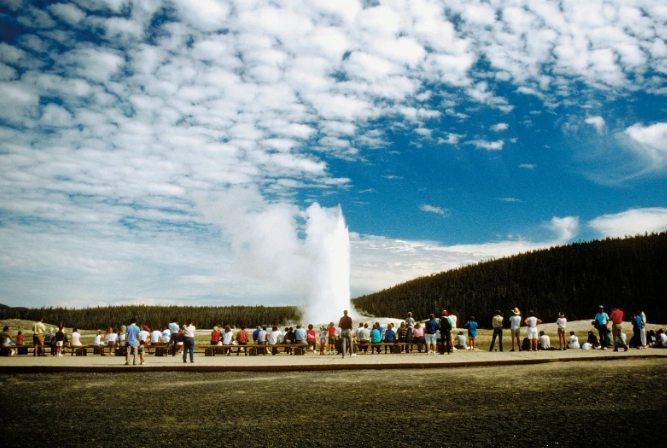
Cracking the Code: How Old Faithful Predictions Really Work
This is where most guides get it wrong. They'll tell you it erupts "every 90 minutes." That's an average, a legacy figure. The reality is more nuanced and much more interesting. The interval between eruptions can range from about 60 to 110 minutes. The length and strength of the previous eruption is the key predictor.
The prediction isn't magic; it's science based on decades of observation by park staff and researchers from the U.S. Geological Survey (USGS). They monitor the water refilling the underground chambers and conduits. You can see this science in action. Visit the Old Faithful Visitor Education Center—it's not just a gift shop. Inside, the next predicted eruption time is prominently displayed, updated after every eruption. Rangers often give short talks on the boardwalk before a predicted eruption, explaining the geology. This resource from the National Park Service dives deeper into the fascinating mechanics of geysers like Old Faithful.
But honestly, the prediction is a tool, not a guarantee. I've seen it be off by 10-15 minutes. The geyser operates on geologic time, not human schedules. That's part of the charm. You're waiting on nature's whims.
What Affects the Eruption Interval?
It's not just about the last blast. Several subtle factors can nudge the timing: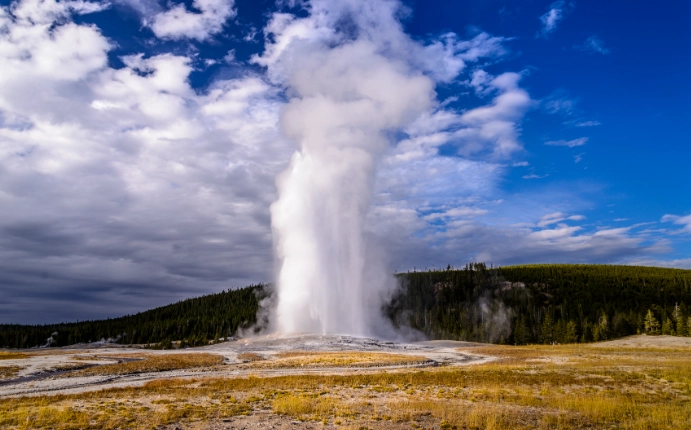
- Seismic Activity: Even small earthquakes in the region (and Yellowstone has many) can alter underground water pathways.
- Atmospheric Pressure: Changes in barometric pressure can influence the boiling point of the water underground.
- Wind: Strong wind during an eruption can shorten its visible duration, which might slightly skew the data used for the next prediction.
- Precipitation: Heavy rain or snowmelt can add more cool water to the system, requiring more heat and time to reach boiling.
Your Old Faithful Viewing Strategy: Timing, Spots, and Secrets
Okay, you know when it might go off. Now, how do you actually enjoy it? This is where strategy pays off.
Best Time of Day to Visit Old Faithful
This is the most common question, and the answer has two parts: for the light, and for the crowds.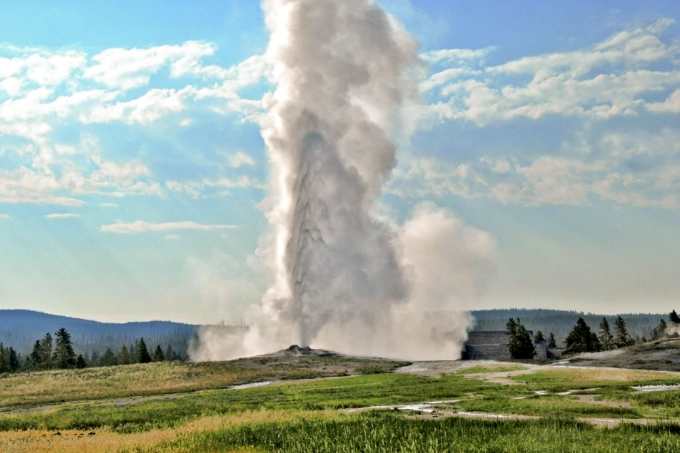
- For Photography & Beauty: Early morning (sunrise to 10 AM) or late afternoon (4 PM to sunset). The low sun angle creates long shadows, highlights the steam, and often paints the sky with color. The geyser backlit by sunrise is something special.
- To Avoid the Biggest Crowds: Midday (11 AM - 3 PM) is peak bus and family tour time. It's packed. Early morning is always quieter. Evening eruptions in the summer are also less chaotic as day-trippers head out.
- My Personal Favorite: A late afternoon eruption in the fall. The crowds have thinned, the air is crisp, and the golden light on the steam is unforgettable.
Where to Watch: The Best Vantage Points
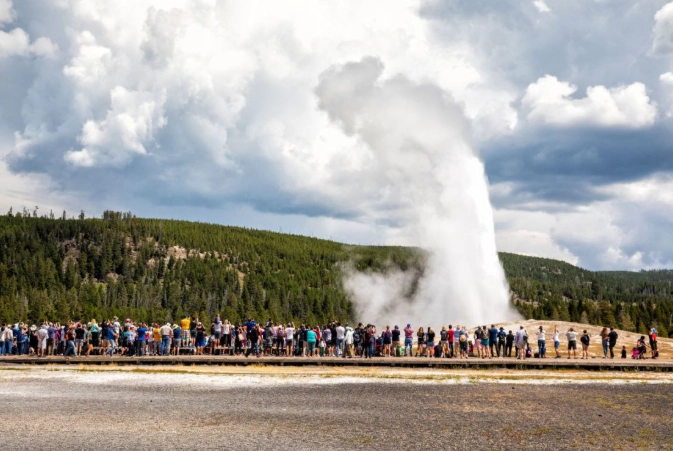
Everyone clusters on the main boardwalk benches directly in front of the geyser. Don't be everyone.
| Viewing Spot | Pros | Cons | Best For |
|---|---|---|---|
| Main Boardwalk Benches | Classic, head-on view. Ranger talks often here. | Most crowded. Can feel impersonal. | First-time visitors who want the "standard" experience. |
| Observation Point Trail (1.1 mi round-trip) | Elevated, panoramic view looking down. Often quieter. Stunning perspective. | A short but steady uphill hike. Not accessible for everyone. | Photographers and those wanting a unique, less crowded view. |
| From the balcony of the Old Faithful Inn | Unique, elevated, and comfortable. Great in bad weather. | Distant view. You miss the sound and the "feel" of the eruption. | Those with mobility issues or wanting a cozy, historic ambiance. |
| Geyser Hill Boardwalk (further down the path) | Side-angle view with other thermal features in the foreground. More intimate. | Not the full frontal view. Can be windy. | Repeat visitors or those combining the eruption with a basin walk. |
Observation Point is my top recommendation if you can manage the hike. It feels like you've discovered a secret.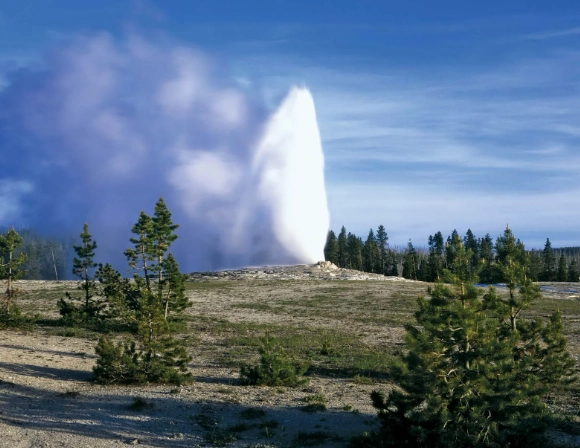
Beyond the Eruption: What Else to See and Do in the Old Faithful Area
If you just see the geyser and leave, you're missing 75% of what makes this place incredible. The Old Faithful area is the heart of the Upper Geyser Basin, home to the highest concentration of geysers on Earth. Budget at least 3-4 hours here, minimum.
The Upper Geyser Basin Walk
This is a non-negotiable. The boardwalk loops (about 1.5 to 3 miles depending on the route) take you past hundreds of thermal features. It's flat, easy walking. Here are some stars you can't miss:
- Castle Geyser: Looks like a crumbling medieval fortress. Has massive, infrequent eruptions (every 10-12 hours) that can last up to an hour, producing a huge steam phase.
- Grand Geyser: The tallest predictable geyser in the world. Its eruptions are a breathtaking series of powerful bursts, sometimes over 200 feet high. Prediction times are posted at the visitor center.
- Morning Glory Pool: A stunning, deep hot spring named for its flower-like shape. Its colors have faded due to decades of tourists throwing coins and trash into it (please, never do this), but it's still beautiful and a sobering lesson in preservation.
- Beauty Pool & Chromatic Pool: A stunning pair of connected springs with vivid blues and greens, separated by a narrow walkway.
Historic Old Faithful Inn
Even if you're not staying there, walk into the lobby of the Old Faithful Inn. Built in 1903-1904 with local logs and stone, its massive, multi-story lobby with a giant stone fireplace is an architectural wonder. Grab a cookie or a drink, sit in a rocking chair on the second-floor balcony, and soak it in. It's a living museum of park history.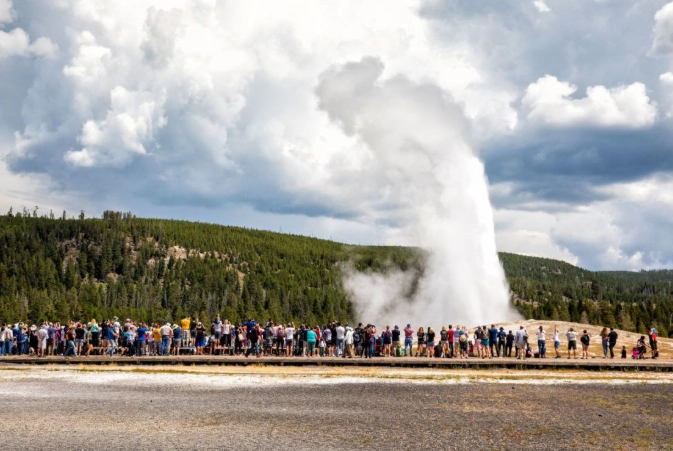
Yellowstone Geyser FAQs: Your Questions, Answered
Planning Your Yellowstone Adventure: The Nitty-Gritty
To wrap this up, let's talk about fitting Old Faithful into your bigger Yellowstone trip.
Lodging Near Old Faithful
Staying in the area is a game-changer, allowing for early morning and late evening visits without long drives. Options book up a year in advance for summer.
- Old Faithful Inn: The historic legend. Rustic, noisy, full of character. Not for those seeking modern luxury.
- Old Faithful Lodge Cabins: More basic, budget-friendly cabins. You get the location without the Inn's price tag.
- Old Faithful Snow Lodge: Open in summer and winter. More modern rooms than the Inn.
Getting There and Parking
The Old Faithful area is about 30 miles from the West Entrance (West Yellowstone, MT) and 16 miles from Madison Junction. Parking is a huge, sprawling lot that fills up by late morning in peak season. If the main lot is full, there are overflow lots. Be patient. Consider using the park's shuttle service if available from your lodging.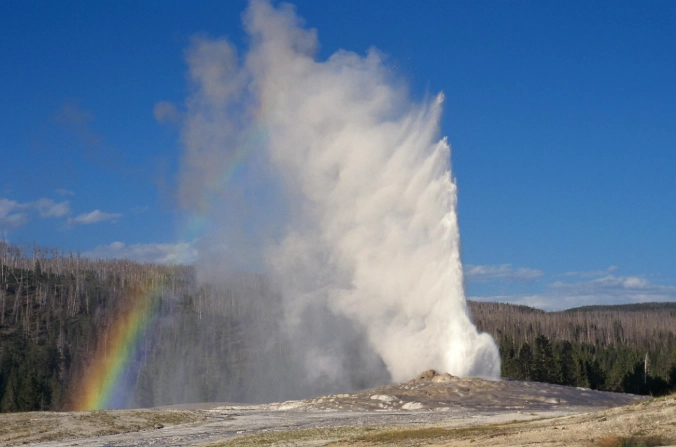
So, there you have it. Old Faithful is more than a geyser; it's the gateway to understanding Yellowstone's volatile, beautiful soul. With a little planning—knowing how the predictions work, choosing the right time and viewpoint, and dedicating time to explore the basin—you can transform a simple sightseeing stop into the centerpiece of your Yellowstone memory. Check those prediction times at the visitor center, lace up your walking shoes, and get ready to be amazed by the one and only Old Faithful.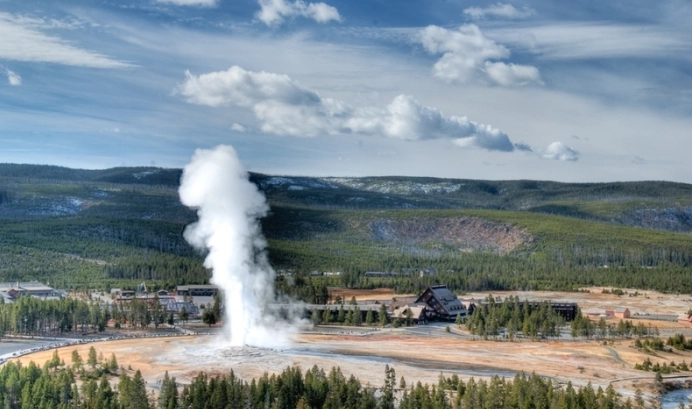
The ground will rumble, the crowd will hush, and for a few minutes, you'll be connected to the raw power of the planet. That's the real magic.