Quick Guide
Let's be honest. The alarm going off at 3:30 AM feels like a special kind of torture. It's dark, it's cold, and your bed has never felt more inviting. I've had that internal argument more times than I can count. But every single time I've won that argument, dragged myself out, and hit the trail in the pre-dawn darkness, I've never, ever regretted it. Not once. There's something almost magical about a sunrise hike that a midday trek just can't touch.
It's not just about the Instagram photo (though, okay, that's a nice bonus). It's about experiencing the world wake up. The air is cooler and crisper. The trails are quieter—you often have the whole mountain or forest to yourself. The wildlife is more active. And then there's the main event: watching the sky transform from inky black to deep purple, then fiery orange and soft pink, before the sun finally crests the horizon. It's a reward you have to earn, and that makes it sweeter.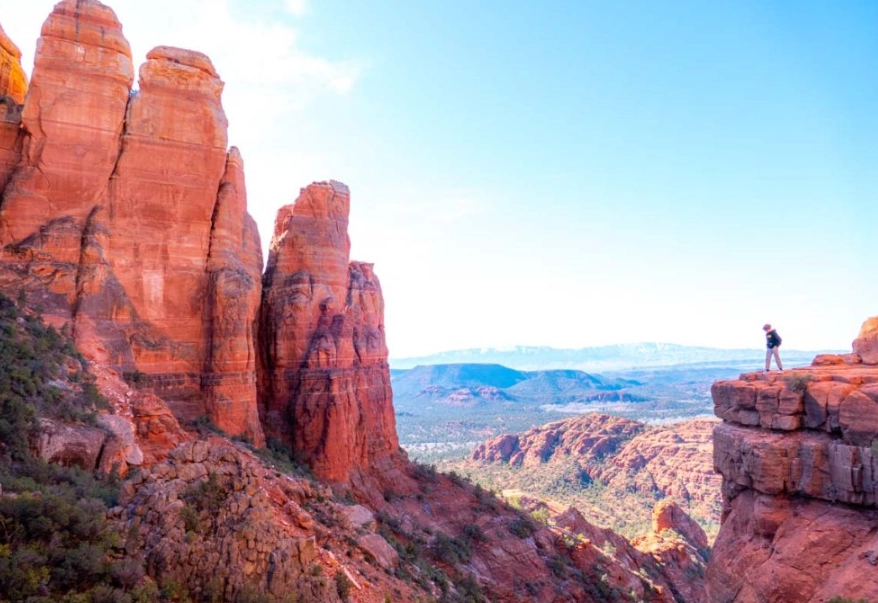
But here's the thing I learned the hard way: a successful sunrise hike doesn't just happen. My first attempt was a bit of a disaster. I underestimated how cold it would be, forgot a headlamp, and picked a trail that was way too technical for hiking in near-darkness. I spent more time stumbling than enjoying the view. I don't want you to make those mistakes. So, I've put together this guide from all my lessons learned—the good, the bad, and the freezing—to help you plan your perfect sunrise hikes.
Beyond the View: The Real Reasons to Try a Sunrise Hike
Everyone talks about the view, and yes, it's spectacular. But the benefits of sunrise hikes go way deeper than a pretty picture.
First, you beat the crowds and the heat. Popular trails can feel like highways by 10 AM. Starting in the dark means solitude and silence. In summer, you'll finish your hike before the worst of the midday sun, which is both safer and more comfortable. Second, there's a huge mental health boost. Starting your day with accomplishment and natural beauty sets a positive tone that's hard to shake. It feels like you've stolen a secret, wonderful part of the day before most people are even awake.
And let's talk about photography. The light during the "golden hour" just after sunrise is soft, warm, and diffuse. It's a photographer's dream. You avoid the harsh shadows of midday. Even with a smartphone, your photos will look a million times better than they would at 2 PM.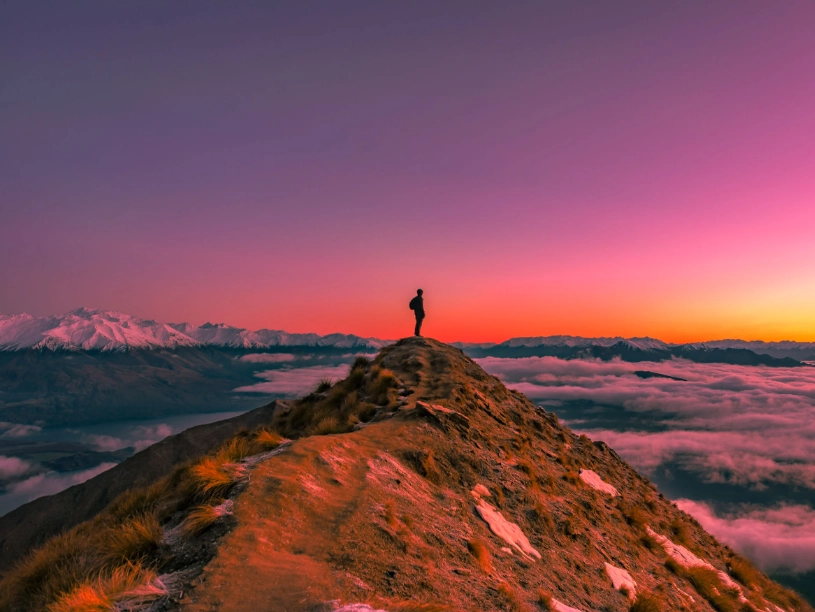
The Gear You Absolutely Cannot Forget
Packing for a sunrise hike is like packing for two different hikes: one in the dark and cold, and one in the warming daylight. You need layers and light. Forget something crucial, and your adventure can go from magical to miserable real fast.
Layering is your best friend. I follow a simple system: a moisture-wicking base layer (avoid cotton—it gets wet and stays cold), an insulating mid-layer like a fleece or puffy jacket, and a waterproof/windproof outer shell. You'll probably start with all three and shed layers as you hike up and the sun comes up. Don't forget a warm hat and gloves—your extremities get cold first when you're sitting still at the summit.
Here’s a quick checklist table I use to make sure I don't leave anything critical behind:
| Category | Essential Items | Why It's Crucial for Sunrise Hikes |
|---|---|---|
| Illumination & Navigation | Headlamp (with extra batteries), fully charged phone, offline map/GPS | Hiking in the dark is impossible without light. Phone batteries die faster in the cold. |
| Warmth & Layers | Baselayer, insulating jacket, waterproof shell, hat, gloves | Temperatures can be 20-30°F colder at the trailhead than at home. Summit waits are cold. |
| Sustenance | More water than you think, high-energy snacks, thermos with hot drink | Cold air is dehydrating. A hot drink at the summit is a game-changer for morale. |
| Safety & Extras | First-aid kit, emergency blanket, whistle, trekking poles | Fewer people are around to help if something goes wrong in the early hours. |
One more thing about food: pack a celebratory summit snack. A thermos of hot cocoa, tea, or coffee is pure gold when you're waiting for the sun. A pastry or some chocolate feels like a real reward. It turns the experience from an endurance test into a proper celebration.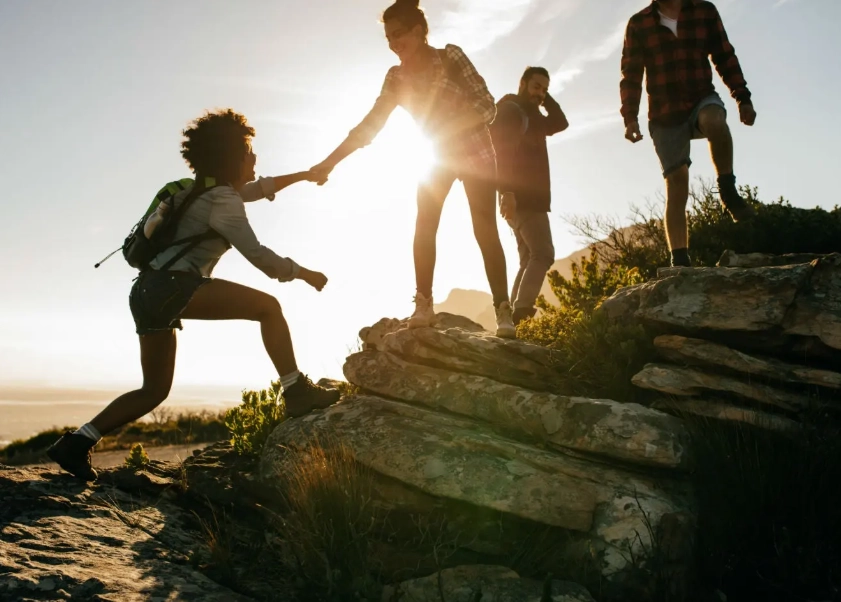
Picking Your Perfect Sunrise Hike: A Realistic Approach
"Best sunrise hikes near me" is probably how you ended up here. But "best" is subjective. The best sunrise hike for you depends on your fitness, experience, and what you want to feel. Don't just pick the most famous one.
For your first few sunrise hikes, choose a trail you've hiked before in daylight. Knowing the terrain when you can't see it well is a massive confidence booster. Look for a trail with a clear, east-facing viewpoint. A lake that reflects the sky, an open ridge, or a bald mountain summit are all classic choices. Use tools like AllTrails to read recent reviews and check photos to see if the view faces the right direction.
Consider the trail logistics. Is there a parking lot that's open 24/7? Some gated parks don't open until dawn, which defeats the whole purpose. Do you need a permit? I made that mistake once and got a very unwelcome ticket at the trailhead at 5 AM.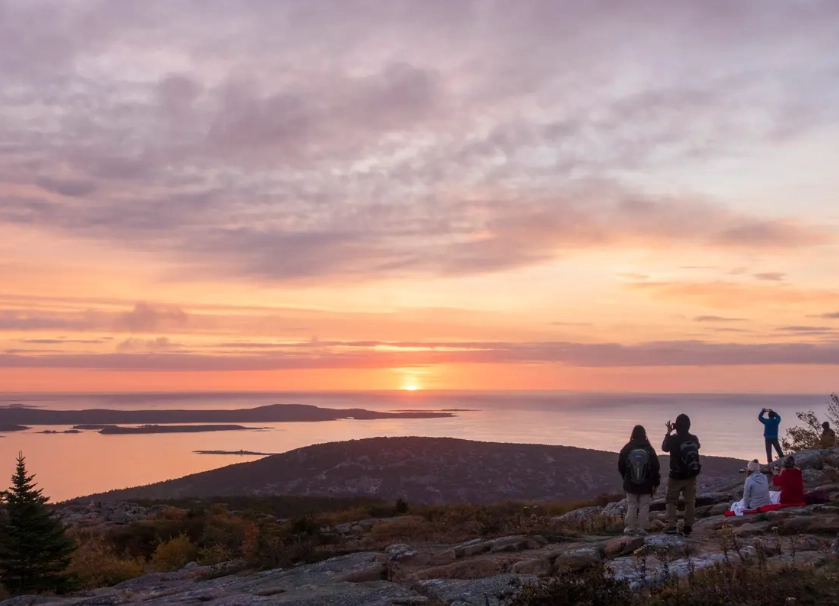
Let me give you a few examples of what to look for, based on effort level:
For Beginners:
Look for a short, well-maintained trail (1-3 miles round trip) with minimal elevation gain. A hill overlooking a valley or a short walk to a lakeshore is perfect. The goal is to enjoy the experience, not suffer.
For Intermediate Hikers:
You can aim for a moderate 4-8 mile trail with a steady climb. A forest trail that opens up to a rocky summit offers a great variety. This is where you really earn that view.
For Experienced Adventurers:
High-altitude peaks or longer ridge traverses. The key here is knowing your limits with navigation and fitness in low-light conditions. These are the epic, all-morning adventures.
And what if the weather turns? Have a backup plan. Check a reliable source like the National Weather Service for the specific summit forecast, not just the town forecast. Mountain weather is its own beast. If it calls for dense clouds or rain, reschedule. Hiking up in the dark just to see a wall of grey is deeply disappointing. I've done it. Save the effort for a clear day.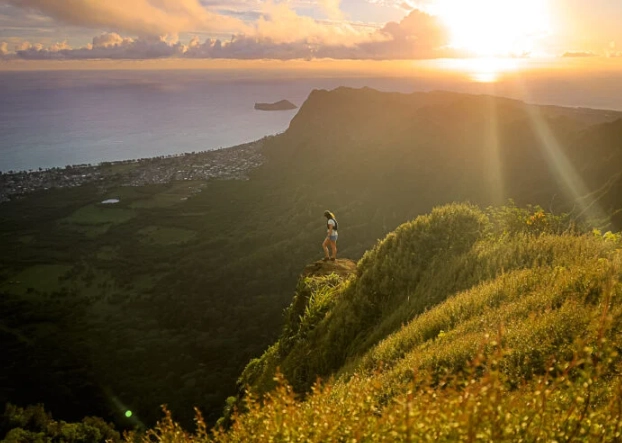
Safety First: The Non-Glamorous, Must-Read Part
This is the most important section. The solitude and beauty of sunrise hikes come with increased risks. You're hiking in the dark, often in colder temperatures, with fewer potential helpers on the trail. A little preparation goes a very long way.
Never, ever hike alone for a sunrise hike. I know it's tempting for the solitude, but it's just not worth the risk. A simple twisted ankle in the dark can become a serious, hypothermia-inducing situation if you're alone and immobile. Bring a friend. It's more fun anyway.
Wildlife is more active at dawn. This is usually a bonus for seeing animals, but be aware. Make noise, especially in bear country. Carry bear spray if it's recommended for the area. Know what to do if you encounter animals. The National Park Service has excellent, clear guidelines that are worth reviewing.
Hypothermia is a real danger, even in mild climates. You're often sweaty from the climb, then you stop moving at a windy, cold summit. That's when your body temperature can plummet. Put on that dry insulating layer and shell before you start feeling cold. If you or a companion start shivering uncontrollably, feel confused, or have slurred speech, it's an emergency. Get down to lower elevation, get out of the wind, and seek help.
Navigation is trickier in the dark. Trail junctions look different. Relying solely on trail markers you can't see is a bad plan. Use a GPS app on your phone (like Gaia GPS or AllTrails) that has the route downloaded for offline use. But also carry a physical map and compass and know how to use them. Electronics fail.
Capturing the Moment (Without Living Through Your Phone)
You'll want photos. Of course you will. But don't let capturing the sunrise eclipse experiencing it. I've seen people spend the entire 30-minute light show staring at their phone screen, adjusting settings. They might get a great shot, but they missed the actual event.
My advice? Set up your camera or phone, take a few shots at different stages, and then put it down. Just watch. Breathe it in. The memory in your mind is more important than the one on your memory card.
That said, a few quick tips for better sunrise hiking photos:
- Stability is Key: Use a mini tripod or rest your phone on a rock. Low light means slow shutter speeds, which means blur without stabilization.
- Expose for the Sky: Tap on the bright part of the sky on your phone screen to keep it from blowing out (turning pure white). The foreground will be dark, creating a nice silhouette effect.
- Include a Subject: A silhouette of a person, a tree, or a rock formation gives the scene scale and interest.
- Shoot in RAW if you can: This gives you much more flexibility to adjust shadows and highlights later to recover details.
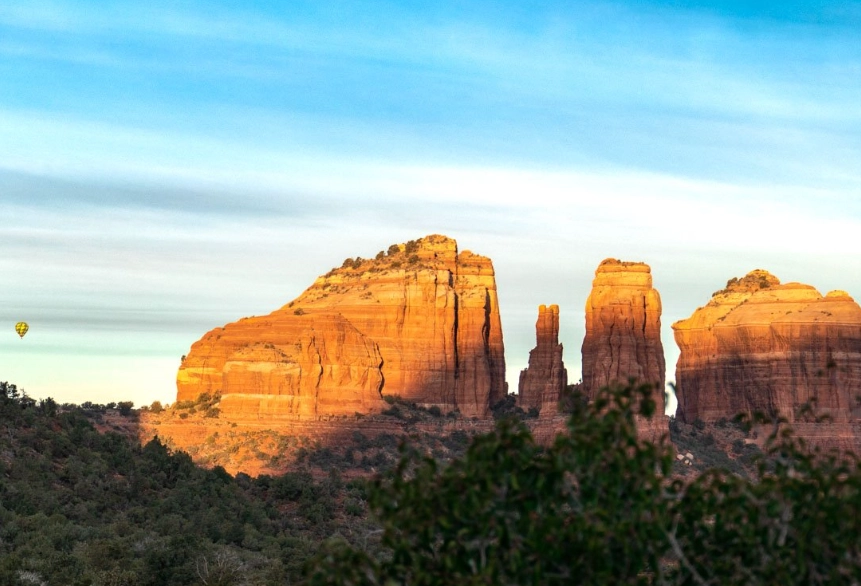
Your Sunrise Hike Questions, Answered
Making It a Ritual, Not a One-Off
The real magic of sunrise hikes happens when you stop thinking of it as a bucket-list item and start making it a seasonal ritual. You begin to notice how the light changes from summer to fall. You learn which trails have the first blueberries in July. You find your own secret spots that aren't in any guidebook.
It teaches you preparedness, rewards effort, and provides a sense of peace that's hard to find in the noisy middle of the day. It connects you to the natural world in a very primal way—waking up with it.
So, set that alarm. Pack your bag the night before. Lay out your clothes. When it goes off in the painful, dark morning, remember this: you're not just getting up early. You're going on an adventure that most people will sleep through. The mountain, the forest, the lake—they're waiting. And the coffee at the top will taste better than any you've ever had at home.
Now, go check the weather for this weekend.