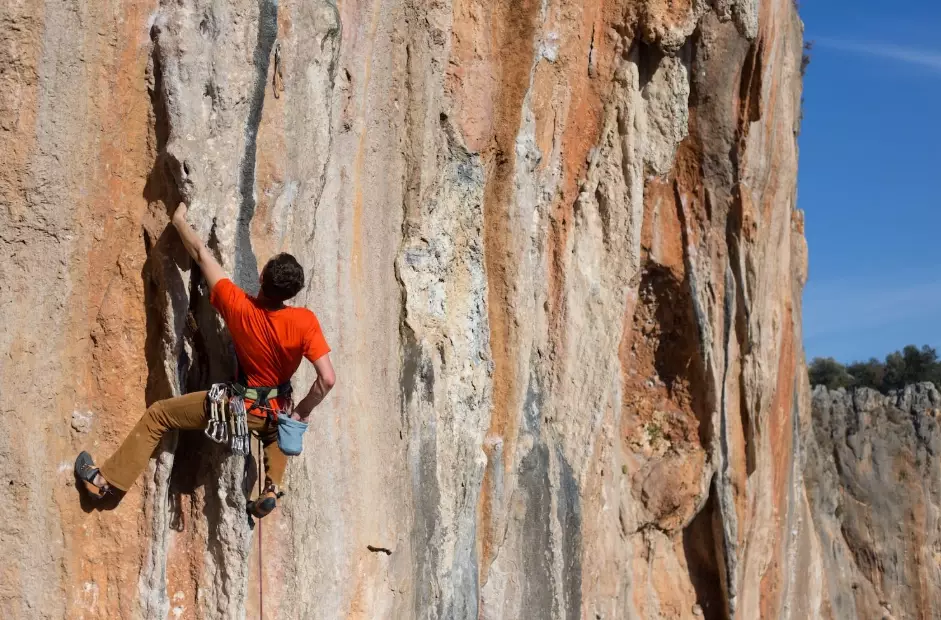
You look at a rock climber's physique—lean, defined, powerful—and the question pops into your head: can I get that from climbing? Can I actually lose weight by doing this? The short, direct answer is yes, absolutely. But the how and the how much depend on factors most articles gloss over. It's not just about showing up at the gym.
I've seen countless people start climbing with weight loss as a goal. Some transform their bodies. Others get stronger but stay the same weight, frustrated. The difference usually isn't talent; it's understanding how climbing burns calories and, more importantly, how to pair it with your life off the wall.
What You'll Climb Into Today
How Many Calories Does Rock Climbing Actually Burn?
Let's get specific. Throwing around vague terms like "great workout" doesn't help you plan. You need numbers. Based on data from the American Council on Exercise and my own experience using heart rate monitors, here’s a realistic breakdown for a 155-pound (70 kg) person.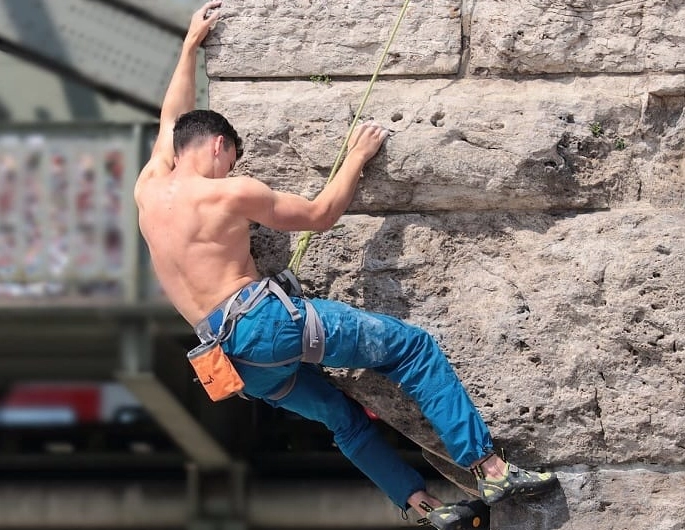
| Climbing Activity | Calories Burned Per Hour* | Intensity & Notes |
|---|---|---|
| Indoor Bouldering | 550 - 750+ | High. Short, intense bursts. High heart rate, lots of rest between attempts. Afterburn effect (EPOC) is significant. |
| Vigorous Indoor Top-Rope/Lead | 500 - 650 | Moderate-High. Continuous climbing on longer routes with minimal rest. Sustained cardio effort. |
| Casual Gym Session (mix of climbing & socializing) | 300 - 450 | Moderate. This is the reality for many. More rest, easier routes. Still builds muscle. |
| Outdoor Rock Climbing (including hiking, setup, belaying) | 400 - 600 | Variable. Often more total time active, but intensity can be lower than gym sessions. |
*Calories burned vary based on weight, intensity, and metabolism. Heavier individuals burn more.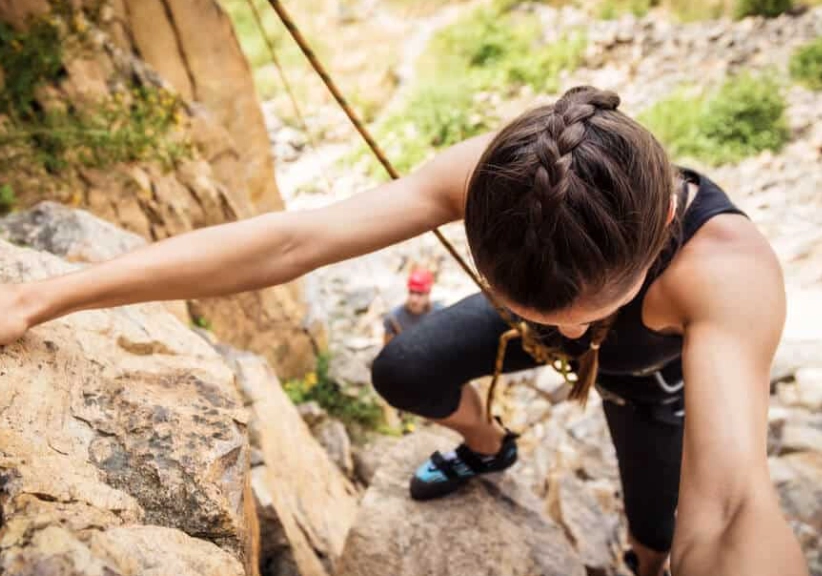
See the range? A casual two-hour session might burn 700 calories, equivalent to a large muffin. A focused, high-intensity bouldering night could torch over 1,500. That's the first key: your effort directly dictates the payoff.
Climbing is a strength-endurance sport. You're constantly engaging your back, core, arms, and legs to pull and stabilize your body weight. This resistance component is golden for weight loss because muscle tissue is metabolically active. The more you have, the more calories you burn at rest. A study published in the Journal of Strength and Conditioning Research found climbing significantly improves body composition, reducing body fat percentage.
The Best Type of Climbing for Weight Loss
Not all climbing is created equal for fat loss. Here’s the breakdown from most to least effective for burning calories, with a crucial caveat.
1. High-Intensity Interval (HIIT) Style Bouldering
This is the king for metabolic burn. You're not just climbing. You're doing 4-5 hard boulder problems in a row with minimal rest (think 3 minutes on, 1 minute off). Your heart rate rockets and stays high. The American College of Sports Medicine notes HIIT training is exceptionally effective for fat loss due to Excess Post-Exercise Oxygen Consumption (EPOC)—your body burns extra calories for hours to recover.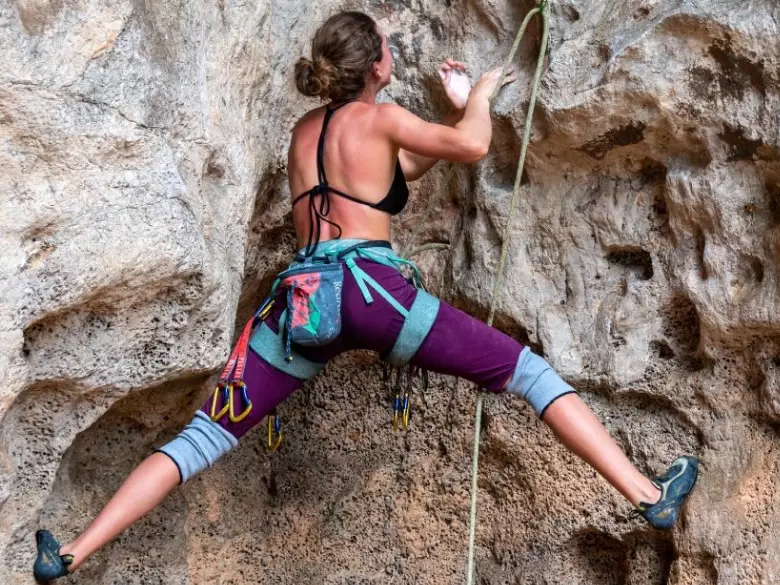
2. Circuit or Volume Rope Climbing
Climbing several longer, moderate-difficulty routes back-to-back with only the time it takes to belay your partner as rest. This keeps you moving for 60-90 minutes straight, building incredible endurance and burning a high total calorie count.
3. Projecting or Technical Practice
Working a single hard move or route for an evening involves lots of thinking, resting, and short attempts. You'll build incredible strength and skill, but the calorie burn per hour is lower. This is where many dedicated climbers plateau in weight loss—their training becomes more neurological than metabolic.
The Caveat: The "best" type is the one you'll do consistently and push yourself in. A passionate boulderer who hates ropes will burn more calories loving their session than forcing themselves onto a treadmill.
Why Diet is the Real Game-Changer (The Part Everyone Ignores)
Here's the hard truth no climber wants to hear: you can't out-climb a bad diet. This is the number one reason people don't lose weight.
Climbing creates a unique hunger—a gnawing, specific craving for calories, often carbs, to replenish glycogen. It's incredibly easy to finish a session and consume everything you just burned, plus more, in a post-climb burger, beer, and fries. I've done it. We all have.
Weight loss happens in a calorie deficit. Full stop. Climbing helps create that deficit by increasing output. But if your input (food) exceeds your new output, you'll gain weight, muscle or not.
Think about it: to lose one pound of fat, you need a deficit of roughly 3,500 calories. A very good climbing week (4 sessions burning 600 calories each) creates a 2,400-calorie deficit from exercise. That's less than a pound. One uncontrolled weekend of eating can wipe that out.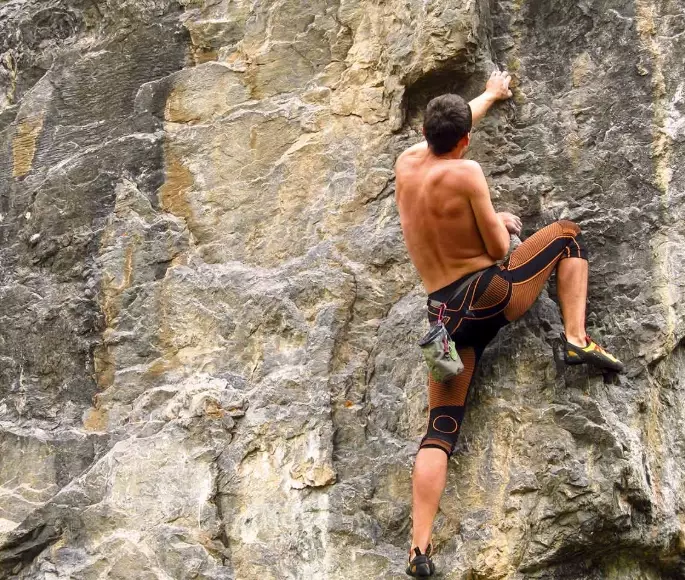
The solution isn't a drastic diet. It's mindful eating aligned with your goals.
- Post-Climb Refuel Smart: Instead of a heavy meal, aim for a protein shake and a piece of fruit within 30 minutes. Have a proper meal 1-2 hours later when the ravenous hunger has passed.
- Hydrate Like it's Your Job: Thirst mimics hunger. Drink water consistently throughout the day and during your session.
- Focus on Protein and Veggies: Protein supports muscle repair (crucial for getting stronger) and increases satiety. Fill half your plate with vegetables. Use resources like the USDA's MyPlate as a simple guide.
What Are Common Weight Loss Mistakes Climbers Make?
After a decade in gyms and crags, I see the same patterns.
Mistake 1: Only Tracking Scale Weight. Climbing builds muscle in your lats, shoulders, and core. Muscle is denser than fat. You can lose inches, look leaner, and see no change on the scale—or even gain a few pounds. Use a tape measure, progress photos, and how your clothes fit as better metrics.
Mistake 2: Neglecting Non-Climbing Activity. If you climb for 3 hours on Tuesday and are sedentary the other six days, your Total Daily Energy Expenditure (TDEE) remains low. Walk more. Take the stairs. This "NEAT" (Non-Exercise Activity Thermogenesis) is a massive component of daily calorie burn.
Mistake 3: Underestimating Liquid Calories. Craft beer, sports drinks, sugary coffee—these add hundreds of stealth calories. Switch to water, black coffee, or unsweetened tea on most days.
Mistake 4: Not Resting. Overtraining spikes cortisol, a stress hormone that can promote abdominal fat storage and increase hunger. If you're climbing hard 5 days a week and not losing weight, try scaling back to 3-4 quality sessions with more sleep.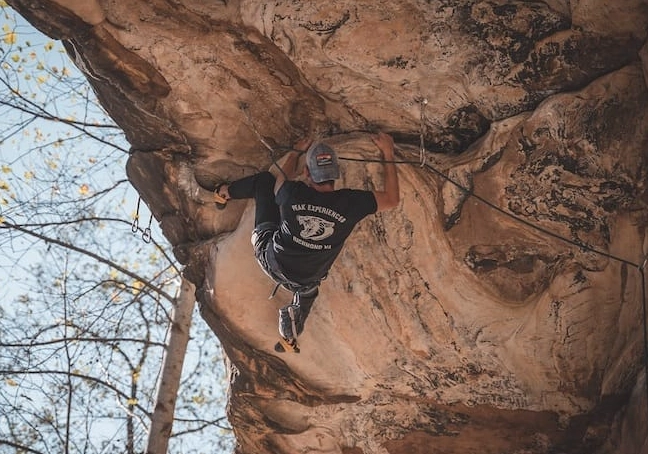
Your Practical Plan: Combining Climbing and Nutrition
Let's make this actionable. Here’s a sample week for someone aiming to lose 0.5-1 pound per week through climbing.
Climbing Schedule (3-4x per week):
- Monday: HIIT Bouldering. 10-minute warm-up. 45 minutes of 4-minute on/1-minute off intervals on challenging problems. 10-minute cool-down stretch.
- Wednesday: Volume Rope Day. Climb 6-8 moderate routes. Focus on continuous movement, minimizing rest between climbs.
- Friday or Saturday: Skill/Project Day. Work on technique or a hard project. Lower calorie focus, higher fun factor.
- Bonus: A 45-minute brisk walk or light cycle on a rest day.
Nutritional Guidelines:
- Calculate your maintenance calories (use any online TDEE calculator). Subtract 300-500 calories for a gentle deficit.
- Aim for 1.6-2.2 grams of protein per kilogram of body weight daily to preserve muscle.
- Pack a post-climb snack: a protein bar, Greek yogurt, or a small handful of nuts and an apple.
- Cook at home 80% of the time. You control the oils, portions, and ingredients.
Can you lose weight rock climbing? Unequivocally, yes. It builds metabolically active muscle, torches calories in intense bursts, and is engaging enough to keep you coming back. But the climber's body is forged as much in the kitchen as on the wall. Focus on high-intensity sessions, fuel your body with purpose, and be patient. The weight will come off, and you'll gain something better: strength, skill, and a deeper connection to movement.