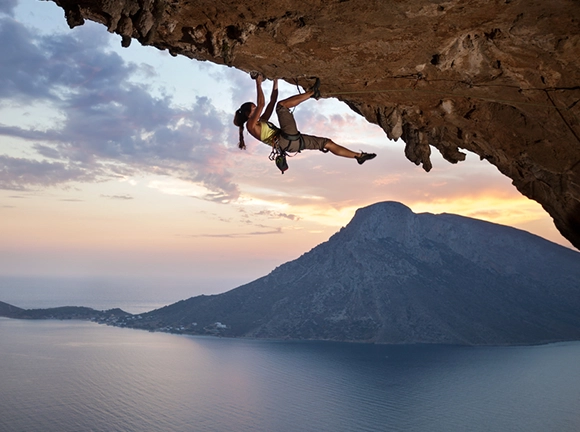
The short answer is yes, and no. It depends entirely on your expectations and how you start. If you walk into a gym and expect to scale the tallest wall like a spider-monkey on your first try, you'll be humbled. But if you approach it as a learnable skill—a physical puzzle—it becomes incredibly accessible and addictively fun. The perceived difficulty for most beginners isn't about raw strength; it's a cocktail of fear, unfamiliar movement, and not knowing where to begin.
I remember my first time. My forearms screamed after ten minutes, my feet felt like clumsy blocks, and looking down from even a modest height sent a jolt through me. I thought, "Maybe this isn't for me." That was fifteen years ago. The barrier wasn't the climb itself; it was my approach.
What's Inside: Your Quick Climb Guide
Why Rock Climbing Feels Hard at First (And How to Beat It)
Let's dissect the three big hurdles. Understanding them takes away their power.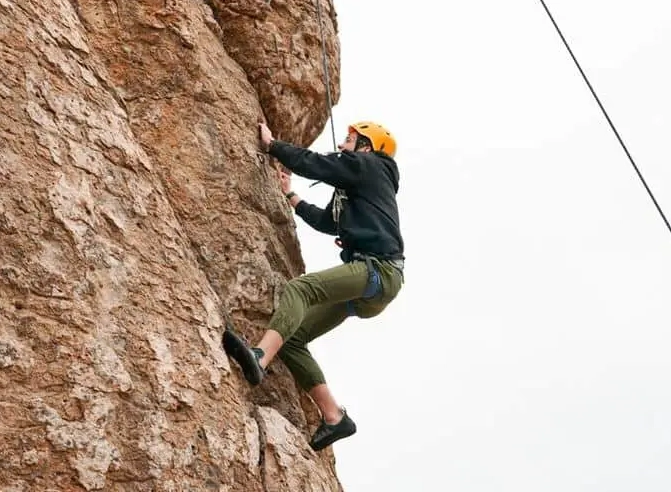
The Mental Game: Fear of Heights and Falling
This is the big one. Your brain is wired for self-preservation. Being off the ground triggers alarm bells. In roped climbing, there's the fear of the system failing. In bouldering (climbing shorter walls over pads), there's the fear of falling wrong.
Here's the non-consensus part: You don't have to conquer your fear to start. You just have to manage it. Start with bouldering. The walls are low, the mats are thick, and you can focus on the movement—the puzzle of where to put your hands and feet—without the mental load of height. It turns climbing into a gym-floor activity. The fear diminishes gradually as you build trust in your body and the equipment.
Pro Tip: When you feel the fear rising, don't look down. Look at the wall an inch from your face. Examine the texture of the next hold. Breathe. This hyper-focus on an immediate, mundane detail pulls you out of the panic spiral.
The Physical Puzzle: It's Not About Pull-Ups
New climbers burn out their arms in minutes because they muscle their way up. Rock climbing is a full-body, technical sport. Your legs are your primary engines. Your core keeps you balanced. Your fingers and forearms are for grip and fine control, not for hauling your entire weight.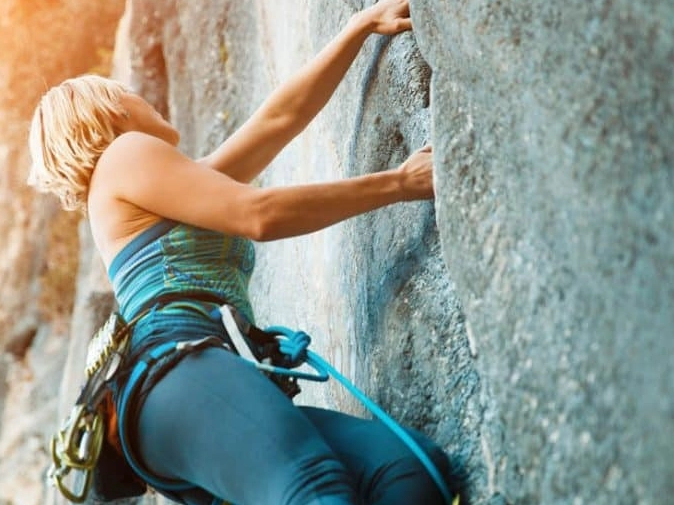
The most common mistake I see? People with their arms bent, hugging the wall, trying to pull. The efficient posture is arms straight, hips close to the wall, using your legs to stand up. It feels counterintuitive but changes everything.
The Knowledge Gap: Grades, Gear, and Gym Etiquette
Walking into a climbing gym can feel like entering a foreign country. Color-coded holds, weird shoes, people shouting "Take!" and "Slack!". It's easy to feel like an imposter.
The secret? Everyone felt that way once. The culture, in my experience, is one of the most supportive in any sport. People love seeing newcomers. A simple "Hey, I'm new, any tips on this one?" will almost always get you friendly advice. The systems (like the V-scale for bouldering or Yosemite Decimal System for roped climbs) are just tools for choosing appropriate challenges. Start at the absolute easiest grade (usually V0 or 5.5) and ignore everything else for now.
Your First Session: A Step-by-Step Game Plan
Let's make this actionable. Here’s exactly what to do for your first visit.
- Find a Local Gym: Search for "rock climbing gym near me." Look for one with good reviews and, crucially, a "beginner's night" or "intro to climbing" class. Places like The Front Climbing Club or Movement Gyms (if you're in the US) are great chains, but local independents are often fantastic.
- Book an Intro Class: Do not just show up and try to figure it out. Book a "Belay Lesson" (for roped climbing) or a "Bouldering Intro." This 60-90 minute session teaches you safety fundamentals, basic movement, and gym rules. It's non-negotiable for roped climbing and highly recommended for bouldering.
- What to Wear & Bring: Wear comfortable, flexible clothing you can move in—like gym wear. Avoid baggy pants that might catch. Bring a water bottle and a pair of socks (for rental shoes). That's it.
- At the Gym: Check in, rent your gear (shoes and harness if doing roped climbing), and meet your instructor. Listen closely. The safety briefing is the most important part.
- Your First Climb: After the lesson, find the easiest problems/routes. Don't chase height. Chase movement. Try to climb the same easy route three times, focusing on moving smoother each time. Rest for 3-5 minutes between attempts. Your goal isn't to send; it's to learn how your body moves on the wall.
Gear Breakdown: What You Actually Need to Start
You need almost nothing for your first several visits. Rent everything. Once you're hooked, here's the purchase order.
| Item | Purpose | Beginner Price Range | Key Advice |
|---|---|---|---|
| Climbing Shoes | Provides grip and sensitivity on footholds. | $80 - $120 | Your first shoe should be snug but not painfully tight. A flat or slightly downturned profile is best. Never buy shoes without trying them on. |
| Harness | Attaches you to the rope for safety. | $50 - $80 | Get a basic, comfortable harness with adjustable leg loops. Fit is crucial—it should sit on your hips, not your waist. |
| Chalk & Chalk Bag | Keeps hands dry for better grip. | $15 - $25 | A simple bag and loose chalk is perfect. Don't get liquid chalk yet. |
| Belay Device & Locking Carabiner | For controlling the rope to catch a fall. | $25 - $40 | Only buy this after you've passed your gym's belay test. An assisted-braking device like a GriGri is safer for beginners but more expensive. |
What NOT to buy yet: Rope, quickdraws, crash pad (for outdoor bouldering), camming devices. These are for outdoor climbing and require significant mentorship.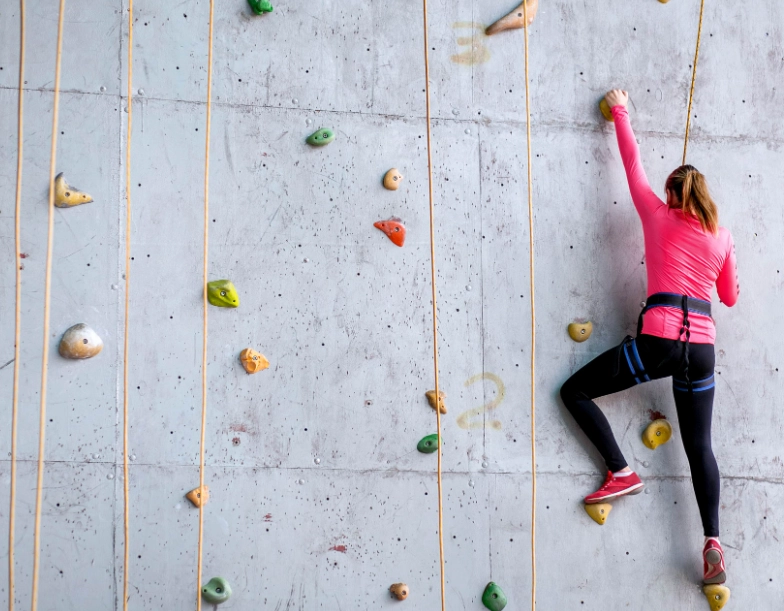
Indoor Gym vs. Outdoor Crag: Where to Begin
This isn't even a debate. Start indoors. Full stop.
Outdoor climbing is the ultimate goal for many, but it's a terrible place to learn the basics. You're dealing with variable rock quality, weather, route finding, and far more complex safety systems. According to safety analyses from organizations like the American Alpine Club, a significant portion of climbing accidents involve judgment errors by those with limited experience.
The gym is a controlled laboratory. The holds are bolted on, the routes are color-coded and graded, the falls are clean, and help is seconds away. You can climb in a t-shirt and shorts in the middle of winter. You build movement vocabulary, finger strength, and trust in the rope system in the safest possible environment.
After 3-6 months of consistent gym climbing, then start looking for an experienced mentor or a guided outdoor intro course to make the transition.
Critical Safety Note: The skills learned in a gym (like top-rope belaying) are foundational but not directly transferable to outdoor lead climbing. Outdoor climbing requires additional, critical skills like building anchors, assessing rock, and placing protection. Never assume gym competence qualifies you for the crag without proper mentorship.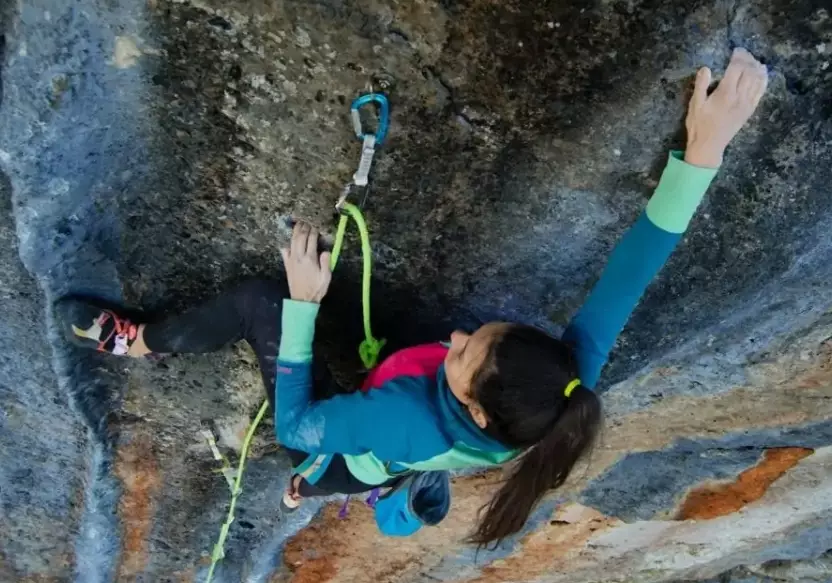
From First-Timer to Regular: How to Make Real Progress
So you've gone a few times and you're hooked. How do you get better without hitting a wall (pun intended)?
Climb regularly, not heroically. Going once a week for 90 minutes is far better than a 4-hour marathon once a month. Consistency builds muscle memory and technique.
Climb down. Seriously. One of the best drills is to climb an easy route and then try to down-climb it slowly, with control. It forces you to look for footholds and plan movements, building spatial awareness.
Watch other climbers. See someone gracefully float up a problem you struggle with? Watch their foot placement, their body positioning, where they rest. Don't just stare at their hands.
Embrace failure. "Falling" is not failing. It means you're trying something at your limit. The goal of a session isn't always to send a new problem; it can be to work on the first three moves of a harder one.
After a few months, you might add some basic off-the-wall conditioning: fingerboard hangs (with extreme caution—go light to avoid injury), pull-ups, and core work. But for the first year, your primary training should be climbing itself.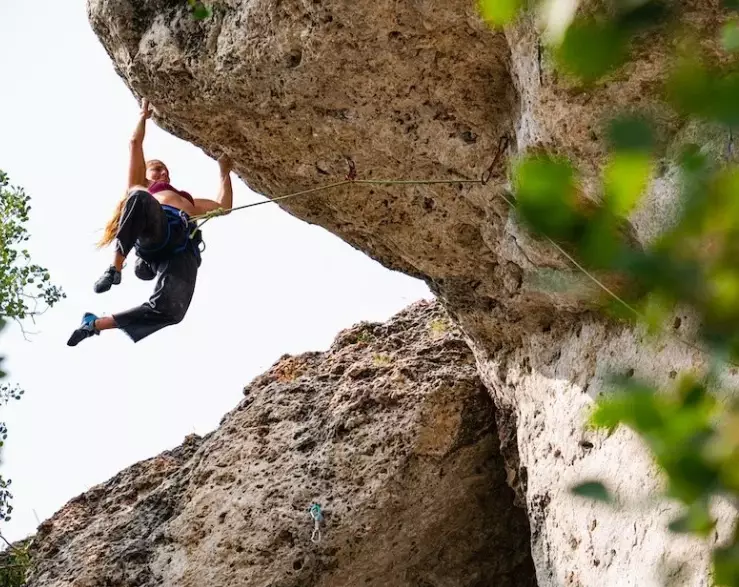
Your Questions, Answered
So, is rock climbing hard for beginners? The initial learning curve is real—it's a new language of movement. But the barrier to entry is lower than most people think. The difficulty isn't an insurmountable wall; it's a series of small, surmountable steps. The community is waiting to help you up the first one. Your only job is to walk through the gym door.
Find that intro class. Book it. See you on the wall.