Let's get this out of the way: there's no single "best" time for all national parks. Anyone who tells you otherwise is selling a generic postcard. The real answer is messy, personal, and depends entirely on what you value most. Is it perfect hiking weather? Seeing baby animals? Having a famous viewpoint to yourself? Your ideal time hinges on which trade-offs you're willing to make.
I've spent over a decade chasing seasons across parks from Acadia to Zion. I've been stuck in bumper-to-bumper traffic in Yellowstone in July and shivered on an empty rim of the Grand Canyon in February. The magic moment isn't on a calendar; it's in the alignment of your priorities with a park's rhythm.
This guide won't just list seasons. We'll dissect the factors—crowds, weather, wildlife, access—and apply them to specific parks. You'll learn why September might be Yellowstone's secret weapon, why spring in the Southwest is a gamble, and how to actually enjoy a popular park in the summer.
Your Quick Guide to Perfect Timing
The Four Pillars of Timing Your Visit
Stop thinking just "summer vs. winter." Your decision should balance these four elements. Nail two, and you'll have a great trip.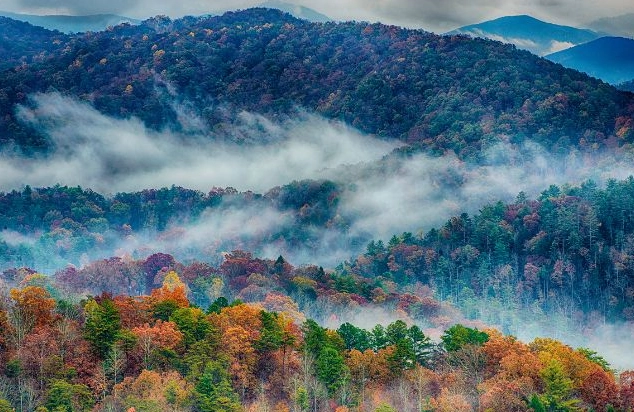
1. Crowds & The Visitor Ecosystem
This is the biggest variable. Crowds dictate parking availability, trailhead solitude, wait times for shuttles (like in Zion), and the overall peace of your experience.
Peak Season (Summer & Holidays): Maximum people. You need a military-like plan: enter before 7 AM, book everything 6-12 months out. The energy is high, all services are open, but spontaneity is dead.
Shoulder Seasons (Late Spring/Early Fall): The sweet spot for many. Fewer families, milder temps. This is where savvy travelers live.
Off-Season (Winter for most): You might have a canyon or forest to yourself. But the trade-off is serious: many roads, lodges, and visitor centers are closed. Your trip becomes about contemplation, not conquest.
2. Weather & Seasonal Access
Weather determines what you can actually do. A "closed" sign on a scenic drive ruins plans.
3. Wildlife Activity
Animals follow their own calendar. Want to see bears? Spring and fall. Elk rutting? Fall. Baby animals? Late spring. Bird migrations? Spring and fall. Winter offers unique tracking opportunities and seeing animals against snowy landscapes.
4. Cost & Availability
This is straightforward. Summer and holiday periods command premium prices for flights, rental cars, and lodging inside or near the park. Shoulder and off-seasons can offer significant savings, but you must confirm what's actually open.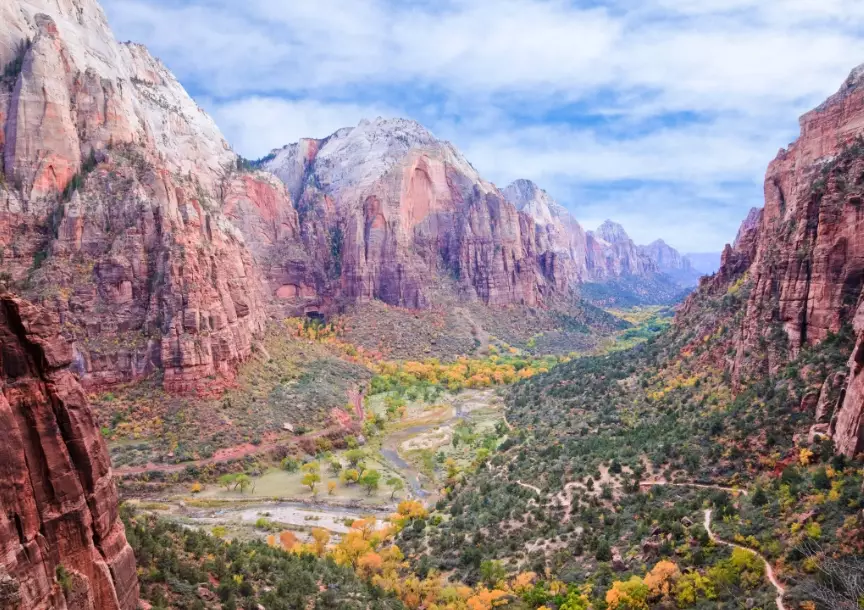
Spring: The Season of Rebirth and Risk
Spring is a tale of two halves. In lower-elevation parks, it's glorious. In mountain parks, it's often just a slushy extension of winter.
The Good: Wildflowers explode in deserts (Death Valley, Saguaro) and forests. Waterfalls are at their most powerful from snowmelt (Yosemite's cascades are thunderous in May). Crowds are lighter than summer. Wildlife is very active—bear sightings ramp up.
The Bad & The Ugly: "Shoulder season" here can mean mud season. Trails can be soggy, impassable, or closed. In higher parks (Yellowstone, Rocky Mountain), most high-country trails remain snow-covered until June. Weather is wildly unpredictable—sunshine can turn to a blizzard in hours. Always pack for all conditions.
Summer: Peak Access, Peak Crowds
This is when the parks are fully "on." All roads are open, all services are running, and the weather is (generally) cooperative for hiking and camping. It's also when you'll experience the full force of modern park popularity.
The secret to a good summer visit isn't avoiding crowds—it's managing them.
- Embrace the Dawn: Be through the gate by 6:30 AM. You'll get parking, quiet trails, and the best light for photography.
- Target Weekdays: A Tuesday in July is still busy, but it's worlds better than a Saturday.
- Seek the Less Famous: In Yosemite, hike to North Dome instead of Half Dome. In Zion, explore Kolob Canyons instead of fighting for a shuttle ticket to Angels Landing.
- Book Like Your Trip Depends On It: Because it does. Lodging inside parks like Yellowstone, Grand Teton, or Glacier sells out a year in advance for summer.
Fall: The Golden Window for Many
For my money, early fall (September to mid-October) is the champion season for a huge number of parks. The summer crowds vanish almost overnight after Labor Day. The weather stabilizes—warm days, crisp nights. Bugs are gone. And the wildlife puts on a show.
This is prime time for the elk rut in Rocky Mountain National Park. It's when aspen groves in Colorado and Utah turn blinding gold. It's when you can hike in the Grand Canyon without fearing heatstroke.
The catch? This window is short, and everyone in the know is trying to squeeze through it. Planning is still essential.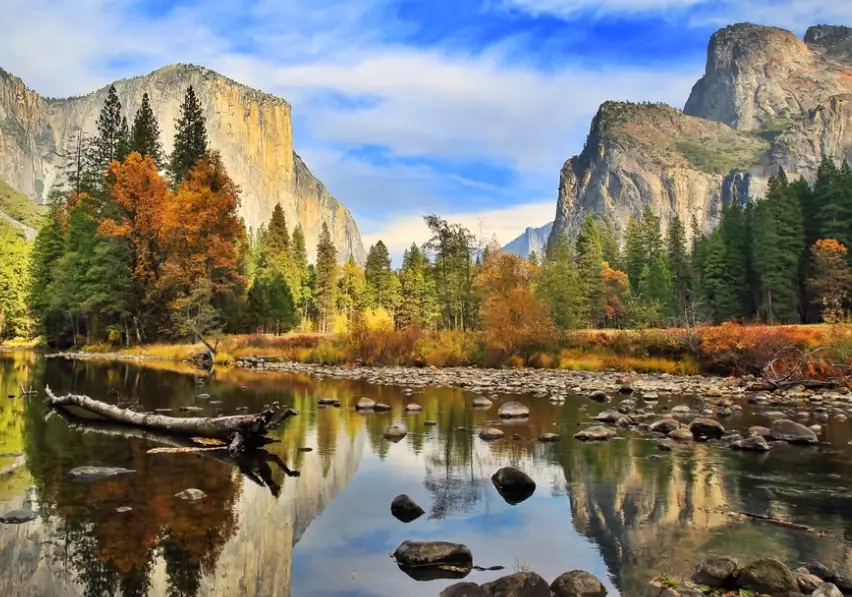
Winter: Solitude and Stark Beauty
Winter transforms parks. The silence in a snow-covered sequoia grove or along the South Rim of the Grand Canyon is profound. Crowds are a non-issue. You'll see the parks in a way 80% of visitors never do.
But you must shift your expectations. Your trip becomes about snowshoeing, cross-country skiing, scenic drives, and photography—not about checking off a list of long, high-elevation hikes.
| Park | Winter Vibe | Key Limitation |
|---|---|---|
| Yellowstone | Surreal geothermal landscapes in the snow. Guided snowcoach or snowmobile access only to the interior. | Most roads closed to regular cars. Limited, expensive access. |
| Yosemite | Frozen waterfalls, firefalls at Horsetail Fall (if conditions align), quiet valley. | Tioga and Glacier Point Roads closed. Chains often required on tires. |
| Great Smoky Mountains | Clear, long-range views through leafless trees. Very quiet. | Primary Newfound Gap Road can close temporarily due to ice/snow. |
| Rocky Mountain | World-class snowshoeing and skiing. Trail Ridge Road closed. | Extreme cold and wind chill at high elevations. |
Park-Specific Advice: Yellowstone, Zion, Great Smokies & More
Let's get concrete. Here’s the nuanced timing for some of the heavy hitters.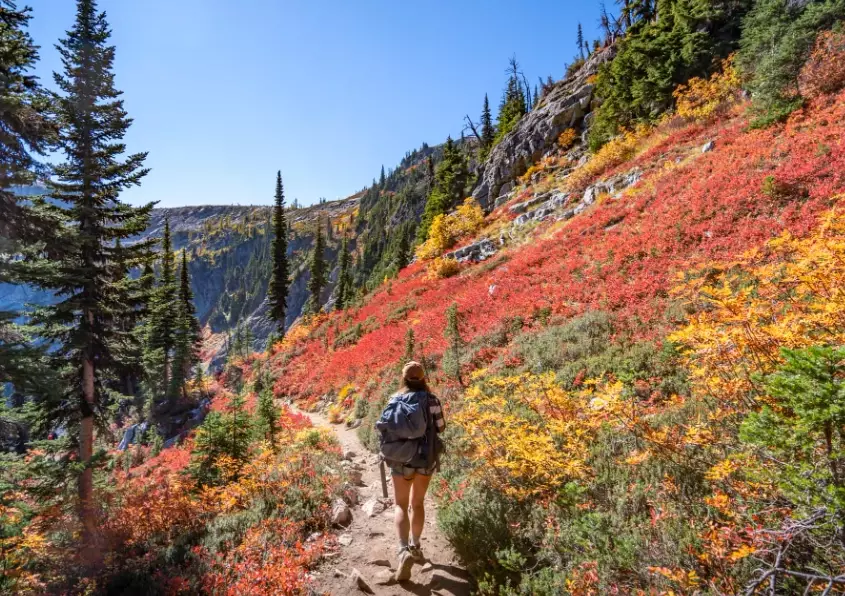
Yellowstone National Park
The Crowd Magnet: Its summer popularity is legendary. My strong, non-consensus recommendation? Target September. Why? The August masses have left. The weather is still decent (though nights get cold). Wildlife is hyper-active—bears are in hyperphagia, elk are bugling, and they're all easier to spot against the changing vegetation. Early June is a second choice, but expect mud, mosquitoes, and possibly lingering snow.
Avoid July if you dislike traffic jams caused by bison.
Zion National Park
The Southwest Icon: Spring (March-May) and Fall (Sept-Nov) are ideal. Summer is furnace-hot in the canyon, and the wait for the shuttle can be hours long. A pro tip: visit in late November. The autumn colors might be past peak, but the crowds are minimal, the temperatures are cool-perfect for hiking, and you have a real shot at walking right onto a shuttle. The Narrows hike is often off-limits due to cold water temps, so have a Plan B.
Great Smoky Mountains National Park
The Most Visited: It's busy year-round, but for good reason—each season shines. October is peak for fall colors, and peak for gridlock on the roads. Go mid-week if you must see the colors. June offers lush green mountains and roaring streams from spring rain. Winter offers solitude, but be prepared for closures on Newfound Gap Road.
Acadia National Park
The Coastal Gem: Fall foliage here is a world-class event, and the park is packed. For a different vibe, try late May or early June. The crowds are lighter, the lupines are in bloom, and the air is fresh. Summer is lovely but busy. Winter is for hardy souls who enjoy snow and ice on the coast.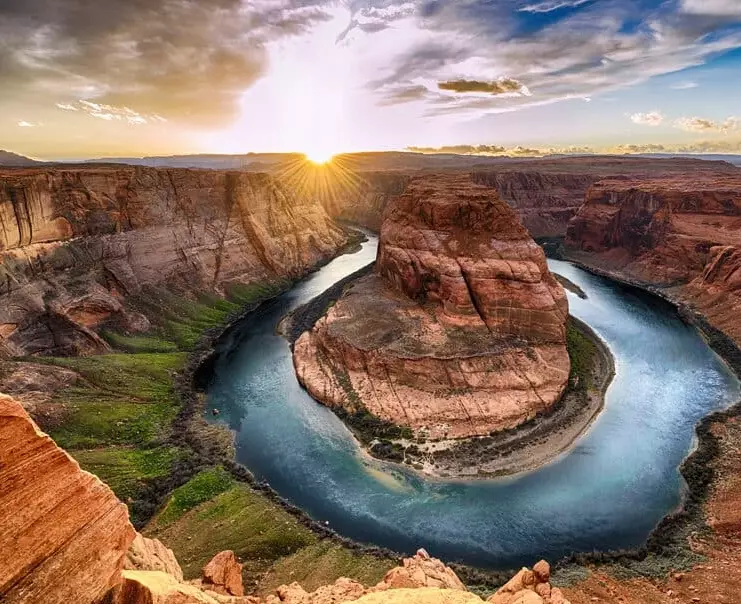
Expert FAQs: Your Tough Questions Answered
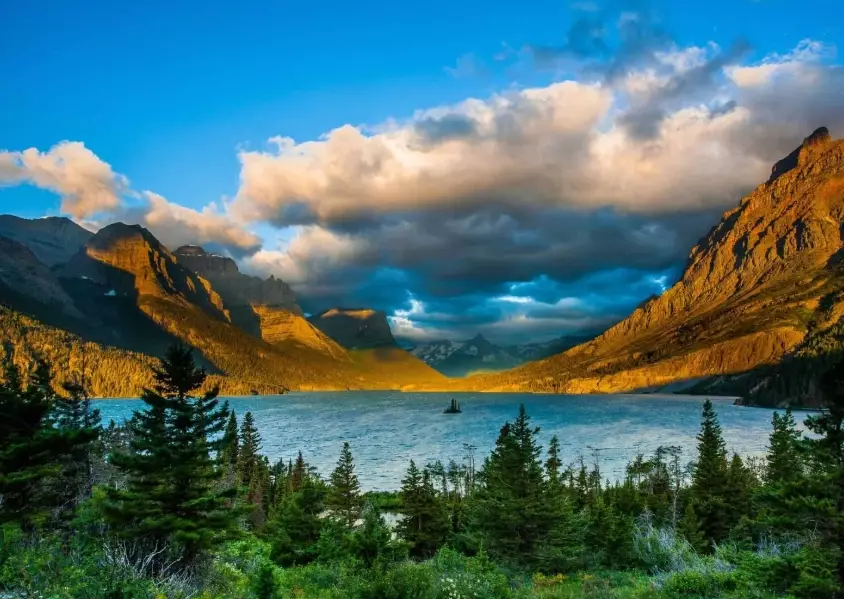
Final thought? The best time isn't a month. It's the moment when your preparation meets a park's unique seasonal offering. Decide what matters most to you—solitude, wildlife, wildflowers, or easy access—and work backwards from there. That's how you find your perfect time.