We all make mistakes. On the trail, though, a simple error can escalate from a minor annoyance to a serious threat faster than you can say "blister." After a decade of hiking everything from local hills to multi-day alpine routes, I've seen—and made—plenty of blunders. The goal isn't to scare you off the trail, but to arm you with the knowledge that most people only get from hard-won experience, often the unpleasant kind.
This isn't another list telling you to bring water. We're going deeper, into the subtle, counterintuitive, and frequently overlooked errors that catch even seasoned hikers off guard.
Your Quick Trail Guide: Mistakes to Sidestep
Mistake 1: The Planning & Preparation Pitfalls
Your hike succeeds or fails before you even lace up your boots. Rushing this phase is the root cause of most problems.
Not Checking the Weather... For the Summit
You look at the forecast for the trailhead town. Sunny, 75°F. Perfect. You drive up, start hiking, and two hours in, a cold front slams into the ridge you're on. Temperatures plummet, wind howls, and visibility drops to zero.
This happens all the time. Mountain weather is its own beast. The forecast for the valley is meaningless. You need to check resources specific to the elevation and exposure of your route. Sites like Mountain-Forecast.com or NOAA's point forecasts are crucial. Look for wind speed, freezing level, and precipitation type, not just icons.
Assuming the Trail Will Be Easy or Obvious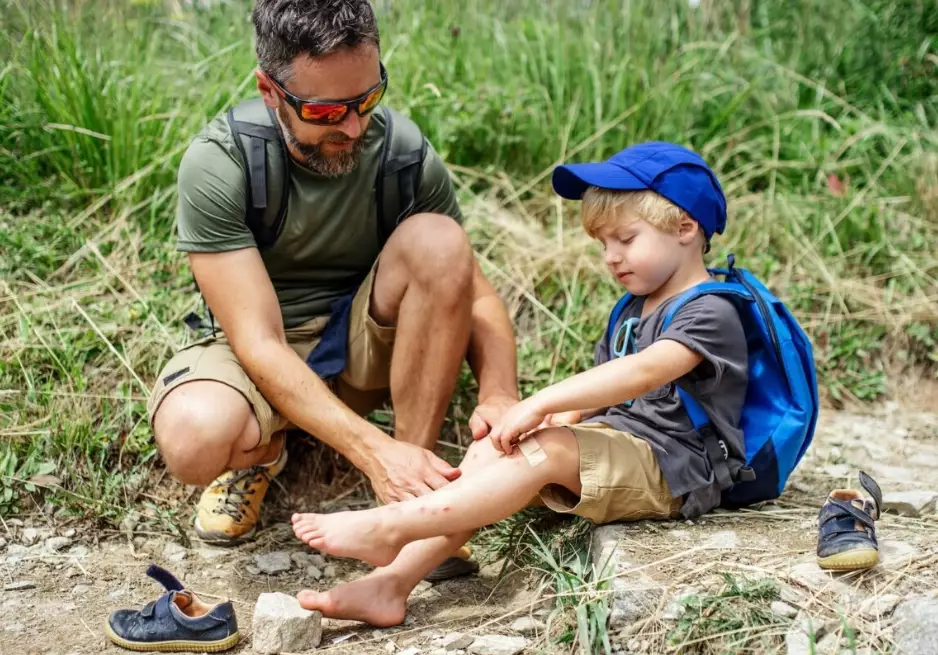
"It's a popular trail, how hard can it be?" Famous last words. Trail conditions change. A spring storm can down dozens of trees, turning a clear path into an obstacle course. Snow lingers on north-facing slopes well into summer. A key bridge might be out.
Always check recent trail reports. The National Park Service or local forest service websites often have alerts. Hiking forums like AllTrails (check the most recent comments, not just the star rating) or local hiking Facebook groups are gold mines for real-time intel. Don't rely on a guidebook from five years ago.
Failing to File a Trip Plan
You're just going for a few hours. You tell your partner you're "going to the state park." If you twist an ankle and can't get back to your car by nightfall, search and rescue has no idea where to start looking. A vast, vague area.
A trip plan is not paranoid; it's responsible. It doesn't need to be formal. Text a reliable person: exact trailhead name, planned route (e.g., "Blueberry Loop clockwise"), your car's make/model/license, and your expected return time. The rule: If I'm not back by X time, call for help. Stick to it.
Mistake 2: Gear & Clothing Goofs
Wrong gear won't just ruin your day; it can actively work against you.
Wearing Cotton Anything (The "Cotton Kills" Mantra Exists for a Reason)
Jeans and a cotton hoodie are the unofficial uniform of every struggling hiker I've ever had to assist. Cotton absorbs moisture like a sponge and holds it against your skin. Sweat, a stream crossing, rain—it doesn't matter. Wet cotton drains body heat 25 times faster than air. In cool or windy conditions, this leads directly to hypothermia.
Invest in synthetic fabrics (polyester, nylon) or wool (merino is fantastic). They wick moisture away and retain insulating properties even when damp. This is non-negotiable.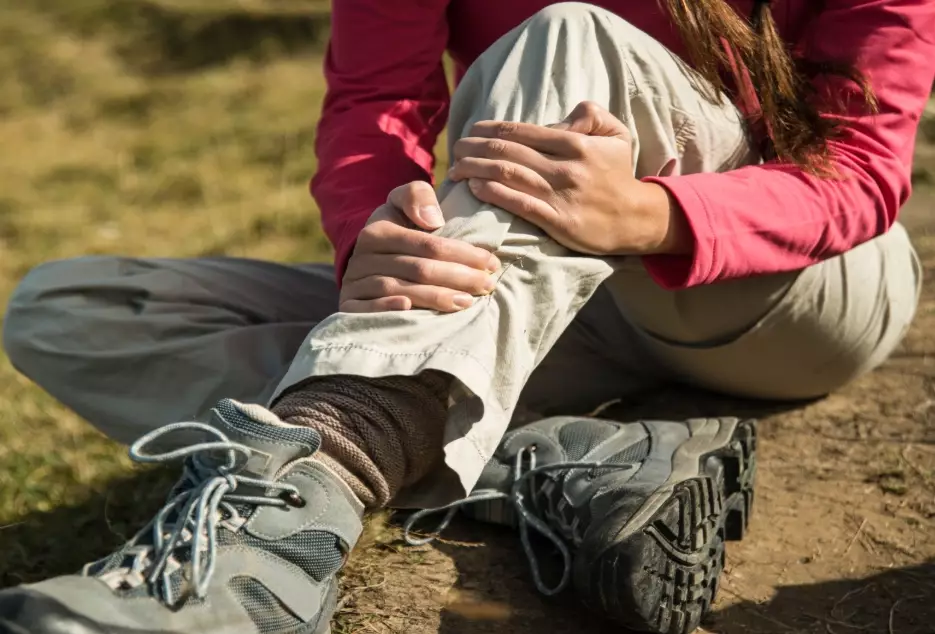
Using Brand New Boots on a Big Hike
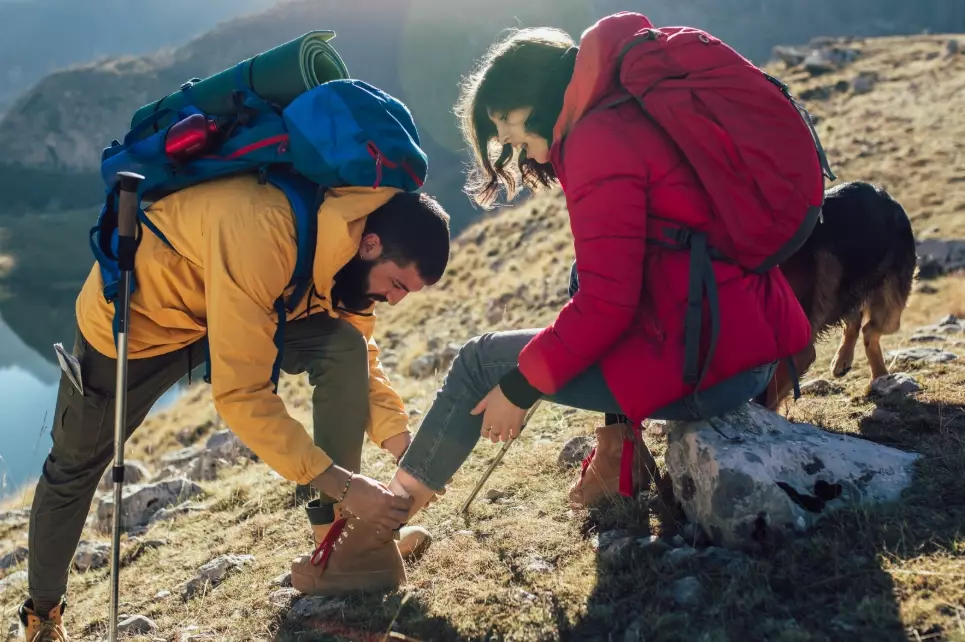
That shiny, stiff pair of hiking boots needs a break-in period. The leather and footbed must mold to your unique foot shape. Wearing them for the first time on a 10-mile hike is a guaranteed recipe for blisters so severe they can stop you in your tracks.
Wear them around the house, then on short walks, gradually increasing distance. Your feet will thank you.
Packing Your Fears (and Nothing Else)
There are two extremes: the ultra-lightweight who brings a single 500ml water bottle for a desert hike, and the over-packer who carries 40 lbs for a 5-mile loop because they're afraid of being cold, hungry, thirsty, and attacked by bears all at once.
The sweet spot is the Ten Essentials system, advocated by organizations like The Mountaineers. It's not ten items, but ten systems: Navigation, Sun Protection, Insulation, Illumination, First-Aid, Fire, Repair Kit, Nutrition, Hydration, Emergency Shelter. Tailor each system to your hike. A summer day hike needs less insulation than an autumn overnight. But you should *think* about each category every time.
Mistake 3: On-Trail Navigation & Etiquette Errors
Once you're moving, a new set of pitfalls emerges.
Following a "Shortcut" or Leaving the Trail to "Get a Better View"
This is arguably the number one cause of search and rescue calls. That social trail that seems to cut off a switchback? It causes massive erosion and often dead-ends or leads you into steep, unstable terrain. Leaving the established trail to bushwhack to a viewpoint is how people get disoriented and lost, sometimes within shouting distance of the path.
Stay on the marked trail. Always. It's there for your safety and to protect the fragile ecosystem.
Hiking Too Fast at the Start
Adrenaline is pumping, the trail is fresh, and you blast off like it's a race. An hour later, you're gasping, sweating buckets, and your legs feel like lead. You've burned through your energy reserves and morale plummets.
Start slow. Find a pace where you can hold a conversation comfortably. You should be breathing harder than normal, but not wheezing. You'll conserve energy, enjoy the scenery more, and have reserves for the final climb or the drive home.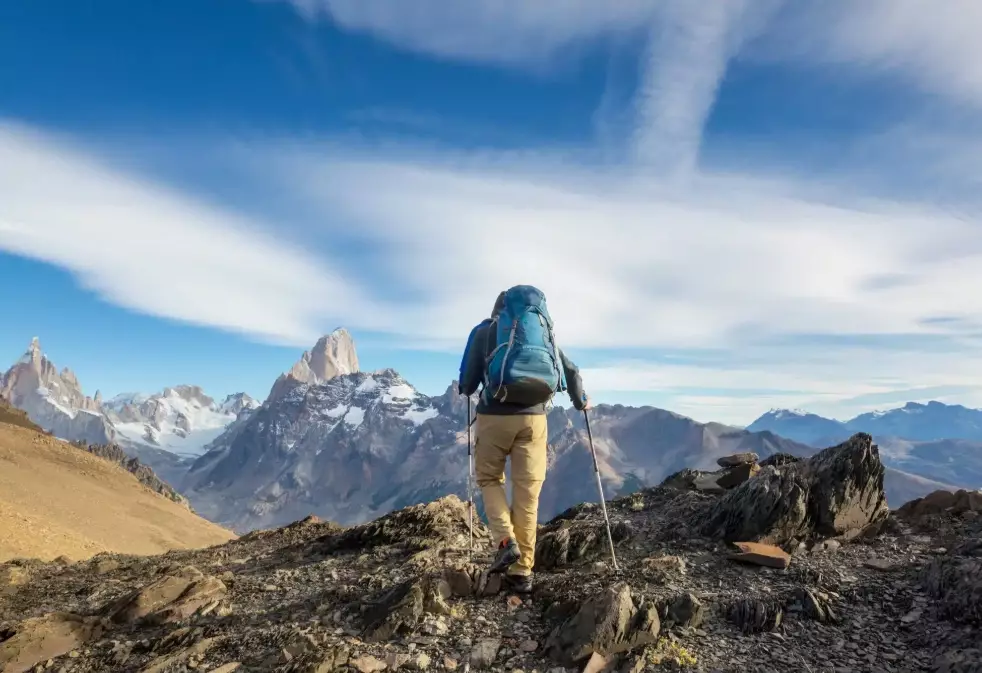
Ignoring "Minor" Pain
A hot spot on your heel, a slightly twisted ankle you "walked off," a nagging ache in your knee. The trail mentality says "push through." This is how a hot spot becomes a blister that ruptures, a mild sprain becomes a severe ligament tear, and knee pain becomes a chronic issue.
Stop immediately at the first sign of a hot spot and apply moleskin or tape. Rest and assess any twist. Listen to your body. Turning around early because of pain is a sign of wisdom, not weakness. I've had to limp out on a bad knee for miles, and I promise you, the regret is immense.
Mistake 4: Critical Safety & Environmental Oversights
These mistakes impact both you and the places you love.
Not Carrying (or Knowing How to Use) a Map & Compass
Your phone is not a reliable navigation tool. Batteries die. Phones break. You drop it in a stream. There's no service in the backcountry. If your GPS app fails and all you have is a dead phone, you are genuinely lost.
Carry a detailed paper map of the area and a compass. More importantly, know the basics of how to use them: orienting the map, identifying landmarks, following a bearing. Take a free course from an outdoor shop or a local hiking club. This skill is your ultimate backup.
Approaching or Feeding Wildlife
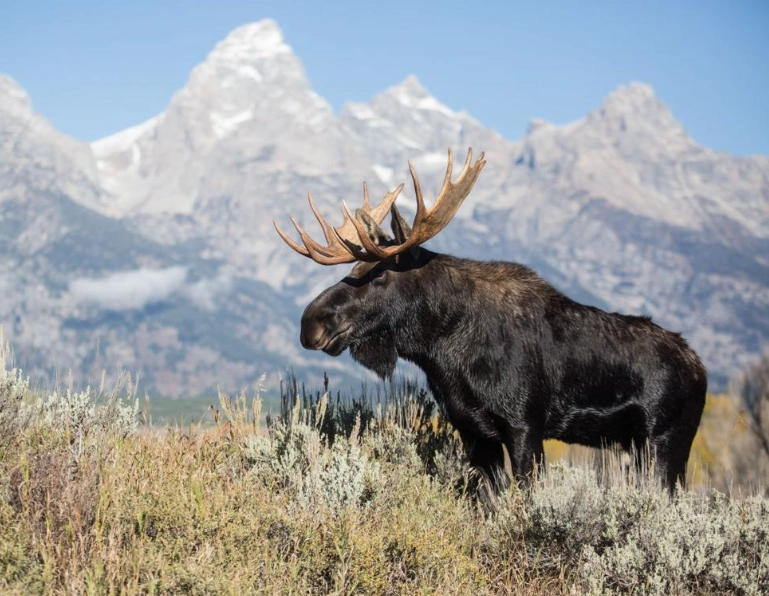
That chipmunk is cute. That deer seems calm. That bear looks small from a distance. Feeding animals—intentionally or by leaving crumbs—teaches them to associate humans with food. This leads to aggressive behavior, and often, the animal's death. A fed bear is a dead bear.
Observe all wildlife from a safe distance using binoculars or a zoom lens. Store all food, trash, and scented items (toothpaste, sunscreen) in a bear canister or provided food locker. Follow Leave No Trace principles religiously.
Underestimating Water Needs
You brought a liter. The hike is harder than expected, it's hotter, and you're sweating more. Dehydration sets in subtly—headache, fatigue, irritability, dizziness. It impairs your judgment and physical ability, making every other risk more dangerous.
A good rule of thumb is to carry at least half a liter per hour of moderate hiking in moderate temperatures. Double that for heat or intense exertion. Know where your water sources are on the map and carry a way to treat water (filter, purification tablets, UV pen) if you plan to refill.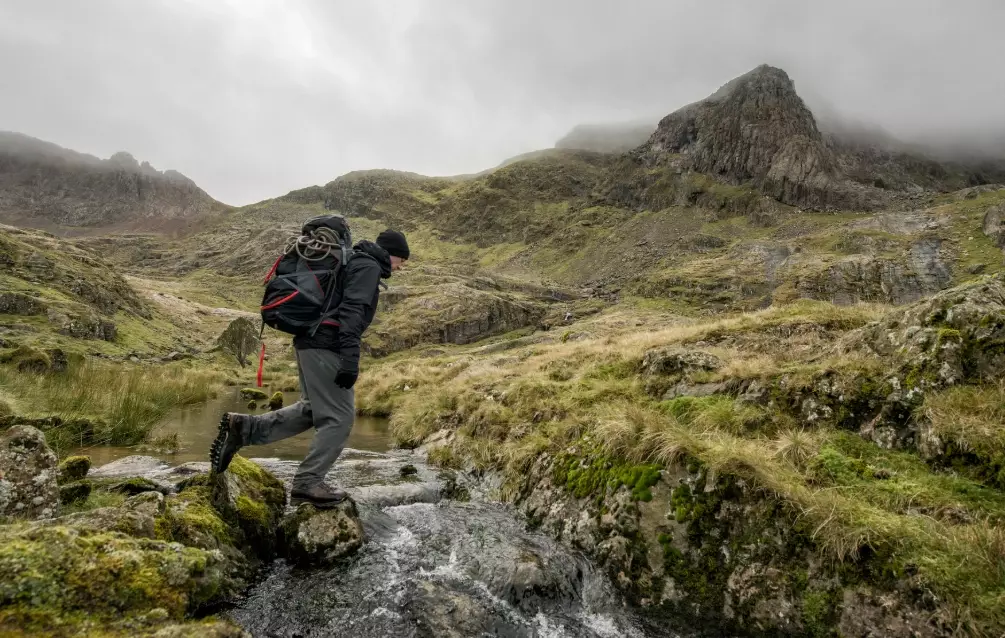
Mistake 5: Post-Hike Blunders
The hike isn't over when you reach the car.
Neglecting Your Feet and Gear
You get home, peel off your sweaty socks, and collapse on the couch. Tomorrow, your boots are still damp and smelly, and a small blister you ignored has become infected.
Post-hive care is crucial. Clean and dry your feet. Address any blisters with antiseptic and a bandage. Pull the insoles out of your boots, stuff them with newspaper, and let them air dry away from direct heat. Clean dirt off your gear. A little maintenance extends the life of expensive equipment and prevents foot problems on your next outing.
Not Analyzing What Went Wrong (or Right)
Every hike is a learning experience. Did your new backpack chafe? Was your water supply insufficient? Did that shortcut on the map actually save time? Make mental or quick notes. This feedback loop is how you refine your systems and become a more competent, self-reliant hiker. Don't just move on to the next trail.
Your Hiking Mistakes Questions Answered
Complacency. After a hundred successful hikes, it's easy to think, "I've got this." You might skip checking the weather for a familiar trail, leave the map behind, or push a little farther than planned because you feel fine. Experience should teach you to respect the mountains more, not less. The most seasoned guides are often the most meticulous planners because they've seen how quickly conditions can change.
Ignoring electrolyte balance. Drinking huge amounts of plain water without replacing salts lost through sweat can lead to hyponatremia (water intoxication), which is dangerous and has symptoms similar to dehydration (nausea, headache, confusion). You need to consume salty snacks or use electrolyte tablets/powders in your water. A classic sign is if your sweat stops stinging your eyes—it means you're losing too much salt.
 Is it really that bad to hike alone if I'm prepared?
Hiking alone amplifies every other mistake. A simple fall becomes a major crisis with no one to help. Your judgment error has no one to question it. If you choose to solo hike, you must be obsessive about your trip plan, carry a reliable communication device (like a satellite messenger, not just a phone), and have the skills to self-rescue. For beginners, hiking with a partner or group is unequivocally safer and more enjoyable.
Trampling off-trail to pee. It seems harmless, but in high-use areas, dozens of people doing this creates a network of social trails and concentrates waste. The proper practice is to go at least 200 feet (about 70 adult steps) from any water source, trail, or camp. Use a cathole 6-8 inches deep in organic soil, and pack out your toilet paper in a zip-lock bag. It's not glamorous, but it protects water quality and keeps the area pristine for others.