You've been climbing for a bit. You can top rope 5.9s, maybe flirt with a 5.10a. But progress feels slow. You hit the gym twice a week, try hard, but your fingers feel weak, your footwork is sloppy, and that next grade seems miles away. Sound familiar? I've been there. The problem isn't effort—it's direction. Random climbing sessions won't cut it. You need a structured plan. This 6-week climbing training program is the roadmap I wish I had when I started. It's not magic, but it's the systematic approach that bridges the gap between wanting to improve and actually sending harder routes.
Your Quick Climb Plan Guide
What You Need Before You Start This 6-Week Program
Don't just jump in. A little setup prevents a lot of frustration (and injury).
First, assess your baseline. Can you comfortably climb 5.9? Do you know how to fall safely on a bouldering pad? This program assumes you're not a total day-one novice. You should have basic movement vocabulary and be able to complete a 60-minute gym session without being wrecked for two days.
Set a specific, measurable goal. "Get better" is useless. "Consistently send V3 boulders" or "Lead a 5.10b cleanly" is a target. Write it down.
Gear check. You don't need much, but you need the right stuff. Shoes that fit (not agonizingly tight, that's an old myth), comfortable clothes, chalk, and a water bottle are essentials. For the strength portions, access to a pull-up bar, some resistance bands, and maybe a set of light dumbbells (10-20 lbs) is ideal. A hangboard is beneficial later in the program, but it's not mandatory for week one. Many people rush to hangboards and get hurt.
The 6-Week Plan: Week-by-Week Breakdown
Here's the core schedule. This is a 3-days-per-week climbing plan, with optional light mobility or cardio on off days. Rest is part of the program, not a deviation from it.
| Week | Primary Focus | Climbing Session Goal | Key Strength Work |
|---|---|---|---|
| Week 1: Foundation & Technique | Movement Efficiency | Climb 20-30 easy routes (2-3 grades below your max). Focus solely on silent feet, straight arms, hip positioning. | Bodyweight rows, planks, lunges. No max hangs. |
| Week 2: Volume & Endurance | Aerobic Capacity | 4x4s. Pick 4 moderate boulders/routes, climb them back-to-back, rest 4 minutes. Repeat 4 sets. | Add assisted pull-ups, push-ups for antagonist balance. |
| Week 3: Strength Acquisition | Finger & Pulling Power | Limit bouldering. Try 3-5 moves you can't do. Long rests (3-5 min) between attempts. | Beginner hangboard protocol (large edges, feet on), weighted pull-ups. |
| Week 4: Power & Dynamics | Explosive Movement | Practice dynamic moves to big holds. Campus board laddering only (if experienced). | Kettlebell swings, box jumps. Reduce pure climbing volume. |
| Week 5: Integration & Projecting | Applying Strength | Pick a 1-2 session project at your goal grade. Work the moves, link sections. | Maintenance strength: repeat Week 3 work at lower intensity. |
| Week 6: Taper & Send | Peak Performance | High-intensity, low-volume. Perfect attempts on your project. Focus on mental readiness. | Minimal strength work. Focus on mobility and activation. |
What a Sample Week 3 Session Looks Like
Let's get concrete. Wednesday, Week 3: Strength Focus.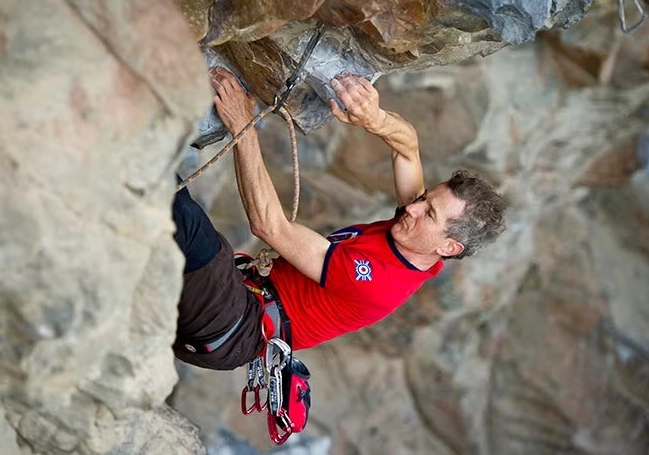
You arrive at the gym. Warm-up (20 mins): Light jogging, arm circles, wrist mobility. Then, traverse the easiest wall for 5 minutes, focusing on smooth movement. Do a few easy climbs, gradually increasing difficulty.
Main Climbing Set (45 mins): Find a boulder problem that's at your absolute limit—you might only stick the first move or two. Work on it. Try a move, rest 4 full minutes. I mean it. Set a timer. Your fingers need that recovery to build strength. Quality over quantity. You might only get 8-10 serious attempts in this block.
Supplemental Strength (15 mins): Hit the hangboard. Use a 20mm edge or a large jug. Hang with both feet on the ground, taking weight off. Do 5 sets of 7-second hangs, with 53 seconds rest. The goal is to feel tension, not failure. Then, 3 sets of 3-5 pull-ups, with perfect form.
Cool-down (10 mins): Stretch your forearms, shoulders, and hips. Drink water. That's it.
Non-Negotiable Training Principles for This 6-Week Cycle
The schedule is just the skeleton. These principles are the muscle and soul.
Progressive Overload, but Smartly. You need to add stress gradually. Week 2 is harder than Week 1. But "harder" doesn't always mean heavier weight. It can be more volume, less rest, or more complex movements. Listen to your body. A 10% increase per week is a safe guideline.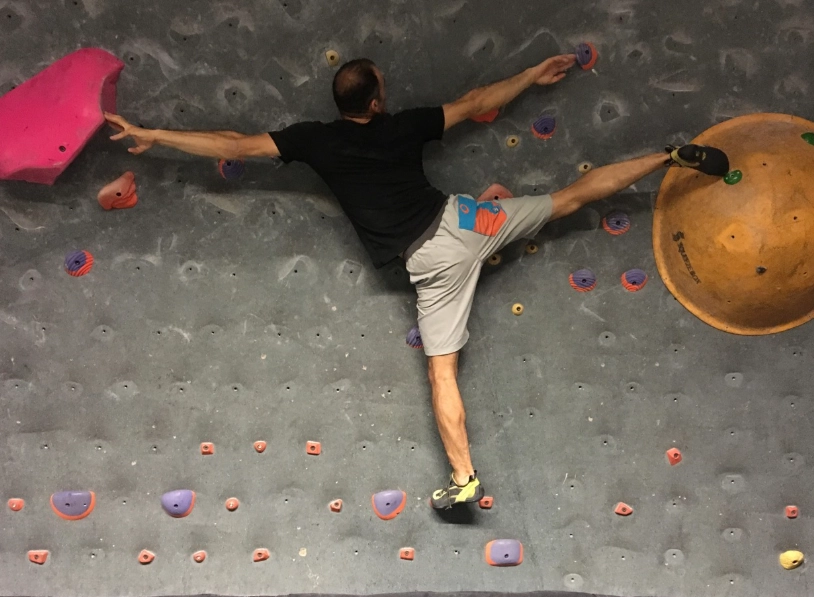
Rest is Not Optional. Your muscles get stronger when you recover, not when you train. The program has built-in rest days. Take them. Sleep 7-9 hours. This is the most underrated performance enhancer.
Nutrition and Hydration are Part of the Program. You can't fuel a sports car with cheap gas. Eat enough protein (aim for 0.7-1g per pound of bodyweight) to repair muscles. Carbs are your energy source for intense sessions. Drink water consistently, not just at the gym. Dehydration kills grip strength.
The Mental Game. Training is physical, but sending is mental. Use your project sessions to practice breathing techniques, visualization, and managing fear. Fall on purpose in a controlled manner to desensitize yourself.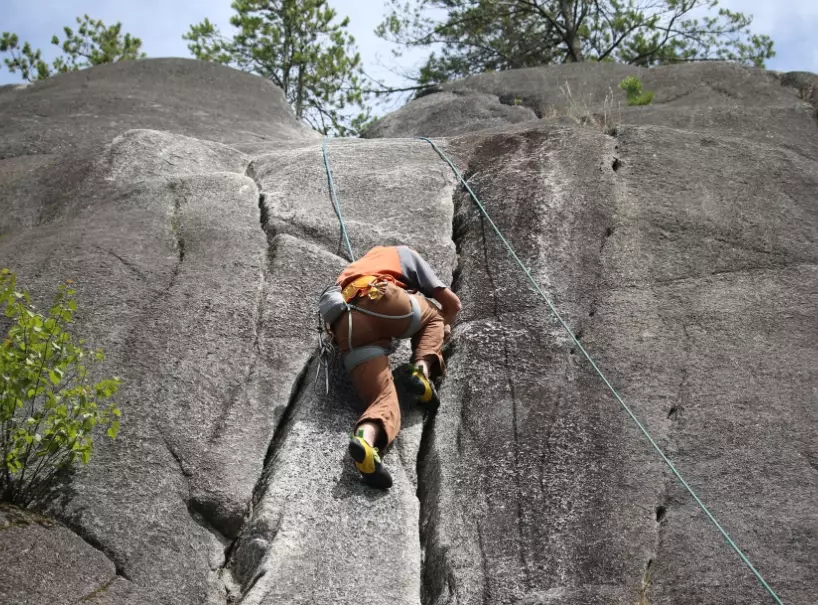
3 Common Mistakes That Will Ruin Your Progress
I've coached dozens of climbers. These are the patterns that hold people back.
Mistake 1: Skipping the "Easy" Technique Weeks. Everyone wants to jump to hangboarding and campusing. Your foundation is your footwork, body tension, and movement economy. If you neglect Week 1 and 2, you're building a skyscraper on sand. You'll be strong but inefficient, wasting energy on every move.
Mistake 2: Training Fingers Like Biceps. Finger flexor tendons are tiny, slow-adapting tissues. They don't respond well to high-rep, high-frequency pounding. The protocols in this program use low reps, long rests, and sub-maximal intensity for a reason. Going to absolute failure on a small edge every session is a one-way ticket to pulley town.
Mistake 3: Ignoring Antagonist and Opposing Muscle Groups. Climbing is a pulling sport. Your chest, triceps, and rear delts get neglected. This creates a muscle imbalance that pulls your shoulders forward, ruins posture, and is a prime cause of shoulder injuries. The push-ups and band pull-aparts in the plan are not suggestions. They are mandatory injury prevention.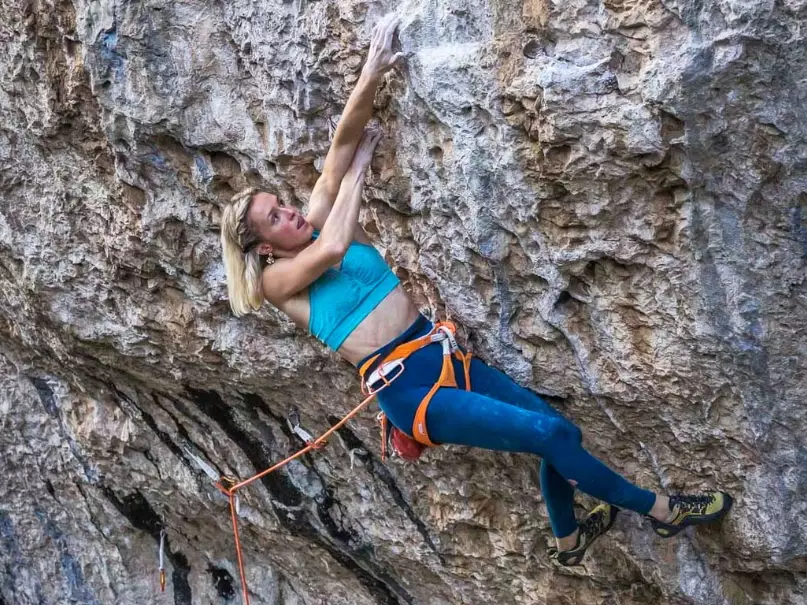
Your Climbing Training Questions, Answered
Can I do this 6-week program if I only have access to an indoor climbing gym?
I can only climb twice a week. Should I still follow this plan?
What if I hit a plateau halfway through the program?
How do I know if I'm ready for hangboard training?
Is this program suitable for female climbers?
Stick with this 6-week climbing training program. Be patient in the foundational weeks, disciplined in the strength phases, and courageous in the projecting week. It's a condensed journey that mirrors long-term athletic development. You're not just training for a grade; you're building a robust, resilient climbing body and a smarter climbing mind. Now go chalk up.