Quick Navigation
Let's be honest. Most people think about mountain safety as a list of rules they skim online the night before a hike. Pack water, tell someone where you're going, check the weather. It feels like common sense, right? Then you read another story about a rescue mission for an experienced hiker who "just went for a short trail" and didn't come back. That gap between knowing the rules and actually practicing them is where things go wrong.
I learned this the hard way years ago on a hike that was supposed to be straightforward. I had the right boots, a decent pack, and what I thought was a good plan. What I didn't have was a real understanding of how fast weather can turn, how easy it is to misjudge distance on a steep incline, or what to do when the trail simply vanished in a rocky section. I got cold, tired, and genuinely nervous before making it back. It wasn't a disaster, but it was a wake-up call. Mountain safety isn't a checkbox; it's a mindset and a layered system you build from the ground up.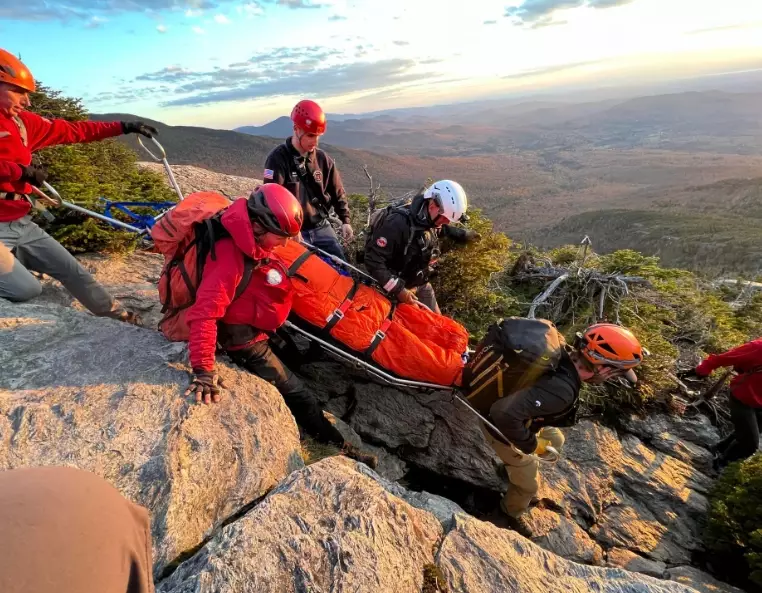
This guide isn't about scaring you off the trails. It's the opposite. It's about giving you a framework so solid that fear gets replaced by confident preparation. We're going to break it down into what you need to do before you leave, while you're out there, and if things go sideways. Think of it as your manual for self-reliance in the hills.
Phase 1: The Foundation – Your Pre-Hike Ritual
This is where 80% of your safety is decided. A rushed plan is a weak plan. Here’s how to build a rock-solid one.
Planning Like a Pro: More Than Just a Trail Name
You pick a trail. Great. Now, interrogate it.
- Source Intelligence: Don't rely on one blog post from 2018. Cross-reference. Use official park websites (like the U.S. National Park Service) for official alerts, trail closures, and permit requirements. Check recent reviews on apps like AllTrails for current conditions—is the bridge out? Is the spring dry?
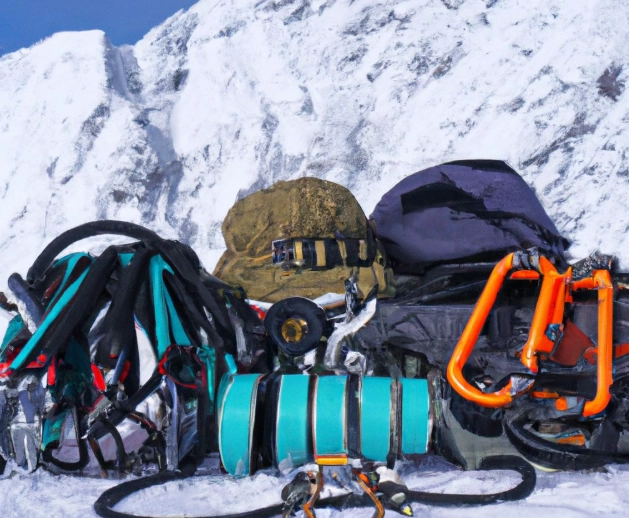
- Decode the Stats: Mileage and elevation gain are just the start. Look at the elevation profile. A 5-mile trail with 2,500 feet of gain is a steep, grueling climb, not a casual walk. Calculate your time realistically. Most people average 2 miles per hour on flat ground, but add 30-60 minutes for every 1,000 feet of ascent. Be conservative.
- The Turnaround Time: This is your most important decision point. Before you start, decide on a hard turn-back time, no matter how close to the summit you think you are. 2 PM is a common rule of thumb for many alpine environments to avoid being caught by darkness or afternoon storms.
Who are you telling your plan to? Not just "I'm going to the state park." Leave a detailed itinerary with a reliable person: exact trailhead, specific route, your car's make and license plate, and your expected return time. Agree that if they don't hear from you by a certain time after your ETA, they call for help. The U.S. Forest Service has great templates for trip plans.
The Gear Breakdown: What You Carry is What You Can Use
Forget buying the most expensive jacket. Think in systems: navigation, insulation, hydration, emergency.
Here’s a table that moves beyond a basic list to explain the why behind critical items. This is your core mountain safety kit.
| Category | Essential Items | Why It's Non-Negotiable |
|---|---|---|
| Navigation | Physical Map & Compass, GPS device/smartphone (with offline maps) | Electronics fail. Batteries die. A map and compass are your permanent, reliable backup. Knowing how to use them is the real skill. |
| Insulation | Extra synthetic/wool layer, waterproof & windproof shell, warm hat, gloves | Hypothermia can occur in 50°F (10°C) weather if you're wet and windy. Cotton kills—it loses insulation when wet. Always pack for the worst weather, not the forecast. |
| Hydration & Nutrition | More water than you think (2-4 liters), water filter/purification tablets, high-calorie snacks (nuts, bars, jerky) | Dehydration impairs judgment and accelerates fatigue. A filter (like a Sawyer Squeeze) lets you safely replenish from streams. Keep eating small amounts to maintain energy. |
| Illumination | Headlamp (with extra batteries) | Getting caught out after dark without light is a recipe for a fall or a lost night. It's also crucial for signaling. |
| First Aid & Repair | Blister care (moleskin!), bandages, pain meds, duct tape, multi-tool | A small blister can cripple your hike. A basic kit addresses minor injuries and gear malfunctions before they become major problems. |
| Emergency & Fire | Firestarter (lighter/storm matches), emergency blanket (space blanket), whistle | For survival signaling and warmth. A whistle carries much farther than your voice and requires less energy. The space blanket is a lightweight lifesaver. |
| Sun Protection | Sunglasses, sunscreen (SPF 30+), sun-protective hat/lip balm | Sunburn and snow blindness are debilitating at high altitudes. Protection is easy to apply and prevents misery. |
Fitness & Honesty: Matching Your Ambition to Your Ability
This is the touchy one. We all want to tackle the epic trail. But mountain safety starts with self-awareness. If you hike 5 miles on weekends, a 15-mile, high-elevation trek is a massive jump. Train specifically: climb stairs with your loaded pack, go on progressively longer and steeper local hikes. Listen to your body's signals, not just your ego's ambitions.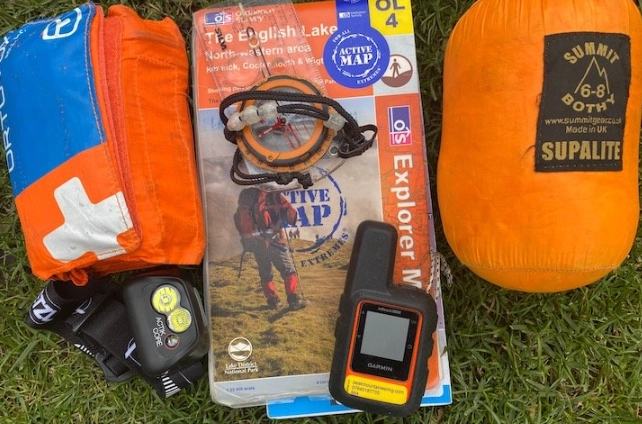
And honestly? Some of the most expensive, high-tech gear I see on the trails is worn by people who are clearly struggling with the basic fitness for that route. Gear can't replace conditioning.
Phase 2: On the Trail – Active Safety in Motion
You've done the homework. Now you're hiking. This phase is about constant, gentle awareness.
Navigation: Staying Found
Turn your GPS on, but don't stare at it. Use it to confirm what you're seeing on your physical map.
- Track Your Progress: Frequently "thumb your map." Note landmarks you pass—the distinct bend in the river, the lone big pine tree, the junction. This builds a mental picture and confirms you're on route.
- If You Question the Trail: Stop immediately. Don't just push forward hoping it'll become clear. Retrace your steps to the last known, definite point on the trail. This is the single most important rule to avoid getting seriously lost.
Weather: Reading the Sky
Mountain weather is its own beast. Valley forecasts are often wrong for the peaks.
Learn the signs of trouble: rapid, building cloud formations (especially anvil-shaped cumulonimbus), a sudden drop in temperature, increasing wind speed, and distant thunder. If you see these, your mountain safety protocol should trigger an immediate reassessment. Getting off ridges and away from isolated trees is a priority. The National Weather Service provides excellent resources on recognizing severe weather signs.
What does immediate mean? It doesn't mean "in five minutes." It means you turn around now.
Hiking Smart: Pace, Hydration, and Terrain
Start slow. Let your body warm up. A steady, sustainable pace wins every time over sprinting and burning out.
Drink water before you're thirsty. Eat snacks before you're hungry. It's about maintenance, not rescue.
Pay attention to the ground. Loose rock (scree), wet roots, and steep, smooth slabs are common fall hazards. Use trekking poles for stability—they save your knees on descents and provide extra points of contact. Test questionable footholds before committing your full weight.
Phase 3: When Things Go Sideways – Emergency Response
Despite the best plans, you can still get hurt, lost, or caught in a storm. Panic is your worst enemy. A clear-headed process is your best tool.
First: STOP
It's an acronym used by survival schools: Sit down. Think. Observe. Plan.
Literally, sit down. Breathe. Drink some water. Eat a snack. Fear and fatigue lead to terrible decisions. This pause breaks that cycle. Assess your situation calmly: Are you injured? What resources do you have? What's the weather doing? What was your last known location?
Common Scenarios and Action Plans
You're Lost:
You've retraced your steps and are genuinely disoriented.
- Stay Put. Wandering almost always makes it worse and harder for rescuers.
- Signal Your Location. Use your whistle in groups of three (the universal distress signal). Three blows, wait, repeat. If you have a phone and a signal, call 911. Be ready to give your location from your map or GPS coordinates.
- Improve Your Shelter. Get into your extra layers. Use your space blanket. Make yourself visible from the air (bright gear on open ground).
A Member of Your Group is Injured:
This is tough, especially if it's a leg injury and you're miles in.
- Provide First Aid. Stop bleeding, stabilize the injury, keep them warm and hydrated.
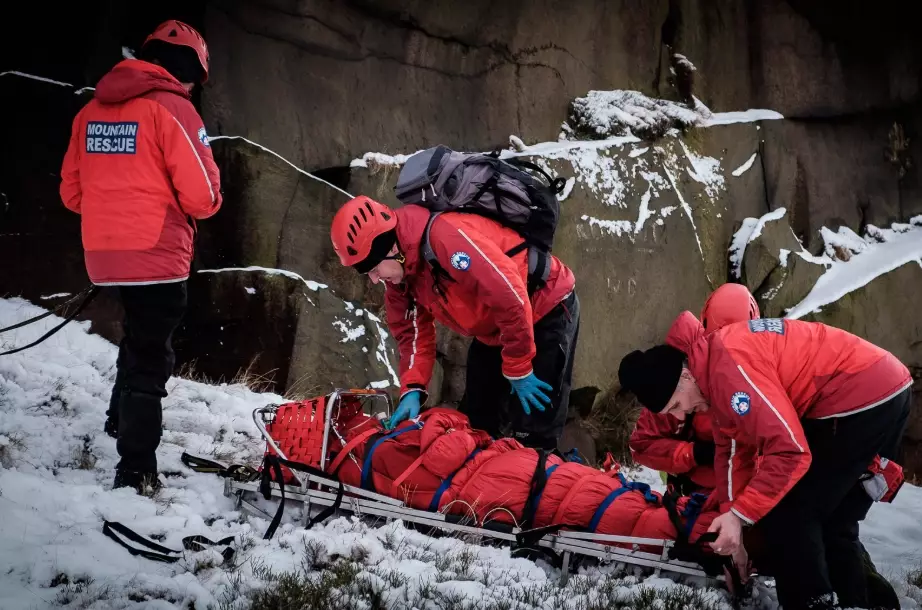
- Decide: Stay or Go? If you have a large enough group, the best practice is to send at least two people (never one) out for help with exact coordinates and details of the injury. The rest stay, provide care, and prepare a visible signal site.
- If You're Alone with an Injured Person: This is a severe situation. You may have to make them as comfortable and safe as possible and then go for help yourself, marking your trail clearly. It's a brutal choice.
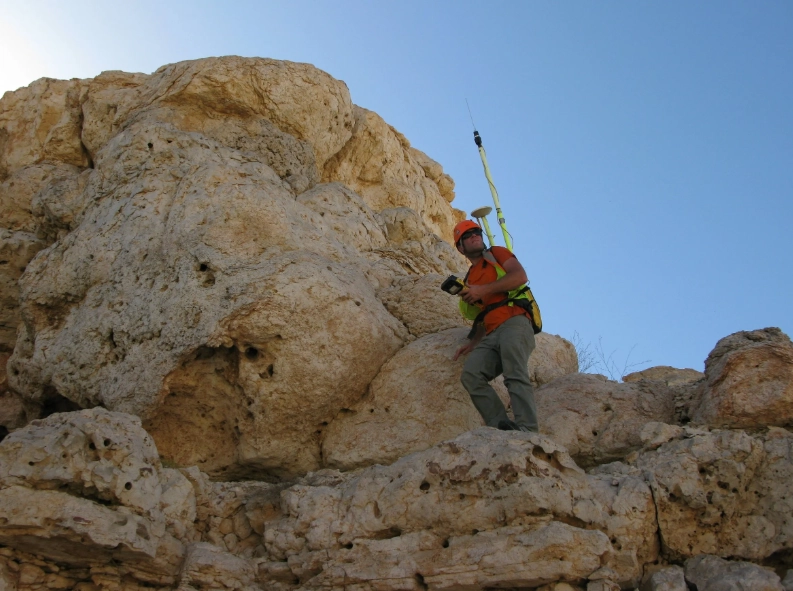
You're Caught in a Severe Storm:
Lightning is the primary threat.
- Get Off High Ground Immediately. Ridges, peaks, and isolated trees are death traps.
- Seek Lower, Dense Forest. If you're in the trees, move to a lower area of uniform, smaller trees.
- Assume the Lightning Position. If you feel your hair stand on end (impending strike), crouch low on the balls of your feet, minimizing contact with the ground. Put your pack under your feet if it has a metal frame.
The Human Factor: Psychology and Decision Making
Summit fever is real. The desire to push on just a little farther when you're tired, the light is fading, or weather is moving in has led to countless accidents. Cultivate the willingness to be disappointed. Turning around is not failure; it's exercising the highest level of mountain safety judgment. The mountain will be there another day.
Another trap is the "we've come so far" mentality. That's sunk cost fallacy on a dangerous scale. Make decisions based on current and future conditions, not the effort you've already expended.
Digging Deeper: Your Mountain Safety Questions Answered
Wrapping It All Up: Safety is a Habit, Not a Gadget
Look, you can buy all the gear in the world, but if you don't cultivate the mindset, it's just expensive weight in your pack. Real mountain safety comes from the slow accumulation of knowledge, the humility to turn around, and the discipline to do the boring planning work every single time.
It's about respecting the mountains enough to know they don't care about your plans. Your job is to be a competent, adaptable guest in their terrain.
Start small. Pick one thing from this guide to master on your next hike. Maybe it's finally learning the basics of your compass. Maybe it's actually filling out a trip plan and leaving it with someone. Maybe it's checking the weather from three sources instead of one.
Build your system one piece at a time. The confidence that comes from that preparation is the best feeling you'll ever have on a trail. It lets you actually enjoy the views, the air, the silence—because you know you've done the work to be there safely.
See you out there. And be safe.