You've seen it in blog titles, on gear websites, maybe even in your own search history. "Trekking" and "tracking." They sound almost identical. A single letter difference. But that one letter sends you down two completely different paths—one into the wilderness, the other into the world of data and technology. Getting them wrong isn't just a spelling error; it can lead you to buy the wrong gear, plan the wrong trip, or sound like you don't know what you're talking about. Let's settle this once and for all.
What You'll Discover in This Guide
What is the Core Difference Between Trekking and Tracking?
Think of it this way: Trekking is something you *do*. Tracking is something you *use* or a process that happens.
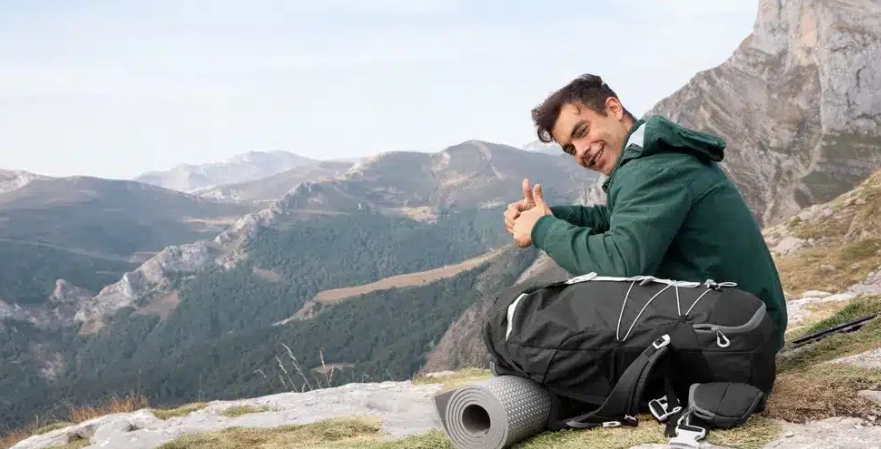
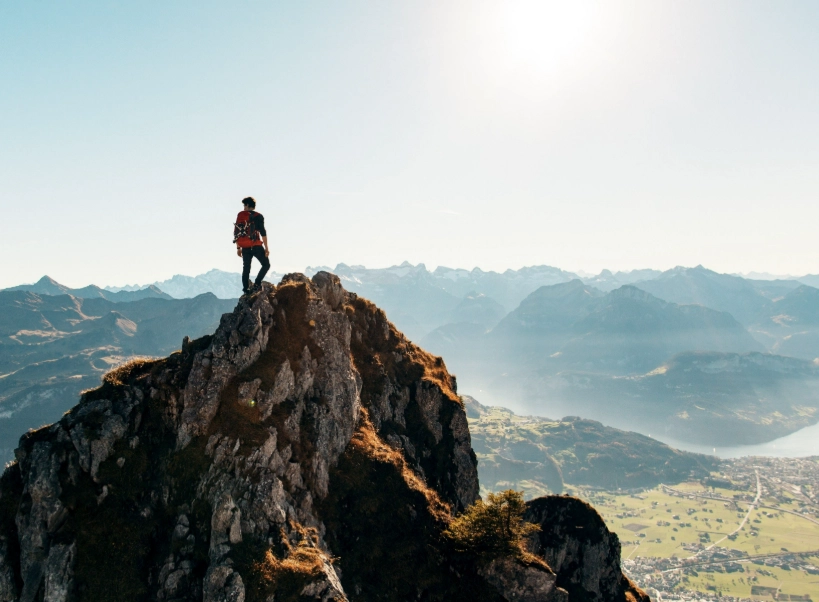
Trekking is a physical activity. It's a long, vigorous walk, usually on trails or paths in the countryside or wilderness. It implies a journey, often over multiple days, with a sense of adventure and self-reliance. You go trekking in the Himalayas. You buy trekking poles and a trekking backpack.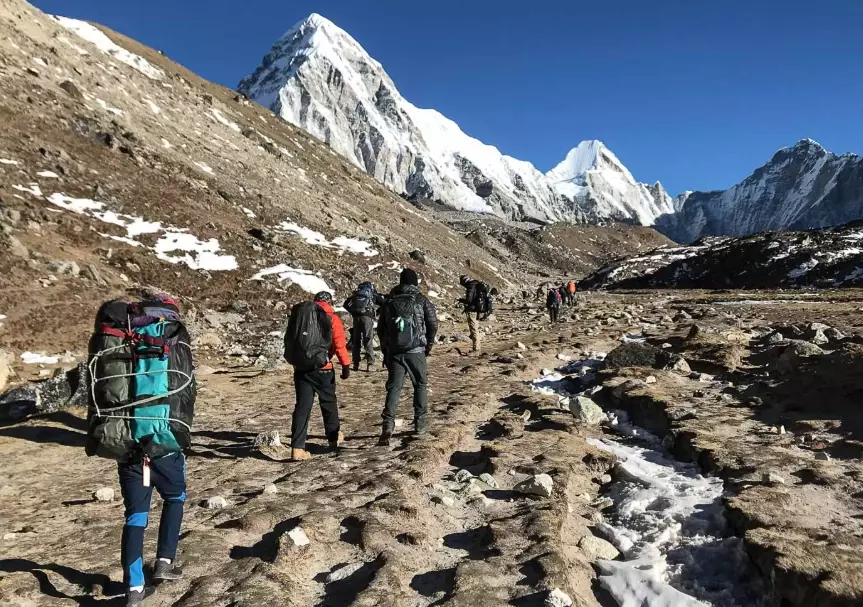
Tracking is about following or recording. It can be a noun (the track you follow) or a verb (the act of following). You use tracking to follow a package (package tracking), record your run (fitness tracking), or follow animal footprints (wildlife tracking). The object of the sentence is crucial: you track *something*.
| Aspect | Trekking | Tracking |
|---|---|---|
| Primary Meaning | A long, arduous journey on foot. | The act of following or recording the path of something. |
| Part of Speech | Primarily a noun (the activity) or adjective (trekking poles). | Noun (the track) or verb (to track). |
| Context | Outdoor adventure, travel, sports. | Technology, logistics, wildlife, fitness. |
| Example in a Sentence | "We spent two weeks trekking through Patagonia." | "I'm tracking my heart rate during the climb." |
| Associated Gear | Backpack, boots, tent, sleeping bag, poles. | GPS device, fitness watch, app, binoculars (for animal tracking). |
The overlap happens in the outdoor tech space. Your GPS watch is *tracking* your *trek*. That's where most of the confusion blooms online.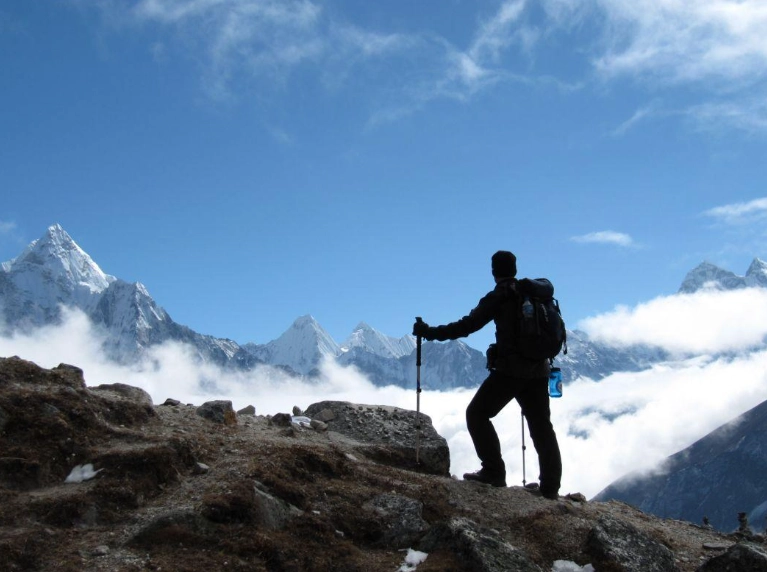
A Deep Dive into Trekking: More Than Just a Walk
Calling trekking "a hike" is like calling a marathon "a jog." It undersells it. Trekking involves intentional, sustained effort over challenging terrain, often with an overnight component. It's not a stroll in a national park (though it can start there). It's about immersion.
What Makes an Activity "Trekking"?
Distance and duration are big factors. A day hike of 10 miles is hiking. A 5-day, 50-mile loop through the Sierras with a full pack? That's trekking. The terrain plays a role too—steady elevation gain, remote trails, river crossings. Self-sufficiency is key. You're carrying your shelter, food, and water purification. You're not popping back to the car for lunch.
I learned this the hard way on my first "big" trip. I called it a backpacking trip, but my European friends kept saying "trek." The distinction clicked when we were three days from the nearest road, relying on map and compass because GPS failed. The commitment level defines it.
How to Plan Your First Multi-Day Trek: A Step-by-Step Guide
Jumping straight into a week-long trek is a recipe for misery. Here's a realistic build-up:
Phase 1: Foundation (Months Before)
Start with weekend backpacking trips. Find a local trail where you can hike 5-8 miles in, camp, and hike out. Your goal here isn't distance, but testing your gear and your comfort sleeping outdoors. Websites like The American Hiking Society or national park pages (e.g., Yellowstone National Park) have great beginner trail recommendations.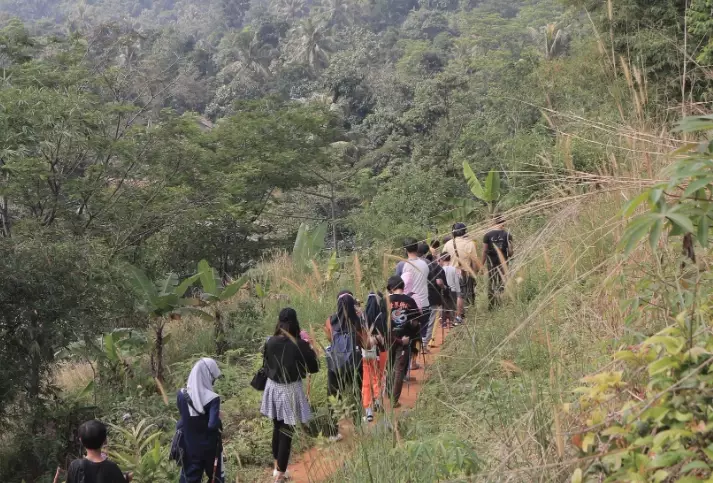
Phase 2: Gear Acquisition (Don't Break the Bank)
You don't need the $500 jacket. You need reliable basics. Prioritize your budget:
- Shoes/Boots: The most important item. Go to a store, get fitted. Expect to pay $120-$200.
- Backpack: Get fitted for this too. A 60-70 liter pack is standard for multi-day. $150-$300.
- Shelter & Sleep: A 3-season tent and a sleeping bag rated for the coldest temps you'll face. This is where costs add up, but sales exist. Consider renting first.
- The "Big Three" (pack, tent, bag) are your core investment. Everything else (cookset, clothing, poles) you can acquire cheaper or borrow.
Phase 3: The Shakedown Trek
Plan a 2-night, 3-day trek. This is your full systems test. You'll discover that your stove fuel connector leaks, your socks are the wrong material, and you packed too much food. This is a success! Better here than on a remote trail.
The Wide World of Tracking: From Fitness to Wildlife
Tracking is the chameleon of the two words. Its meaning shifts completely based on context. This versatility is why it collides with "trekking."
Fitness and Health Tracking
This is the most common overlap. Your Apple Watch, Garmin, or Fitbit is tracking your activity. It logs GPS data (your route), heart rate, steps, elevation gain. You are trekking; the device is tracking. When you share your "track" on Strava, you're sharing the recorded data of your trek. The confusion arises in articles: "Best Apps for Tracking Your Trek" is correct. "Best Apps for Trekking Your Track" is nonsense.
Wildlife and Survival Tracking
Here, tracking is a skilled observation. It means identifying and interpreting signs—footprints, broken branches, scat—to follow an animal or a person. A park ranger might be tracking a bear. A survival instructor teaches tracking to find water or civilization. This is an active, physical skill, but the goal is to follow an external subject, not to complete a personal journey.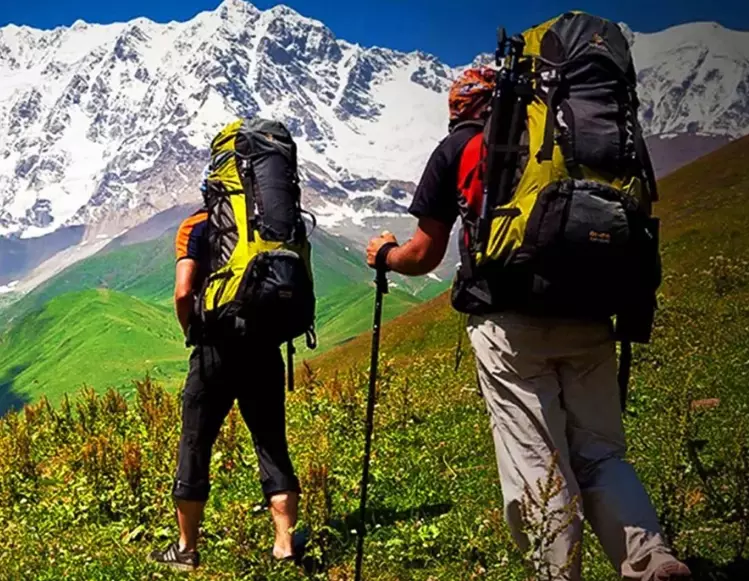
Logistics and Package Tracking
The digital trail. You track a shipment from Amazon or the new tent you ordered for your trek. This is pure data monitoring, following a digital footprint through warehouses and trucks.
See the pattern? Tracking always has an object. You track data, you track a package, you track an animal. Trekking is the object itself; it's the activity you are undertaking.
Common Mistakes and How to Avoid Them
Let's look at real-world mix-ups. I've seen these on forums, in product reviews, and even on signage.
Mistake 1: The Misspelled Gear Search.
You Google "best tracking poles." The results are a mess. You might get poles for Nordic walking, or even tech articles about pole-mounted tracking devices. You wanted trekking poles. That 'c' changes your entire search outcome. Always double-check that 'c' when shopping for outdoor gear.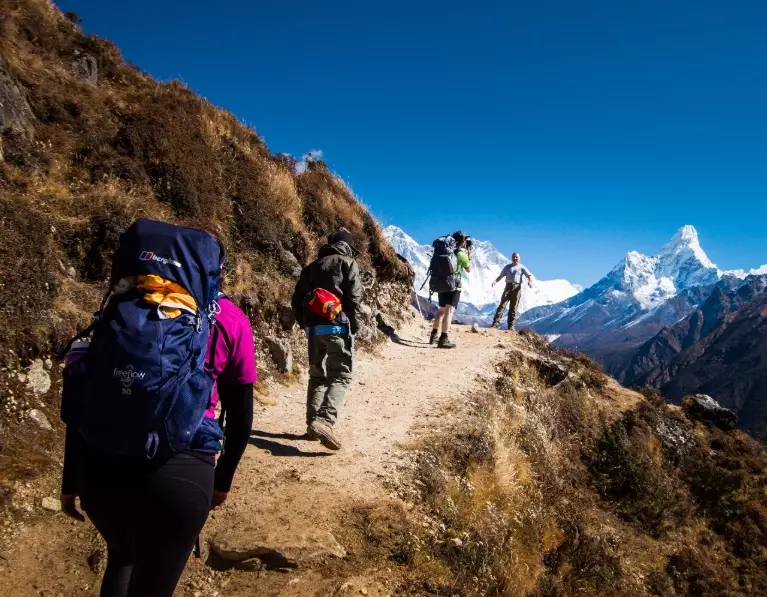
Mistake 2: The Vague Trip Report.
"Spent the weekend tracking in the Blue Ridge Mountains." This sounds like you were following animal trails the whole time, not hiking. If you were hiking, say hiking or trekking. Be specific. It communicates your actual activity and helps others understand the trip's nature.
Mistake 3: The Misleading Title.
A blog post titled "Tracking the Inca Trail to Machu Picchu." Ambiguous. Are you writing about following the historic trail (tracking its route), or about your experience hiking it (trekking)? For clarity and SEO, "Trekking the Inca Trail: A Complete Guide" is stronger and more accurate.
The fix is mindfulness. Before you write or search, pause. Am I talking about the journey (trekking) or the process of following/recording (tracking)? That half-second pause will save you a lot of confusion.
Your Questions, Answered
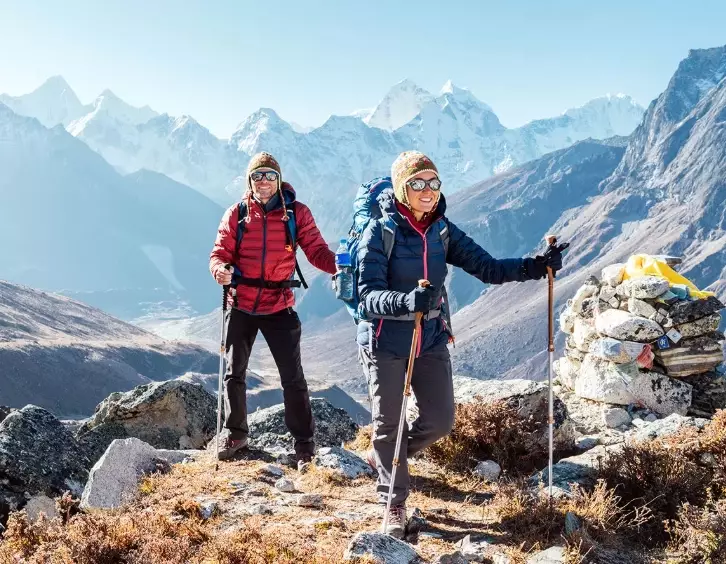
So, is it trekking or tracking? Now you know. It's not just spelling. It's about choosing the right word for the right path. Trekking takes you into the mountains. Tracking tells the story of how you got there. Use them wisely, and you'll never send your friends on a wild data chase when you meant to invite them on an adventure.