You've seen the photos. A tiny tent perched on a ridge, a sunrise over a misty valley, the quiet satisfaction of a well-earned meal after a long day. Backpacking promises that. But the gap between that Instagram dream and the reality of a heavy pack, sore feet, and logistical headaches can feel massive. Let's bridge it.
Your Trail Map to This Guide
How to Pick Your Perfect Trail (It's Not Just About Miles)
Choosing a trail based solely on distance is the first classic mistake. A 20-mile route with 6,000 feet of elevation gain is a different beast than a 30-mile lakeside stroll. You need to match the trail to your fitness and experience.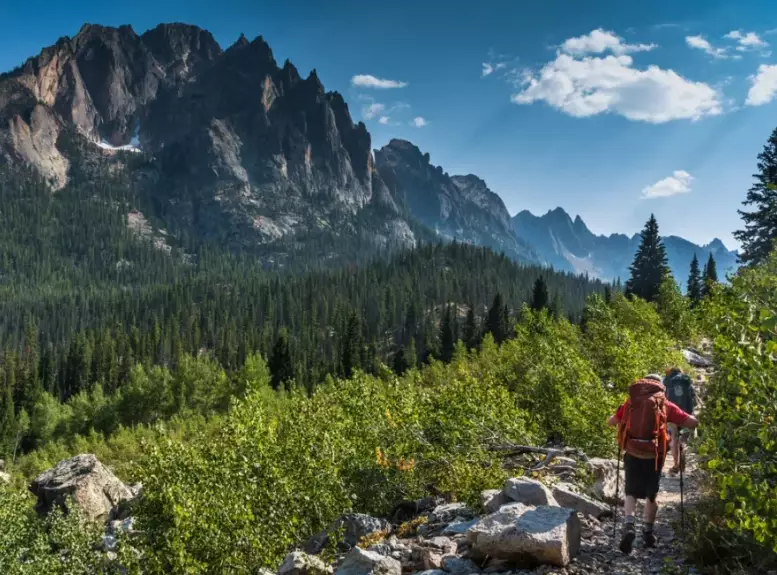
Start with these filters:
- Elevation Gain: More important than distance. If you're new, aim for under 1,000 ft gain per day.
- Water Sources: Check recent reports. A "seasonal stream" in August might be dry, forcing you to carry 8 liters.
- Logistics: Does it require a shuttle? A permit lottery entered 6 months ago?
Three Starter-Friendly Classics
These trails offer big rewards without overwhelming technical challenge. Always check current conditions with the managing agency (e.g., National Park Service, US Forest Service) before you go.
| Trail Name | Location | Key Details | Why It's Great for Beginners |
|---|---|---|---|
| Teton Crest Trail (Southern Section) | Grand Teton NP, Wyoming | ~20 miles one-way. Start at Death Canyon Trailhead, end at Teton Pass. Requires a shuttle. Permit required (reserve ahead). Best: July-Sept. | Well-marked, relatively moderate grades, water sources are reliable, and the views of the Tetons are non-stop motivation. Campsites like Alaska Basin are legendary. |
| West Coast Trail (First 2-Day Section) | Pacific Rim NP, British Columbia | Do the first ~12 miles from Pachena Bay to Michigan Creek. Reservation & permit mandatory (extremely competitive). Best: May-Sept. | You get the iconic ladders and coastline without the full 5-7 day commitment. Well-maintained campsites with bear caches. A great taste of coastal backpacking. |
| Lost Coast Trail (Northern Section) | King Range, California | Hike from Mattole River to Shelter Cove (~25 miles). Permit required (quotas fill). Must time tides. Best: May-Oct. | It's flat! But the challenge is tidal planning, which teaches crucial trip research skills. Unique beach hiking experience with sea lions and whales. |
The Gear Truth: What You Actually Need vs. Marketing Hype
You don't need a $2,000 gear closet to start. You need a system that works, is safe, and doesn't break your back—or the bank.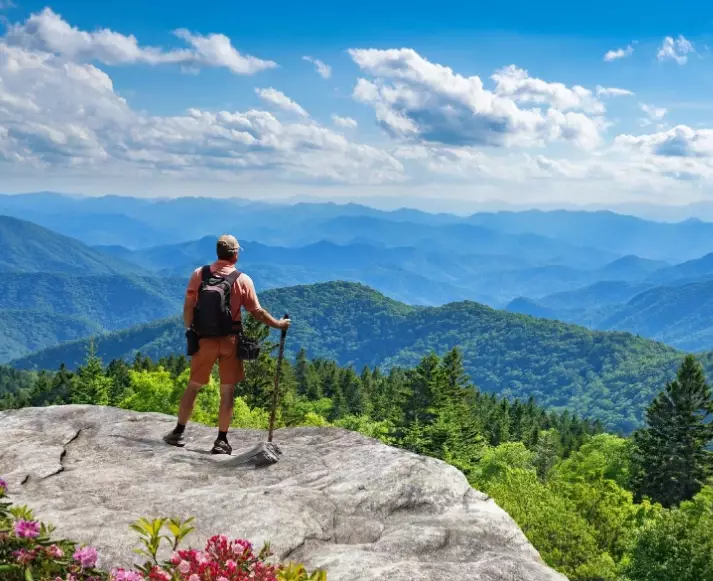
The Non-Negotiable Core
Your pack, shelter, and sleep system (the "Big Three") are where weight and comfort live. Don't cheap out blindly, but don't assume most expensive is best.
- Backpack: Fit is everything. Go to a store, get measured, load it with weight, and walk around. A 65-liter pack is the sweet spot for most 2-4 night trips.
- Shelter: A 3-season tent is fine for most. Look for double-wall construction (reduces condensation). A 2-person tent for solo use is a luxury worth the extra 10 ounces.
- Sleep System: Your sleeping bag's temperature rating is a survival limit, not a comfort rating. If you camp in 30°F ( -1°C) weather, get a 20°F (-7°C) bag. A sleeping pad's R-value matters more than its thickness for warmth.
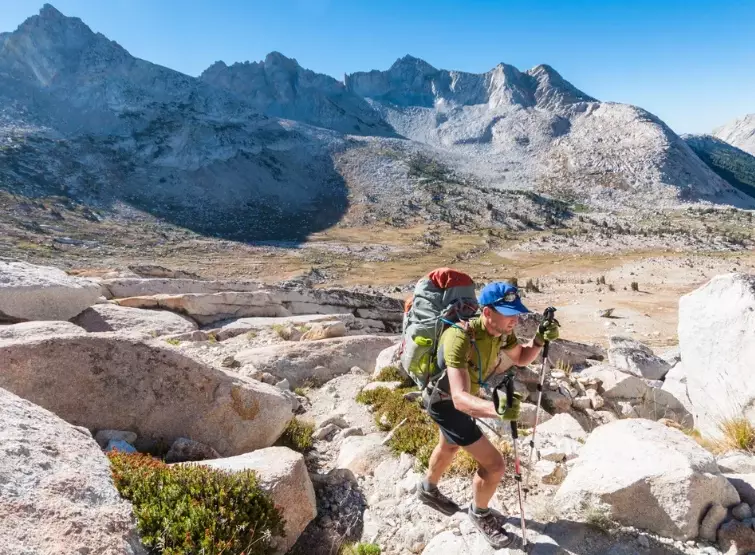
Here's the secret veteran move everyone misses: test your gear in your backyard or a local park overnight. You'll discover that your pad slides on the tent floor, your stove windscreen is too tall, or that you really do need that pillow. Fix those problems where your car is 50 feet away, not 10 miles.
The Silent Trip-Killers (Always Pack These)
Blister kit (leukotape is magic), a basic repair kit (duct tape, needle/thread, tent pole sleeve), a physical map and compass (and the skill to use them), and a headlamp with extra batteries. I've ended trips for others who neglected these.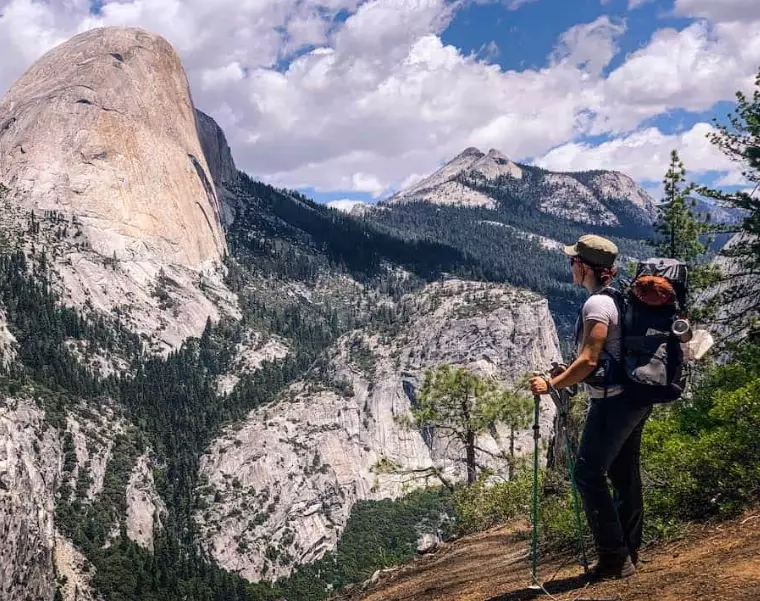
Planning & Logistics: Permits, Food, and Not Getting Lost
This is where dreams meet reality. A perfect trail is useless if you can't get a permit or you run out of food.
The Permit Puzzle
Popular trails have quotas. Research immediately. For example, John Muir Trail permits are distributed via a lottery months in advance. Other systems (like many National Parks) release a portion of permits 6 months out, and the rest 1-2 weeks in advance. Set calendar reminders. Have a backup trail in mind.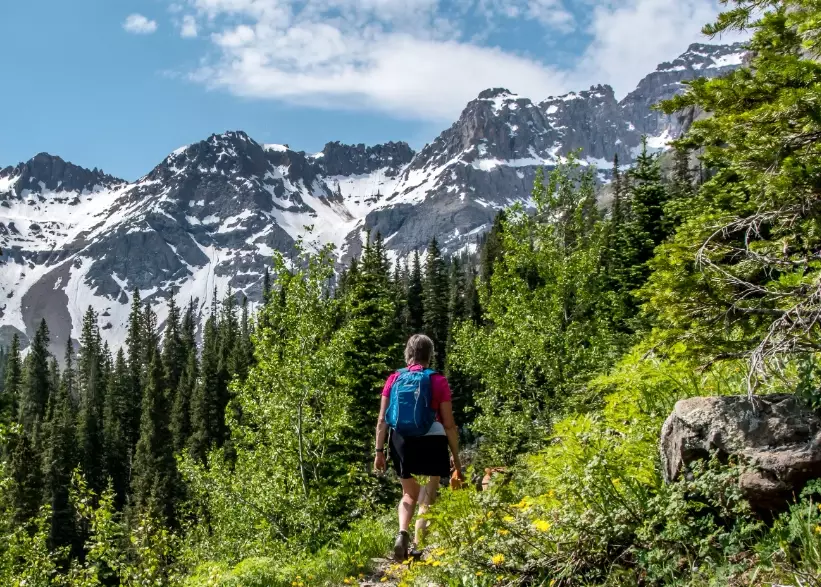
Food: Fuel, Not Just Calories
You'll burn 3,000-5,000 calories a day. Pack dense, high-calorie foods you'll actually want to eat when tired. Dehydrated meals are easy but expensive. A homemade dinner of instant mashed potatoes, packaged tuna, and cheese powder is cheap, light, and delicious.
Pro-tip: Repackage everything out of its bulky store packaging into ziplock bags. Label them. It cuts volume and weight dramatically.
Navigation: Trust But Verify
Apps like Gaia GPS or AllTrails are fantastic. Download your maps for offline use. But your phone can die, fall, or get wet. A paper map and compass are your insurance. Practice using them on a local hike before you need them for real. The US Geological Survey is the gold standard for topographic maps.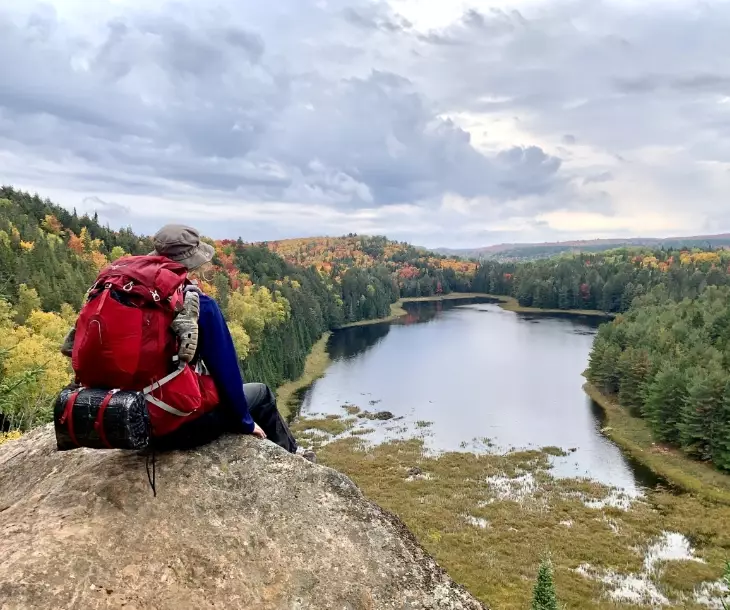
Trail Etiquette & Safety: The Unwritten Rules
This keeps you safe and keeps trails open for everyone.
Leave No Trace (LNT) isn't a suggestion. It's the law of the land. Pack out all trash, including toilet paper (use a zip-lock bag). Camp on durable surfaces at least 200 feet from water. Dig a cathole 6-8 inches deep for human waste. I've packed out other people's trash more times than I can count—don't be that person.
Wildlife: You're in their home. Store all food, trash, and scented items (toothpaste, sunscreen) in a bear-resistant canister or hang it properly. This isn't just for bears; rodents will chew through your pack for a candy wrapper. Making noise on the trail usually prevents surprising larger animals.
Right of Way: Uphill hikers have the right of way (it's harder to restart a climb). Step aside for pack animals (horses, mules). Bikers yield to hikers, but it's often easier to just step off the trail.
Finally, your mindset matters. Things will go wrong. Weather will change. You'll forget something. The trip isn't ruined unless you decide it is. Some of my best memories are from huddling in a tent during a storm, laughing with my partner about our poor planning. It's all part of the story.