Let's cut to the chase. After a decade of guiding hikes and logging thousands of miles on trails from the Appalachians to the Rockies, I can tell you this with absolute certainty: your socks matter more than you think. The difference between a great day on the trail and a miserable, blister-plagued slog often comes down to the thin layer of fabric between your skin and your boot. It's not just marketing hype. Investing in proper hiking socks is one of the most impactful, yet frequently overlooked, gear decisions you can make.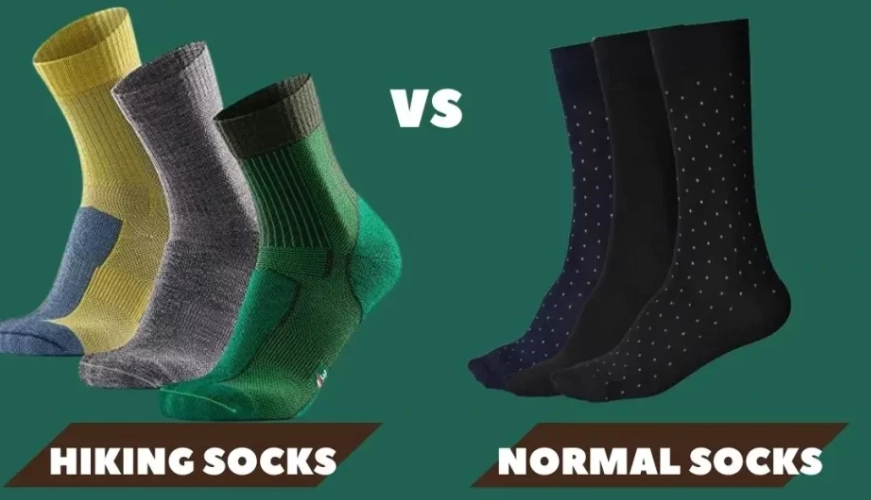
What's Inside This Guide
- Why Your Socks Are a Non-Negotiable Piece of Gear
- How Do Hiking Socks Actually Work? The Science of Comfort
- Hiking Sock Types Decoded: From Lightweight to Expedition-Grade
- How to Choose the Right Hiking Socks for You
- Common Hiking Sock Mistakes (And How to Avoid Them)
- Your Hiking Sock Questions, Answered
Why Your Socks Are a Non-Negotiable Piece of Gear
Think of your feet as the engine of your hike. Every pound of your pack, every step on uneven terrain, translates into force and friction. A regular cotton sock from your dresser drawer is a passive bystander in this process. A proper hiking sock is an active support system.
The primary jobs are clear: moisture management, blister prevention, and cushioning. But it's the *how* that makes the difference. On a 10-mile day, your feet can sweat up to half a pint of moisture. Cotton absorbs it like a sponge and holds it against your skin, softening the skin (maceration) and dramatically increasing friction—the perfect recipe for hot spots and blisters. I learned this the hard way on an early backpacking trip in the White Mountains. By mile five, the familiar squelch in my boots turned into a burning sensation that ruined the next two days.
Hiking socks, made from wool or synthetics, wick that moisture away from your skin to the outer layers of the sock or your boot liner, where it can evaporate. They keep your feet drier. Less moisture means less friction. It's that simple, and that critical.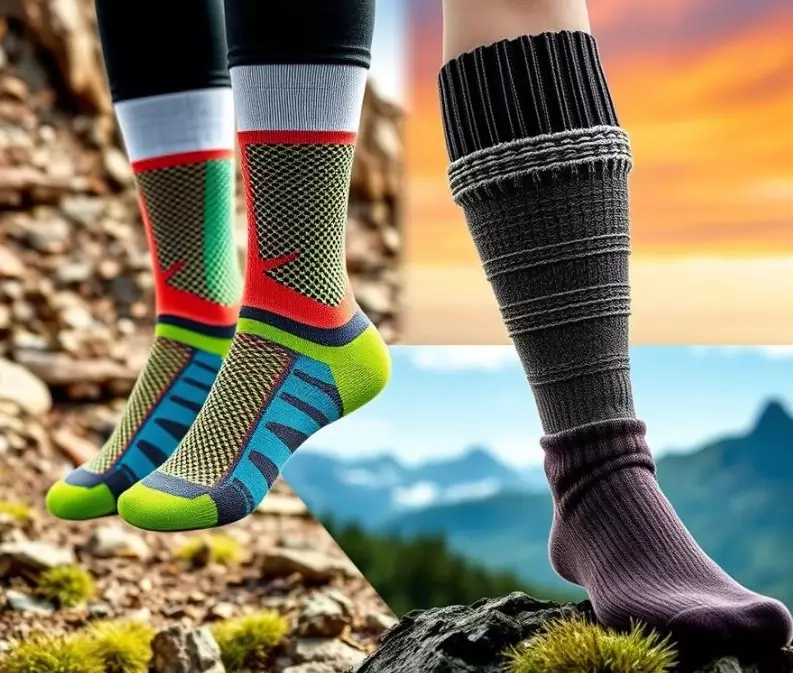
How Do Hiking Socks Actually Work? The Science of Comfort
It's not magic. It's smart engineering focused on four key areas.
Material is Everything
Merino Wool: The gold standard. It's naturally moisture-wicking, odor-resistant, and provides insulation even when damp. It's also less itchy than traditional wool. The downside? It can be less durable and more expensive. For most three-season hikers, it's worth every penny.
Synthetic Blends (Polyester, Nylon, Spandex): Excellent at wicking, fast-drying, and very durable. They often incorporate specific fibers like Coolmax. They can hold odors more than wool, but modern treatments help. Great for high-output activities or wet conditions.
Cotton: Just don't. It's the enemy of the hiker's foot. It retains moisture, loses insulation value when wet, and increases friction. Save it for the couch.
Strategic Cushioning and Padding
Padding isn't just about making things soft. It's placed in high-impact zones—the heel, the ball of the foot, the shin—to absorb shock and reduce pressure points. But more padding isn't always better. A super thick sock in a snug boot can compress your foot, reduce blood flow, and cause numbness. The cushioning needs to match your boot's volume.
The Fit: Snug, Not Tight
A hiking sock should fit like a second skin, with no loose fabric to bunch up (a major blister cause) and no constricting tightness. Look for socks with articulated heels and toes. They should stay in place. If your sock is sliding around inside your boot, you're generating friction with every step.
Height and Seamless Toes
Ankle socks might look cool, but debris gets in. Crew-length is the versatile standard. For bushwhacking or tall grass, consider a taller sock. And always look for flat, seamless toe closures. A bulky seam right where your toes bend is a guaranteed irritation point.
Hiking Sock Types Decoded: From Lightweight to Expedition-Grade
Not all hiking socks are created equal. Picking the right weight is as important as the material. Here’s a breakdown.
| Sock Type | Best For | Key Features | My Personal Use Case |
|---|---|---|---|
| Lightweight / Liner Socks | Day hiking in warm weather, fastpacking, as a liner under a thicker sock for extreme trips. | Very thin, minimal cushioning. Maximum moisture transfer. Often synthetic. | My go-to for summer day hikes on well-maintained trails where I'm moving fast and want to feel the trail. |
| Midweight / Cushioned Socks | Most day hiking, backpacking with moderate loads, three-season use. The workhorse. | Moderate cushioning in key zones. Excellent balance of moisture management, warmth, and comfort. | This is what's in my pack 80% of the time. Perfect for a weekend backpacking trip with a 30-pound load. |
| Heavyweight / Expedition Socks | Winter hiking, mountaineering, carrying heavy packs, cold-weather backpacking. | Maximum cushioning and insulation. Often a wool-rich blend. Designed for bulkier, insulated boots. | I break these out only for below-freezing trips or when I know I'll be in stiff, double-layer mountaineering boots. |
A quick note on durability: I've found that socks with a higher nylon or synthetic content in high-wear areas (heel, toe) last significantly longer than pure merino socks, though they may sacrifice a bit of softness. For thru-hikers, this is a crucial trade-off to consider.
How to Choose the Right Hiking Socks for You
Forget the one-size-fits-all approach. Your perfect sock depends on three things: your hike, your boots, and your feet.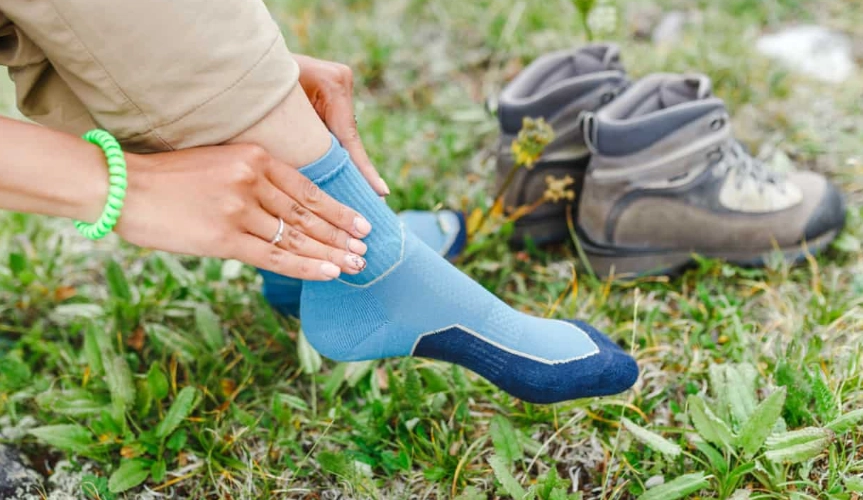
Match the sock to the hike. A quick, dry summer trail? Lightweight. A multi-day backpack with a full load? Midweight. A snowy ridge traverse? Heavyweight. Consider the season and the expected weather.
Match the sock to the boot. This is the most common mistake I see. Try socks on WITH your hiking boots. A thick expedition sock jammed into a snug trail runner will cut off circulation. A thin liner sock in a stiff leather boot offers zero protection. Your boot and sock are a system. When you buy new boots, bring your preferred hiking socks to the fitting.
Know your foot's quirks. Do you have a bony ankle that rubs? Look for extra padding there. Wide forefoot? Ensure the sock isn't constricting. Prone to sweaty feet? Prioritize merino or advanced synthetic blends with high wicking claims.
My advice? Start with one excellent pair of midweight merino blend socks. See how they perform. Then build a small rotation—maybe a lightweight pair and a heavy-duty pair. Having dedicated hiking socks you don't wear around town preserves their cushioning and technical properties.
Common Hiking Sock Mistakes (And How to Avoid Them)
Even with good socks, you can get it wrong.
Wearing brand-new socks on a big hike. Break them in on a shorter walk first. Some finishes or seams might need a wash or two to soften up.
Letting them get too loose. Socks lose elasticity over time. When they start to sag or don't snap back around your arch, it's time to retire them to yard work duty. A stretched-out sock is a blister factory.
Ignoring the seams. Always turn them inside out and check the toe seam. If it's raised and bulky, it's not the right sock for you, no matter how good the material is.
Over-washing with harsh detergents or fabric softeners. This coats the fibers, reducing their wicking ability. Use a technical sport wash or mild, fragrance-free detergent. Air dry when possible; high heat can damage elastic fibers.
Here's a subtle one most people miss: putting on a slightly damp sock from the day before. Morning dew on your tent, humidity in the air—if that sock isn't bone dry, you're starting your hike at a disadvantage. Always pack a dedicated, dry sleeping sock and keep your hiking socks sealed in a plastic bag if there's any moisture risk.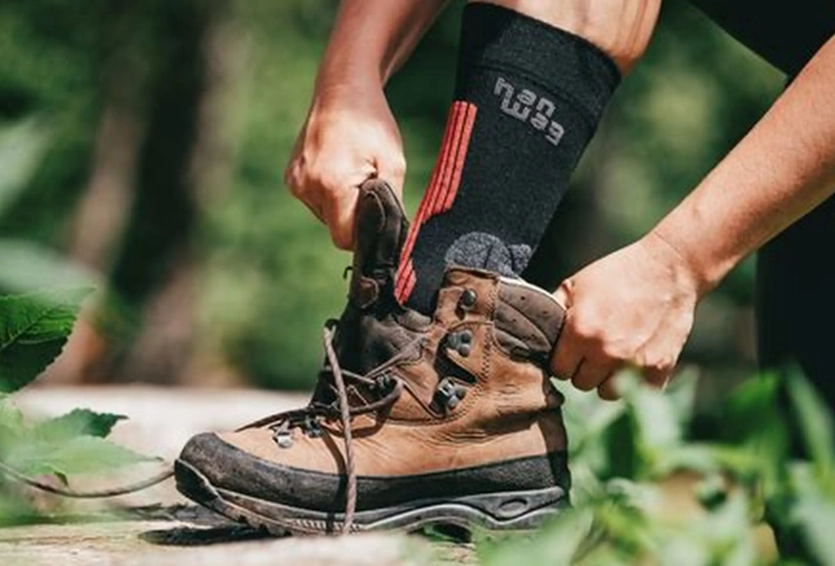
Your Hiking Sock Questions, Answered
 Are expensive merino wool socks really worth the cost over synthetic ones?
So, do hiking socks make a difference? The answer is a resounding yes, but with nuance. They aren't a magic bullet that fixes a bad boot fit or poor foot care habits. They are a critical, functional component of your footwear system. They actively work to keep your feet dry, cushioned, and protected from friction in a way that everyday socks simply cannot. Skimping here is like putting low-grade fuel in a high-performance engine. You might get moving, but you won't go far without problems. Invest in a few good pairs. Your feet—and your entire hiking experience—will thank you for every mile.