If your hands ache after a long climbing session or you struggle with slipping on crucial holds, half finger climbing gloves might be the solution you've overlooked. I've been climbing for over a decade, and I've seen too many climbers dismiss these gloves as a gimmick—only to later realize they're missing out on better performance and fewer injuries. In this guide, I'll cut through the hype and give you the real scoop on what works, what doesn't, and how to make these gloves part of your kit without wasting money.
Jump to What Matters Most
- What Are Half Finger Climbing Gloves?
- The Real Benefits: More Than Just Grip
- Choosing Your Gloves: A Buyer's Checklist
- My Top Picks for Different Climbing Styles
- How to Break In and Care for Your Gloves
- Mistakes I've Seen (And Made): Lessons from the Crag
- Your Questions Answered: Half Finger Gloves FAQ
What Are Half Finger Climbing Gloves?
Half finger climbing gloves are exactly what they sound like: gloves that cover your palm and the base of your fingers, leaving the fingertips exposed. Unlike full-finger gloves, they're designed for activities where tactile sensitivity matters—think rock climbing, bouldering, or even gym sessions. The idea is to protect your skin from abrasion and blisters while letting you feel the rock or hold directly. I first tried them on a multi-pitch climb in Yosemite, and the difference was immediate: less hand fatigue, more confidence on small edges.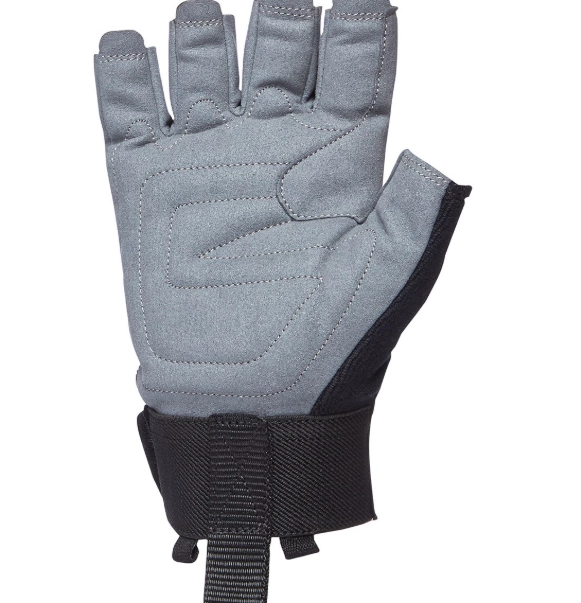
Most models use materials like leather or synthetic fabrics, with reinforced patches in high-wear areas. They're not for cold weather; instead, they're all about grip and comfort during intense, sweaty climbs. If you're someone who climbs multiple times a week, these gloves can extend your session time by reducing skin damage.
The Real Benefits: More Than Just Grip
Everyone talks about improved grip, but that's just the start. From my experience, the biggest win is blister prevention. On long routes, constant friction can tear up your skin, especially on rough granite or sandstone. Half finger gloves act as a barrier, letting you push harder without the pain. I've seen climbers who used to tape their hands endlessly switch to gloves and cut their prep time in half.
Another benefit is moisture management. Sweaty palms are a nightmare for grip. Many gloves incorporate moisture-wicking fabrics that keep your hands drier than bare skin. It's subtle, but on a humid day at the crag, it can mean the difference between sticking a move and peeling off.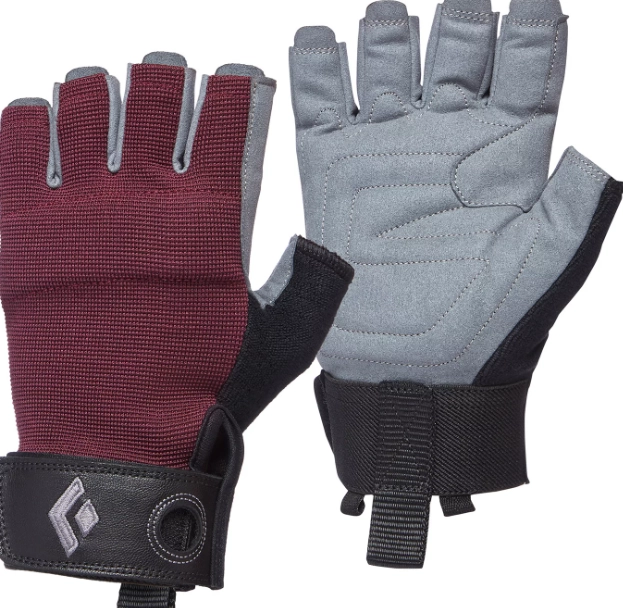
Then there's durability. Your palms take a beating over time. Gloves spread the wear across the material, not your skin. I've had a pair last through six months of regular climbing, while my climbing partner's hands were raw after two weeks without them. It's an investment that pays off in fewer rest days.
Choosing Your Gloves: A Buyer's Checklist
Don't just grab the first pair you see. Here's what I look for, based on trial and error.
Material Breakdown: Leather vs. Synthetic
Leather gloves, like those from brands like Metolius, offer superior durability and mold to your hand over time. They're great for outdoor climbing on abrasive rock. But they can be stiff initially and require a break-in period. Synthetic gloves, often made from polyester or nylon blends, are lighter and dry faster. They're ideal for gym climbing or humid conditions. I lean toward leather for long-term use, but synthetics have their place if you're on a budget or need quick-drying performance.
Sizing: Why "Snug but Not Tight" is Crucial
Too loose, and the gloves will shift, causing blisters. Too tight, and they'll restrict blood flow, making your hands cramp. I recommend trying them on with your climbing shoes—yes, really. Your hands swell during activity, so a fit that feels slightly tight at rest should be perfect when you're pumped. Most brands offer sizing charts; measure your hand circumference and follow them closely. A common mistake is buying a size up for comfort, but that defeats the purpose.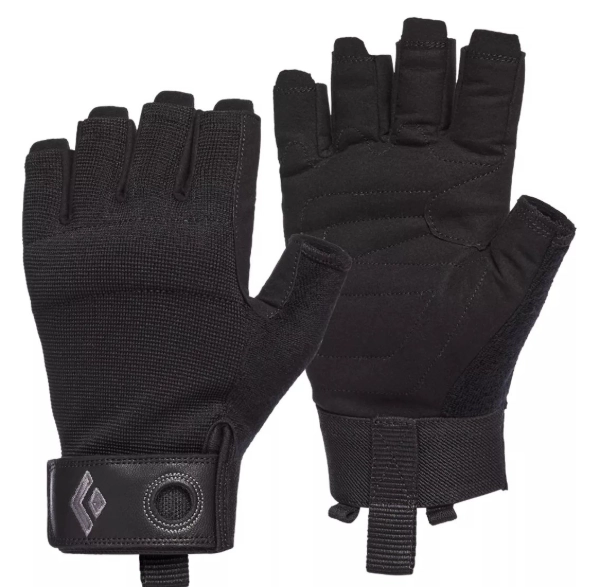
Grip Patterns: What Actually Works on Rock
Look for textured palms or silicone prints. These aren't just for show; they enhance friction on holds. Some gloves have rubberized dots or ridges, which I've found useful on slopers. But avoid over-engineered patterns—they can reduce sensitivity. Simple, minimal textures tend to perform better across different rock types. In my testing, gloves with a smooth leather palm and slight grain provided the best balance.
My Top Picks for Different Climbing Styles
Based on years of use and feedback from other climbers, here are five models that stand out. I've included a mix for various needs and budgets.
| Model | Best For | Material | Key Feature | Price Range |
|---|---|---|---|---|
| Metolius Climbing Gloves | Outdoor trad climbing | Goatskin leather | Reinforced palm, excellent durability | $40-$50 |
| Black Diamond Crag Gloves | Sport climbing and gym use | Synthetic blend | Breathable mesh, quick-drying | $30-$40 |
| La Sportiva Glove | Bouldering and intense sessions | Kangaroo leather | Ultra-thin for max sensitivity | $50-$60 |
| Mammut Climbing Gloves | All-around performance | Polyester with silicone grip | Adjustable wrist strap, good value | $25-$35 |
| Arc'teryx Venta Gloves | Cold-weather hybrid use | Windproof fabric | Versatile for alpine climbing | $70-$80 |
I've used the Metolius gloves for years on granite routes—they're tough as nails. But if you're mostly indoors, the Black Diamond pair saves money without sacrificing performance. Remember, the best glove is the one that fits your specific climbing style; don't get swayed by brand hype.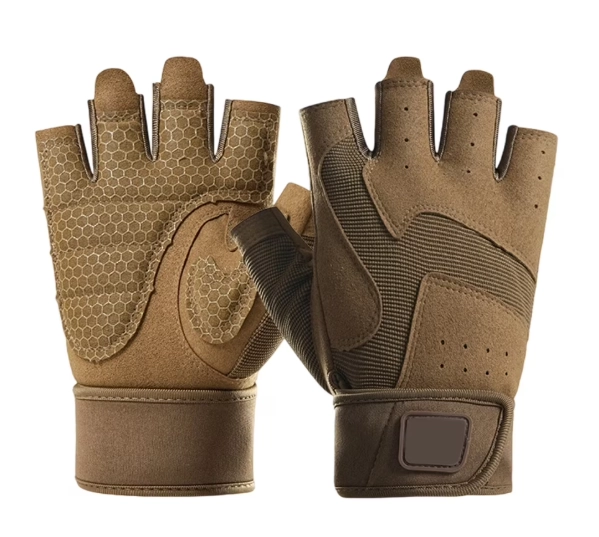
How to Break In and Care for Your Gloves
New gloves can feel stiff. Here's a quick process I follow: wear them around the house for an hour, then do light climbing drills. For leather, apply a small amount of climbing-specific balm to soften the material—avoid oils that degrade the fibers. After each use, let them air dry away from direct heat. I made the mistake of tossing them in a gym bag once, and the mildew smell took weeks to fade.
Washing depends on the material. Synthetics can go in a gentle machine cycle, but leather should be hand-washed with mild soap. Always check the manufacturer's guidelines; for example, La Sportiva recommends air-drying only. Storage matters too: keep them in a cool, dry place, not crumpled in a pocket. A simple hook in your gear closet works wonders.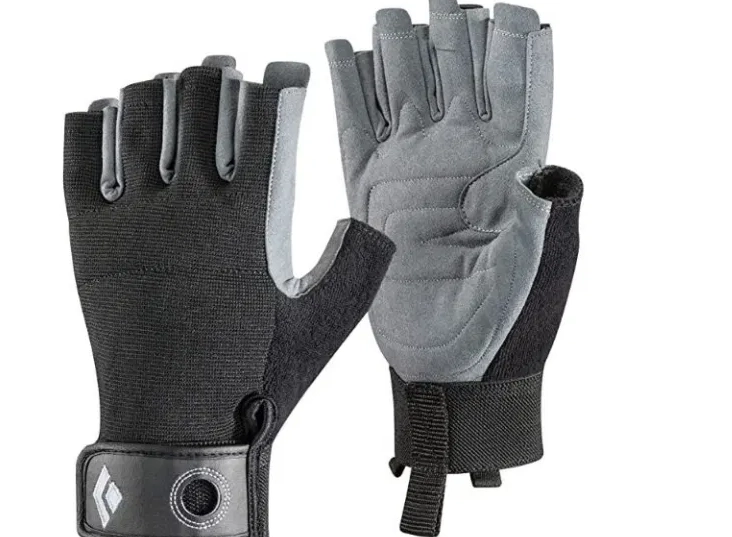
Mistakes I've Seen (And Made): Lessons from the Crag
One big error is using gloves as a crutch for poor technique. I've seen climbers rely on them to mask weak grip strength, which stunts progress. Gloves should complement your skills, not replace training. Start by using them on easier routes to get used to the feel.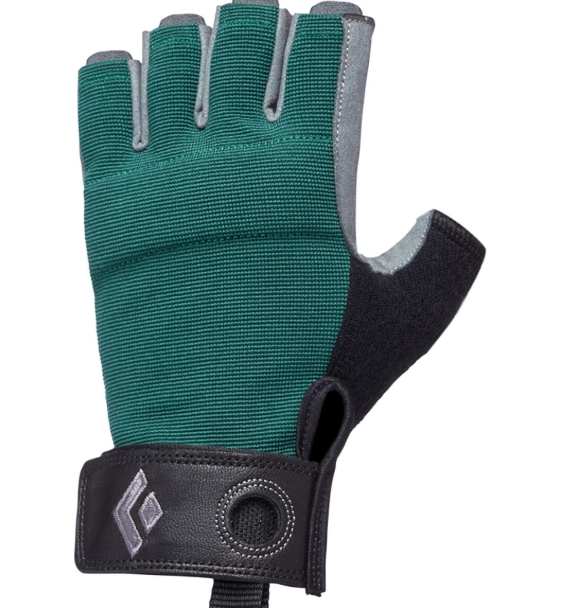
Another pitfall is ignoring fit adjustments. Many gloves have Velcro straps or elastic cuffs—adjust them mid-session if needed. I once didn't tighten mine enough, and they slid during a crux, causing a minor fall. It's a small detail with big consequences.
Also, don't assume all gloves work for all rock types. On sharp limestone, thin synthetic gloves might tear quickly, while leather holds up better. Test them in controlled environments first. I learned this the hard way on a trip to Rifle, where my favorite pair shredded on the first day.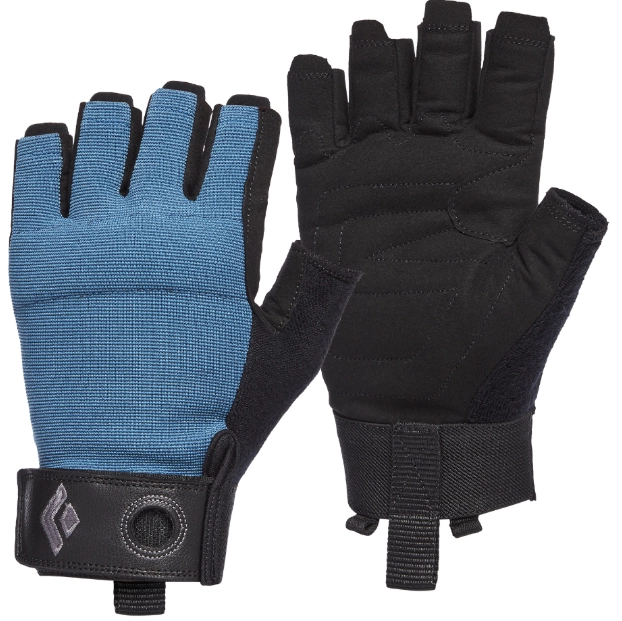
Your Questions Answered: Half Finger Gloves FAQ
Half finger climbing gloves aren't a magic bullet, but they're a smart tool in your arsenal. From my years on the rock, they've saved my hands countless times and let me climb longer with less pain. Whether you're tackling your first 5.10 or pushing into elite grades, the right pair can make a tangible difference. Give them a shot—but remember, technique always comes first. Happy climbing!