Let's cut straight to the point. Your climbing safety equipment isn't just gear; it's your lifeline. It's the silent partner that lets you push your limits, the engineered system that turns a potentially deadly fall into a controlled stop. I've seen too many climbers, even experienced ones, treat their kit with a casualness that makes me wince. A frayed rope end dismissed, a carabiner gate that doesn't snap shut quite right, a harness buckle they've never actually inspected. This stuff matters.
This guide isn't a sterile list of product names. It's a deep dive into how your safety system works, how to choose it, how to abuse it (so you know what to avoid), and how to maintain it. We'll move beyond the basics you can find anywhere and into the nuanced details that separate a well-equipped climber from a safe one.
What's Inside This Guide?
The Core Safety System: Harness, Rope, & Connection
Think of your safety in three interconnected layers: what you wear (Personal Protective Equipment), what connects you (the Linking System), and what catches you (the Rope System). A failure in any layer compromises the whole.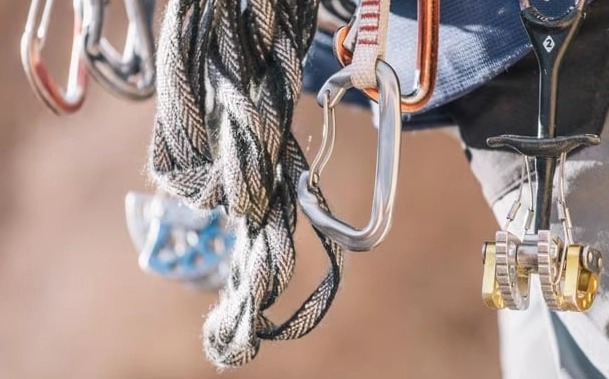
1. Personal Protective Equipment (PPE): The Harness
Your climbing harness is your interface with the entire safety system. It's not just a seat. A modern harness is a feat of ergonomic engineering designed to distribute the immense force of a fall across your strongest bones—your pelvis and femurs.
The biggest mistake I see? Buying for color or brand hype instead of fit. A poorly fitting harness can ride up in a fall, causing serious internal injury or even allowing you to slip out. You need to try them on with the clothes you typically climb in. Hang in it at the store. Feel where the pressure points are.
Look for:
- Adjustable Leg Loops: Non-negotiable for most. They accommodate different layers and ensure a snug fit whether you're in shorts or winter pants.
- Gear Loop Configuration: Sport climbers might want fewer, lighter loops. Trad and alpine climbers need more and sturdier ones. Are they angled for easy access?
- Buckle Type: Double-back buckles (where the strap passes through twice) are the gold standard for security. Once you're used to them, they're just as fast and you'll never worry about accidental loosening.
2. The Linking System: Carabiners, Belay Devices, & Slings
This is the hardware that ties everything together. Climbing carabiners are the workhorses. Not all 'biners are created equal.
You have locking carabiners (screwgate, twistlock, autolocking) for critical connections like belay anchors and rappel setups, where an open gate is catastrophic. And you have non-locking carabiners for quickdraws and gear organization.
Here's a subtle point everyone misses: major axis vs. minor axis loading. A carabiner is incredibly strong when force is applied along its long side (major axis)—typically 22-24 kN (roughly 5000 lbs). Turn it sideways (minor axis), and that strength can drop to 7-8 kN. If your quickdraw gets twisted on a bolt, you've just created a major weak point. Always orient your carabiners so a fall pulls on the spine.
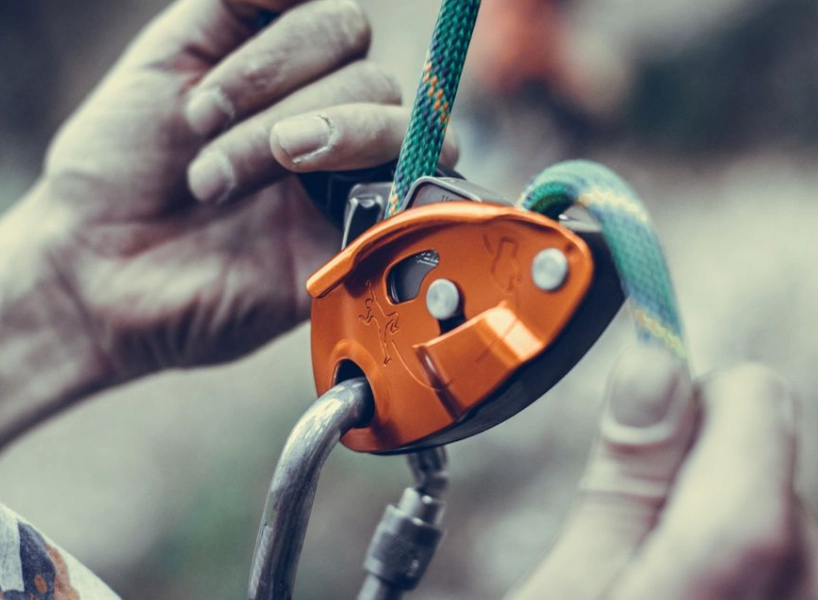
Your belay device is your control center. Assisted-braking devices (like the Petzl GriGri) have become incredibly popular for sport climbing and top-roping for their added security. But they are not autopilots. You must still maintain proper hand position. A traditional tubular device (like an ATC) is lighter, cheaper, and better for rappelling or climbing with two ropes. Know the limitations of your tool.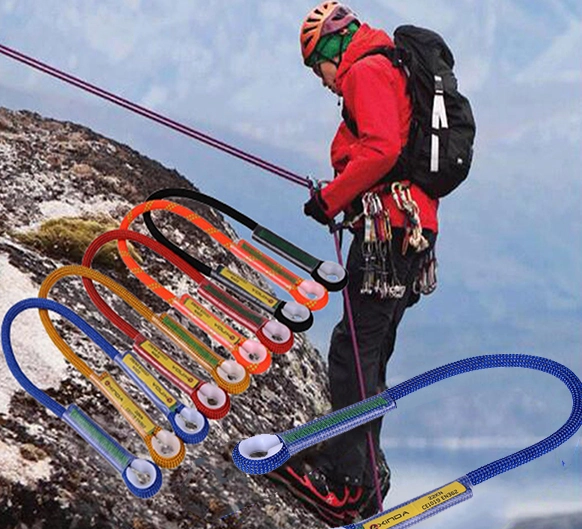
3. The Rope System: Your Dynamic Lifeline
The climbing rope is the heart of the system. It's dynamic, meaning it stretches to absorb the energy of a fall, reducing the impact force on your body, your gear, and the anchor.
| Rope Type | Best For | Key Feature | Consideration |
|---|---|---|---|
| Single Rope | Sport climbing, Top-roping, Most trad | One strand, 9.2mm - 10.5mm thick | Versatile, easy to handle. Thicker = more durable. |
| Half/Twin Rope | Alpine, Trad, Ice climbing | Two thinner strands (7.5mm - 9mm) used together | Reduces rope drag on wandering routes. Requires specific technique. |
| Static Rope | Rappelling, Rescue, Fixed Lines | Little to no stretch | NEVER for lead climbing falls. The lack of stretch creates dangerous forces. |
Rope diameter is a trade-off. Thicker (10mm+) ropes are burly and handle abrasive rock well. Thinner (9.2mm-9.7mm) ropes are light and create less drag, but wear out faster. For your first rope, err on the side of durability.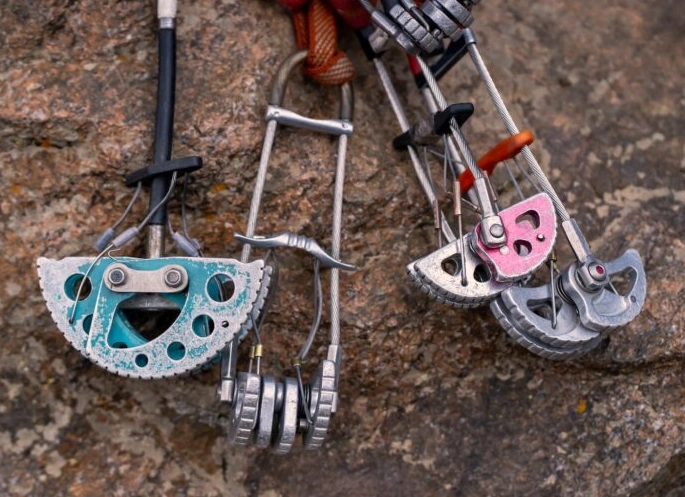
Choosing & Checking Your Gear: A Hands-On Approach
Buying gear online is convenient, but for core items like a harness and helmet, a shop visit is invaluable. Reputable retailers like REI or local climbing shops have staff who can help you fit things properly.
When inspecting any piece of gear, new or old, adopt a systematic approach:
The Pre-Climb Check (The "Five-Minute Ritual")
1. Harness: Buckles double-backed? Leg loops adjusted? No frayed stitching or worn/damaged tie-in points?
2. Rope: Run it through your hands. Look for cuts, glazed (shiny, hard) sections, or soft spots. Check the ends for wear.
3. Carabiners & Quickdraws: Gates snap open and closed smoothly? No cracks, deep gouges, or gate wobble?
4. Helmet: Shell intact? No major dents? Suspension system not brittle or torn?
5. Belay Device: Appropriate for the rope diameter? No excessive wear or sharp edges?
This ritual takes minutes but ingrains a safety mindset. I do it every time, without fail.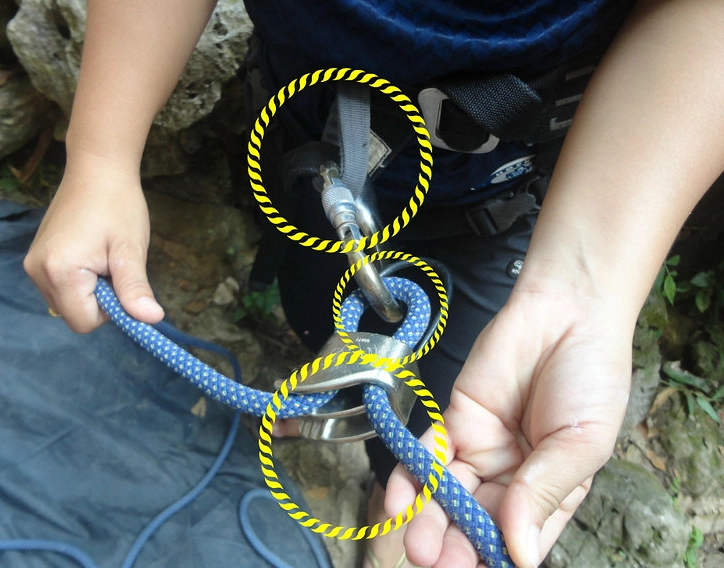
Gear Maintenance & Lifespan: Knowing When to Retire
Gear doesn't last forever. There's no magical expiration date stamped on it. Its lifespan is a function of use, care, and exposure.
Ropes: They hate three things: dirt, chemicals, and UV light. Dirt acts as an abrasive inside the sheath. Step on your rope with gritty shoes? You're grinding it from the inside. Wash it occasionally in lukewarm water with a mild detergent (never bleach or harsh chemicals). Dry it away from direct sun. Store it in a cool, dark, dry place—not the hot trunk of your car.
Harnesses & Soft Goods (Slings, Webbing): UV radiation is the silent killer of nylon and dyneema. It weakens the fibers long before they look bad. If your gear lives on a sunny porch or in a rear windshield, it's aging rapidly. Also, avoid storing them wet, which can promote mildew. Inspect stitching regularly for any signs of pulling or abrasion.
Hardware (Carabiners, Cams): They're tough but not indestructible. A deep gouge or scratch, especially if it feels sharp to a fingernail, can be a stress riser. If a carabiner gate doesn't open/close smoothly after a cleaning, or if it has taken a massive load (like a factor 2 fall onto an anchor), consider retiring it. When in doubt, take it out of service.
The rule is simple: If you have any doubt about a piece of safety equipment's integrity, retire it. The cost of replacement is trivial compared to the cost of failure.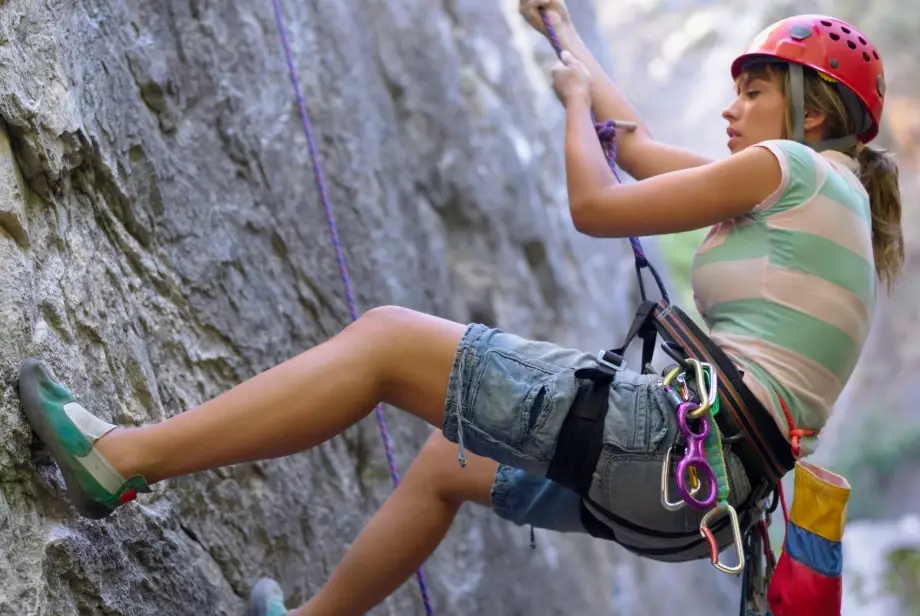
Common Mistakes & Advanced Safety Insights
Beyond the basics, here's where experience talks.
Back-clipping: This is when the rope runs from the climber, through the carabiner gate, and back towards the rock. In a fall, the rope can unclip the gate. It's a fundamental error that proper instruction should prevent, but I still see it at crowded sport crags.
Z-clipping: Happens when a climber pulls up rope from below the previous piece to clip the next one, creating massive slack and rope drag. It's a waste of energy and creates a dangerous situation if you fall.
Ignoring Anchor Extension: In a multi-point anchor (like two bolts), if the slings connecting them aren't equalized or are too long, a failure of one point can cause a violent, shock-loading "extension" on the remaining point. This can be enough to fail the second piece. Always strive for no-extension anchors using proper equalization techniques.
My final piece of advice? Your brain is your most important safety device. No piece of gear compensates for poor judgment, rushing, or distraction. Climb with people who prioritize safety as much as sending. Ask questions. Take a course from a certified guide or organization like the American Mountain Guides Association (AMGA). Read accident reports from the American Alpine Club to understand how things go wrong.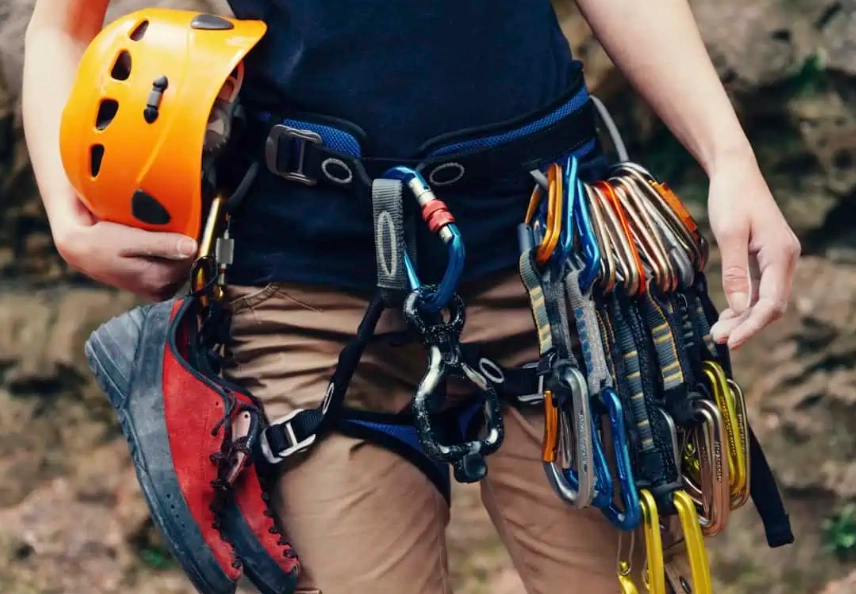
Gear is fantastic, but competence is king.
Your Climbing Safety Questions, Answered
How do I choose the right climbing harness for my body type and climbing style?
How often should I retire my climbing rope, and what signs should I look for?
What's the single most common mistake climbers make with their carabiners?