Let's cut right to the chase. Your boots get all the glory, but your socks do the real work. I've seen too many hikes ruined—my own included—by ignoring this simple piece of gear. Blisters, sweat-soaked feet, cold toes, that annoying slip-down feeling. It all traces back to the wrong sock. Choosing the right men's hiking socks isn't about picking the prettiest color; it's a functional decision that directly impacts your comfort, endurance, and safety on the trail. This guide strips away the marketing fluff and gives you the practical, experience-driven knowledge to make the best choice for your feet.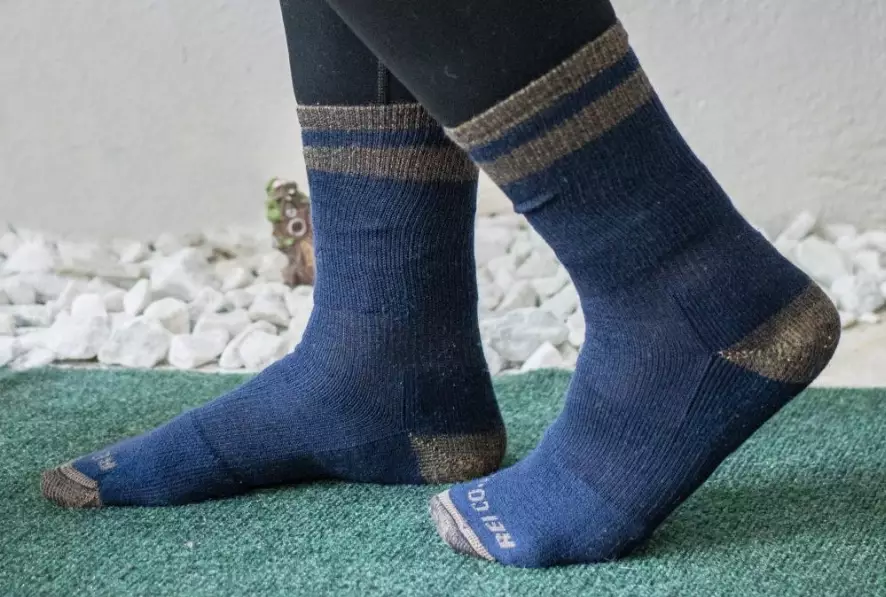
What You'll Find in This Guide
Why Your Socks Matter More Than You Think
Think of your sock as your foot's primary management system. It's not just fabric; it's a climate controller, a shock absorber, and a friction barrier. A good hiking sock pulls moisture away from your skin to keep you dry (wet skin blisters faster), provides cushioning to reduce impact fatigue, and has a seamless construction to minimize hot spots. A bad sock? It's a sponge that holds sweat, creates bunching and wrinkles that grind against your skin, and offers zero support.
I learned this the hard way on an early backpacking trip in the White Mountains. I wore cheap cotton athletic socks. By mile five, my feet were damp. By mile ten, I had two quarter-sized blisters on my heels. The last five miles were pure misery. That failure cost me a day of hiking and taught me a lesson no gear review ever could: never, ever underestimate your socks.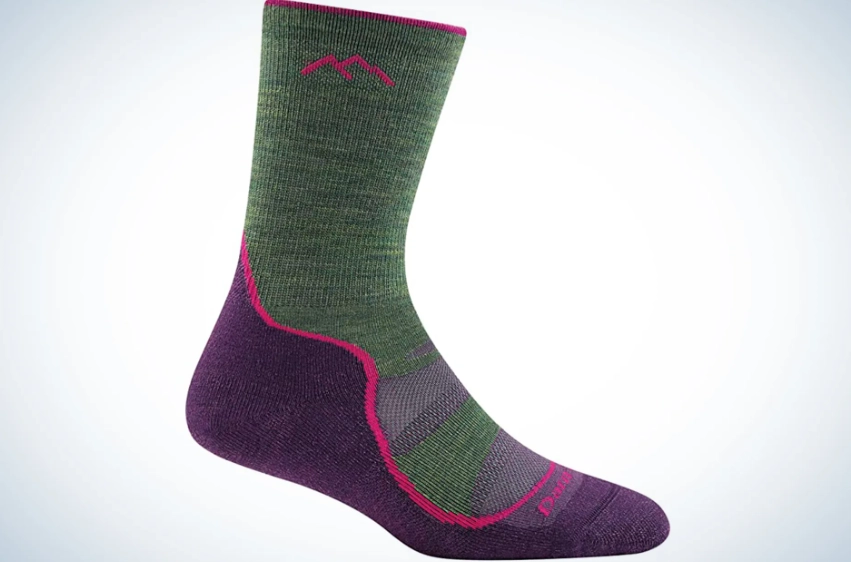
How to Choose the Right Hiking Socks for Men
Forget browsing by brand first. Start with this decision tree based on your activity. It'll narrow your search instantly.
Quick Scenario Guide: Heading out for a summer day hike on well-maintained trails? A lightweight, moisture-wicking sock with minimal cushion is perfect. Planning a multi-day backpacking trip with a heavy load over rocky terrain? You'll want a medium-to-heavyweight sock with targeted cushioning at the heel, ball, and shin. Winter hiking or mountaineering? Insulation becomes key—look for a blend with wool and maybe even a liner system.
The main pillars to evaluate are material, thickness/cushioning, and fit. Get these right, and you're 90% of the way there.
Material Breakdown: From Merino to Synthetics
This is where the magic (or misery) happens. Here’s a raw look at the common materials.
| Material | Key Pros | Key Cons | Best For |
|---|---|---|---|
| Merino Wool | Naturally regulates temperature, resists odors incredibly well, wicks moisture, stays warm when wet. | Less durable than synthetics, wears out faster in high-friction areas, often more expensive. | Multi-day trips, variable weather, anyone prioritizing odor control. |
| Synthetics (Polyester, Nylon) | Highly durable, dries very fast, often more affordable, good moisture-wicking. | Can hold odors more than wool, may feel less "breathable" in some weaves. | Day hikers, high-mileage runners, budget-conscious buyers, warm weather. |
| Blends (Merino + Nylon/Spandex) | Balances comfort of wool with durability and shape retention of synthetics. The sweet spot for most. | Performance depends on blend ratio. A low wool % may not control odor as well. | Almost everyone. The most popular and versatile category. |
| Cotton | Feels soft initially, cheap. | THE WORST. Holds moisture like a swamp, leads to blisters, loses insulation when wet. | Lounging at home. Never for hiking. |
My go-to is a merino wool blend, usually in the 60-75% merino range. The nylon (around 20-30%) adds crucial durability at the heel and toe, while the 3-5% spandex/elastane gives it a snug fit. Brands like Darn Tough, Smartwool, and Farm to Feet have this down to a science.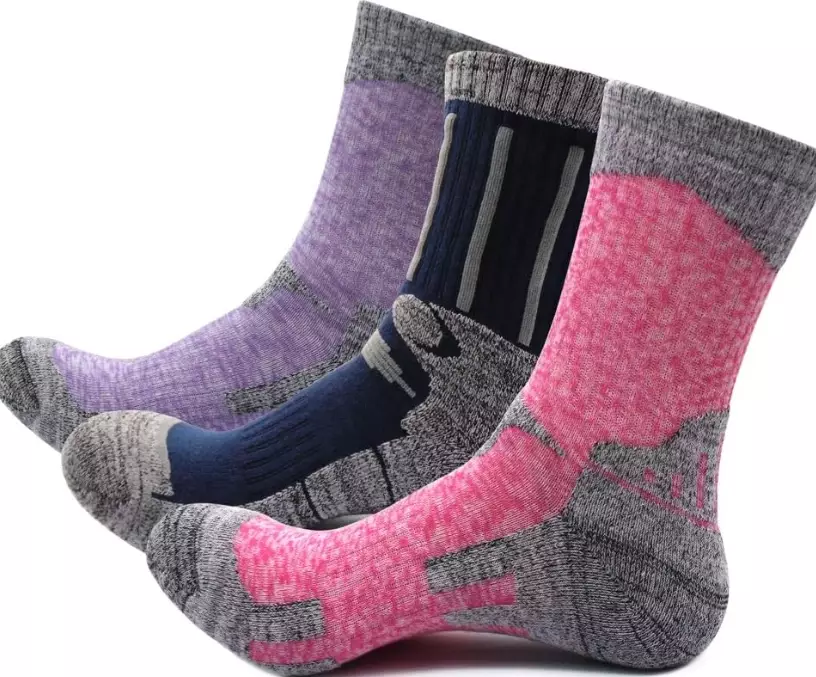
A subtle mistake I see: Hikers buy 100% merino socks thinking they're getting the best. For light use, they're fine. But for serious mileage, the lack of synthetic reinforcement means they'll develop holes much faster at pressure points. The blend is almost always the smarter play.
Thickness & Cushioning: Matching Sock to Terrain
Thickness isn't about warmth alone; it's about protection and volume. Your boot fit must account for your sock thickness.
- Ultralight/No Cushion: Like a second skin. For fast-packing, trail running, or hiking in snug-fitting shoes where you want maximum ground feel. Zero bulk.
- Lightweight/Thin Cushion: All-day comfort for summer hiking on moderate trails. Provides basic wicking and a bit of padding without overheating.
- Midweight/Medium Cushion: The workhorse. Suitable for 3-season backpacking, rocky trails, and carrying moderate loads. Cushioning is often strategically placed.
- Heavyweight/Full Cushion: Maximum padding for heavy backpacking, winter hiking (paired with appropriate boots), or navigating extremely rough terrain. Can add significant volume.
If you're buying boots, try them on with the sock thickness you plan to hike in. A boot that fits perfectly with a thin sock will be painfully tight with a heavy cushion sock.
The Non-Negotiable Fit Checklist
A sock that's too big will bunch and wrinkle. A sock that's too small will constrict your toes and stretch thin over pressure points. Here’s what to feel for: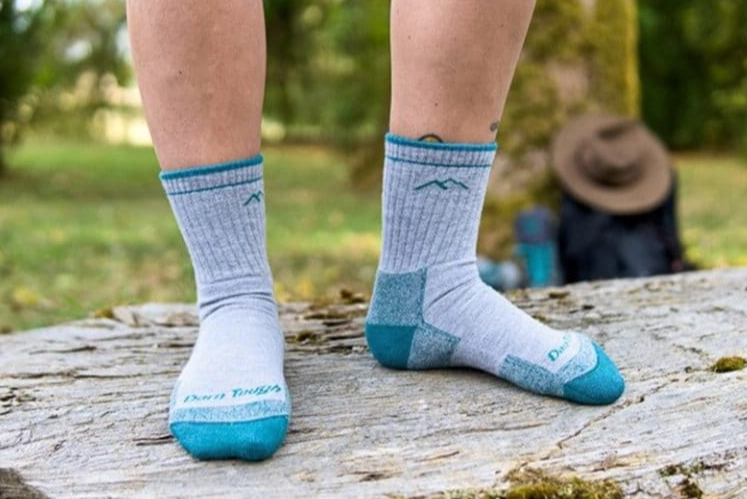
Heel Pocket: The reinforced heel should sit snugly on your heel, not ride up or float below it.
Toe Box: There should be no excess material, but your toes must have room to splay naturally. No pinching.
Arch: Many hiking socks have light elastic support in the arch. It should feel supportive, not tight or binding.
Leg/Cuff: The cuff should stay up without digging in. If it constantly slides down, it's a sign of poor fit or worn-out elastic.
Don't just guess your size. Sock sizing can vary by brand. Measure your foot and check the brand's specific size chart. Most men's hiking socks come in ranges like S (6-8.5), M (9-11.5), L (12-14). When in doubt between two sizes, some hikers prefer the smaller size for a more secure fit, but never if it compresses your toes.
Care & Longevity: Making Your Socks Last
Good hiking socks are an investment. Treat them right.
Washing: Turn them inside out. This helps release dirt trapped in the cushioning. Use a gentle, wool-safe detergent if they contain merino. Avoid fabric softeners and bleach—they coat the fibers and destroy their moisture-wicking and odor-fighting properties.
Drying: Air dry is best. Tumble dry on low heat if you must, but high heat will bake the elastic (spandex) and cause them to lose their shape forever.
The Rotation Rule: Never wear the same pair two days in a row on a multi-day trip. Let them fully dry out and recover their loft. Pack at least two pairs, alternating each day.
Brands like Darn Tough and Point6 offer lifetime warranties. If you wear a hole in them, they'll replace them. It's a testament to their confidence and a huge value for the buyer.
Your Hiking Sock Questions, Answered
 How often should I change my socks during a long hike?