Look at your climbing harness. That humble piece of metal clipped to your belay loop is arguably the most critical link in your entire safety system. We call it a carabiner. Most climbers own a handful, some a whole drawer full. But how many truly understand them? I've seen too many climbers—even experienced ones—make subtle, dangerous mistakes with their carabiners because they never learned the nuances. This isn't just about buying gear; it's about understanding the engineering that keeps you off the deck.
What's Inside This Guide?
- What Are the Different Types of Climbing Carabiners?
- How to Choose the Right Carabiner for Your Climbing Style
- The Non-Negotiable Carabiner Maintenance and Inspection Checklist
- 3 Common Carabiner Mistakes You're Probably Making
- Beyond the Basics: Pro Tips for Specific Scenarios
- Your Carabiner Questions, Answered
What Are the Different Types of Climbing Carabiners?
Walk into any gear shop and you'll see a wall of them. D-shaped, oval, wire-gate, solid-gate. It's not marketing fluff. Each shape and gate mechanism serves a distinct purpose, born from decades of solving specific climbing problems.
Let's break it down. The shape dictates how force is distributed and how the carabiner sits on your harness or in a piece of gear.
| Shape | Best For | Key Advantage | Watch Out For |
|---|---|---|---|
| D-Shaped | Belay devices, critical protection points | Strongest shape. Load forces directly onto the spine (strongest side). | Can be harder to clip in tight spaces. |
| Asymmetric D (HMS/Pearabiner) | Munter hitch belays, guiding, any situation needing a wide pivot. | Wide, rounded end allows ropes to move freely without cross-loading. | Weaker than a standard D on the minor axis. |
| Oval | Aid climbing, traditional gear racks (older style). | Symmetrical. Gear hangs evenly, doesn't tilt. | Weakest common shape. The load is shared by both sides. |
Then there's the gate. This is where innovation runs wild.
Straight-Gate vs. Bent-Gate: A bent-gate carabiner has a slight curve inward. That curve acts like a funnel, making clipping a rope during a sport lead climb noticeably easier when you're pumped and fumbling. It's a game-changer for redpoint attempts. Straight-gates are the workhorses, simpler and often lighter.
Solid Gate vs. Wire Gate: This is a weight vs. durability vs. freezing trade-off. Wire gates are lighter and less prone to freezing shut in icy conditions (less metal to conduct cold). But I've seen wire gates get hooked on weird things in a crack, and they can be harder to manipulate with gloves. Solid gates feel more robust for everyday use.
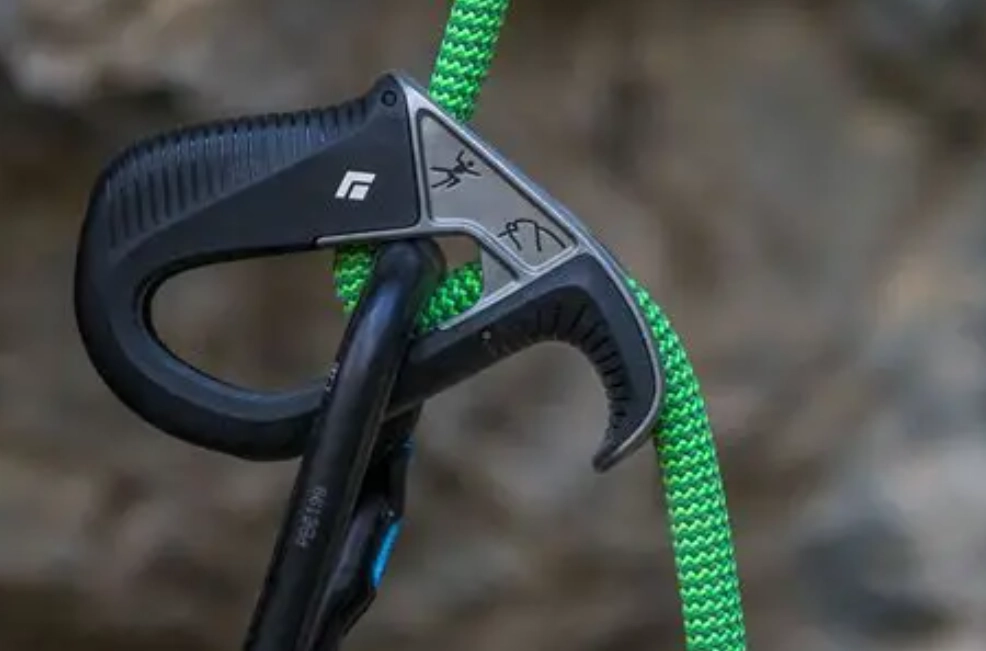
Auto-Locking vs. Manual Locking: This is about safety redundancy. A locking carabiner has a sleeve that twists to cover the gate opening. Auto-locking versions (like screwgates that you only screw 1/4 turn, or magnetic gates) are fantastic for belay stations where you might forget to lock a manual one. But they can be slower to operate. For quickdraws on a sport route, you'd never use them.
Pro Insight: Don't get hung up on "best." There's only "best for the job." Your belay carabiner should be a large, solid-gate, locking D. Your sport climbing quickdraws will be a mix of wire-gate (on the rope end for easy clipping) and solid-gate (on the bolt end for durability).
How to Choose the Right Carabiner for Your Climbing Style
Choosing isn't about picking the shiniest one. It's a series of deliberate decisions based on how you climb. Let's run through the decision tree.
Decision 1: What's the Application?
Sport Climbing & Redpointing: Weight is king. You want wire-gate carabiners, probably with a bent-gate on the rope end of your quickdraws. Look for keylock or notchless noses to prevent snagging. The strength will still be more than enough (22kN+).
Traditional & Multi-Pitch Climbing: Durability and function trump shaving grams. You'll be stuffing gear into cracks, dragging it up rock. Solid-gate carabiners handle the abuse better. You'll want a mix of standard and locking carabiners for anchors and belays. A few ovals are still handy for evening out gear on slings.
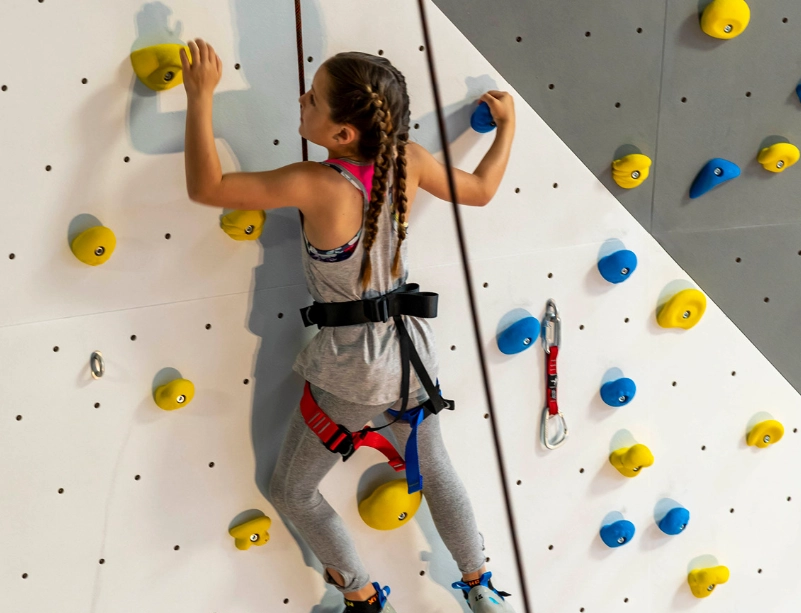
Gym Climbing: Honestly, almost anything safe works. But since gym falls are frequent and often "whipper" style, consider carabiners with a larger rope-bearing surface to reduce wear on your gym's ropes.
Decision 2: Understanding the Specs (It's Not Just a Number)
Every carabiner has a stamp. "22 kN" is the major axis strength—the force needed to break it along its spine when the gate is closed and locked. That's about 4,945 pounds. It's a huge number. For comparison, a severe climbing fall might generate 5-8 kN.
Here's what most climbers miss: the minor axis strength (when force is applied to the side of the carabiner) and the open gate strength. These are way lower, often 7-9 kN. This is why cross-loading a carabiner (when it gets twisted in an anchor) or having it pressed open against the rock is a major failure point. Always check these numbers too.
Certifications matter. Look for UIAA (International Climbing and Mountaineering Federation) and CE marks. These mean the carabiner has been tested to a recognized safety standard, not just in a manufacturer's lab.
Decision 3: The Feel Test
Before you buy a handful, buy one. Feel the gate action. Is it smooth? Can you operate the lock with one hand when you're simulating being scared and tired? Does the shape feel good in your hand for clipping? This subjective feel is why some climbers swear by certain brands.
The Non-Negotiable Carabiner Maintenance and Inspection Checklist
Carabiners don't last forever. They fail from wear, not age. I inspect my rack before every multi-pitch climb and after any big whipper. Here's my routine.
- Visual Scan for Cracks or Deep Gouges: Run your fingernail over the surface. If it catches in a scratch, look closer. Any crack, even a hairline one, is an immediate retirement. This is most common around the nose or hinge.
- Gate Action: The gate should open smoothly and snap shut crisply. Listen for a solid "click." Any grinding, grit, or sluggishness means dirt or corrosion inside. For screwgates, the sleeve must rotate smoothly and lock fully without cross-threading.
- Check for "Gate Lash": Hold the carabiner body and try to wiggle the gate side-to-side. A tiny bit of play is normal. Excessive wobble means the pivot rivet is worn. Retire it.
- Look for Metal Transfer ("Grooving"): Where the rope runs, you might see a smooth, shiny groove worn into the metal. A shallow groove is usually okay (it's just the anodizing worn off). A deep, sharp-edged groove weakens the spine. Time to replace.
Cleaning is Critical: Dirt and sand are abrasive. Rinse carabiners with fresh water after climbing at the beach or in dusty areas. For gritty gates, a soak in warm water with a drop of mild soap, followed by a rinse and thorough drying, can bring them back to life. Never oil them! Oil attracts more grit.
3 Common Carabiner Mistakes You're Probably Making
These aren't in the basic manuals, but I see them constantly at crags worldwide.
1. Using a Non-Locker for Your Belay Device. This seems obvious, but under fatigue, people grab what's handy. Your belay device must be on a locking carabiner. Always. No debate.
2. The "Million-Dollar Accident" Setup on Quickdraws. You have two carabiners on a dogbone. The bolt-end carabiner (solid gate) is stronger and designed to take abrasion. The rope-end (often wire-gate) is for easy clipping. If you reverse them, you're putting the more fragile, easier-to-open gate against the rough bolt hanger. It's a recipe for accelerated wear and a potential gate flutter opening in a fall.
3. Ignoring Minor Axis Loading in Anchors. You build a perfect anchor, equalize it, and clip in. But if the carabiners connecting you are twisted or pulled from the side, they're loaded on their weak axis. A strong fall could break them at 7 kN instead of 22 kN. Always make sure carabiners in the power point of an anchor are aligned so the force pulls along the spine.
Beyond the Basics: Pro Tips for Specific Scenarios
This is the stuff you learn from guides and old-timers.
Ice & Alpine: Wire-gate carabiners are the standard here because they freeze shut less often. But keep them clear of ice build-up. For screwgates, the type with a magnetic auto-lock (like the Petzl Sm'D) is brilliant with thick gloves.
Aid Climbing: You'll be hanging dozens of carabiners. Weight adds up fast. This is where ultra-light alloys shine, and the symmetrical hanging of ovals can be useful, though many now use lightweight Ds.
The "Biner-Only" Rappel Backup: In a pinch, you can use a second carabiner clipped below your rappel device as a friction hitch backup (like a Prusik). Practice this on the ground first. The UIAA and IFSC safety publications often discuss these backup methods.
Your Carabiner Questions, Answered
So that's the real story on carabiners. It's not the most glamorous gear, but getting it right builds a foundation of confidence. When you understand why you're clipping a specific piece of metal, you stop just going through the motions and start climbing with intention. Now go check the gate on your belay biner.