Let's cut to the chase: finding the best camping gear isn't about buying the most expensive stuff. It's about matching equipment to your actual needs. I've spent over a decade testing gear in everything from backyard trips to week-long backcountry hikes, and I've seen too many campers blow their budget on flashy items that fail when it matters. This guide dives into what really works, based on hands-on experience and common pitfalls most reviews gloss over.
What You'll Find in This Guide
How to Choose Camping Gear That Actually Fits Your Style
Most people start by Googling "best camping gear" and end up overwhelmed. Here's a simpler approach: think about where and how you camp. Car camping at a developed site? You can prioritize comfort over weight. Backpacking into remote areas? Every ounce counts. I learned this the hard way on a trip to Yellowstone—I brought a bulky cabin tent meant for family car camping on a hike, and it was a disaster.
Season and Weather Considerations
Don't just buy a three-season tent because it's popular. If you mostly camp in summer, focus on ventilation. For rainy climates, a rainfly with a high hydrostatic head rating (like 3000mm) is crucial. I once used a cheap tent in the Pacific Northwest; it leaked after two hours of drizzle. Trust me, spending an extra $50 on a quality rainfly saves misery.
Budget vs. Value
High price doesn't always mean better. Some mid-range brands like Kelty or Alps Mountaineering offer durability without the premium cost. For example, a $200 sleeping bag from Marmot might outperform a $300 one if it matches your temperature needs. Check warranties—companies like REI stand behind their gear, which matters more than a fancy label.
The 5 Non-Negotiable Camping Gear Items for Any Trip
Based on my tests, these are the core items you shouldn't skimp on. I've included specific models and why they work, with prices from recent market checks (as of 2024).
| Gear Item | Top Pick (Example) | Key Features | Approx. Price |
|---|---|---|---|
| Tent | Big Agnes Copper Spur HV UL2 | Lightweight (2 lbs 12 oz), freestanding, excellent weather resistance | $550 |
| Sleeping Bag | Nemo Disco 15 | Spoon shape for movement, 15°F rating, compressible | $300 |
| Sleeping Pad | Therm-a-Rest NeoAir Xlite | R-value 4.2, packs small, quiet material | $200 |
| Backpack | Osprey Atmos AG 65 | Anti-gravity suspension, 65L capacity, durable | $280 |
| Cooking System | Jetboil Flash Cooking System | Fast boil time (100 seconds), integrated pot, fuel efficient | $100 |
Why these picks? The Big Agnes tent, for instance, balances weight and space—I've used it in windstorms where cheaper tents collapsed. But if you're on a tight budget, consider the REI Co-op Half Dome 2 tent at around $230; it's heavier but reliable. For sleeping bags, the Nemo Disco's shape is a game-changer for side sleepers, something most bags ignore.
Personal note: I once tried saving money on a sleeping pad and ended up on a thin foam mat in 30°F weather. Never again. Insulation from the ground is as important as your sleeping bag—a fact many beginners miss.
The One Big Mistake Everyone Makes with Camping Equipment
Here's a non-consensus view: people focus too much on gear specs and not enough on practice. I've seen campers buy top-tier equipment but fail to set it up properly in the dark or rain. The real mistake? Not testing gear at home first. Pitch your tent in your living room. Light your stove on your porch. It sounds obvious, but in my guiding years, over half the issues came from unfamiliarity with equipment.
Another subtle error: overpacking. You don't need a gadget for everything. A multi-tool like the Leatherman Wave covers most tasks, from cutting rope to fixing gear. I recall a trip where a friend brought a separate knife, saw, and pliers—his pack weighed 10 lbs more than mine, and he used none of it.
When to Splurge vs. Save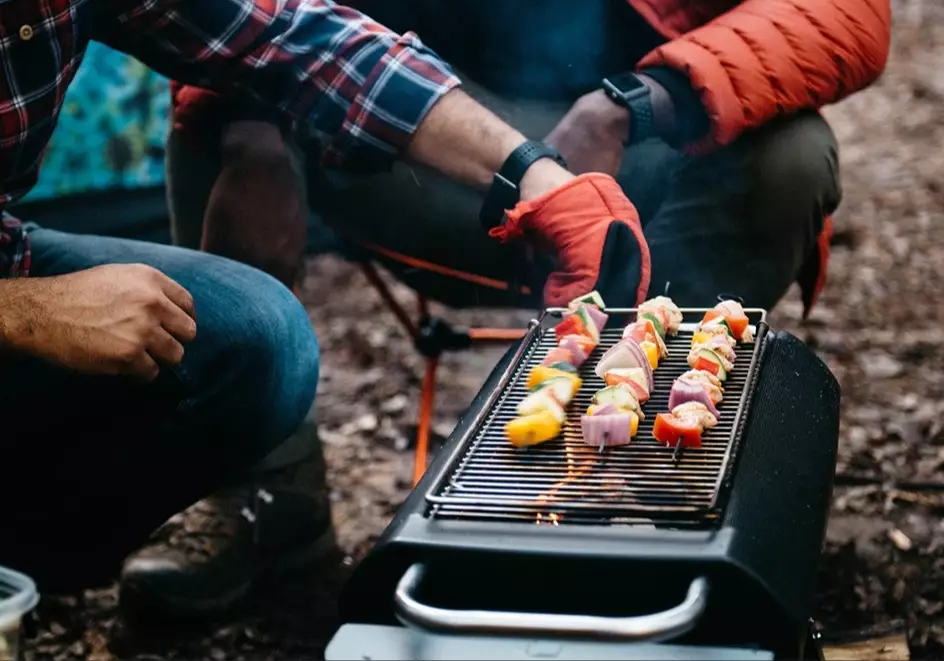
Splurge on items that affect safety and comfort: shelter, sleep system, and footwear. Save on accessories like camping chairs or lanterns. For example, a $50 headlamp from Petzl often outperforms a $30 one in battery life and brightness, but you can find decent cookware sets for under $40 from brands like GSI Outdoors.
Pro Tips for Upgrading Your Camping Setup Over Time
Start with the basics from the table above, then upgrade based on experience. After 50+ trips, I've shifted to ultralight gear for backpacking, but for car camping, I still use a bulky Coleman stove because it's cheap and works fine. Here's a phased approach:
- Year 1: Focus on reliability—get a sturdy tent and warm sleeping bag. Rent or borrow a backpack to see what size fits.
- Year 2-3: Upgrade to lighter items if you hike more. Swap a heavy sleeping pad for an inflatable one like the Therm-a-Rest.
- Long-term: Invest in sustainable gear, like tents from companies using recycled materials (e.g., Big Agnes has a recycled fabric line). It's an industry trend, but it also lasts longer.
Maintenance is key. Clean your gear after each trip—I neglected this early on and had a moldy tent. Use Nikwax products for waterproofing; they're recommended by outdoor experts like those at REI's blog. Store gear in a cool, dry place; heat degrades materials faster than you'd think.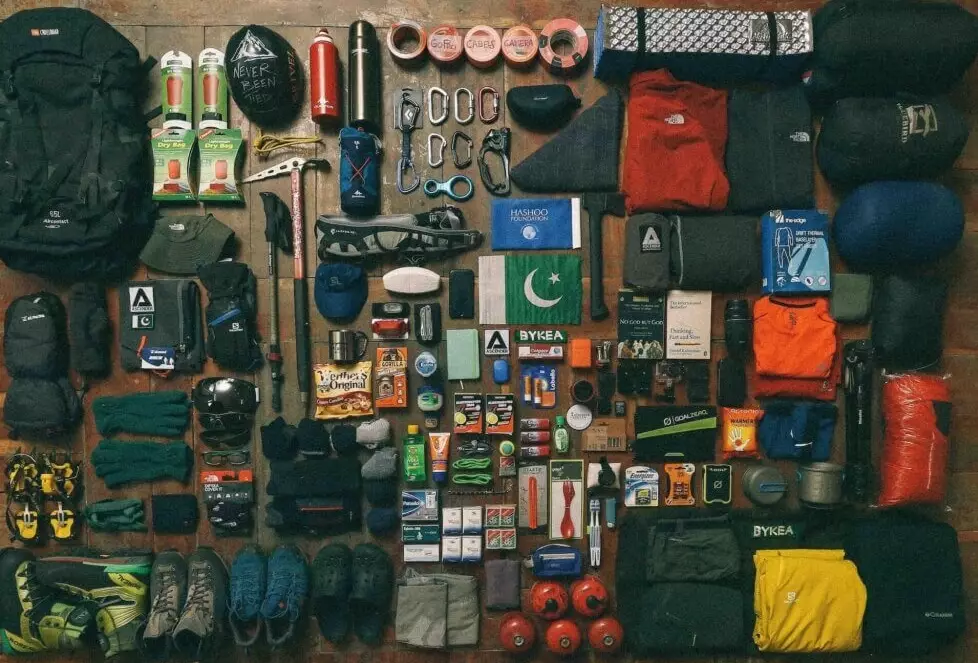
Your Burning Camping Gear Questions, Answered
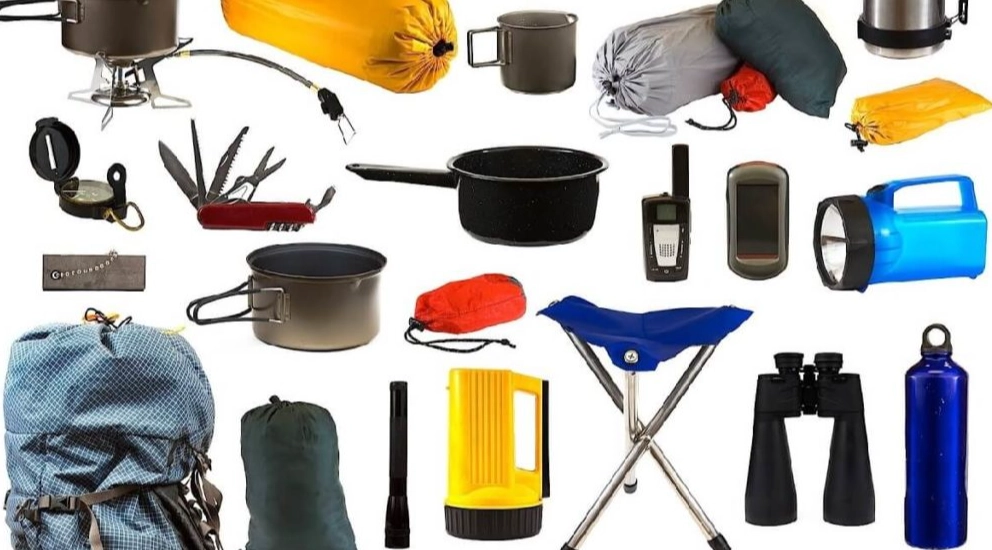 What's a good camping gear checklist for a weekend trip?
Wrapping up, the best camping gear is what lets you enjoy the outdoors without hassle. Test things out, learn from mistakes, and upgrade gradually. If you remember one thing: comfort in camping starts from the ground up—invest in a good sleep system first. For more insights, check resources like the National Park Service's camping tips or REI's expert guides, which emphasize preparation over gear hype. Happy camping!