I've seen it too many times. Someone pulls out their first aid kit backpack on the trail, and it's either a jumbled mess of expired pills and loose bandaids, or it's a pristine, store-bought kit that's missing half the things you'd actually need for a twisted ankle five miles from the trailhead. Most guides tell you to buy a pre-made kit. I'm telling you that's your first mistake. A real first aid kit is a personalized survival tool, and the backpack that carries it is its command center.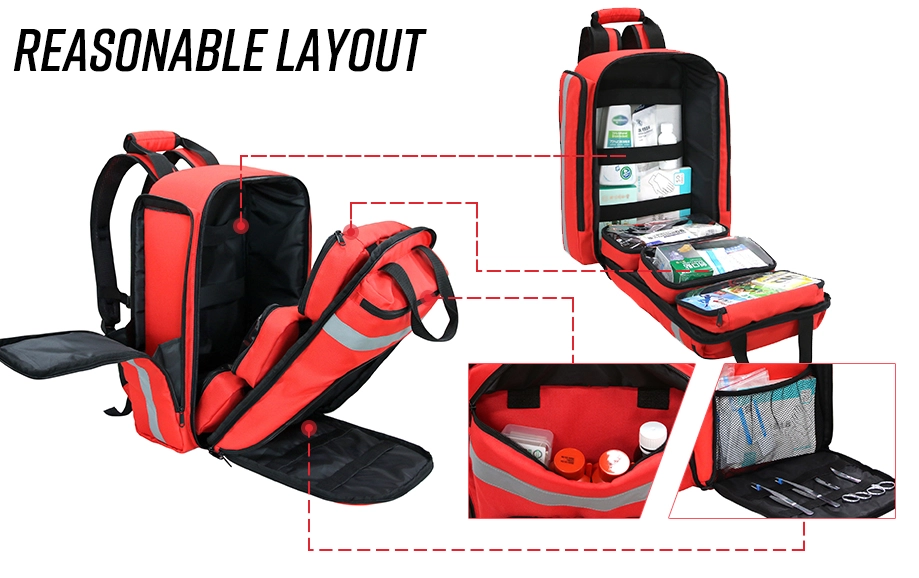
After a decade of guiding and countless backcountry miles, I've learned that the difference between a minor inconvenience and a major crisis often comes down to what's in your pack and, just as importantly, how it's organized. Let's build a kit that works.
Your Quick Packing Guide
How to Choose the Right First Aid Backpack
Don't just grab any old pouch. The pack itself dictates how quickly and effectively you can respond.
Size & Capacity: For a daypack, a 1-2 liter bag is perfect. For group or multi-day trips, think 3-5 liters. It should be big enough to hold everything without being a bulky monster. A common error is using a bag that's too tall and narrow, making it impossible to find anything at the bottom.
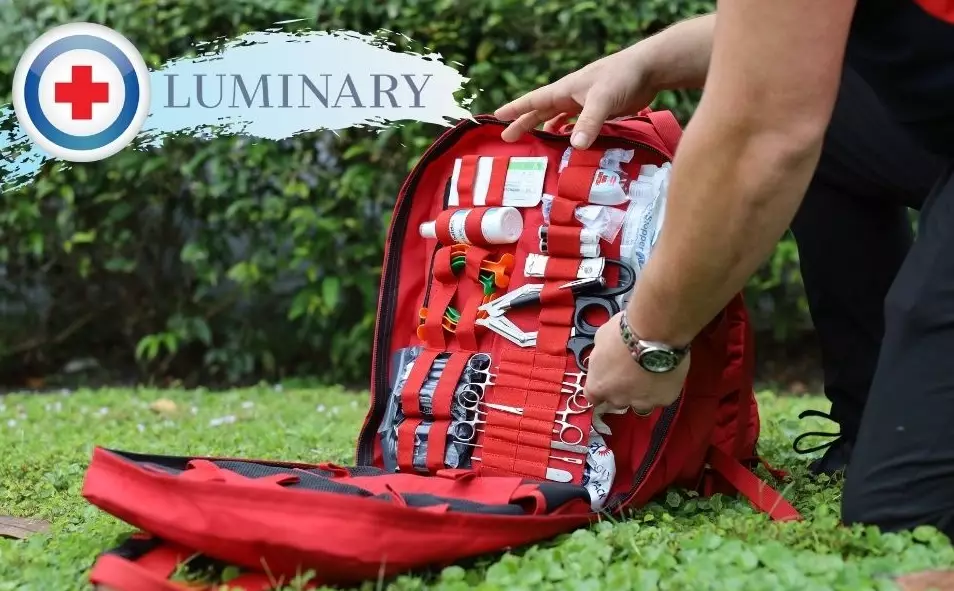
Organization is Everything: Look for a backpack with multiple internal compartments or, even better, removable modular pods. Clear plastic sleeves inside are gold—you can see your supplies without dumping everything out. Molle webbing on the outside is useful for attaching a tourniquet or shears for ultra-fast access.
Durability & Weather Resistance: 500D nylon or similar rugged fabric is a minimum. A waterproof liner or a roll-top closure is non-negotiable if you're around water or in wet climates. Your gauze is useless if it's soaked.
Color Matters: Go for a bright, high-visibility color like red, orange, or international orange. In an emergency, you or someone else needs to spot it instantly. A black bag looks tactical but disappears in a dim tent or a pile of gear.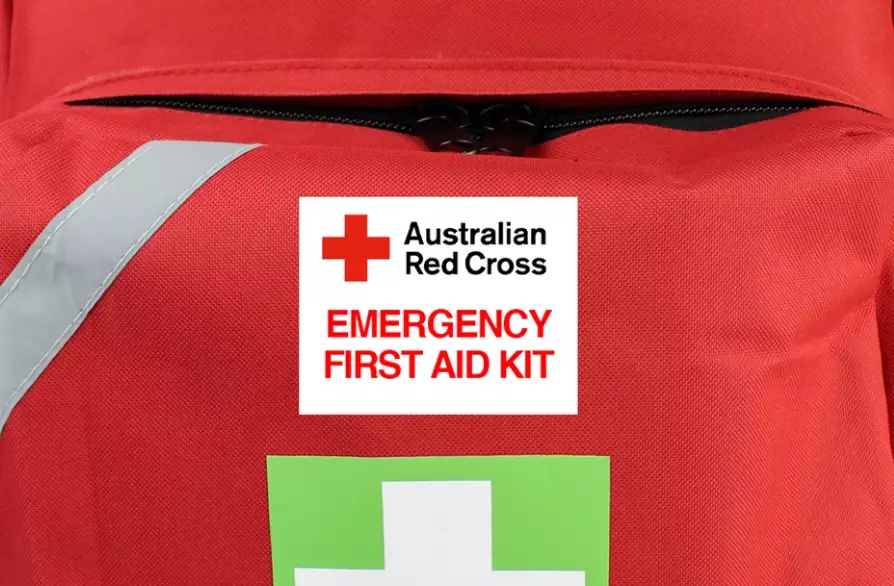
Pro Tip: Attach a small carabiner or gear clip to the zipper pull. With cold, wet, or gloved hands, a tiny zipper is a nightmare. A large loop or clip makes it operable with one hand.
The Non-Negotiable Core Medical Supplies
This is your foundation. You can buy these items in bulk online for a fraction of the cost of a pre-assembled kit.
| Supply Category | Specific Items & Quantities (Day Hike) | Why It's Critical |
|---|---|---|
| Wound Care | Assorted adhesive bandages (10), Sterile gauze pads (4x4 inch, 4), Rolled gauze (1 roll), Medical tape (1 roll), Antibiotic ointment packets (3), Alcohol wipes (6), Butterfly closures (4) | Cleans, covers, and protects from infection. Gauze and tape handle larger cuts that bandaids can't. |
| Blisters & Foot Care | Moleskin sheets, Leukotape or athletic tape (small roll), Safety pins (2), Lubricant (e.g., Body Glide mini) | Blisters are the #1 hike-ender. Moleskin prevents them, tape secures dressings, pins can drain blisters (sterilized first). |
| Medications | Ibuprofen (6 pills), Antihistamine (e.g., Benadryl, 4 pills), Aspirin (2 pills), Antacid (4 pills), Personal prescriptions | Manages pain, inflammation, allergic reactions, and heart attack suspicion (aspirin). Know your own allergies. |
| Tools & Instruments | Sharp scissors or trauma shears, Tweezers (fine-point), Safety razor blade (single), Disposable gloves (2 pairs), CPR face shield keychain, Digital thermometer (compact) | Shears cut clothing and tape. Tweezers remove splinters and ticks. A blade is for precision. Gloves protect you and the patient. |
Beyond Bandaids: What Most Kits Miss
Here's where experience talks. These items address the real, messy problems that happen outdoors.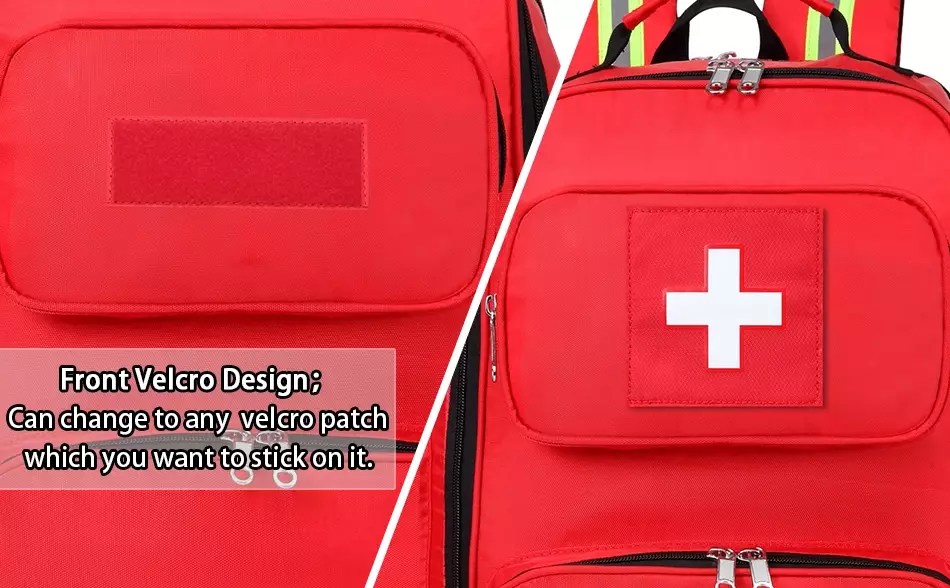
The "Oh Crap" Items:
- QuikClot or Celox Gauze: For serious bleeding. More effective than plain gauze for arterial or deep wounds. It's a splurge but can be lifesaving.
- Sam Splint: This foam-covered aluminum splint is magic. It's moldable to stabilize sprained ankles, broken wrists, or collarbones. Weighs nothing.
- Emergency Bivvy: A compact, metallic-looking sack. If someone goes into shock or you're stuck overnight, this reflects body heat and can prevent hypothermia.
The "Comfort & Function" Items:
- Duct Tape: Wrap some around a trekking pole or water bottle. Fixes gear, reinforces bandages, makes moleskin stick better in sweat.
- Zip Ties (2-3 heavy-duty): Temporary gear repair, can even improvise a buckle for a broken pack strap.
- Small Notepad & Pencil: To record vital signs, injury time, medication given, or write a note if you need to go for help.
- Cash ($20-40): Stashed in a ziplock. For a taxi, snacks, or a phone call if you emerge somewhere unexpected.
Critical Check: Go through your kit every season. Check expiration dates on medications (they lose potency) and ointments. Replace anything used or looking ragged. A 5-year-old antibiotic ointment tube might as well be empty.
How to Pack Your First Aid Kit Like a Pro
Packing order = order of use likelihood. Think in layers.
Layer 1: Immediate Access (Top/Front Pocket)
This is for the frequent, minor stuff. Blister care, bandaids, antiseptic wipes, pain meds, tweezers, and your gloves. If you get a rock in your shoe or a small cut, you shouldn't have to unpack your entire kit.
Layer 2: Serious Care (Main Compartment)
This holds your bulkier items: rolled gauze, trauma dressings, sam splint, tools (shears), and your emergency bivvy. Pack these in logical groups inside labeled ziplock bags. One bag for "bleeding control," one for "fracture/sprain," one for "meds." The labels are for anyone else who might need to help you.
Layer 3: Documentation & Extras (Bottom/Back Panel)
This is for your notepad, pencil, cash, a copy of your ID/insurance card, and any personal emergency contact info. Also, a small headlamp. Treating an injury in the dark is a whole new level of difficult.
I use different colored ziplocks for different categories. Red for bleeding, blue for breaks/sprains, green for meds. It's a visual system that works under stress.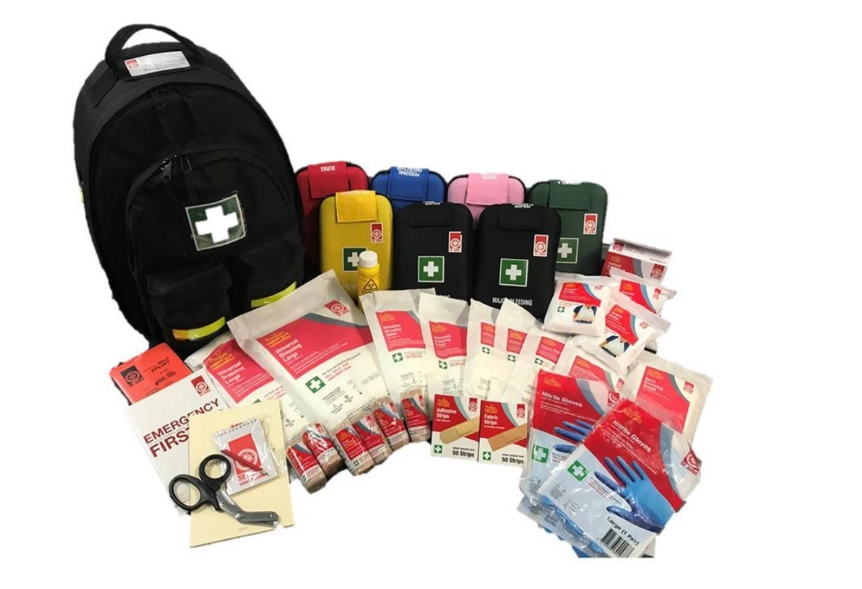
Tailoring Your Kit: Day Hike vs. Week-Long Expedition
Your kit must scale. A solo day hike on a popular trail is different from a remote 7-day canoe trip with a group of four.
Solo Day Hiker (3-8 hours): Focus on self-sufficiency. Your kit can be minimalist but must handle the worst plausible scenario for that terrain—likely a bad sprain or fall. Ensure you have the means to signal for help (whistle, mirror) and stay warm if immobilized. Your kit is smaller but still robust.
Group Multi-Day Expedition: Now you're a mobile clinic. You need to multiply quantities, especially of consumables like gauze, tape, and medications. Add:
- Broad-spectrum antibiotic (requires prescription, discuss with a doctor familiar with wilderness medicine).
- More advanced wound irrigation (a larger saline syringe).
- Stitch kit or skin glue for deeper lacerations (with proper training!).
- Additional SAM splints.
- A dedicated wilderness medicine guidebook like those from the Wilderness Medical Society.
The weight gets distributed among the group, but one person (the most trained) should be the designated keeper of the main kit.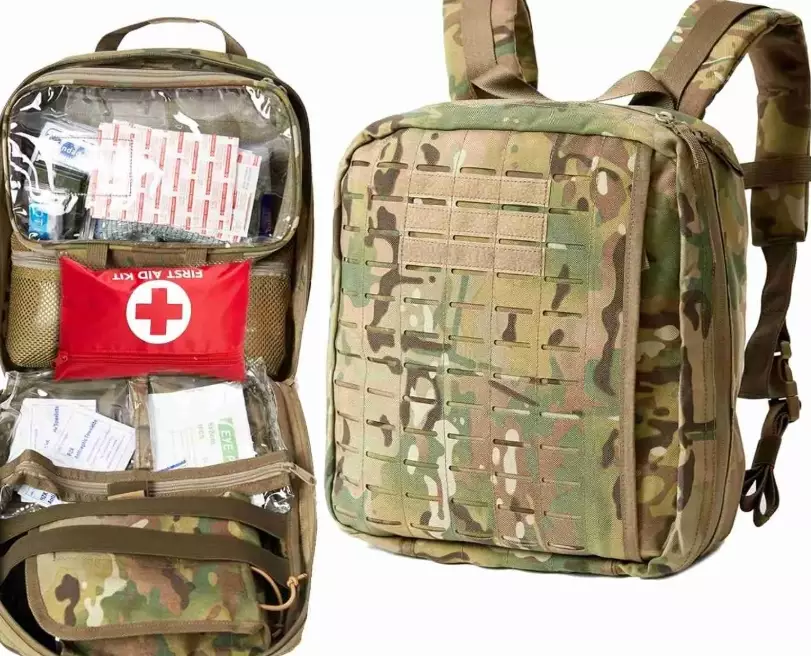
Answers to Your First Aid Kit Questions
 Should I include things like a snake bite kit or suction device?
Your first aid kit backpack is more than gear; it's a responsibility. It's the promise that you've done what you can to handle the unexpected. Build it thoughtfully, pack it intelligently, and know how to use it. That confidence lets you adventure further, and safer.