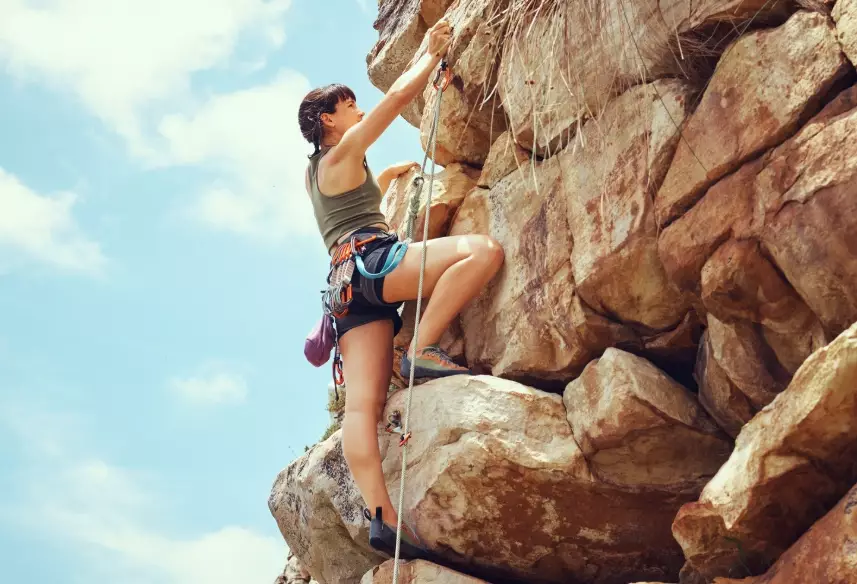
You see the Instagram reels: a climber dangling from a fingertip hold a thousand feet up. The movies show catastrophic falls. Your friend comes back from the gym with taped fingers. It's easy to think rock climbing is an extreme, borderline reckless sport. But what do the actual numbers say? Is it a death wish, or is the perceived danger mostly hype? Let's look past the adrenaline-pumping footage and examine the cold, hard statistics on rock climbing injuries and fatalities. The truth is more nuanced—and frankly, more interesting—than you might expect.
What’s Inside This Guide
Understanding the Numbers: Fatality Rates in Rock Climbing
Let's start with the big one: the chance of dying. This is where data gets tricky because "rock climbing" encompasses everything from indoor bouldering to soloing El Capitan. A comprehensive report from the American Alpine Club analyzing decades of data suggests a rough fatality rate. For general mountaineering and climbing, studies have estimated rates. One often-cited figure from published research puts it in the ballpark of roughly 1 death per 175,000 outings or participation days.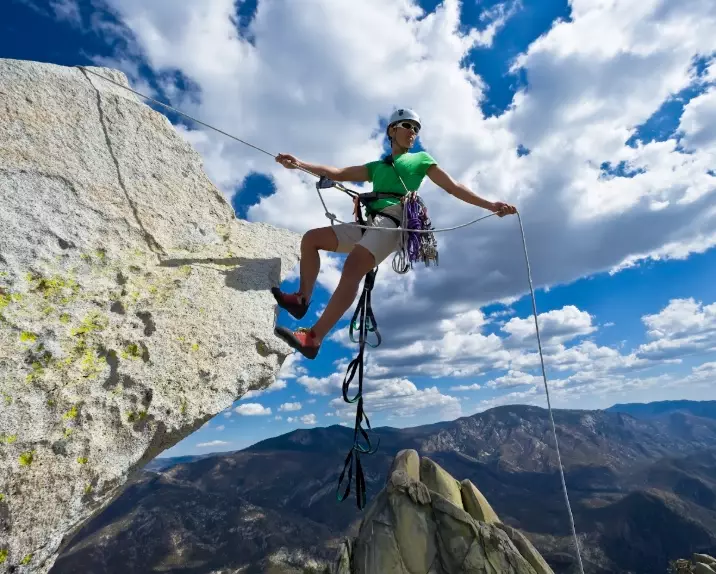
Key Context: That "outing" is crucial. One multi-day alpine expedition counts as one outing, just like a 2-hour sport climbing session at the local crag. The risk per hour of exposure would be higher for the former. Furthermore, this rate aggregates all disciplines. The risk for a roped sport climber on well-protected routes is orders of magnitude lower than for an alpinist tackling objective hazards like avalanches and storms.
Another way to look at it is through the lens of national park data. A study published in the Wilderness & Environmental Medicine journal analyzed fatalities in US National Parks. It found that climbing accounted for a small fraction of overall fatalities, far behind drowning and motor vehicle accidents. The point? In the realm of outdoor pursuits, climbing isn't the outlier people assume.
Rock Climbing vs. Other Activities: Putting the Risk in Context
This is where perspective really kicks in. Humans are terrible at intuitively judging risk. We overestimate dramatic, voluntary risks (like climbing) and underestimate common, passive ones (like driving). Let's compare. Data from various national safety councils and transport agencies allows for rough comparisons.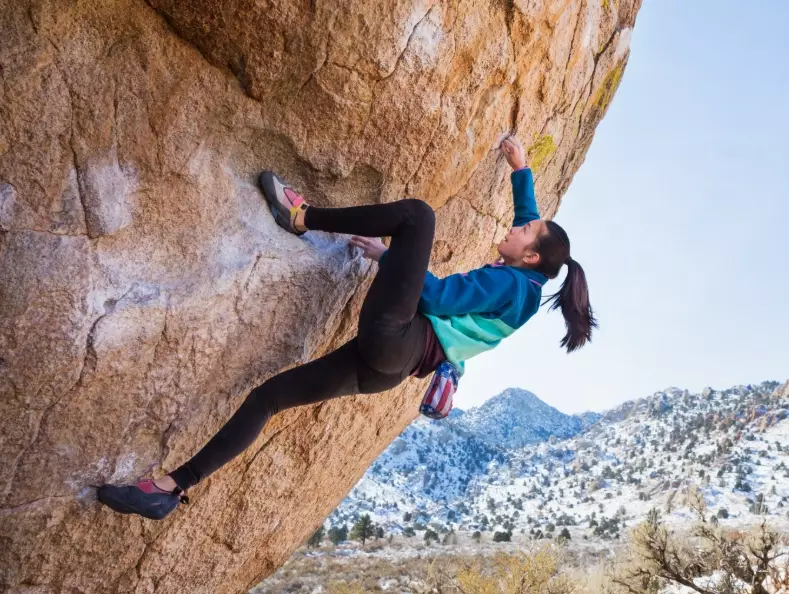
| Activity | Estimated Fatalities per 100,000 Participants/Year (Approx.) | Key Notes |
|---|---|---|
| Base Jumping | ~40-50 | Extremely high-risk; often cited as one of the most dangerous. |
| Mountaineering (High-Altitude) | ~10-15 | Includes Everest etc.; objective hazards dominate. |
| Scuba Diving | ~1-2 | Equipment failure, decompression sickness. |
| Motorcycling | ~5-10 | Highly dependent on rider behavior and environment. |
| Rock Climbing (All Disciplines) | ~0.5-1 | Aggregate rate; sport climbing is much lower. |
| Running/Jogging | ~0.5-1 | Mainly cardiac events, traffic accidents. |
| Swimming | ~0.5-1 | Primarily drowning. |
| Driving a Car (US) | ~1-1.5 | Per 100,000 licensed drivers. |
See that? The aggregated risk of all rock climbing sits in a similar statistical neighborhood as swimming, running, and—strikingly—everyday driving. Now, this doesn't mean a day of climbing is as safe as a day on the couch. It means that when you look at population-level data over time, the mortality rate is comparable to many accepted activities. The crucial takeaway is that most climbing is not like base jumping. It's a managed-risk activity.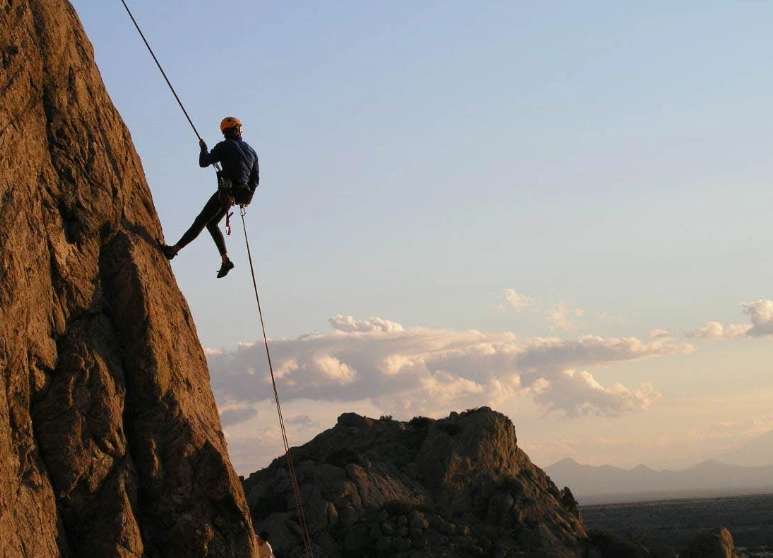
The Real Danger Isn't What You Think: Common vs. Catastrophic Risks
Here's the expert insight many miss. The dominant narrative focuses on the spectacular, lethal fall. But for the vast majority of climbers, that's not the primary threat. The real danger profile splits into two categories: catastrophic system failure (rare) and cumulative wear-and-tear (very common).
Catastrophic failures—like a complete anchor pull, rope cut, or unbelayed fall—do happen, but they're almost always the result of a chain of human errors, not bad luck. We'll dissect that chain later.
The far more pervasive danger is overuse injury. This is the silent statistic that doesn't make headlines but ends more climbing careers than anything else.
The Injury Leaderboard: What Actually Hurts Climbers
Talk to any physical therapist who works with climbers, or look at studies in the Journal of Hand Therapy or sports medicine clinics. You'll see a clear pattern:
Finger Pulley Strains (A2, A4 pulleys): The undisputed number one. Cranking on small holds overloads the tendon sheaths in your fingers. A full "pulley rupture" is the climber's equivalent of a torn ACL—a season-ender.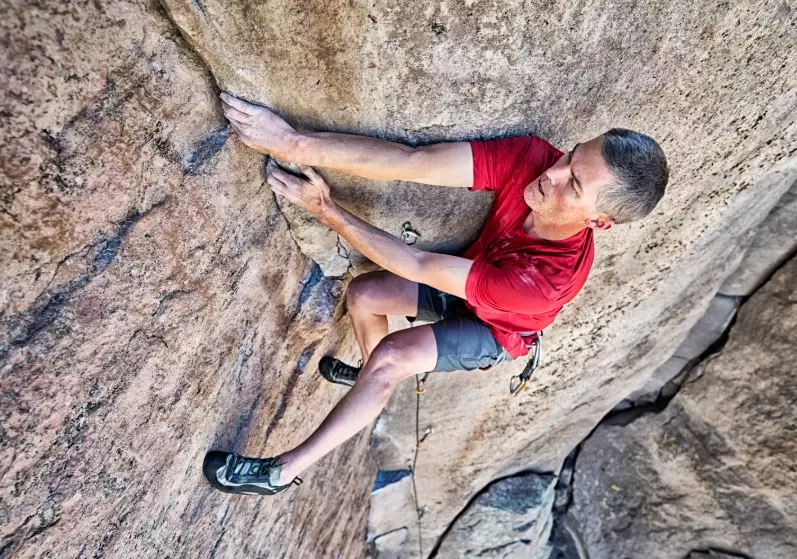
Shoulder Labrum Tears & Impingement: All that reaching, locking off, and dynamic movement puts immense strain on the shoulder's stabilizers. Poor technique (e.g., "chicken winging" your elbow) accelerates this.
Elbow Tendinopathy (Climber's/Golfer's Elbow): Chronic pain on the inside (golfer's) or outside (tennis) of the elbow. It's a classic overuse injury from repetitive gripping.
Ankle Sprains from Bouldering Falls: This is the most common acute injury, especially indoors. People miss the pad, twist on landing, or fall from the top of a boulder problem improperly. It's not the height; it's the landing.
Notice a trend? None of these top injuries involve a rope breaking. They involve the body breaking down under repetitive stress or a minor misstep. This shifts the safety conversation from just "check your gear" to "listen to your body, train antagonistic muscles, and practice falling."
What Actually Causes Accidents? The Human Factor Chain
When catastrophic accidents are investigated—by organizations like the American Alpine Club's Accidents in North American Climbing report—a depressingly consistent pattern emerges. It's rarely a single piece of gear failing mysteriously. It's a cascade of small, often stupid, human errors.
The classic chain looks like this:
1. Complacency on Familiar Ground: It's the "easy" route you've done a dozen times. You're chatting, not focusing. You skip the full safety check because you're in a hurry.
2. A Breach in Fundamental Protocol: The climber ties into the harness incorrectly. The belayer threads their device wrong. Someone forgets to say "On belay?" "Belay on." "Climbing." "Climb on." This communication is your final backstop.
3. Lack of Redundancy: A single piece of marginal gear is trusted as the sole anchor. The climber doesn't back up their rappel device with a friction hitch (a Prusik).
4. The Triggering Event: A hold breaks. The climber slips. A sudden gust of wind. This is the "bad luck" moment, but it only becomes a disaster because the safety net was already removed by steps 1-3.
After a decade of climbing and listening to accident reports, I'm convinced the root cause is almost never a lack of advanced knowledge. It's a failure to execute the boring, basic, kindergarten-level fundamentals every single time. The veteran who gets lazy is often at greater risk than the nervous beginner who quadruple-checks everything.
The Non-Consensus Take: Most safety advice focuses on buying the right gear (important!) and learning advanced skills. But the biggest gap I see is in cultivating a ritualistic mindset. You need a start-up sequence, like a pilot, that you cannot skip. If any part of the sequence is interrupted (someone interrupts your knot-tying), you start the whole sequence over. This mental discipline saves more lives than knowing how to build a 10-point anchor.
How to Drastically Reduce Your Risk: Actionable Steps
Statistics are useless without application. Here’s how you leverage this data to be a safer climber, whether you're in a gym or on a big wall.
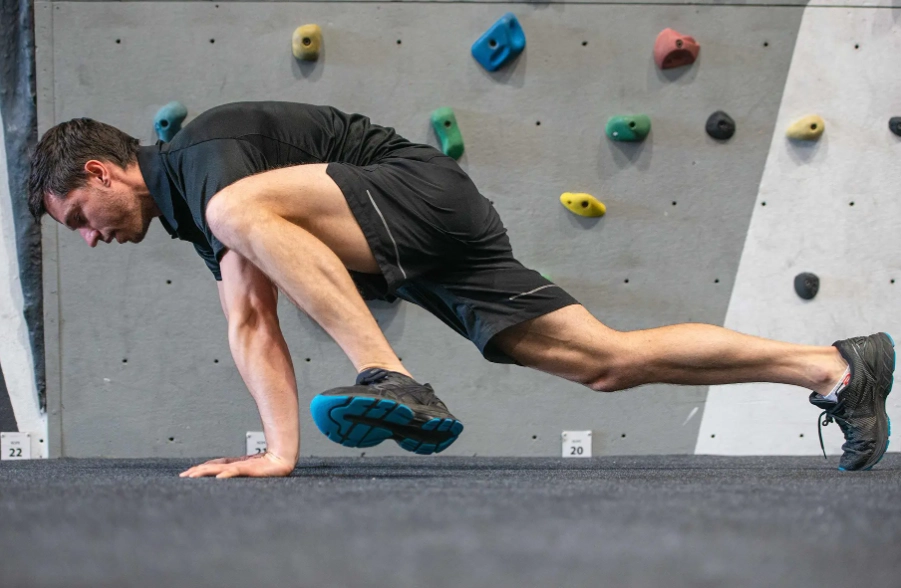
1. Treat the Gym as a Skills Lab, Not Just a Workout. Use the safe environment to drill fundamentals. Practice falling on rope—let go intentionally from progressively higher points. Practice bouldering falls with proper form: knees bent, roll onto your back. Have a friend film your belaying; you'll be shocked by the small mistakes you make.
2. Create Your Pre-Flight Checklist. Write down your 5-10 absolute must-do items before leaving the ground. For me, it's: (1) Harness double-back buckled? (2) Figure-8 follow-through knot tied, dressed, and tail > 3 inches? (3) Belayer's device threaded correctly, carabiner locked? (4) Verbal commands exchanged clearly? (5) Final partner visual check of each other's systems. This list gets recited out loud, every time.
3. Invest in Injury Prevention, Not Just Strength. For every hour you spend climbing, spend 15 minutes on prehab. Finger extensor work with a rubber band. Rotator cuff exercises with light resistance bands. Wrist mobility drills. This directly attacks the #1 statistical danger: overuse injuries.
4. Seek Mentorship, Not Just Instruction. A weekend course teaches you what to do. A mentor teaches you the habits and the "why." Find an experienced climber who is annoyingly meticulous and ask to follow them on easy routes. Observe their ritual. The habits are what stick.
5. Manage Objective Hazards Relentlessly. Most fatalities aren't from technical climbing falls but from objective dangers like rockfall, avalanche, or weather. Learn to read terrain, assess rock quality, and make conservative weather calls. This situational awareness is a higher-order skill that separates recreational climbers from true mountain people.
The data shows rock climbing is a sport with inherent risks, but those risks are largely knowable and manageable. The danger isn't random; it follows patterns. By understanding the statistics—both the rare fatality and the common injury—you can craft a practice that is profoundly rewarding and, statistically speaking, safer than your daily commute. The goal isn't to eliminate risk, but to manage it so intelligently that you can enjoy the vertical world for decades to come.