The idea of ice climbing usually comes with a certain image: a frozen waterfall in the remote wilderness, sub-zero temperatures, and a level of commitment that feels reserved for elite alpinists. It's intimidating. What if I told you that you can experience the unique thrill of swinging ice tools and kicking crampons into a vertical surface in a climate-controlled warehouse in your city? That's the reality of indoor ice climbing, and it's the single best way to get into the sport.
I remember my first outdoor ice lead. My legs shook so badly I could barely place a screw. I wish I'd spent more time indoors first. The controlled environment lets you focus on technique, not survival.
What's Inside This Guide
What Exactly is Indoor Ice Climbing?
It's not a walk-in freezer with a giant ice block, though that's a common guess. Modern indoor ice walls are sophisticated structures. The climbing surface is typically a polymer-based material like VertiClimb's IceReal or a textured, water-cooled panel system. Water constantly runs down it, freezing into a thick, climbable layer of real ice. The texture and tool "stick" are remarkably similar to good-quality alpine ice.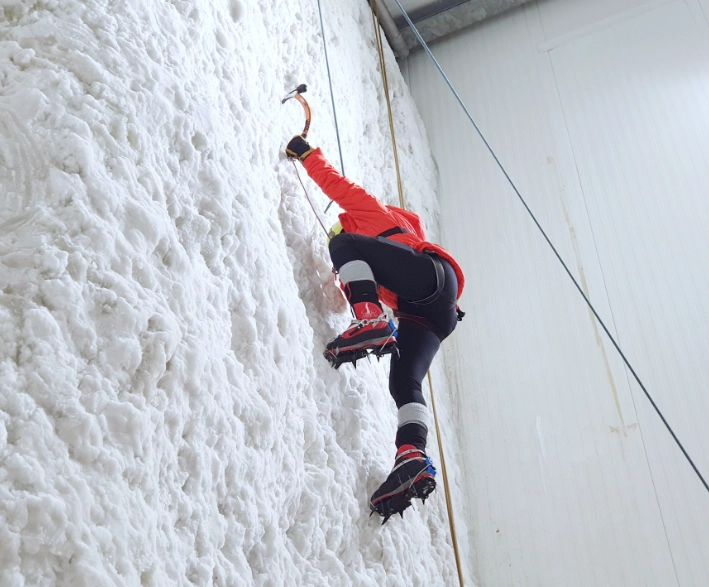
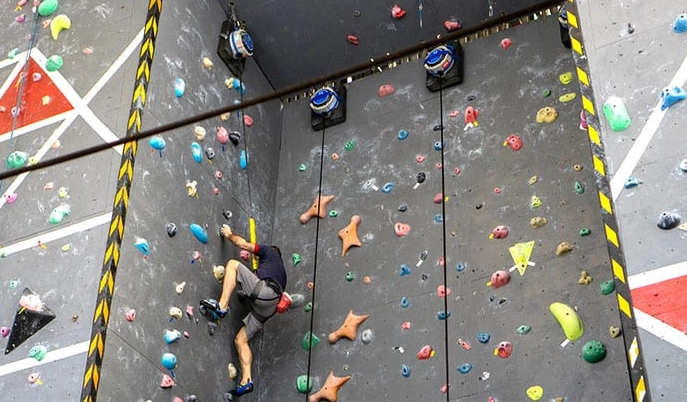
The walls are built inside climbing gyms or dedicated adventure centers. You'll be secured by a top-rope system, often with an auto-belay for solo practice, making it significantly safer than its outdoor counterpart for beginners. The height varies, but most are between 30 and 50 feet tall—plenty to get your heart racing.
Why Try Climbing Fake Ice? (The Real Reasons)
Beyond the obvious novelty, indoor ice climbing solves several major barriers to the sport.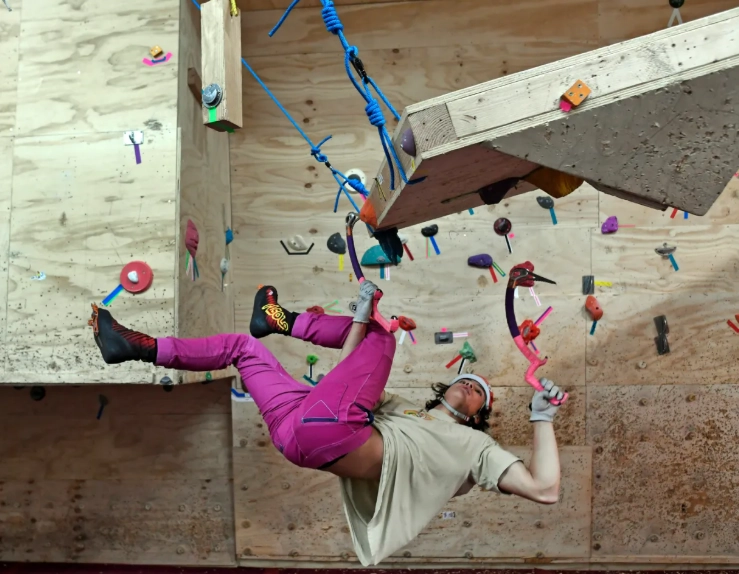
Year-Round Access & Consistency. Outdoor ice is fickle. It needs specific, sustained cold temperatures to form. A warm week can destroy a season's worth of routes. An indoor gym offers the same conditions in July as it does in January. This consistency is gold for skill development. You can work on the same move week after week, something impossible outdoors where the ice changes daily.
The Ultimate Skill Foundation. Climbing ice is about technique, not brute strength. Indoors, you can drill the fundamentals without distraction: footwork (quiet feet, precise kicks), tool placement (efficient swings, hooking), and body positioning. It builds the specific forearm and grip endurance you need. When you finally go outside, you're not learning everything at once; you're just applying known skills to a new environment.
Low Barrier to Entry. You don't need $2,000 worth of gear. You don't need to know how to lead climb or place ice screws. You show up, rent what you need, and get coached. It's the most accessible point of entry into a notoriously gear-intensive and technical sport.
How to Find an Ice Climbing Gym Near You
They're not as common as bouldering gyms, but they're spreading. Here’s your action plan.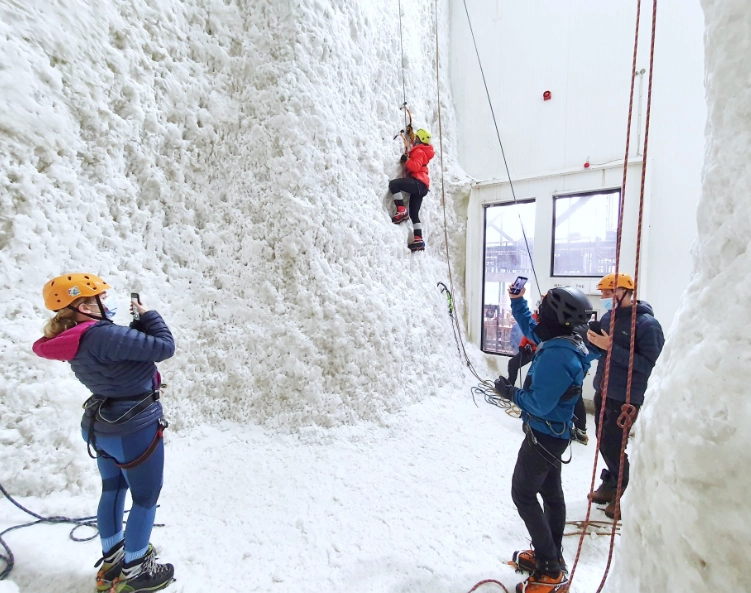
Step 1: The Search. Don't just Google "ice climbing gym." Try these specific searches:
- "indoor ice climbing [Your City/State]"
- "adventure center ice wall"
- "[Name of Large Climbing Gym] ice climbing"
Check the websites of major climbing gym chains in your region. Some, like Momentum in Salt Lake City or Vertical Endeavors in Minnesota, have installed permanent ice walls.
Step 2: Evaluate the Facility. Look for:
- Certified Instructors: Staff should have certifications from bodies like the American Mountain Guides Association (AMGA) or equivalent. This isn't just about liability; it's about quality instruction.
- Lesson Structure: They should offer clear beginner packages. A good intro lesson is 2-3 hours and covers safety, basic movement, and gives you lots of time on the wall.
- Gear Rental: Ensure they rent modern, well-maintained boots, crampons, harnesses, helmets, and tools. Dull crampons or ill-fitting boots will ruin your day.
Step 3: Call or Visit. Ask questions. "What's the instructor-to-student ratio in your beginner class?" "Can I watch a session before booking?" The vibe matters. If the staff seems dismissive of newcomers, go elsewhere.
What to Expect at Your First Session: A Minute-by-Minute Guide
Let's walk through a typical 2.5-hour beginner lesson to kill the anxiety of the unknown.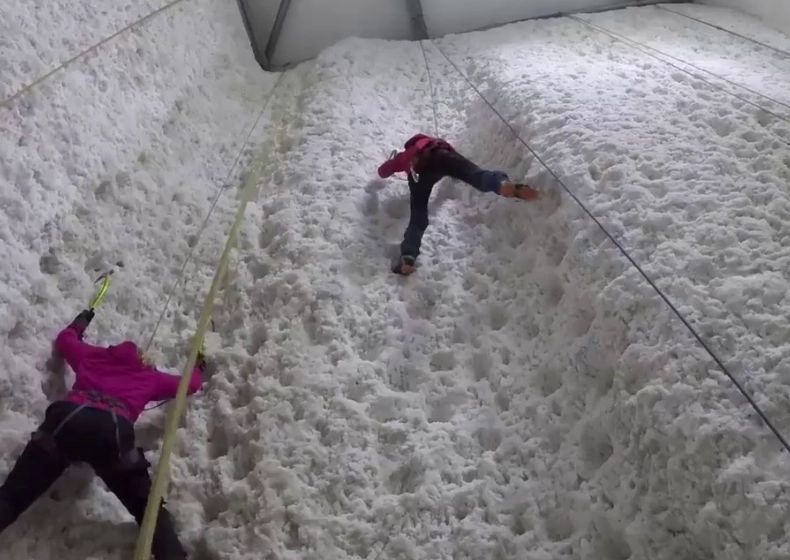
Minutes 0-30: Gear Up & Safety Briefing. You'll get fitted for mountaineering boots (stiff, often a size bigger than your street shoe), strap-on crampons, a harness, and a helmet. The instructor will give a thorough safety talk covering the auto-belay or top-rope system, how to communicate, and the "drop zone" below the wall. Listen. Really listen.
Minutes 30-60: The Ground School. This is where you learn the core techniques on a low section of wall or a practice panel.
- The Stance: Feet shoulder-width apart, heels down, hips close to the wall.
- The Kick: It's a precise ankle flick to set the front points of your crampons, not a wild stomp. You'll practice until it feels controlled.
- The Swing: A relaxed, pendulum-like motion from the elbow and shoulder to plant the ice tool. Gripping the tool like you're trying to choke it will exhaust you in minutes.
Minutes 60-150: Climbing Time. You'll start on an easier, more featured section of the wall. The first few moves feel awkward. Your tools feel heavy. That's normal. The instructor will give you real-time feedback. "Heels down!" "Try hooking that feature with your tool instead of swinging." Your forearms will burn—that's the famous "screaming barfies" sensation (a mix of pump and cold) starting. Embrace it. You'll take breaks, shake out, and get back on. By the end, you'll be surprised at how much more fluid you feel.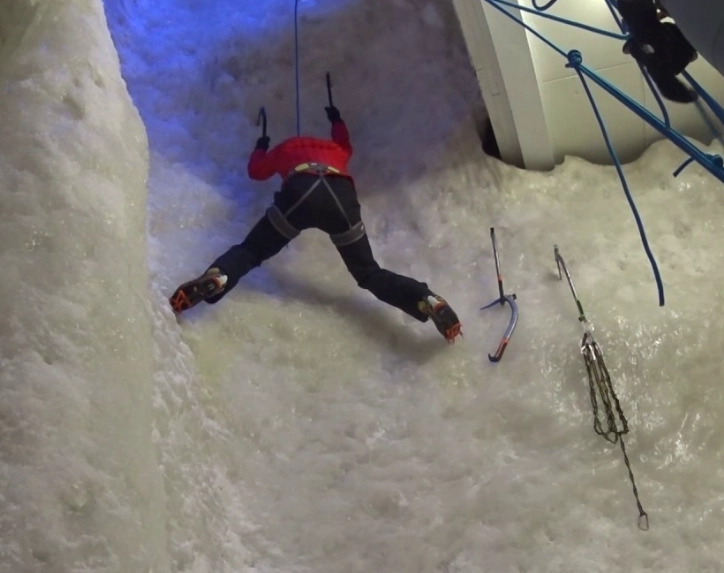
Gear Breakdown: What the Gym Provides vs. What You Might Buy
Here’s a clear table to demystify the equipment. Don't buy anything before your first few sessions.
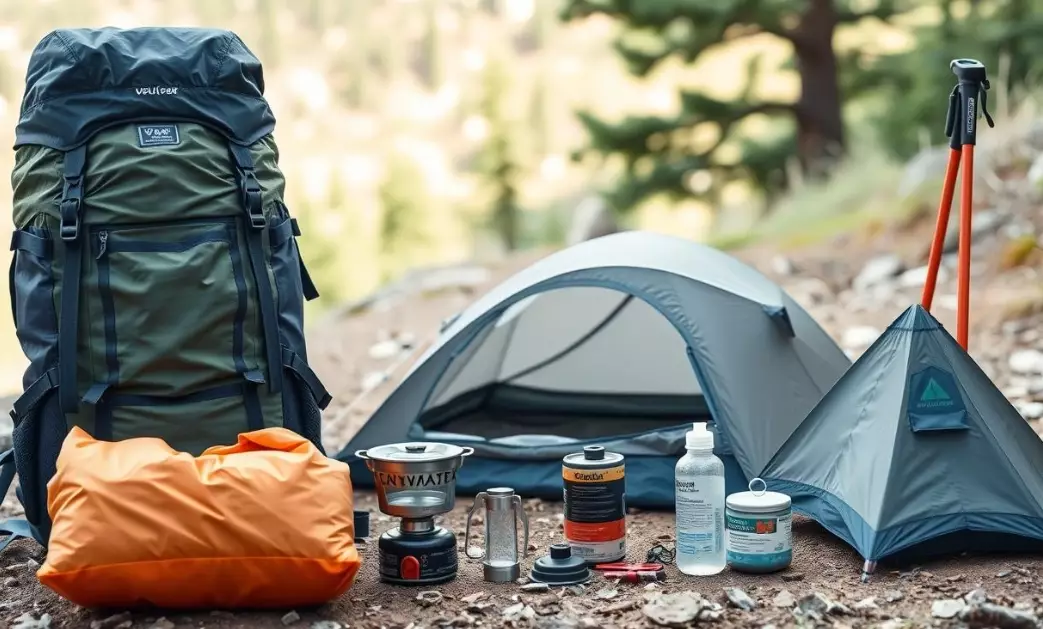
| Gear Item | Typically Provided in Rental | When/Why You Might Buy Your Own |
|---|---|---|
| Ice Tools (Axes) | Yes. Usually basic, straight-shafted tools. | After 5-10 sessions, if you're hooked. Look for ergonomic grips and a geometry that suits your style (more vertical vs. more overhanging ice). |
| Harness | Yes. A standard climbing harness. | Once you're going regularly. A personal harness always fits better. Ensure it has gear loops for outdoor use later. |
| Helmet | Yes. | For hygiene and consistent fit. Any UIAA-certified climbing helmet works. |
| Mountaineering Boots | Yes. Often plastic shell boots (like Scarpa Invernos) or stiff synthetic boots. | A major purchase. Needed only for serious outdoor pursuits. For indoor training, rental is fine for a long time. |
| Crampons | Yes. Usually strap-on vertical front point models. | When you buy your own boots. Crampons must be matched to boot sole stiffness (B-rated vs. C-rated). |
| Clothing | No. | Immediately. Get a moisture-wicking base layer, insulating mid-layer, and a water-resistant shell. Durable, stretchy pants are key. |
| Gloves | Sometimes, but often poor quality. | Immediately. Buy your own thin, synthetic insulated climbing gloves (like from Arc'teryx or Black Diamond). They make a world of difference. |
The biggest clothing mistake? Wearing bulky ski gloves. You need dexterity to handle carabiners and tools. Thin, warm, and water-resistant is the mantra.
How to Actually Get Better: Moving Beyond the Basics
So you've taken a lesson and caught the bug. How do you progress from stumbling up the wall to climbing with something resembling flow?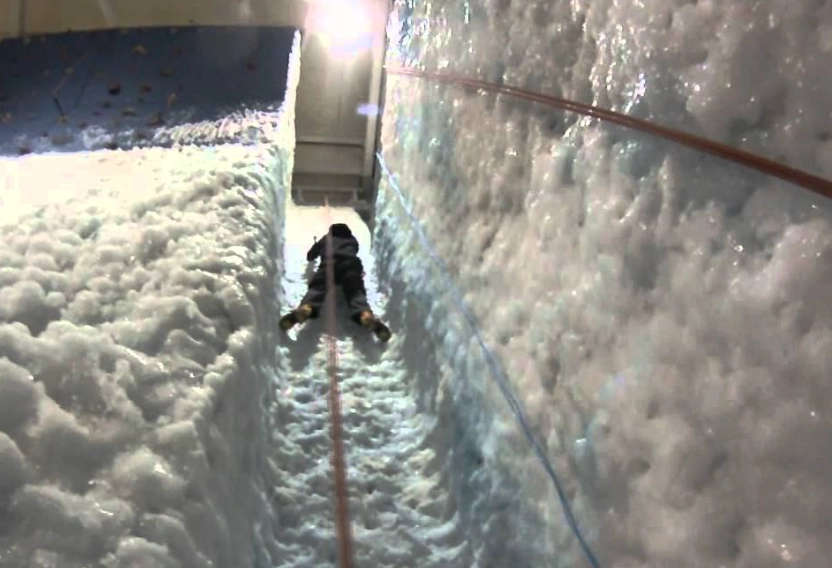
1. Obsess Over Your Feet. Good ice climbing is 70% feet, 30% tools. New climbers death-grip their tools and haul themselves up. Experts stand up on their feet. Practice climbing a few moves using only your tools for balance, not pull. Make each foot placement silent and precise before moving up.
2. Practice the "Rest Position." Find a spot on the wall where you can stand comfortably on your feet, arms straight, tools gently placed. Hang there. Breathe. Shake out one arm, then the other. This is how you recover on a long pitch outdoors. Most indoor climbers never practice this, but it's a game-changer.
3. Climb With Intent, Not Just to Top Out. Set specific goals for each session. "Today, I'll focus on keeping my heels lower than my toes on every kick." "This climb, I'll try to use more hooking moves with my tools." Mindless climbing leads to slow progress.
4. Cross-Train Smartly. Indoor ice climbing builds very specific strength. Supplement it with:
- Grip & Forearm Endurance: Dead hangs, farmer's carries, wrist roller exercises.
- Core Stability: Planks, hanging leg raises. Your core connects your foot pressure to your tool placement.
- Cardio: You'd be surprised how pumped you get. Steady-state cardio helps with recovery between moves.
The plateau hits everyone. Mine was when I could top the wall but felt like a frantic mess doing it. A coach pointed out my hips were a foot away from the wall the entire time. One cue—"press your belly button to the ice"—cut my effort in half.
Your Burning Questions Answered
The path from curious beginner to competent ice climber no longer requires a pilgrimage to the frozen north. It starts at a local gym. You'll learn the moves, build the strength, and most importantly, discover if you love the unique puzzle of moving up a vertical ice surface. The community is small but welcoming. The learning curve is steep but incredibly rewarding.
Find a gym. Book a lesson. Take that first swing. The mountain can wait.