Quick Guide to Fall Foliage
Let's be honest. You've seen the pictures. Those insane explosions of red, orange, and gold draped over mountains, reflected in pristine lakes, and lining winding park roads. And you've thought, "I need to see that for myself." But then the questions hit. Which park is actually the best for fall colors? When exactly do I need to go to catch the peak? And how do I avoid showing up to a parking lot masquerading as a wilderness experience?
I've been there. I've timed trips perfectly and been blown away, and I've also miscalculated and seen more brown than burgundy. Planning a trip to see fall foliage in national parks isn't just about picking a place on the map. It's a delicate dance with weather, latitude, elevation, and, yes, a few million other leaf-peepers with the same idea.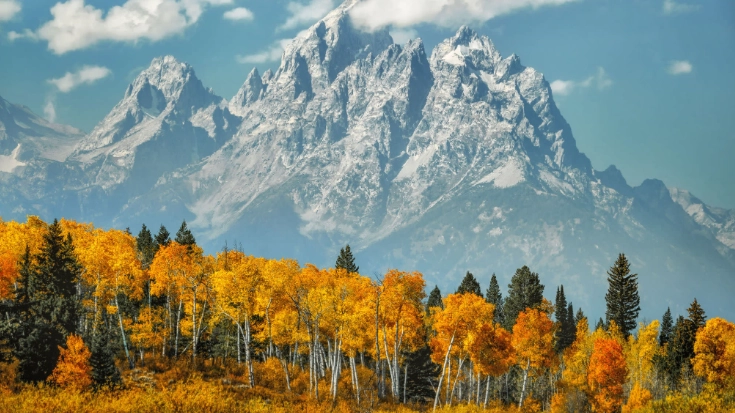
This guide is here to cut through the noise. We're going to talk about the top fall foliage national parks, but we're also going to get into the nitty-gritty that other guides gloss over. Like why some years the colors pop and others they fizzle. How to find solitude even in the most popular spots. And what you really need to pack beyond a camera.
Why National Parks Are Fall Foliage Powerhouses
You can see pretty leaves anywhere there's a deciduous tree. So what's the big deal about seeing them in a national park? It's the scale and the setting. It's one thing to have a nice maple in your yard turn red. It's a completely different thing to stand on the edge of the Great Smoky Mountains and see a seemingly endless, rolling sea of color stretching to the horizon.
National parks protect vast, intact ecosystems. That means you get uninterrupted vistas of forest, not patches broken up by development. The diversity of tree species is often higher, leading to more complex tapestries of color—ash trees adding purple, poplars flashing bright yellow, and the iconic sugar maples burning crimson. Plus, you get those iconic park landscapes as a backdrop: jagged peaks, deep canyons, powerful waterfalls. It's nature's greatest show, on nature's grandest stage.
The combo is unbeatable.
There's also a practical side. The National Park Service (NPS) provides incredible resources—road condition updates, webcams, and ranger-led fall color walks. You're not completely on your own trying to figure it out.
Top Fall Foliage National Parks: A Detailed Breakdown
Okay, let's get to the good stuff. Not all parks are created equal for autumn. Some are good, some are great, and a few are absolutely mind-blowing. Here’s my take on the heavy hitters, based on color intensity, scenery, and the overall experience. I'm including the tricky part: timing.
Remember, these peak times are estimates. A warm September can delay things, an early frost can speed them up. Always, always check the specific park's website for current conditions before you finalize plans. The NPS pages are gold for this.
| Park & Location | Prime Fall Foliage Window | What Makes It Special | Real Talk on Crowds |
|---|---|---|---|
| Great Smoky Mountains (TN/NC) | Mid-October through early November. Color moves from high to low elevation. | Incredible diversity (100+ native tree species). Long season due to elevation changes. Classic smoky, hazy vistas mixed with color. | Very High October weekends are bonkers. Seriously. Go mid-week if humanly possible. |
| Acadia (Maine) | Typically early to mid-October. Coastal climate makes timing precise. | Stunning contrast of fiery maples against rugged Atlantic coastline & granite peaks. Fantastic for fall coastal hiking. | High Peak leaf season coincides with peak tourism. Park Loop Road can be a slow parade. |
| Rocky Mountain (Colorado) | Mid-to-late September. It's early! The star is the golden Aspen. | Vast stands of quaking aspen turning entire mountainsides a shimmering, uniform gold. Breathtaking against evergreen pines and blue sky. | Moderate to High Aspen viewing is a major draw, but the park is big enough to absorb people. |
| Shenandoah (Virginia) | October, peaking mid-month. Skyline Drive is a 105-mile-long leaf-peeping platform. | The iconic Blue Ridge Mountains awash in color. Dozens of overlooks and waterfalls accessible right off the main ridge road. | High Skyline Drive on a weekend in October? Expect a scenic crawl. Go at sunrise. |
| Yellowstone & Grand Teton (Wyoming) | September. Tetons peak earlier (Sept), Yellowstone later (late Sept). | Golden aspens with geyser steam, elk bugling in meadows, and the mighty Teton Range as a backdrop. A wildlife spectacle plus foliage. | Low to Moderate After Labor Day, crowds plummet. One of the best times for solitude and wildlife. |
| Blue Ridge Parkway (NC/VA) (Not a single park, but a NPS unit) | October, moving south as the month progresses. | The ultimate scenic drive for fall. Connects Shenandoah to Great Smoky Mountains, with endless pull-offs, hikes, and small towns. | High It's famously busy, but its length means you can find quieter stretches. |
A Personal Miss: One year, I targeted Acadia for the second week of October, based on "typical" timing. A weirdly warm fall pushed the peak back a full week. I saw mostly green with hints of yellow. It was still beautiful, but it wasn't the fiery postcard I'd dreamed of. The lesson? Be flexible and check those webcams!
What about other parks? Sure, places like Zion have cottonwoods that turn a brilliant yellow along the riverbanks in late October/November, and the New England region is dotted with fantastic NPS sites like the Saint-Gaudens National Historical Park. But the parks above are the consistent, high-impact champions for a dedicated fall foliage national parks trip.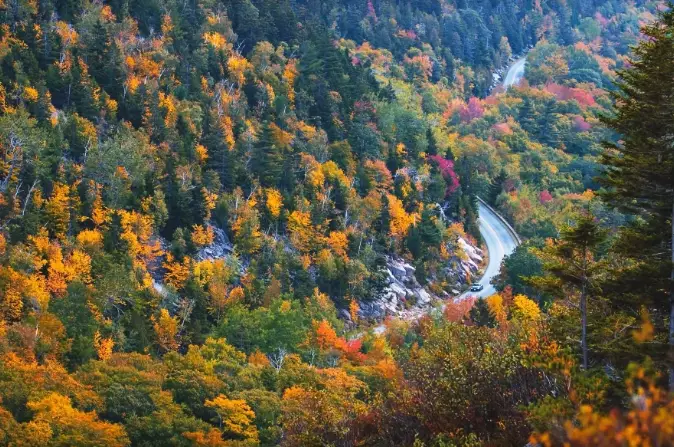
Planning Your Trip: More Than Just Picking a Date
So you've chosen your park. Now what? This is where the real planning begins. A successful fall colors trip is 30% destination and 70% logistics.
Nailing the Timing: It's a Moving Target
"Peak" doesn't mean one day. It's a window, usually about a week long, when most trees are showing great color before they start to drop. Your best tool? The park's official website. Many, like the Great Smoky Mountains National Park fall color page, have dedicated foliage trackers or frequent updates.
Also, think in 3D: Elevation is everything. In mountainous parks, color starts at the highest elevations and "rolls down" the mountainsides over 2-3 weeks. If you miss the peak at the top, you might hit it perfectly in the valleys a week later.
The Crowd Factor: Strategies for Sanity
I won't sugarcoat it. The most popular fall foliage national parks are crowded in October. But you can work around it.
- Mid-Week is King: A Tuesday visit versus a Saturday can feel like you're in a different park entirely. If you can only go on a weekend, be on the most popular road or trail at sunrise. You'll get the best light and an hour or two of peace.
- Go Deep: Everyone stops at the first few overlooks. Drive further in, or better yet, hike even a mile or two on a trail. The crowd dissipates exponentially with every step away from the parking lot.
- Embrace the Shoulder: Late September in the Smokies or early November in Acadia might mean past-peak or just-after-peak colors, but you'll trade some intensity for immense tranquility. Sometimes it's worth it.
What to Pack (The Non-Obvious Stuff)
You know about the camera and the hiking boots. Here's what else you need:
- Layers, Layers, Layers: Fall weather is schizophrenic. Mornings can be freezing, afternoons can be T-shirt warm. A good base layer, fleece, puffer, and a waterproof shell will cover all bases.
- A Quality Paper Map: Cell service is notoriously spotty in mountain parks. A National Park Service map won't fail you when you're trying to find that alternate route out of a crowded overlook.
- Patience and a Zen Attitude: Traffic will be slow. Restaurants will be full. It's part of the deal. Building in extra time for everything reduces stress immensely.
Capturing the Colors: Photography Tips That Actually Help
You want photos that do the scene justice, not just snapshots. A few simple techniques make a world of difference.
Light is Everything: The harsh midday sun creates contrasty, flat photos. The golden hours—just after sunrise and just before sunset—make the colors glow with a warm, soft light. Overcast days are actually fantastic for foliage; they act like a giant softbox, eliminating harsh shadows and making colors look saturated and even.
Look for Details: Sure, get the wide vista. But also get down low. Photograph a single, perfect red leaf on a bed of moss. Find a reflection in a still pond. Look for patterns of light and shadow on a hillside. These detail shots often tell a more powerful story.
My favorite trick? Use a polarizing filter.
It cuts glare off wet leaves and water, boosting color saturation and contrast dramatically. It's the single most useful filter for fall photography. Also, don't be afraid to dial down the exposure compensation on your camera or phone by a third or two-thirds of a stop (-0.3 to -0.7). This prevents the bright leaves from getting "blown out" and losing detail.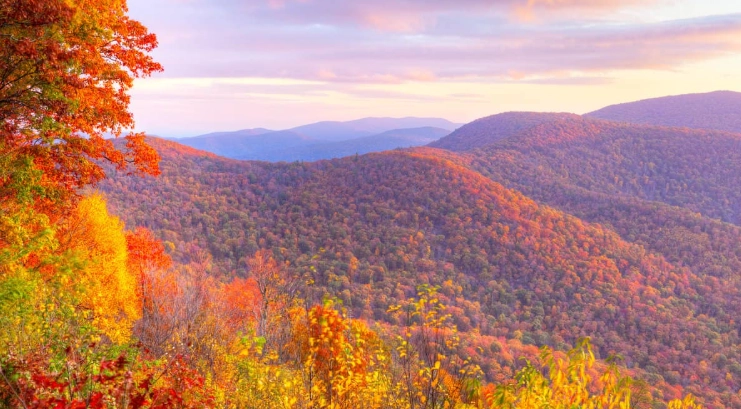
Your Fall Foliage National Parks Questions, Answered
What causes a "good" vs. a "bad" leaf year?
It's all about weather. The best color comes from a warm, sunny fall with cool (but not freezing) nights. Drought can cause leaves to brown and drop early. A severe early freeze can kill leaves before they turn. A wet, cloudy fall leads to duller colors. It's a crapshoot, which is why checking current reports is crucial.
Are there any fall foliage national parks that aren't insanely crowded?
Yes! Look west and go earlier. Yellowstone and Grand Teton in September are fantastic. Also consider North Cascades in Washington (late Sept/early Oct) or Mount Rainier. The crowds are lighter, the aspens and larches are glorious, and you get alpine scenery to boot.
I only have a weekend. Is it worth it?
It can be, but you have to be strategic. Pick a park within a 4-5 hour drive. Go mid-week if the weekend is your only option, arrive at the crack of dawn, and focus on one or two areas of the park rather than trying to see everything. A concentrated, well-planned weekend is better than a rushed, frustrating one.
Can I bring my dog to see the fall colors?
This is a major limitation many don't consider. Most national parks have very strict pet policies, restricting them to paved areas, campgrounds, and sometimes not on most trails. Always check the specific park's pet regulations. For a true hiking-in-the-woods foliage experience, you may need to board your pup or consider pet-friendly state parks or national forests nearby.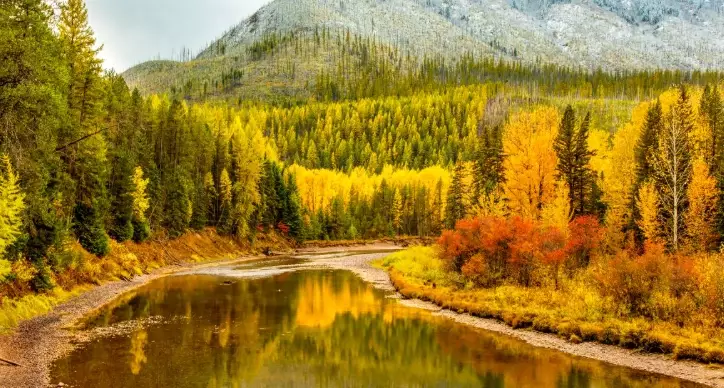
Final Thoughts Before You Go
Chasing fall colors in America's national parks is one of the most rewarding travel experiences out there. It connects you to a powerful, fleeting seasonal change in some of the most beautiful places on the continent.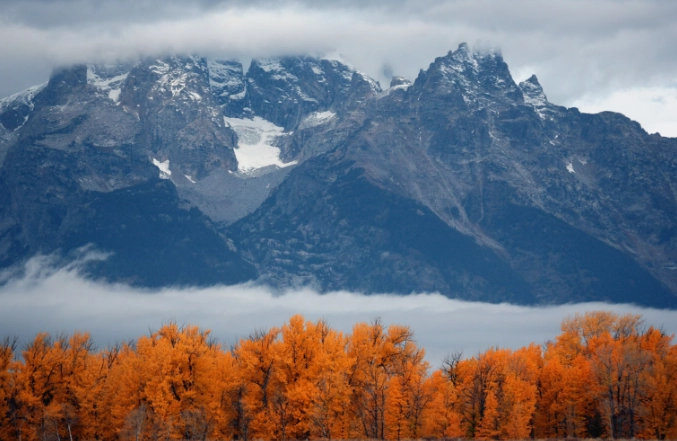
The key is to be a planner, not just a dreamer. Do your homework on timing. Book early. Plan for crowds and then plan how to avoid them. Pack for all weather. And once you're there, put the camera down sometimes. Just sit on a rock, listen to the leaves rustle, and take it in.
That feeling—the crisp air, the incredible colors, the sense of being in a grand, ancient landscape—that's what you're really going for. The photo is just the souvenir.
Start your research on the National Park Service's Find a Park page, zero in on your target, and dig into their specific alerts and conditions. The parks are waiting. The leaves are getting ready. Now it's your move.