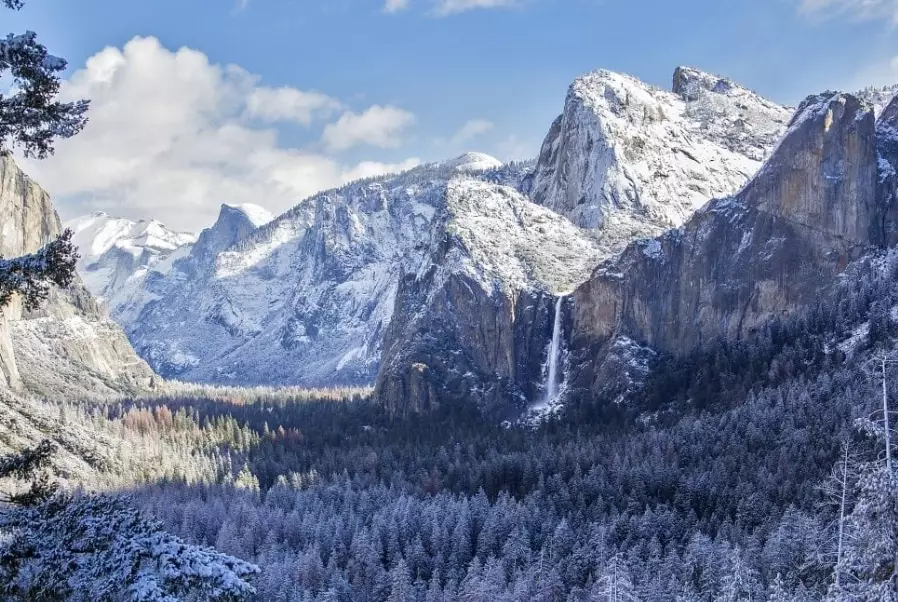
Let's be honest. When you think of a national park, you probably picture sweeping mountain vistas, giant trees, or roaring waterfalls. Right? That's what I used to think too. But there's a whole other world beneath your feet in many of these parks—a world of absolute darkness, delicate formations, and eerie silence. We're talking about national parks caves. And they're nothing short of magical.
I remember my first time walking into Carlsbad Caverns. The scale of it just... it doesn't compute at first. Your brain can't process the size. It's like walking into a cathedral built by nature, over millions of years, one drop of water at a time. That experience hooked me. Since then, I've made it a point to seek out these underground wonders whenever I visit a park that has them.
But here's the thing. Planning a trip to explore caves in national parks isn't quite the same as planning a hike. You can't just show up. There are tours to book, physical limits to consider, and a whole different set of rules to follow to protect these fragile environments. It can feel a bit overwhelming.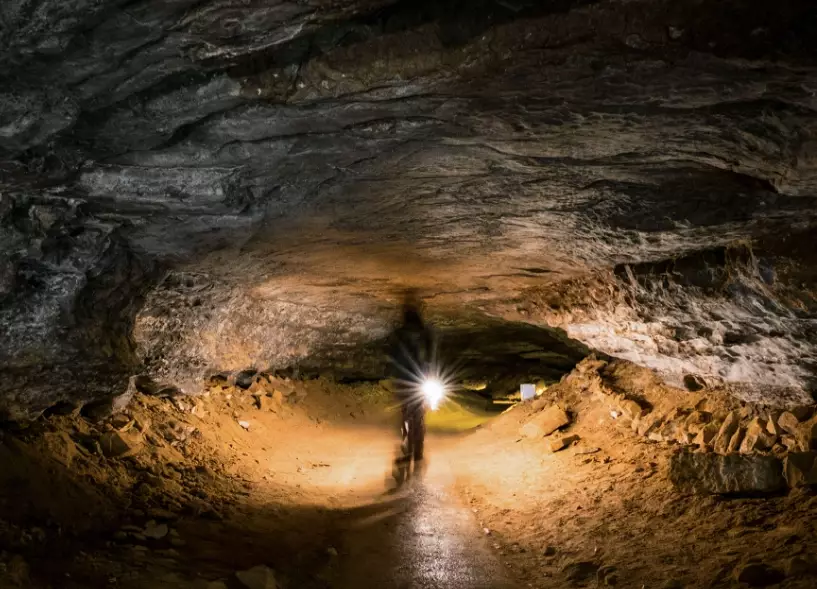
That's why I put this guide together. Consider it your one-stop resource for everything you need to know about exploring America's incredible national park cave systems. We'll cover the absolute must-see spots, the nitty-gritty of planning, and answer all those questions you're probably Googling at midnight.
Quick Reality Check: Not all caves are created equal. Some are easy, paved walks suitable for almost anyone. Others are muddy, tight, claustrophobic crawls that will test your nerves. Knowing which is which before you go is 90% of the battle.
The Crown Jewels: America's Top National Park Caves
So, which parks should be on your radar? The National Park Service manages over 4,700 caves, but a handful of parks are truly famous for their subterranean splendor. These are the heavy hitters, the places that define what a national park cave experience can be.
The Undisputed King: Mammoth Cave National Park
Let's start with the big one. Literally. Mammoth Cave in Kentucky isn't just the longest cave in the world—it's in a league of its own. We're talking over 426 miles of mapped passageways, and they're still discovering more. The name "Mammoth" fits perfectly.
The sheer scale is what gets you. On the classic "Historic Tour," you'll descend hundreds of steps into massive, broad passageways. You'll see the ruins of old tuberculosis hospitals (yes, really), and learn about the cave's long human history, from prehistoric miners to 19th-century tourists. It's more than geology; it's an archaeological site.
My personal take? The history is fascinating, but some of the bigger chambers can feel a bit... empty compared to caves dripping with formations. Don't get me wrong, it's awe-inspiring because of its size, but if you're dreaming of thousands of stalactites, you might want to temper those expectations. For pure, mind-boggling vastness, nothing beats it.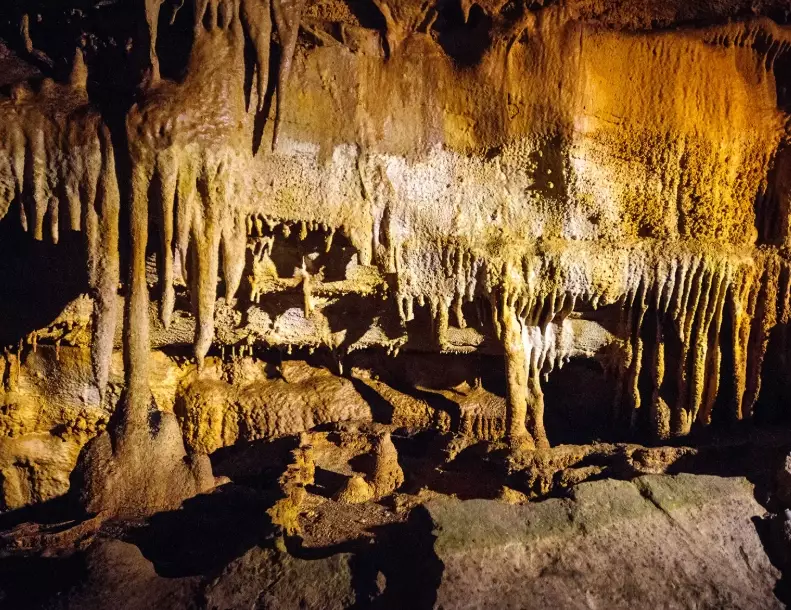
The Decorated Palace: Carlsbad Caverns National Park
If Mammoth is about scale, Carlsbad Caverns in New Mexico is about ornate, breathtaking beauty. Walking into the Big Room is an experience you simply cannot prepare for. It's one of the largest cave chambers in North America, and every square inch seems to be decorated with stalagmites, stalactites, columns, and draperies.
The self-guided walk down the natural entrance is a rite of passage. You switchback down a steep trail into the gaping mouth of the cave, watching the desert world disappear behind you. By the time you reach the bottom, you feel like you've traveled to another planet. And then there's the bat flight. At sunset from spring through fall, hundreds of thousands of Brazilian free-tailed bats spiral out of the cave entrance to hunt. It's a surreal, silent spectacle.
A tip from my last visit: If you do the natural entrance walk down, take the elevator back up. Your knees will thank you. And give yourself way more time than you think in the Big Room. I rushed my first time and deeply regretted not just sitting on a bench for 20 minutes to take it all in.
The Wild Adventure: Wind Cave and Jewel Cave
Out in South Dakota's Black Hills, you have two incredible and very different cave systems practically neighbors.
Wind Cave National Park is famous for its unique "boxwork" formation—a honeycomb-like pattern of calcite that looks like fossilized coral. You won't see this anywhere else in the world in such abundance. The cave "breathes" due to atmospheric pressure changes, which is how it got its name. The tours here feel a bit more rugged and exploratory.
Just down the road, Jewel Cave National Monument (managed by the Park Service) is the exact opposite in appearance. As the name suggests, it's adorned with calcite crystals that sparkle under the lights. It's the third-longest cave in the world. The scenic tour is great, but if you're up for a real challenge, their historic lantern tour or wild caving tours are unforgettable (and physically demanding).
Here’s a quick comparison to help you choose, because trying to do full tours of both in one day is a recipe for exhaustion.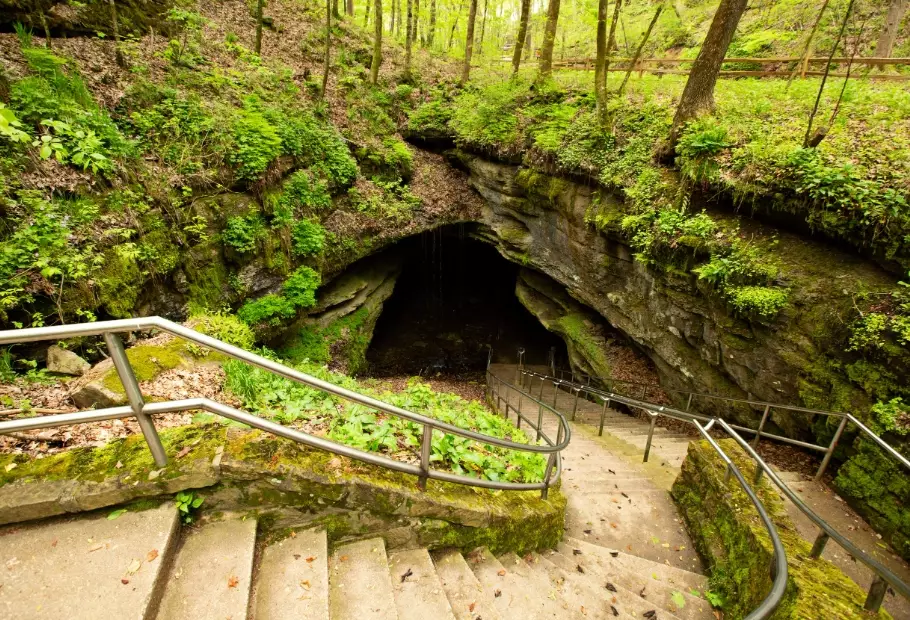
| Feature | Wind Cave | Jewel Cave |
|---|---|---|
| Signature Formation | Boxwork (rare, honeycomb-like) | Calcite Crystals (sparkling "jewels") |
| Tour Vibe | More geological focus, feels "ancient" | More decorative focus, feels "sparkly" |
| Best For | Those interested in unique geology & park wildlife above ground | Those who love delicate formations and have more time for longer tours |
| Reservation Need | Highly recommended in summer | Essential for all tours |
Beyond the Big Names: Other Incredible National Parks Caves
Focusing only on the most famous national parks caves means missing out on some incredible hidden gems (pun intended). The park system is full of them.
For example, Great Basin National Park in Nevada has the stunning Lehman Caves. It's a relatively small cave but is packed with incredibly dense and varied formations—helictites, shields, popcorn—it's like a geology textbook come to life. Because it's a less-visited park, tours can feel more intimate.
Over at Oregon Caves National Monument & Preserve, you get a marble cave. Yes, marble! Most caves are in limestone, but the acidic water here dissolved marble, creating flowing, smooth-looking passages. The setting in the Siskiyou Mountains is gorgeous, and the classic tour is a fun, moderately challenging route.
And let's not forget lava tubes! Caves aren't always formed by water. At places like Lava Beds National Monument in California or Crater Lake National Park (on Wizard Island), you can explore tunnels left behind by flowing lava. These are raw, rough, and totally different. You're basically walking inside a geological event.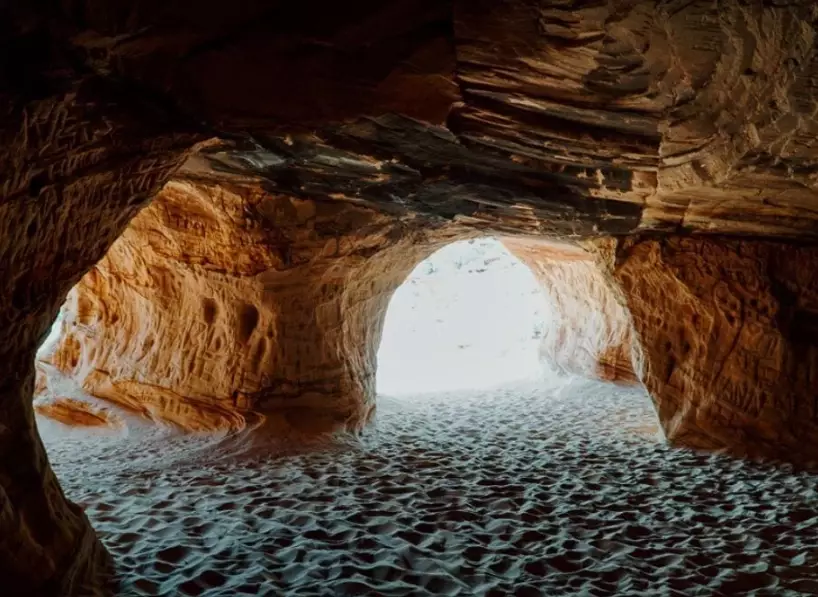
Heads up about lava tubes: They are DARK. And I mean pitch-black, can't-see-your-hand dark. A good headlamp (not just a phone light) is non-negotiable. The floors are also uneven and rocky. Sturdy shoes are a must.
How to Actually Plan Your Cave Trip (The Nitty-Gritty)
Okay, so you're excited about visiting some caves in national parks. Now what? Here's the practical, step-by-step stuff nobody really talks about but everyone needs to know.
Step 1: Booking Tours - This Isn't Optional
Almost every single developed cave in the national park system requires a guided tour for access to the interesting parts. You can't just wander in. This is for your safety and, more importantly, for the protection of the cave.
Tour reservations open at different times. For popular parks like Mammoth and Carlsbad, they can sell out months in advance for peak summer dates and holiday weekends. I'm not kidding. I once tried to book a Carlsbad tour two weeks out in June and everything was gone. Your first planning step should always be to go directly to the park's official Recreation.gov page and check availability.
Set a calendar reminder for when reservations open. It's that serious.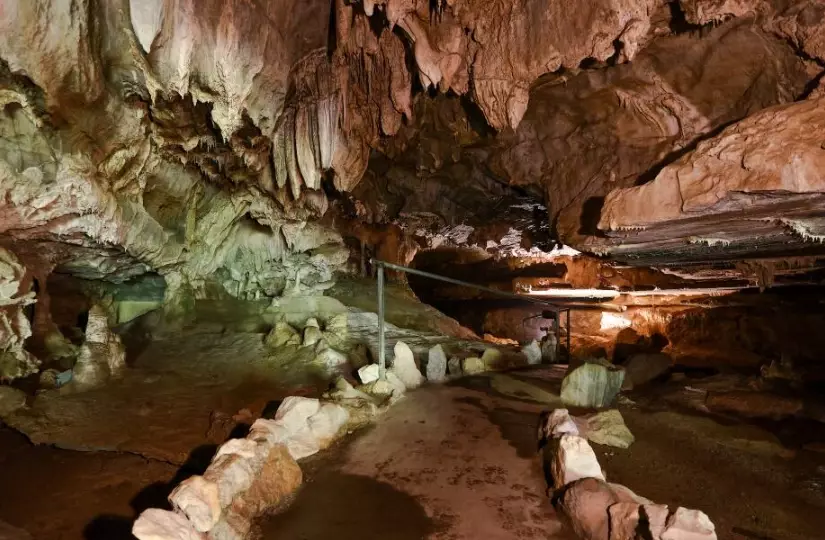
Step 2: Picking the Right Tour For YOU
This is crucial. Parks usually offer a range of tours. Read the descriptions carefully—they mean what they say.
- Scenic/Historic Tours: These are the standard, paved, well-lit walks. Great for first-timers, families with kids, or anyone with mobility concerns. They cover the highlights.
- Adventure/Lantern/"Wild" Tours: These are for the more adventurous. You might be crawling, climbing ladders, squeezing through tight spots (they'll give you dimensions!), and getting dirty. They often use only lantern light. They're incredible, but be brutally honest about your fitness and comfort with enclosed spaces.
- Specialty Tours: Some parks offer photography tours (tripods allowed!), geology-focused tours, or longer explorations.
Ask yourself: How do I feel about ladders? About crawling? About total darkness? If the answer is "not good," stick with the scenic tour. There's no shame in it. The scenic tour at Carlsbad is still one of the best things I've ever seen.
Step 3: What to Wear and Bring (The Packing List)
You'll see all sorts of advice online. From my experience, here's the real list:
- A Light Jacket or Fleece: This is the one thing everyone gets right. Cave temperatures are constant, usually in the 50s Fahrenheit (around 10-15°C). That feels chilly when you're walking slowly for 1-2 hours.
- Sturdy, Closed-Toe Shoes with Good Grip: No sandals. No flip-flops. The paths can be wet, slippery, and uneven. Hiking shoes or solid sneakers are perfect.
- Empty Your Pockets: Seriously. You will be bending, twisting, and squeezing. Anything in your back pocket will be uncomfortable. Anything loose can fall into a deep crack, never to be seen again.
- A Small Backpack or Fanny Pack: For your jacket if you get warm, water, and camera. But keep it small—tight quarters.
- Leave the Selfie Stick: Just don't. They're often prohibited, and they're annoying to everyone around you in a narrow passage.
I learned the "sturdy shoes" lesson the hard way on a wet day at Oregon Caves. My trail runners were fine, but my friend wore worn-out sneakers and spent the whole tour doing a subtle, terrifying slide-step. Not fun.
The Unwritten Rules: Cave Etiquette & Conservation
This is the part that makes visiting national park caves different. These places are phenomenally fragile. A stalactite that took 100,000 years to form can be broken off by one careless bump of a backpack.
The rule is simple: Look with your eyes, not with your hands. Don't touch the formations. The oils from your skin can stop future growth in that spot. Stay on the designated paths. Don't throw coins into pools (it introduces contaminants). And for everyone's enjoyment, keep your voice down. The quiet is part of the magic.
Why so strict? The National Park Service's cave conservation program is fighting constant battles against lint (from our clothes), introduced fungi, and pollution. We are guests in an environment that was perfectly preserved without us for millennia. Our goal should be to leave it that way.
Think of it like a museum where you can walk through the art. You wouldn't touch a Rembrandt.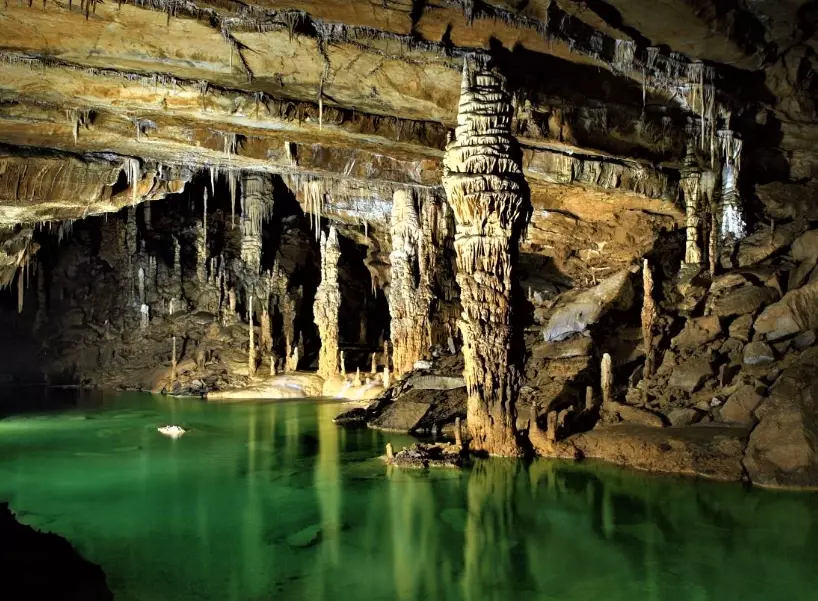
Your National Park Caves Questions, Answered
I've gotten a ton of questions from readers over the years. Here are the most common ones—the things people are genuinely unsure about before they go.
Are national park caves safe for kids?
Generally, yes! The standard scenic tours are designed for general audiences. Parks usually have a minimum age for the more adventurous tours (often 8 or 12). The bigger issue is attention span and fear of the dark. A 90-minute tour can feel like an eternity to a young child. Prep them by watching park videos together. And if your kid is scared of the dark, maybe wait a year or two. For toddlers? I'd skip it. Strollers usually aren't allowed, and carrying a squirmy child on steep, wet paths is stressful for everyone.
I'm claustrophobic. Can I still go?
This is a very personal call. The large, developed caves like Carlsbad's Big Room or Mammoth's big passages are so huge you won't feel enclosed at all. It's like being in a giant underground arena. The problem arises on tours that mention "tight passages" or "crawling." Those tours will explicitly warn you. If you have serious claustrophobia, stick to the scenic tours at the major parks and read the tour descriptions for words like "spacious" and "paved." Avoid the "wild" tours. Always call the park and ask—the rangers give great, honest advice.
What's the difference between a stalactite and a stalagmite?
The classic ranger joke: Stalactites hold tight to the ceiling. Stalagmites might grow up to reach them. (T for top, G for ground). You'll hear this on every tour, I promise.
Can I take pictures?
Almost always, yes! Flash photography is often prohibited because it disturbs other visitors and can be harmful in some sensitive caves. But modern phone cameras and DSLRs do great with available light. Just be mindful. Don't hold up the group trying to get the perfect shot. And never, ever step off the trail for a better angle.
Is there anything alive in there?
More than you'd think! Beyond the famous bats at Carlsbad, caves are ecosystems. You might see cave crickets, unique blind fish in underground rivers, or strange, translucent insects. These creatures are highly specialized and often endangered. This is another huge reason to not touch or disturb anything—you could be wrecking someone's very rare home.
Making It Happen: Final Thoughts
Exploring the caves in our national parks is one of the most unique travel experiences the U.S. has to offer. It flips your perspective. You spend so much time looking up at mountains; here, you get to look down into the Earth's secret rooms.
The key is planning. Respect the reservation system, choose your tour wisely, pack the right gear, and follow the rules. Do that, and you're in for an absolute treat.
Start with one of the big ones—Carlsbad or Mammoth. Get a feel for it. You might just get hooked, like I did. Next thing you know, you'll be planning a trip to South Dakota for Wind Cave, or to Nevada for Lehman Caves, wondering what other underground worlds are waiting.
They're down there. Silent, dark, and spectacular. All you have to do is take the first step inside.