You’re strong. You can do a bunch of pull-ups. But you’re stuck on the same grade, arms pumped, feet skating off holds. Sound familiar? I’ve coached climbers for over a decade, and I can tell you the gap between being strong and being a good boulderer is filled with technique. Not vague ideas, but specific, actionable body mechanics. This guide cuts through the fluff. We’re going beyond "use your legs" and into the how.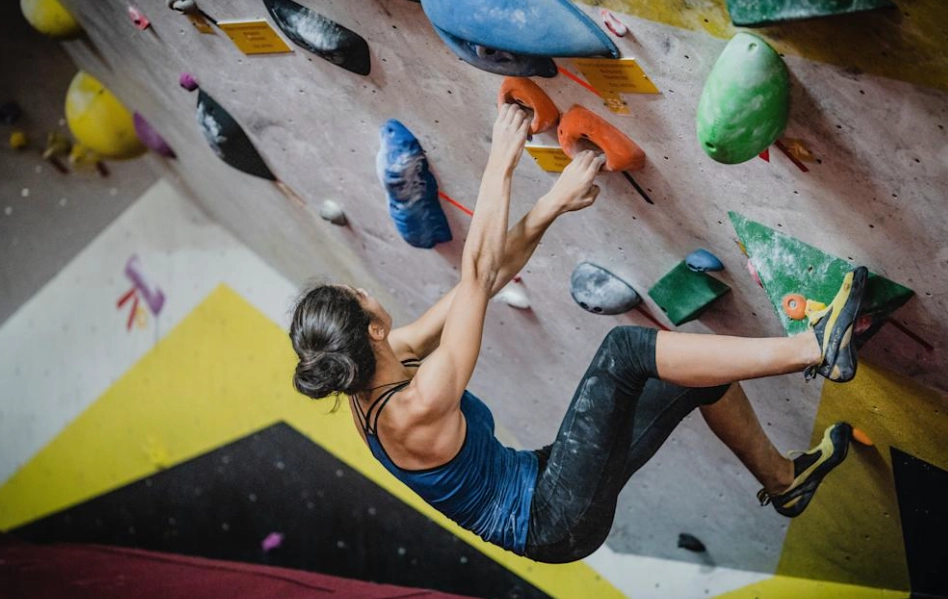
What’s Inside This Guide?
The Non-Negotiable Foundations: Footwork & Body Position
Everyone talks about footwork. Almost everyone does it wrong. The goal isn't just to stand on a hold; it's to direct force through your toe to create stability or generate movement.
Silent Feet Aren't the Goal
That common drill where you try to place your foot silently? It's a start, but it misses the point. I've seen climbers place a foot silently, then immediately adjust it three times. The real skill is precise first-touch placement. Look at the hold, understand its angle, and place the exact part of your shoe (usually the inside edge near the big toe) on the best spot. Once it's on, commit your weight to it. No shuffling.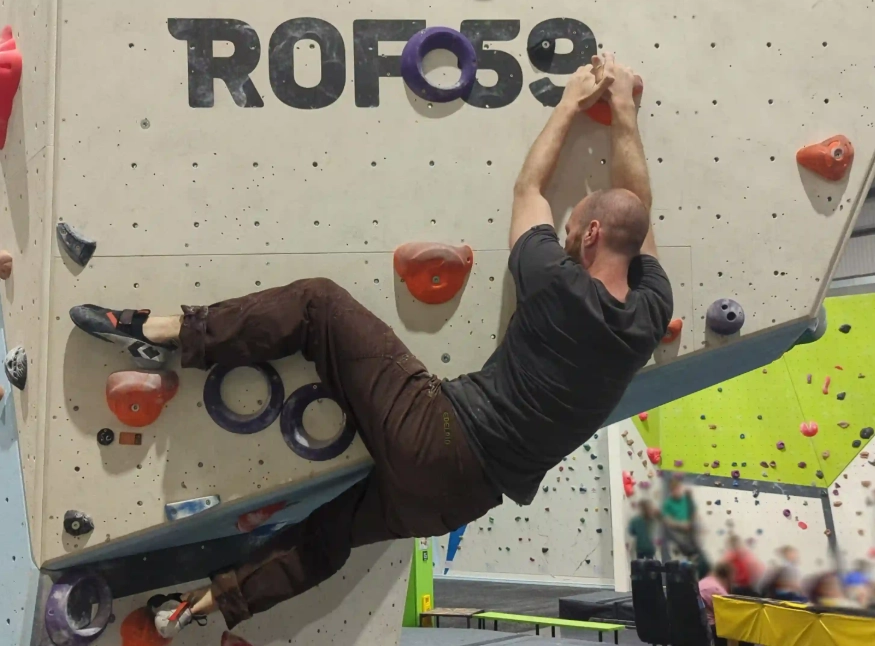
Drill: The One-Touch Rule. Pick an easy problem. Every time you place a foot, you get ONE chance. If it slips or feels wrong, you must climb down and restart. It’s frustrating, but it rewires your brain to look and commit.
Hips Are Your Steering Wheel
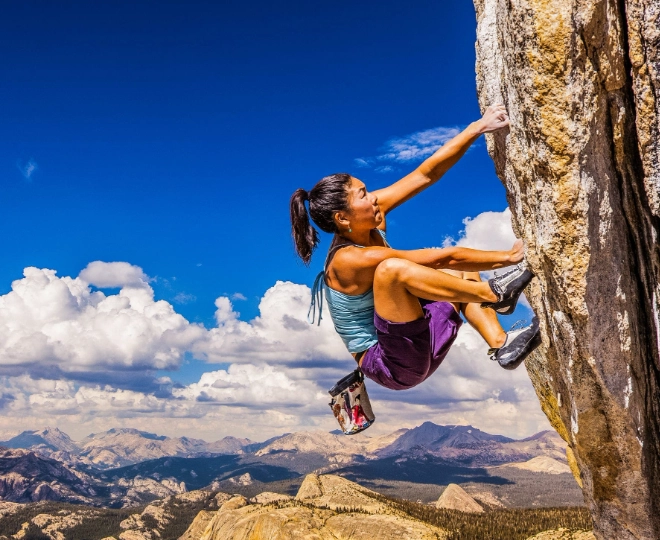
Where your hips go, your center of mass follows. On a vertical wall, keeping your hips close to the wall maximizes weight on your feet. On an overhang, you often need to flag or drop knee to keep from barn-dooring (swinging out).
A drop knee isn't just a fancy pose. It rotates your hip inward, bringing your torso closer to the wall on a side-pull or undercling. It turns a strenuous lock-off into a balanced, restful position. The International Federation of Sport Climbing (IFSC) highlights body tension and hip mobility as critical judging criteria for a reason—it’s the core of efficiency.
Subtle Error: Climbers often keep their flagging leg straight and stiff. A slightly bent, active flagging leg acts like a counterbalance you can micro-adjust. Think of it as a cat's tail for balance.
Intermediate Moves: Using the Wall, Not Just Holds
Good climbers use holds. Great climbers use the wall itself. This is where technique starts to feel like magic.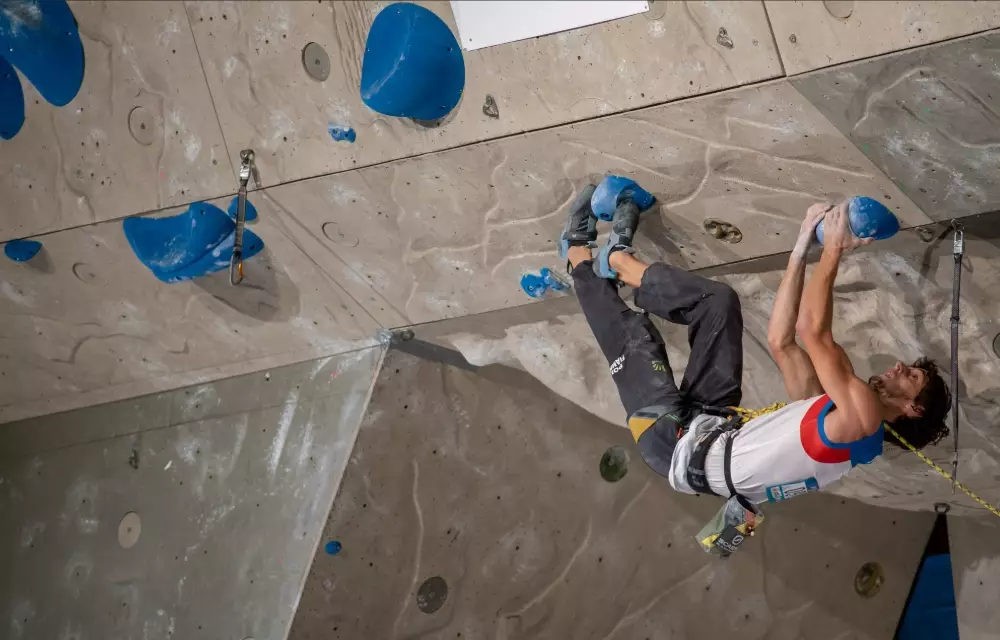
Smearing and Toe Hooks
Smearing is pressing the rubber of your shoe against the flat wall for friction. The key is downward pressure. Don't just touch the wall; drive your heel down to engage the rubber. It’s a trust fall with your shoes.
Toe hooks are for pulling, not resting. Engage your hamstring and core to pull your hip towards the hook. A common fail-point is hooking with the top of the foot. You want the rubber on the side or bottom of your toe to grip.
Body Positioning for Reach
You don't need to be tall. You need to be positioned. For a high right-hand hold, try turning your left hip into the wall. This extends your right shoulder naturally. It's called opposition or three-point suspension—creating stability by pushing and pulling in different directions.
Let's say you're on two good footholds and a left-hand side-pull. To reach a high right-hand hold, you might push off the left foothold while pulling in on the side-pull, flagging your right leg out left to prevent a swing. Your body becomes a tensegrity structure.
Dynamic Movement & Efficiency
Static movement is controlled. Dynamic movement is efficient. Knowing when to use each is a superpower.
A dyno (dynamic move) isn't always a wild jump. It's any move where your body's momentum, not pure strength, carries you to the next hold. A tiny push with your toes to gain an extra inch on a stretchy move is a micro-dyno.
Drill: The 80% Rule. On a problem you can do statically, try doing every move with only 80% of the lock-off strength you think you need. You'll be forced to use momentum from your legs and core to bridge the gap. It feels sketchy but teaches coordination.
The catch is commitment. A half-hearted dynamic move fails. You have to commit to the point of no return. This is where practice on easy problems builds the nerve for harder ones.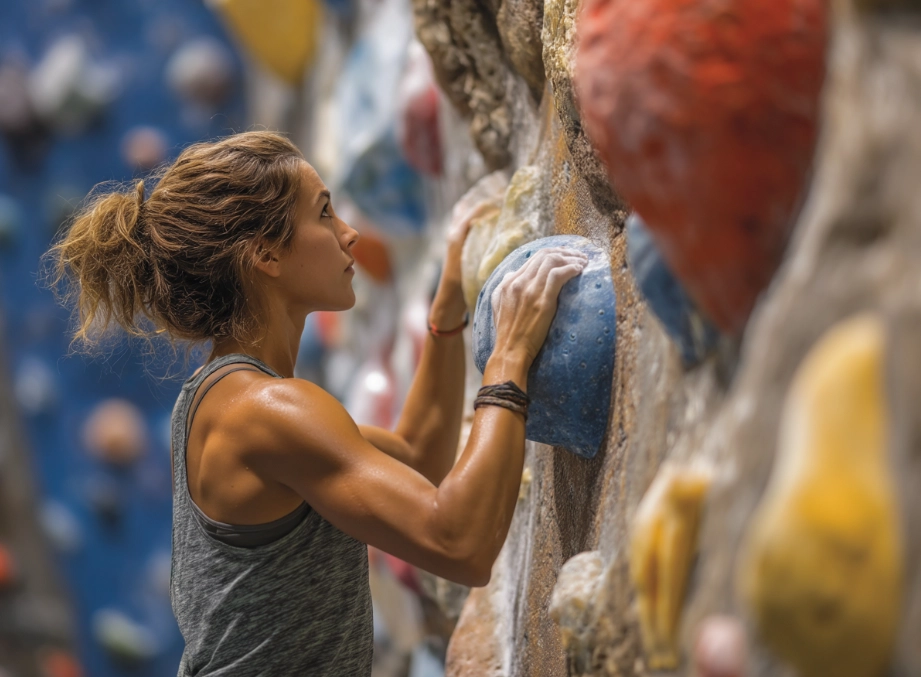
Technique Drills You Can Do Anywhere
You don't need a gym wall every day to improve. Here’s a simple table for a home technique-focused session.
| Focus Area | Drill/Exercise | What It Builds | Duration/Reps |
|---|---|---|---|
| Foot Precision | Big Toe Balance: Stand on a hardcover book edge with just your big toe. | Ankle stability, fine motor control for small footholds. | 30 sec per foot, 3 sets. |
| Core Tension | Arch Hangs: Dead hang from a bar, then engage back/core to lift feet slightly, creating a slight hollow body. | The "glue" that keeps hips to the wall on overhangs. | 10-20 sec holds, 5 reps. |
| Movement Vision | Video Analysis: Watch a bouldering comp replay at 0.5x speed. Pause and predict the next move. | Sequencing skills, reading beta, understanding body mechanics. | 10-15 minutes. |
| Finger Engagement | Open Hand Dead Hangs: Hang from a doorframe or edge using an open-hand grip (no crimping). | Forearm endurance and healthier tendon strain distribution. | 7 sec on, 3 sec off x 6 reps. |
The Overlooked Mental Game
Technique is physical, but applying it is mental. Fear stiffens your movement. Doubt kills commitment.
The biggest mental leak I see? Climbers start moving before they have a complete plan. They get to the crux, freeze, and then thrash. Read the problem from the ground. Visualize each hand and foot move, where your hips will be, where the hard move is. Then, climb with that plan. If it fails, you now have data to adjust the plan, not just random failure.
Falling practice is non-optional. Start your session by jumping off from increasing heights. Learn how to land safely (knees bent, roll onto your back). You're not learning to fall; you're learning that falling is a safe, controlled part of the process. This frees your mind to attempt hard moves.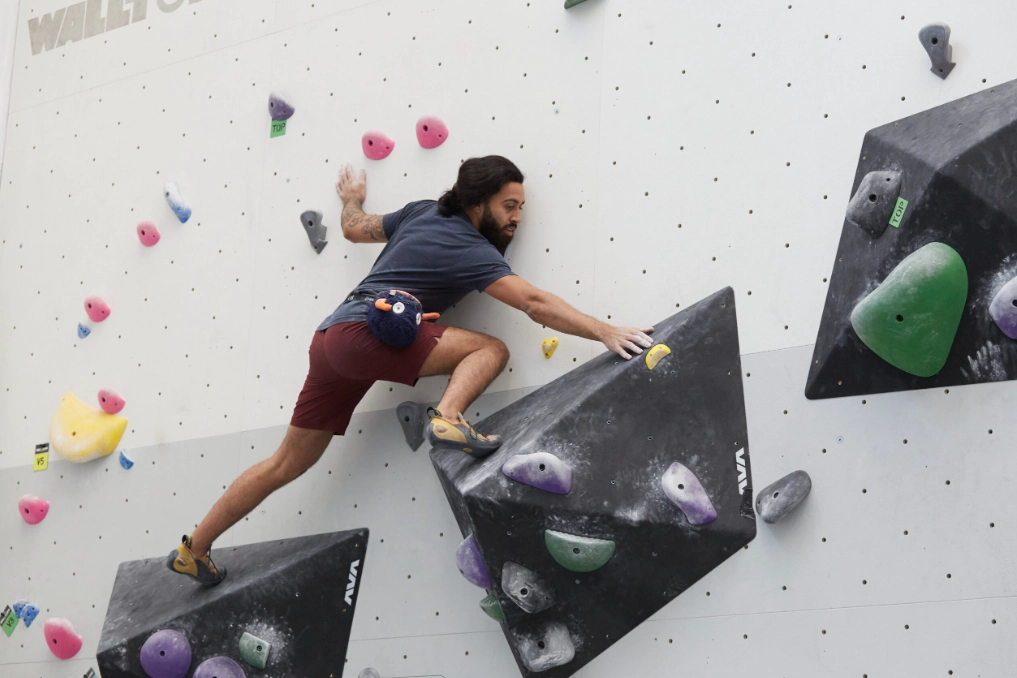
Your Bouldering Technique Questions, Answered
What's the single biggest technical mistake beginners make in bouldering?
How can I practice bouldering techniques without access to a gym?
I'm terrified of falling, even on gym pads. How do I get over this mental block?
Is dynamic movement (dynos) necessary, or can I climb everything statically?
 Technique isn't a list to memorize. It's a language of movement you learn by doing, failing, and paying attention. Stop counting pull-ups. Start noticing how your weight shifts when you drop a knee. That awareness is what unlocks harder climbs, with less effort, and for a lot longer. Now get on the wall and feel it.