Quick Guide to This Article
Let's be honest. Walking into a climbing shop for the first time is overwhelming. Ropes hanging like spaghetti, walls of colorful shoes, metal doodads that look like they belong in a medieval torture chamber. It's enough to make anyone just grab the first thing they see and run. But your climbing equipment isn't just stuff you buy. It's your lifeline. Literally. Choosing the right gear is the difference between a safe, enjoyable day on the rock and... well, a really bad day.
I remember my first harness. I picked it because it was blue and on sale. Big mistake. It rode up so high it was practically a neck brace, and the leg loops were so loose I might as well have been wearing a diaper. Not a great look, and definitely not safe. I learned the hard way that not all climbing gear is created equal.
This guide is here to save you from that fate. We're going to break down every piece of essential climbing equipment, from the shoes on your feet to the rope that catches your fall. We'll talk about what matters, what's just marketing fluff, and how to make smart choices without blowing your entire paycheck. Whether you're a gym newbie eyeing the outdoor crag or a trad dad looking to refresh your rack, there's something here for you.
The Core Four: Non-Negotiable Safety Equipment
Before we get into the fancy stuff, let's nail the basics. These four items form your fundamental safety system. Get these wrong, and nothing else matters.
1. The Climbing Harness: Your Connection Point
Think of your harness as your car's seatbelt. It's the single point that connects you to the safety system. A bad one is uncomfortable and, more importantly, dangerous.
What to look for? Fit is king. You need to try it on, ideally weighted (many shops have suspension points). The waist belt should sit on your iliac crests (those hip bones) and not budge when you hang. The leg loops should be snug but not restrictive. For most recreational climbers, a general-purpose harness with four gear loops is perfect. More loops are great for trad, but for sport climbing or the gym, extra loops just add bulk and cost.
I made the blue harness mistake, but my second harness was a workhorse from Black Diamond. It just felt right. No fancy features, just solid construction and a perfect fit. That's what you want.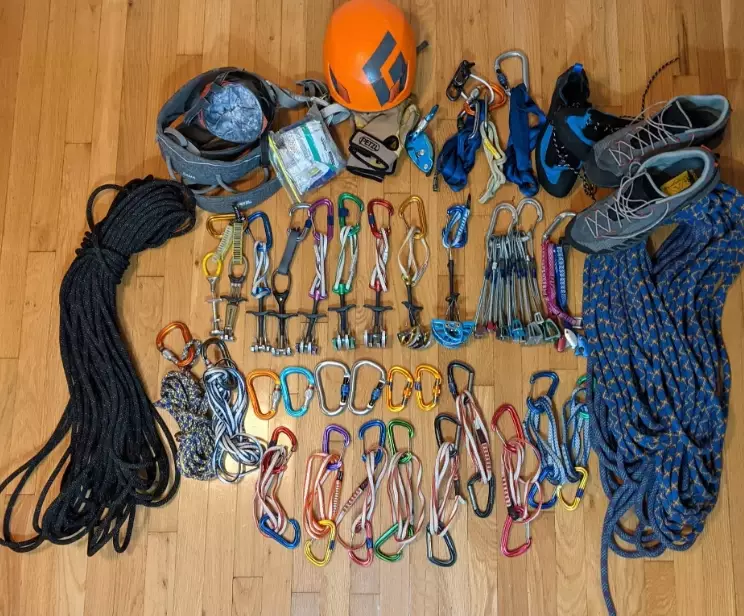
2. The Climbing Rope: Your Dynamic Lifeline
Ropes are where physics gets real. They're not static cords; they're dynamic, meaning they stretch to absorb the energy of a fall. This is a good thing—a static rope would stop you so fast it could cause serious injury.
The main specs are diameter, length, and type. For your first rope, a 9.8mm to 10.2mm dry-treated rope in a 60m or 70m length is the sweet spot. Thinner ropes (below 9.5mm) are lighter and handle better, but they wear out faster and are harder for beginners to belay with. Dry treatment is worth it if you climb outdoors often—it prevents the core from absorbing water, which makes the rope heavier and can freeze in winter.
Single vs. Half/Twin? Stick with a single rope for now. The UIAA (International Climbing and Mountaineering Federation) has rigorous safety standards for all climbing ropes, so any certified rope from a major brand is safe. The differences are in handling and durability.
3. The Climbing Helmet: Protecting Your Most Important Asset
This is the piece of climbing equipment people love to ignore, especially in sunny gyms. Don't be that person. Rockfall happens. So do unexpected swings into the wall. Your brain is irreplaceable.
Modern helmets are light, ventilated, and comfortable. There are two main types: hardshell (tough plastic shell with a suspension inside) and foam (molded EPS foam with a thin polycarbonate shell). Foam helmets are generally lighter and lower profile, while hardshells can take more minor impacts over their lifespan. Try on several. It should sit level on your head and not wobble. The Petzl Boreo or Black Diamond Half Dome are classic, reliable starters.
I took a fist-sized rock to the helmet on a route in Utah. It sounded like a gong. I had a headache, but I walked away. My partner, who wasn't directly below, got peppered with debris. That helmet is retired now—a small price for a fully functional skull.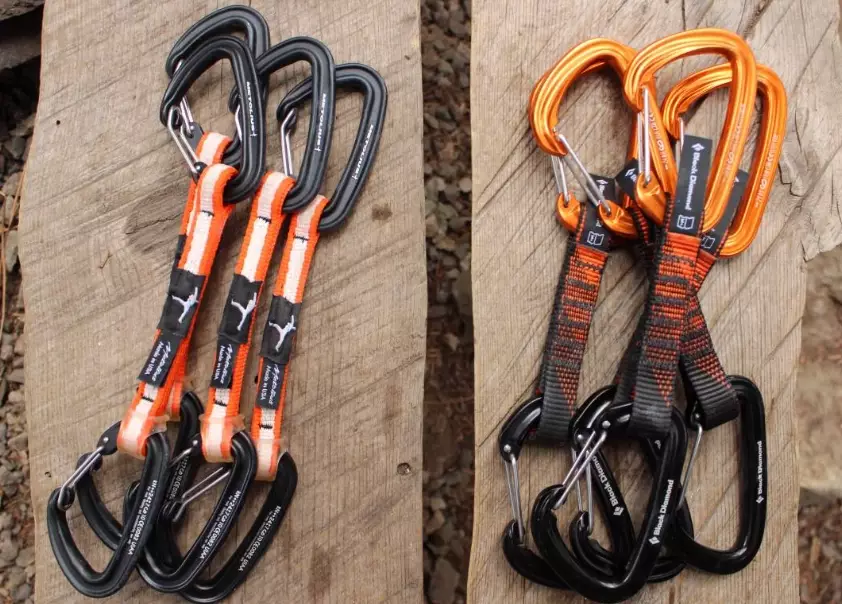
4. The Belay Device: Your Control Center
This little piece of metal creates friction, allowing you to catch a fall and lower your partner. The tubular ATC (Air Traffic Controller) is the universal workhorse. It's simple, cheap, and reliable. For an extra layer of safety, especially for beginners, an assisted-braking device like a Petzl Grigri or Edelrid OHM is a fantastic investment. These devices lock up automatically during a fall, providing a backup to the belayer's grip.
Some purists grumble that they make belayers lazy. I think that's nonsense. A Grigri saved my skin when my climber took an unexpected whipper and my instinctive reaction wasn't perfect. It's a tool, and like any tool, you need to learn to use it properly. The American Alpine Club's education resources stress proper belay technique regardless of device.
Connecting to the Rock: Shoes, Chalk, and Protection
This is where climbing gets personal. Your connection to the rock is intimate, and your gear choices can make or break your performance (and your feet).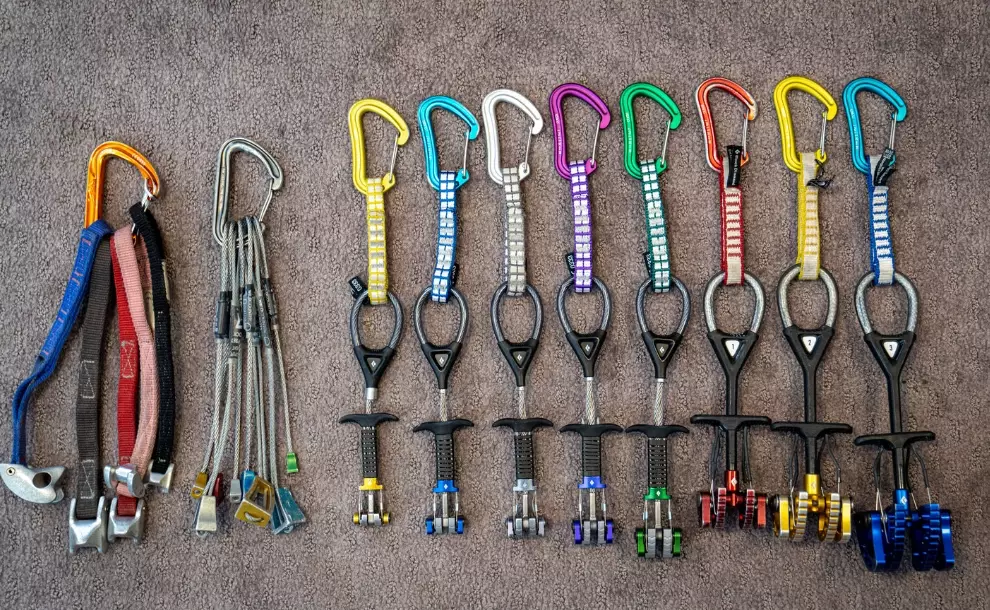
Climbing Shoes: Your Second Skin
Ah, shoes. The most debated piece of climbing equipment. The biggest myth? That they need to be excruciatingly tight. Pain does not equal performance. A shoe that's too small will deaden your foot sensation and make you want to take them off every three minutes.
For beginners, a flat or slightly downturned last with a neutral profile is ideal. Think of them as comfortable, precise sneakers. Brands like La Sportiva (Tarantulace) or Scarpa (Origin) make great entry-level models. As you progress, you might move to a more aggressive, downturned shoe for overhangs or a stiff, supportive shoe for tiny edges on slabs.
Leather vs. Synthetic? Leather stretches—sometimes a full size. Synthetic doesn't. If you buy leather, size them so they're *snug* but not crippling. They'll give. My first synthetic shoes fit the same on day 1 and day 100, which was nice for predictability.
Here’s a quick breakdown of shoe types:
| Type | Best For | Fit Advice | Example Models |
|---|---|---|---|
| Neutral/Flat | Beginners, multi-pitch, all-day comfort | Comfortably snug, like a firm handshake for your foot. | La Sportiva Tarantulace, Scarpa Origin |
| Moderate Downturn | Intermediate climbers, sport routes, versatility | Snug, toes slightly curled but not painfully so. | La Sportiva Finale, Scarpa Veloce |
| Aggressive Downturn | Advanced overhang, bouldering, high performance | Very tight for maximum power on small holds. Not for all-day wear. | Scarpa Instinct VS, La Sportiva Solution |
| Stiff/Edging | Slab climbing, tiny edges, precision | Snug heel and midfoot, toes should not be painfully crunched. | La Sportiva Katana, Five Ten Anasazi |
Chalk and Chalk Bags: Keeping the Grip
Chalk (magnesium carbonate) absorbs sweat. That's it. Don't overthink it. A basic chalk bag with a simple closure is fine. The fancy brush holders and giant buckets are optional. Loose chalk vs. a chalk ball? A chalk ball is less messy, especially in the gym, but some climbers prefer the feel of loose chalk. Try both.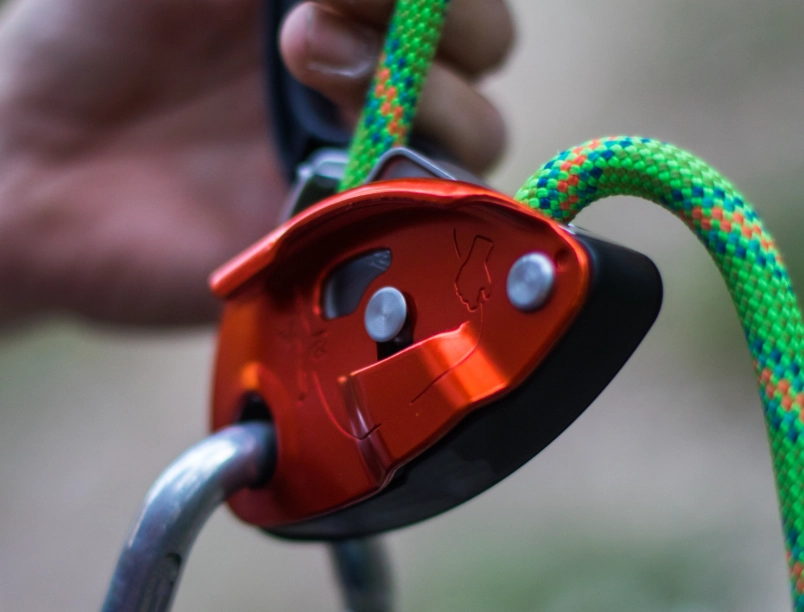
Protection Hardware: The Art of Not Falling
This is a deep, deep rabbit hole. We'll stick to the two main categories:
- Sport Climbing Quickdraws: These are pre-assembled. Two carabiners connected by a sturdy fabric sling. You clip the rope to one end (the rope-end biner) and the other end (the bolt-end biner) to a permanent anchor in the rock. For most sport crags, 10-12 quickdraws will get you up most single-pitch routes. Look for ones with a straight-gate carabiner for the bolt end (easier to clip) and a bent-gate or wire-gate for the rope end (easier for the rope to run through).
- Trad Protection (Nuts, Cams, etc.): This is where you place your own removable gear into cracks. This is a massive investment in both money and knowledge. Do not buy trad gear and go try it alone. This requires formal instruction from a guide or a very experienced mentor. The gear is expensive, and knowing how and where to place it is a craft that takes years to master. Resources like those from REI's Expert Advice library can introduce concepts, but they are no substitute for hands-on mentorship.
Building Your Kit: From Gym Rat to All-Rounder
You don't need everything at once. Your climbing equipment collection should grow with your skills and ambitions. Here’s a sensible progression.
The Gym Starter Pack
If you're just beginning in the gym, you can often rent a harness, shoes, and a belay device. But if you're going more than a few times, buying is more economical and hygienic.
- Shoes: A comfortable, neutral pair.
- Harness: A basic, well-fitting harness.
- Belay Device & Locking Carabiner: An ATC-style device and one pear-shaped or D-shaped locking carabiner.
- Chalk Bag & Chalk: Keep those tips dry.
That's it. The gym provides the ropes and quickdraws. Master this setup.
The Outdoor Sport Climber's Kit
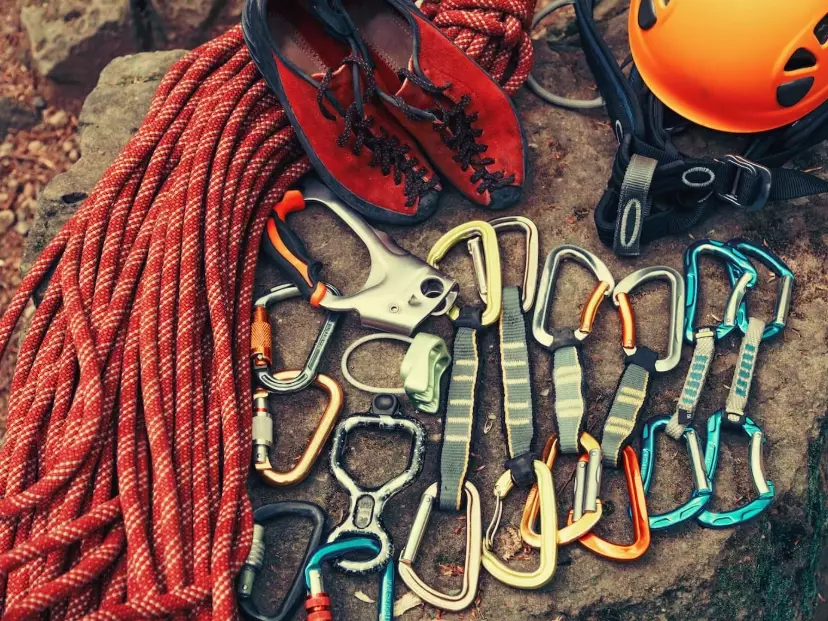
Ready to head outside? Now you're responsible for your own anchors and rope.
- Everything from the Gym Kit.
- Helmet: Non-negotiable.
- Rope: A 60m or 70m dry-treated single rope (9.8-10.2mm).
- Quickdraws: 10-12 draws. A couple with longer slings (60cm) are handy for reducing rope drag.
- Personal Anchor System (PAS) or Sling/Double-Length Runner: For anchoring yourself at the top of a route or at belay stations.
- Four additional locking carabiners: For anchoring, building systems, etc.
- A rope bag or tarp: Keeps your rope clean and tangle-free on the ground.
The Aspiring Trad Master's Arsenal
This is a major commitment. Assume you already have all the sport gear, then add:
- Nut Set (Stoppers): A full set of passive metal wedges.
- Cam Set (Spring-Loaded Camming Devices - SLCDs): Usually 4-6 cams in a repeating size pattern (e.g., Black Diamond C4s from #0.3 to #3).
- Extra slings and cordelettes for building complex anchors.
- More locking carabiners. You can never have too many.
- Nut tool for removing stubborn gear.
See why you need a mentor? This is serious, expensive climbing equipment.
Maintenance and Inspection: Don't Just Buy It and Forget It
Your climbing equipment has a lifespan. Treat it well, and it will keep you safe. Neglect it, and it will fail you.
Rope: Keep it clean and dry. Avoid stepping on it (ground-in dirt acts like sandpaper on the sheath). Inspect it regularly by running it slowly through your hands, feeling for flat, soft, or excessively fuzzy spots. Look for core shots (where the white inner core is visible). Any doubt? Retire it. A rope costs a few hundred dollars. Your medical deductible is probably higher.
Harness & Soft Goods (Slings, PAS): Look for cuts, abrasions, fading, or any signs of chemical damage. UV light degrades nylon over time. If your gear has been in the sun for hundreds of days, consider retiring it even if it looks okay. Most manufacturers recommend retiring soft goods after 5-10 years of regular use, regardless of appearance.
Hardware (Carabiners, Cams, Devices): Check for cracks, deep gouges, or sharp edges. Gate action should be smooth and snap shut securely. Grit in the mechanism can be cleaned with water and a soft brush (avoid solvents).
There's no set calendar. I have a rope that's three years old but has seen maybe 20 outdoor days—it's in great shape. I retired a harness after two years because I used it almost daily in a dusty gym and the webbing looked tired. You develop an eye for it.
Answering Your Burning Questions (FAQs)
Final Thoughts: It's About the Climb, Not the Gear
After all this talk about equipment, it's easy to get lost in the specs and the shiny new gear. I've been there, obsessing over the weight of a carabiner or the latest shoe rubber compound.
But here's the truth I had to learn: The best climbing equipment is the gear that you trust, that fits well, and that you forget about once you're on the wall. It becomes an extension of you, not the focus. Your focus should be on the movement, the problem-solving, the rock in front of you, and the partner you're with.
Start simple. Master the basics. Let your needs—not marketing or peer pressure—dictate what you add to your rack. A thoughtful, well-maintained kit of climbing equipment is a climber's best friend. It enables the adventure, provides security, and lasts for countless pitches and problems.
Now go get your hands on some rock. Safely.