Let's cut to the chase. Ask any group of climbers this question, and you'll get a heated debate fueled by national pride, personal travel stories, and opinions on what "best" even means. Is it about Olympic medals? The sheer density of world-class crags? The depth of the local climbing culture? I've spent over a decade climbing on four continents, and I can tell you the answer isn't simple, but it is data-backed. Based on a combination of competition dominance, iconic rock quality, and cultural influence, one nation consistently rises to the top: France.
But calling France the "winner" and ending the article there does a disservice to the incredible global climbing scene. The real story is about a handful of powerhouses, each excelling in different ways. Japan's precision bouldering, Slovenia's per-capita powerhouse athletes, and the USA's legendary big walls all tell a unique part of the story.
What's Inside This Guide
How Do You Measure "Best" at Rock Climbing?
This is the crucial first step. If we only look at World Cup medals, we miss the soul of the sport. If we only look at historic crags, we ignore modern competitive excellence. A balanced view needs three lenses.
Lens 1: International Competition Results (The Hard Data)
This is the most objective metric. The International Federation of Sport Climbing (IFSC) World Cup series and World Championships are the ultimate proving grounds. We look at overall medal tables, not just one-off wins. Consistency across years in Lead, Bouldering, and Speed shows a country's training system depth. Websites like 8a.nu also provide crowdsourced data on who's climbing the hardest routes outdoors, adding another layer.
Lens 2: Rock Quality & Accessibility (The Playground)
A country can have genius athletes but nowhere great to train or play. "Best" means having an abundance of accessible, high-quality rock in diverse styles (granite, limestone, sandstone) for all disciplines (bouldering, sport, trad). Density matters too. Can a local climber hit a world-class crag after work? This fuels grassroots growth.
Lens 3: Cultural Influence & Depth (The Soul)
This is the intangible. Does the country have a deep, historical climbing culture that innovates? Are ethics like clean climbing (minimal gear impact) pioneered there? Is there a strong network of guidebooks, local gyms, and a community that welcomes travelers? A vibrant scene produces not just champions, but custodians of the sport.
The Top 5 Rock Climbing Countries, Ranked
Here’s how the contenders stack up when we apply our three-lens framework. This isn't just my opinion; it's a synthesis of data from IFSC results, the global climbing community's consensus on iconic areas, and my own dirtbag travels.
| Rank | Country | Key Strength (Our 3 Lenses) | Iconic Rock / Event |
|---|---|---|---|
| 1 | France | Elite competition dominance + unparalleled bouldering/sport climbing density + historic influence. | Fontainebleau, Céüse, IFSC World Cup Chamonix |
| 2 | United States | Legendary big wall & trad culture + massive geographic variety + strong competition pipeline. | Yosemite Valley, Red River Gorge, Indian Creek |
| 3 | Japan | World-leading bouldering athletes + incredibly technical indoor/outdoor style + unique rock. | Mt. Mizugaki, Ogawayama, IFSC World Cup Inzai |
| 4 | Slovenia | Highest per-capita elite climbers + strong sport climbing tradition + alpine limestone. | Mišja Peč, World Champions Janja Garnbret & Luka Potočar |
| 5 | United Kingdom | Birthplace of modern trad climbing ethics + gritstone testing grounds + deep history. | Peak District grit, Scottish winter climbing |
#1: France - The Undisputed All-Rounder
France doesn't just win; it defines the sport. In the 2023 IFSC season, French climbers topped the overall rankings in both men's and women's categories. Look at any World Cup podium for the last 15 years, and the tricolor is always there. But their outdoor credentials are what seal the deal.
Fontainebleau isn't just a bouldering area; it's the global Mecca. The sandstone boulders in the forest south of Paris are where modern bouldering technique was refined. The grading system (Font scale) is used worldwide. I remember my first trip there, struggling on a supposedly "easy" blue circuit problem. The rock has a unique, skin-shredding texture that teaches friction and footwork like nowhere else. It's a public, accessible training ground that has produced countless pros. The downside? It can be crowded on weekends, and finding affordable accommodation in the nearby towns requires planning.
Then there's Céüse. This limestone cliff in the southern Alps is often called the world's best sport climbing crag. The routes are long, steep, and feature perfect limestone tufas and pockets. It's where routes like "Realization/Biographie" (the world's first proposed 9a+) were established. The hike up is brutal, but the climbing is a religious experience. France also has Verdon Gorge, Buoux, and countless other world-class zones within a few hours' drive of each other.
This combination—a grassroots nursery (Fontainebleau), elite training cliffs (Céüse), and a system that funnels talent to the World Cup stage—is unmatched. The culture venerates both the professional athlete and the weekend warrior.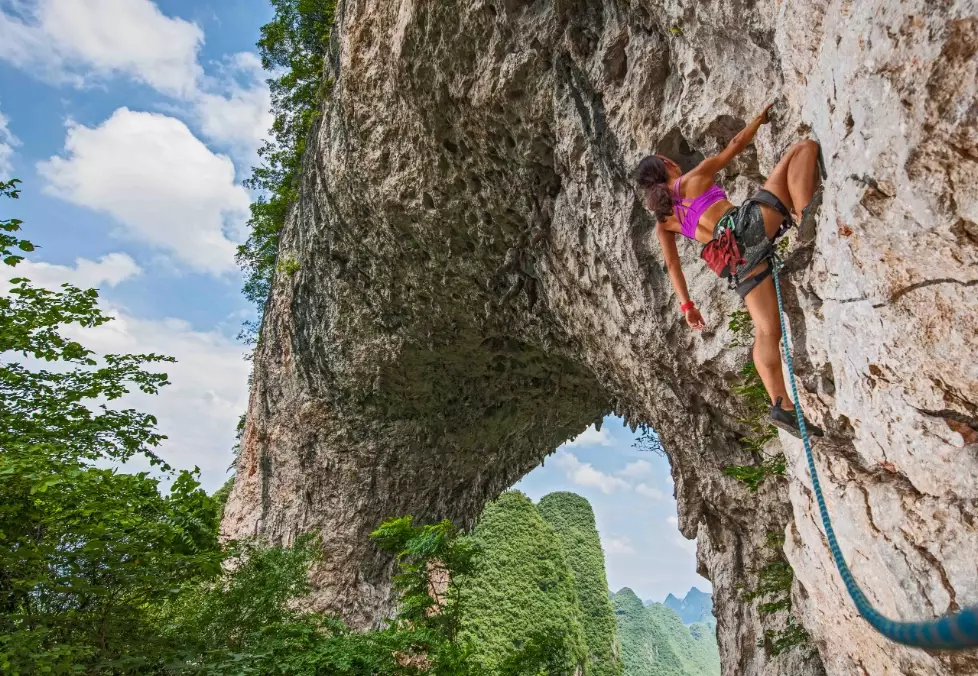
#2: United States - The Land of Giants and Variety
The US story is about scale and legacy. Yosemite Valley is the cathedral of big wall climbing. The ethos of pushing limits on sheer granite faces, pioneered by legends like Royal Robbins and Warren Harding, defines American climbing's adventurous spirit. Even today, cutting-edge big wall ascents in Yosemite make global news. But here's a subtle mistake beginners make: they think US climbing is only Yosemite. It's not.
The sheer geographic diversity is the real strength. Want steep sandstone sport climbing? Go to the Red River Gorge in Kentucky. Perfect splitter cracks? Indian Creek, Utah. High-altitude alpine? The Tetons. Volcanic tuff? Smith Rock, Oregon (considered the birthplace of American sport climbing). This variety means American climbers often become specialists, which shows in their results—incredibly strong in certain disciplines like bouldering and crack climbing.
The competition scene is robust, fed by thousands of local gyms. Athletes like Natalia Grossman and Colin Duffy are consistent World Cup medalists. However, the vastness of the country can be a weakness—talented kids in the Midwest might be far from quality rock, unlike a French teenager who can bike to Fontainebleau.
#3: Japan - The Technical Powerhouse
Japan's rise has been meteoric and is built on a foundation of almost obsessive technical precision. Japanese climbers, especially in bouldering, are famous for their flawless footwork, body tension, and ability to decode complex sequences. Watch Tomoa Narasaki or Miho Nonaka on a coordination problem; it's like watching a chess master.
This stems from their training environment. Japanese climbing gyms are often small, crowded, and set with incredibly intricate, powerful problems. This forces efficiency. Outdoors, areas like Mt. Mizugaki offer bullet-hard granite boulders with tiny, precise holds. The style translates perfectly to modern IFSC bouldering competitions, which are increasingly "Japanese" in their complexity.
The culture is deeply respectful and disciplined. At the crag, you'll see meticulous cleaning of holds and quiet focus. For a traveling climber, it's a fantastic experience, though the language barrier and sometimes strict access rules (some areas are on private land) require more research.
How Can You Experience the Best Rock Climbing Yourself?
Reading about it is one thing. Feeling the rock is another. Here’s how to plan a trip that matches your goals.
Choose Your Destination Based on Your Climbing Type
For Bouldering & Sport Climbing Newbies: France is the ultimate one-stop shop. Fly into Paris, rent a car, and you're 45 minutes from Fontainebleau for bouldering. Within a 4-5 hour drive, you can be sport climbing in Ceuse or Verdon. The infrastructure (camping, gear shops, guidebooks) is top-notch.
For the Trad & Adventure Seeker: The UK or USA. The UK's Peak District offers the unique challenge of gritstone—friction-dependent slabs and cracks, often with a short walk-in. The trad ethics (placing your own gear) are pure. In the US, a road trip from Colorado's trad climbs to Utah's cracks is a rite of passage.
For the Gym Rat Wanting a Challenge: Japan. Book a trip that combines sessions in Tokyo's famous gyms (like B-Pump Ogikubo) with a few days outdoors at Ogawayama. You'll see where the future of technical climbing is headed.
Planning Your Climbing Trip: The Non-Obvious Tips
Most guides tell you to get a guidebook. I'll tell you to check the online condition reports first. Is Fontainebleau soaked from spring rains? Is it peak bug season in the Red River Gorge? Local Facebook groups or forums like Mountain Project (for the US) are goldmines for current beta.
Book a local guide for at least one day, even if you're experienced. They'll show you the best sectors for your grade, teach you local ethics (like where to park, where to brush holds), and often have stories you won't find in any book. In places like Slovenia, this is the best way to access the classic lines.
Local Etiquette & Best Practices
This is where you earn respect. In Fontainebleau, you never climb with chalk on wet rock, and you always use a crash pad to protect the fragile forest floor. In the UK, you follow established trad protocols and don't bolt cracks. In Japan, you might need to ask permission from a local climbing club. A little research goes a long way in keeping these places open and pristine.
Your Rock Climbing Country Questions, Answered
 Beyond the top 5, which country is an underrated rising star in climbing?