Quick Guide
- Why National Parks Are Unbeatable for Family Trips
- Top National Parks for Families: Picked by Ease, Wonder, and Kid-Friendliness
- How to Actually Plan Your National Park Family Trip (The Nitty-Gritty)
- Making It Educational (Without Them Noticing)
- Budgeting for a National Park Family Vacation
- Answering Your Biggest Questions About National Parks for Families
- The Mindset Shift for a Successful Trip
Let's be honest. The idea of taking your kids to a national park sounds amazing in your head. Visions of breathtaking vistas, happy children learning about nature, and perfect family photos dance around. Then reality hits. The long car ride, the "are we there yet" chorus, the fear of a toddler meltdown at the edge of the Grand Canyon.
I've been there. I've also had some of the most incredible, soul-filling moments of parenthood in these parks. The key isn't just picking a pretty spot on a map. It's about strategy. It's about knowing which parks won't leave you exhausted, which hikes won't end in a carry-job, and how to pack the damn car so you can actually find the snacks.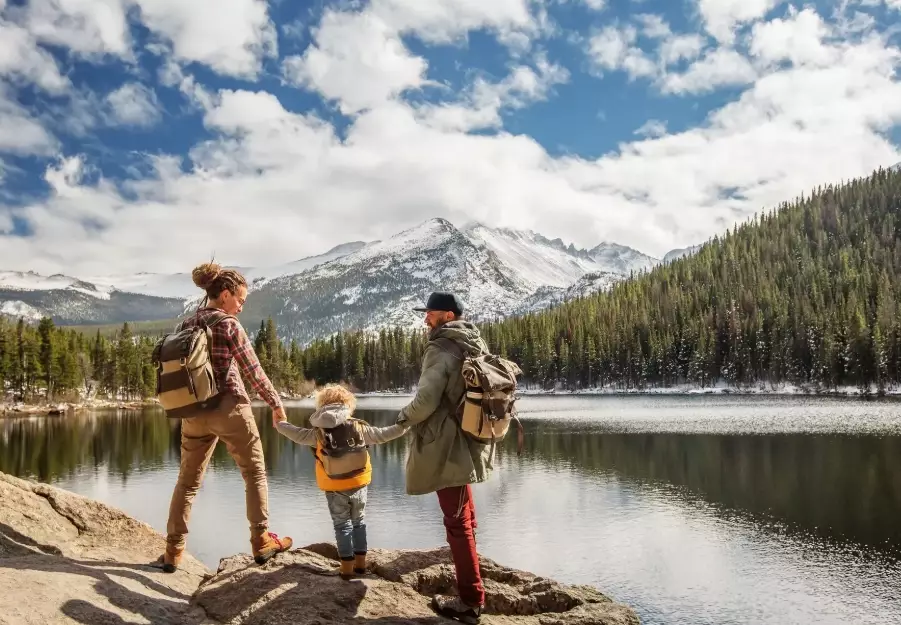
This guide is for families who want the magic without the misery. We're going beyond the basic "top 10" lists. We're talking logistics, age-appropriate activities, and real talk about crowds and costs. This is your blueprint for a successful family trip to a national park.
Why National Parks Are Unbeatable for Family Trips
Forget fancy resorts for a minute. National parks offer something unique: shared, raw, unfiltered discovery. There's no entry script, no scheduled showtimes (except maybe for the geysers at Yellowstone—they're pretty punctual). It's pure, kid-paced exploration.
Kids who are glued to screens at home suddenly become expert rock-finders, cloud-namers, and junior rangers. The learning is sneaky. They're not sitting in a classroom hearing about ecosystems; they're standing in one, smelling the pine trees, feeling the mist from a waterfall. It sticks with them.
And for parents? It's a reset. The constant ping of emails and to-do lists fades away, replaced by the much more important task of figuring out what that animal track might be. A trip to a national park for families is less of a vacation and more of a recalibration.
Top National Parks for Families: Picked by Ease, Wonder, and Kid-Friendliness
Not all parks are created equal when you have little ones in tow. A park might be stunning, but if it only has steep, exposed cliffs and zero facilities for 50 miles, it's a hard pass for most families. My list prioritizes a mix of accessibility, wow-factor, and services that make family life easier.
Unforgettable. But huge. Plan your lodging inside the park WELL in advance. Traffic jams caused by bison are real. Keep kids super close near thermal areas.
| Park | Best For Ages | Top Family Activities | Best Time to Visit | Pro-Tip / Watch Out |
|---|---|---|---|---|
| Great Smoky Mountains (TN/NC) | All ages, especially toddlers & young kids | Easy nature trails (Laurel Falls), driving the Cades Cove loop for wildlife, tubing, Jr. Ranger program. | Spring (wildflowers) & Fall (colors) | Free entry! Biggest downside? It's the most visited—expect crowds in peak summer. Stay in Gatlinburg or Townsend for amenities. |
| Yellowstone (WY/MT/ID) | 5 and up (to appreciate scale & safety) | Geyser gazing (Old Faithful), wildlife spotting in Lamar Valley, Grand Prismatic Spring overlook, short boardwalk hikes. | Late May-June or September | Unforgettable. But huge. Plan your lodging inside the park WELL in advance. Traffic jams caused by bison are real. Keep kids super close near thermal areas. |
| Zion (UT) | 6 and up, especially adventurous kids | Riverside Walk (paved, easy), driving the Zion-Mt. Carmel Tunnel, shorter hikes like Weeping Rock. The Narrows is for older/teens. | Spring & Fall | You often can't drive your own car on the main canyon road in peak season. Use the excellent, free shuttle system. Book Springdale lodging early. |
| Acadia (ME) | All ages | Carriage road biking (rent bikes!), tidepooling at Sand Beach, driving up Cadillac Mountain, popovers at Jordan Pond. | Summer & Early Fall | Charming and manageable size. Can be foggy! Bar Harbor is a great, walkable base with ice cream shops (key parenting currency). |
| Grand Canyon South Rim (AZ) | 4 and up (with strict supervision) | Rim Trail (flat, paved sections), visitor center movies & exhibits, mule ride sightings, bike rentals. | Spring or Fall | The sheer scale is the attraction. Do not expect to "hike down and back" with young kids. Stay on the rim. The Desert View Watchtower is a quieter, amazing spot. |
Look, Yosemite is stunning. But in summer, the valley floor feels like a crowded parking lot with cliffs. For a first major national park trip for families, I'd often recommend the Smokies or Acadia over it. Less stress, more enjoyment.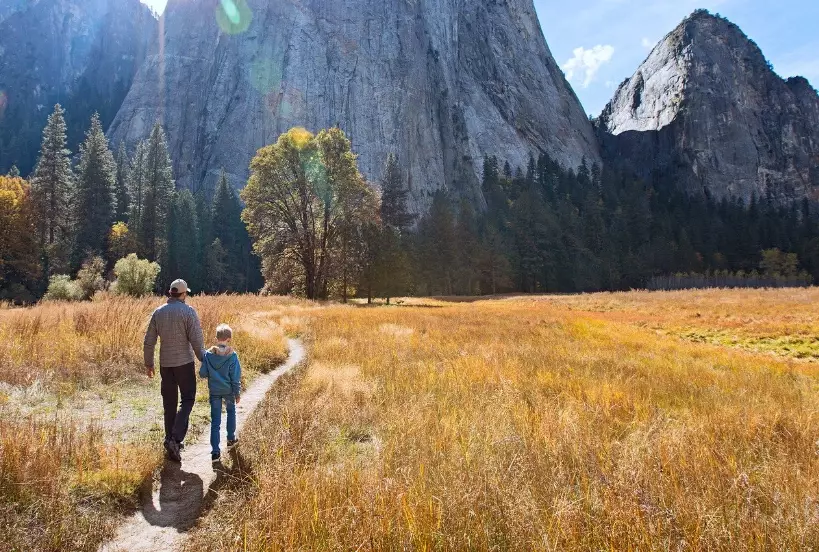
How to Actually Plan Your National Park Family Trip (The Nitty-Gritty)
This is where most blogs get fluffy. Let's get practical.
Before You Go: The Foundation
Timing is Everything: If you can swing it, go in the shoulder seasons. May-June or September. The weather is still good, the crowds are thinner, and the wildlife is active. Summer is peak, which means people, full parking lots by 9 AM, and higher prices.
The Lodging Dilemma:
- Inside the Park: Lodges and campgrounds book up months, sometimes a year, in advance for places like Yellowstone, Yosemite, Zion. If you want this, set a calendar reminder. The benefit? You're in the action, can do early morning/late evening activities when day-trippers leave.
- Outside the Park: More options, often cheaper, with more restaurant choices. The trade-off? Commute time. A 30-minute drive in can mean you lose the prime morning hours.
Get the Kids Involved Early: Go to the National Park Service website. Watch park videos together. Let them help pick one or two must-do activities. It builds ownership and excitement.
The Family Packing List (Beyond the Basics)
Everyone says "bring water." Duh. Here's what you might forget:
- A Headlamp per Kid: Not just for you. Kids LOVE having their own light for evening campground trips to the bathroom. It's a toy and a tool.
- Comfortable, Broken-In Shoes: Blisters can ruin a trip. Sandals are for the campsite, not for hiking.
- Layers, Layers, Layers: Mountain weather changes fast. A lightweight puffer jacket and a rain shell are non-negotiable.
- A Small, Dedicated "Nature Treasure" Bag: A ziplock or small cloth bag for each kid. It gives them a place for their special rock, pinecone, or feather (remember, collecting is usually prohibited, but they can examine and carry items temporarily).
- Plenty of Snacks You Don't Mind Eating: You will become a snack dispenser. Pack high-energy, low-mess stuff. Trail mix, bars, fruit leathers. Hide the good chocolate for yourself for after kids are asleep.
During the Trip: The Art of Flexibility
Embrace the Junior Ranger Program. This is the NPS's secret weapon for engaging kids. Pick up a Junior Ranger booklet (usually $3 or free) at any visitor center. The activities are age-appropriate and guide kids to actually see the park. Earning that badge at the end is a huge point of pride.
Start Early. I mean it. Get up, have a quick breakfast, and be at the trailhead or main attraction by 8 AM. You'll have parking, quieter trails, and better animal sightings. The post-lunch crowd is a different beast.
Plan One "Big Thing" Per Day. Maybe it's a 2-hour hike in the morning. Or a ranger program in the afternoon. Don't try to checklist the entire park. Follow it with low-key time—a picnic, throwing rocks in a river, napping at the lodge.
Making It Educational (Without Them Noticing)
You don't need to lecture. The park does the work.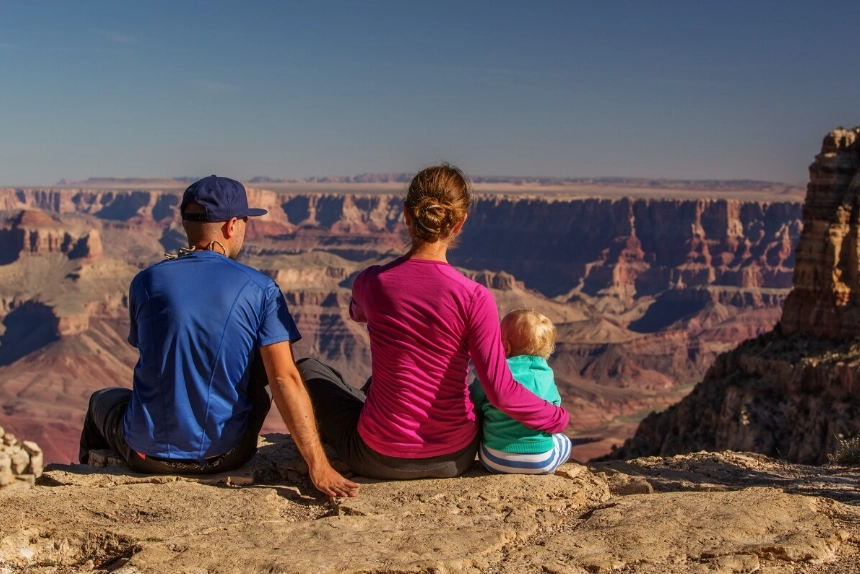
- Attend a Ranger Talk. These are gold. Rangers are fantastic at making geology, history, or animal facts fun and accessible for all ages. Check the park newspaper for times.
- Play Games. "I Spy" for different leaf shapes. Count the switchbacks on a trail. Who can spot the most animal tracks?
- Use the Visitor Centers. They're not just gift shops. The interactive exhibits are designed for curious minds. Watch the park film—it's a great, air-conditioned overview.
Budgeting for a National Park Family Vacation
It can be done cheaply or lavishly. Here's a breakdown.
Savings: The $80 America the Beautiful Annual Pass is a steal if you visit more than 2-3 parks in a year. Entry for your whole car. Camping is the most affordable lodging, but requires gear and tolerance.
Costs: Lodging inside parks is rarely cheap. Food inside parks is expensive and limited. Gas for driving long park roads adds up. Guided tours or rentals (bikes, boats) are extra.
My Budget Tip: Pack a cooler. Make sandwiches, pack salads, have breakfast in your room/campsite. Splurge on one nice dinner out or a memorable guided experience instead of eating mediocre food three times a day.
Answering Your Biggest Questions About National Parks for Families
Let's tackle the stuff you're secretly Googling at 2 AM.
What's the best age to start?
Any age! But your goals change. With a baby, you're a walking basecamp. Stick to scenic drives, short paved paths, and picnics. Toddlers love the freedom to explore safe, open spaces. Elementary-age kids can handle 1-3 mile hikes and love Jr. Ranger books. Teens can tackle bigger adventures—just get their buy-in on the plan.
Are national parks for families with young toddlers actually fun?
Yes, but redefine "fun." It's not about mileage. It's about throwing pebbles in a stream for an hour. It's about their wonder at a squirrel. It's slower, but it can be incredibly rewarding. Just manage your own expectations.
How do we deal with the crowds?
Go off-season. Go to less famous sections of the park (every major park has them—ask a ranger!). Get up early. Embrace the shuttle system—it's often faster than hunting for parking.
What if my kids hate hiking?
Then don't make the trip all about hiking! Many parks offer scenic drives, boat tours, horseback rides, bike paths, or historic sites. Focus on the activities that fit your crew's vibe. A national park for families should be enjoyable, not an endurance test.
Can we bring the dog?
This is a huge limitation. Most national parks have very strict rules: pets are only allowed in developed areas, campgrounds, and paved roads/paths. They are almost never allowed on trails, in the backcountry, or in park buildings. Always check the specific park's pet policy first. Seriously.
The Mindset Shift for a Successful Trip
The most important thing you pack isn't your hiking boots. It's your patience and flexibility.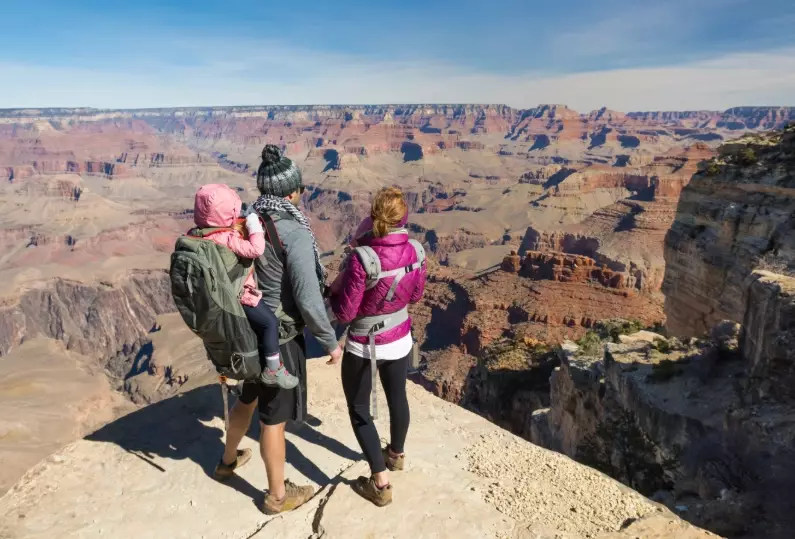
Things will go wrong. A hike will be rained out. A kid will get carsick on that winding road. The famous restaurant will be closed.
The magic happens in the unplanned moments—the impromptu picnic, the deer that wanders through the campground, the silly faces you make while waiting for a geyser to erupt. Your job isn't to execute a perfect itinerary. It's to create a container for adventure and connection.
Choosing the right national parks for families, planning with your kids' stamina in mind, and packing a sense of humor will set you up for a trip they'll remember forever. And you will too. Even the parts where you're tired and covered in bug spray. Maybe especially those parts.
Now, go grab a map (or just your phone), start dreaming with your kids, and get that reservation booked. Your adventure is waiting.