Your Quick Guide to Acadia
- First Things First: When to Go and How to Beat the Crowds
- The Can't-Miss Core of Acadia: Mount Desert Island
- Hiking Acadia: From Leisurely Walks to Heart-Pounding Climbs
- Beyond the Island: Schoodic Peninsula & Isle au Haut
- The Practical Stuff: Where to Stay, Eat, and How to Get Around
- Answers to the Questions You're Actually Asking (FAQ)
- Final Thoughts: Making It Your Own
Let's be real. You've probably seen the pictures. That iconic view from Cadillac Mountain at sunrise, the rugged cliffs of the Precipice Trail, the serene chaos of Thunder Hole when the tide is right. Acadia National Park in Maine is one of those places that lives rent-free in a hiker's or a traveler's mind. But between the dream and the reality lies a whole bunch of questions. When should I go to actually enjoy it and not just stand in line? Which trail is right for me—am I a "Ocean Path stroller" or a "Beehive climber"? Where do I even start?
I've been there, scratching my head over maps, trying to decode park websites. I've also made my share of mistakes—like showing up at Jordan Pond House at peak lunch hour (never again) or underestimating how cold it gets on the coast even in June. This guide is what I wish I had. It's not just a list of places; it's a practical, from-the-ground-up look at how to experience Acadia National Park without the stress, packed with the kind of details that make or break a trip.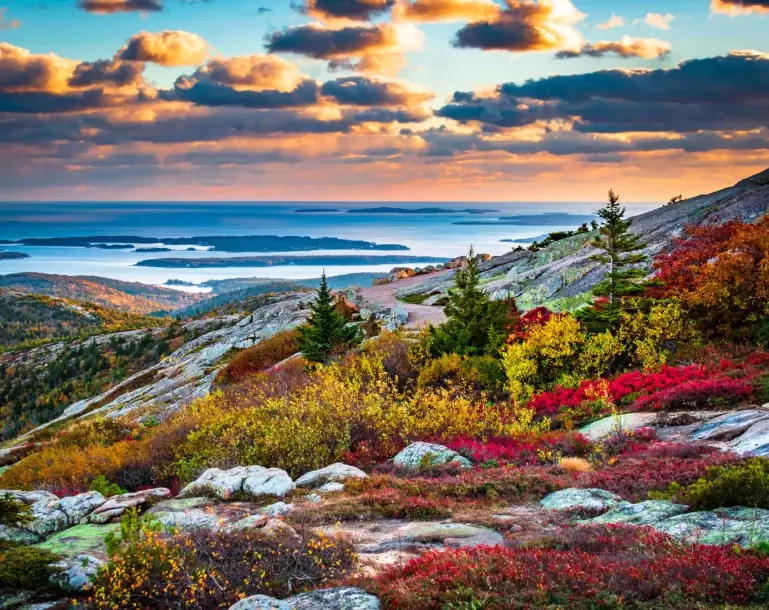
In a nutshell: Acadia is America's easternmost national park, a stunning mosaic of mountain peaks, rocky Atlantic coastline, dense forest, and tranquil lakes, primarily on Mount Desert Island. It's relatively compact, which means you can pack a huge variety of experiences into a short visit—if you plan smartly.
First Things First: When to Go and How to Beat the Crowds
This is the million-dollar question for Acadia National Park. Timing is everything. Get it wrong, and you're in a traffic jam on the Park Loop Road. Get it right, and you might have a breathtaking vista all to yourself.
The absolute peak season is July and August. The weather is warmest, everything is open—but so is everyone else's calendar. Hotels are priciest, parking lots fill by 9 AM, and popular trails feel like highways. Honestly, it can be a lot. My personal sweet spot? Late September through mid-October. The summer crowds have thinned, the fall foliage is a spectacular show of reds and oranges, and the air is crisp and perfect for hiking. Just pack layers.
Pro Tip for Avoiding the Madness: If summer is your only option, all is not lost. You just need to think opposite. Start your day at sunrise (yes, really). Have a big breakfast, then hit a major trailhead by 7:30 AM. You'll be done before the midday rush. Alternatively, be an evening person. Many areas are stunning and quiet after 4 PM. The park's official hours page is a good baseline, but remember, trails are always "open."
Spring (May-June) can be lovely but is often foggy, damp, and blackfly season is a real, itchy nuisance. Winter transforms Acadia into a silent, snowy wonderland for cross-country skiing and snowshoeing, but most facilities and roads are closed. Always check the current conditions on the NPS site before you go, no matter the season.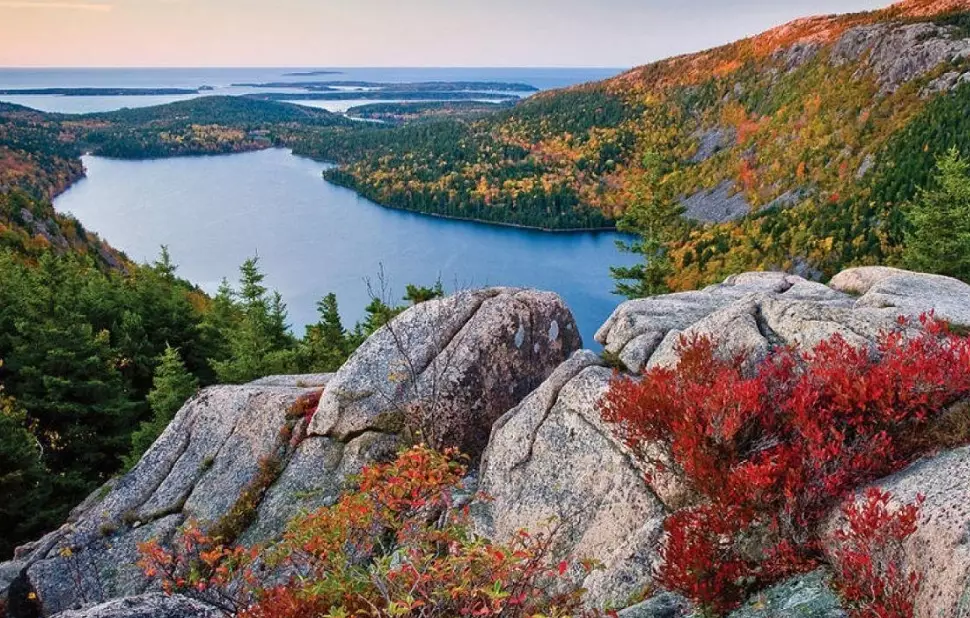
The Can't-Miss Core of Acadia: Mount Desert Island
Most of the action happens right here. The Park Loop Road is the 27-mile scenic artery that ties the key sites together. You'll need a park entrance pass, which you can get online or at the Hulls Cove Visitor Center. Do yourself a favor and get it online in advance during peak season.
The Iconic Sights & Stops (Ranked by My Personal Impact Factor)
Not all stops are created equal. Here’s my take on the must-dos, the overrated, and the hidden gems.
| Spot | What It Is | Best For | My Honest Take |
|---|---|---|---|
| Cadillac Mountain | The highest point on the North Atlantic seaboard. Famous for the "first sunrise in the U.S." | Sunrise/sunset, panoramic 360-degree views, easy access by car or a strenuous hike. | The sunrise is magical, but it's a commitment. You now need a timed vehicle reservation for the road at dawn. Worth it once for the spectacle, but sunset is just as beautiful and often less chaotic. |
| Park Loop Road | The main scenic drive connecting major sites. | Getting an overview, coastal views, access to trailheads. | Don't just drive it. Stop and get out. Pull over at every other overlook. The real magic is a few steps off the pavement. |
| Sand Beach | A rare sandy beach nestled between granite mountains. | A quick, stunning photo op, feeling the contrast of sand and pine. | It's beautiful, but the water is bone-achingly cold year-round. Great for a toe-dip and a gasp, not for swimming (unless you're part seal). |
| Thunder Hole | A small inlet where waves crash with a thunderous boom. | A natural spectacle, especially at mid-tide with a rising or incoming swell. | It can be a letdown if the ocean is calm. Check tide charts (NOAA's Bar Harbor prediction is key). Go 1-2 hours before high tide for the best chance of a show. |
| Jordan Pond | A crystal-clear, glacially-formed pond with the iconic "Bubble" mountains in the background. | A flat, easy 3.3-mile loop walk, famous popovers at Jordan Pond House. | The Jordan Pond Path is my favorite easy stroll. The popovers? Delicious, but the restaurant is insanely busy. Try for a late afternoon tea instead of lunch. |
| Bass Harbor Head Lighthouse | A classic, picturesque lighthouse on the quieter "Quietside" (Southwest Harbor). | That perfect lighthouse photo, especially at sunset. | The photo you've seen is from a rocky, steep cliffside path to the left of the lighthouse (not the main viewing platform). Gets very crowded at sunset—arrive early. |
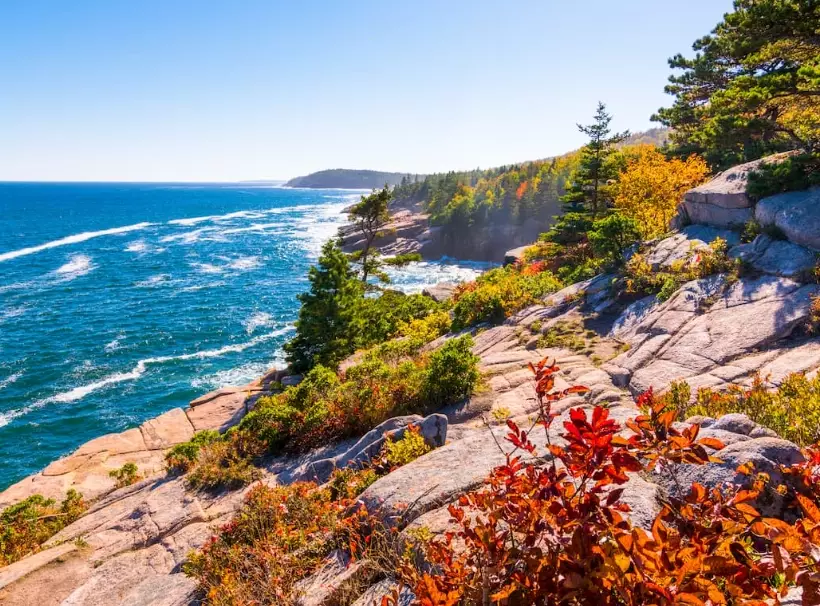 That's just the drive-by version. The real soul of Acadia National Park is found on its trails.
Hiking Acadia: From Leisurely Walks to Heart-Pounding Climbs
Acadia's trail system is genius. It was largely built by the visionary Village Improvement Associations and features incredible stonework. The park caters to every level, but its classic hikes often involve iron rungs and ladders bolted to granite faces. It's thrilling, but know your limits.
Top Hikes for Different Ambitions
For the View-Seeker Who Doesn't Want a Marathon: The Ocean Path (2 miles one way, easy). It runs from Sand Beach to Otter Point, right along the cliffs. Minimal effort, maximum coastal drama. You can do short sections.
For a Fun, Moderate Challenge with Big Rewards: The Beehive Trail (1.4 miles loop, strenuous). This is the famous one with the iron rungs. It's shorter and slightly less intimidating than Precipice (which is often closed for peregrine falcon nesting), but it still gets your adrenaline going. The views over Sand Beach are incredible. Not for anyone with a fear of heights. I did it once, loved it, but my palms were sweaty the whole time.
For a Solid, Classic Acadia Hike: Jordan Pond to South Bubble (1.4 miles round trip to the summit, moderate). Hike up to South Bubble Rock, that giant boulder perched on the cliff's edge. You can push it (it doesn't move). The view down to Jordan Pond is picture-perfect.
For Quiet and Solitude: Explore the "Quietside" trails around Southwest Harbor. The Wonderland Trail or Ship Harbor Trail are flat, peaceful loops through spruce forest leading to rocky shores. You might see more wildlife than people.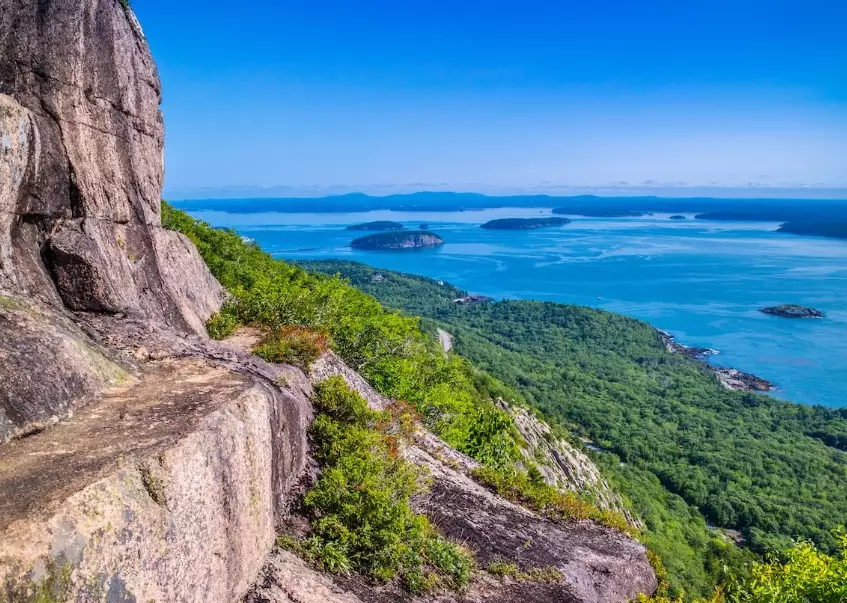
Safety First, Seriously: Acadia's granite is slippery when wet. Wear proper hiking shoes with grip, not sneakers. Carry water—more than you think you need. And for the love of all that is good, stay on the trail. The plant life is fragile, and going off-trail damages it and is dangerous. The NPS safety page isn't just bureaucracy; it's essential reading.
Beyond the Island: Schoodic Peninsula & Isle au Haut
Most visitors never leave Mount Desert Island, which is a shame. About an hour's drive away is the Schoodic Peninsula. It's part of Acadia National Park but feels like a different world. No crowds, just raw, crashing waves on pink granite. The one-way Schoodic Loop Road is a joy to drive. It's a perfect day trip if you have more than 2-3 days.
Then there's Isle au Haut, accessible only by mail boat from Stonington. This is remote, rugged Acadia. If you want to truly get away, this is the place. Reservations for the limited campsites or the single lean-to book up months in advance.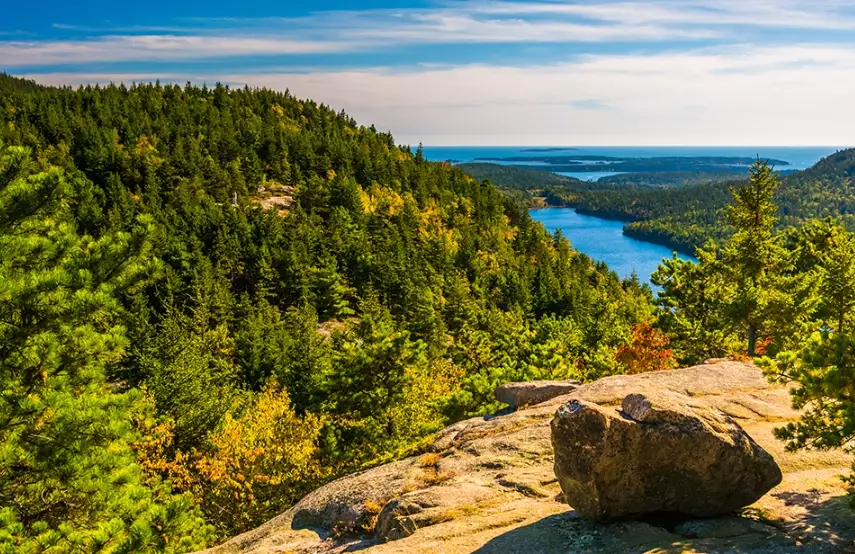
The Practical Stuff: Where to Stay, Eat, and How to Get Around
Lodging: Bar Harbor is the main hub, full of inns, B&Bs, and hotels. It's convenient but can be noisy. I prefer staying in one of the smaller villages like Southwest Harbor or Northeast Harbor—quieter, with local charm. Camping within Acadia National Park itself is limited to two main campgrounds: Blackwoods (more central, reservable) and Seawall (on the Quietside, first-come-first-serve for some sites). Book early.
Food: You have two choices: pack a picnic (the best option for flexibility) or brave the restaurant scene. Beyond Jordan Pond House, Bar Harbor has everything from touristy pubs to excellent fresh seafood spots. Thurston's Lobster Pound in Bernard (on the way to Bass Harbor) is a classic for a reason.
Getting Around: In peak season, use the Island Explorer bus system. It's free, propane-powered, and goes to all major spots. It saves you the headache of parking, which is the single biggest logistical challenge in summer. Seriously, just use the bus.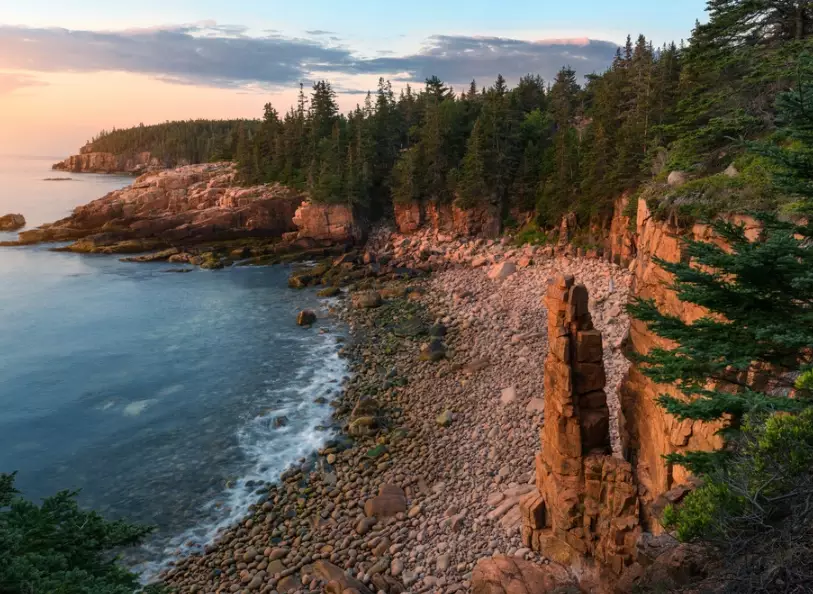
Answers to the Questions You're Actually Asking (FAQ)
Final Thoughts: Making It Your Own
Acadia National Park isn't a checklist. It's a feeling. It's the smell of salt and pine, the sound of waves grinding against granite, the burn in your legs after a good climb, and the profound quiet of a forest trail. The best advice I can give is to pick one or two things you really want to do each day, and leave room for discovery. Get up early once. Watch a sunset from a rocky perch. Skip a famous spot and find your own.
Do that, and you won't just visit Acadia. You'll experience it. And that's what sticks with you long after you've driven away from Mount Desert Island.
Remember, the official National Park Service website for Acadia is your most reliable, up-to-date source for alerts, closures, and official regulations. Use it.