Your Volcanic Journey: A Quick Guide
- The Top U.S. National Parks with Volcanoes You Need to See
- Safety First: Visiting Active and Potentially Active Volcanoes
- What Are You Actually Looking At? A Non-Geologist's Guide to Volcanic Features
- Common Features in Volcanic National Parks
- Planning Your Trip to Volcano National Parks
- Beyond the Big Names: Other Parks with Volcanic Stories
- Frequently Asked Questions About Visiting Volcanic National Parks
- The Takeaway: Why These Parks Matter
Let's talk about fire and rock. Not the kind in your backyard fire pit, but the real, raw, earth-creating kind. I'm talking about volcanoes, and believe it or not, some of the most incredible and accessible places to witness their power are right within America's national parks. It's a side of the parks system that doesn't always get the top billing next to the Grand Canyon or Yosemite, but for my money, it's one of the most fascinating.
I remember my first time standing on the edge of Kīlauea in Hawaiʻi Volcanoes National Park. The smell of sulfur was sharp in the air, the ground felt warm through my boots, and the landscape looked like something from another planet. It wasn't just a pretty view; it was a direct line to the living, breathing heart of our planet. That's the magic of national parks with volcanoes. They're not just museums of past eruptions; many are active, dynamic classrooms.
This guide is for anyone curious about where to find these landscapes, how to visit them safely, and what you're actually looking at when you get there. We'll cut through the geology jargon and get to the practical stuff: which parks to put on your list, what to know before you go, and how to make the most of your visit to these unique national parks and volcanoes.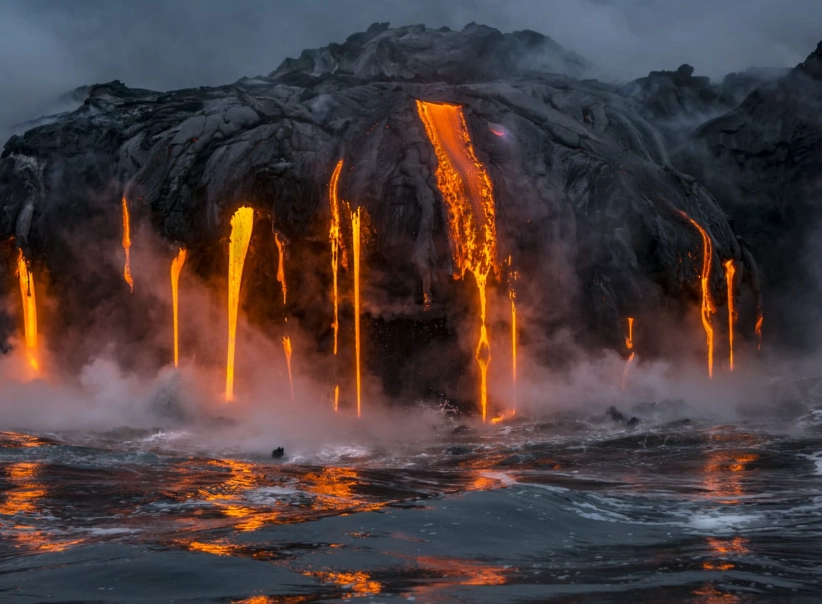
Quick Takeaway: The U.S. national park system protects a stunning array of volcanic landscapes, from gently erupting shield volcanoes in Hawaii to the sleeping supervolcano beneath Yellowstone and the textbook-perfect cones of the Cascades. Visiting them requires a blend of awe and respect, plus a good dose of practical planning.
The Top U.S. National Parks with Volcanoes You Need to See
Not all volcanic national parks are created equal. Some let you walk on fresh lava flows from last year. Others let you peer into a crater that could change the continent. Here’s my breakdown of the heavy hitters, the places where the earth's power is on full display.
| National Park | Volcanic Star Attraction | Current Status | Best For | One Thing You Can't Miss |
|---|---|---|---|---|
| Hawaiʻi Volcanoes National Park | Kīlauea (one of the world's most active volcanoes) & Mauna Loa (largest volcano on Earth) | Active. Eruptions can occur with little warning. Always check conditions. | Seeing active geology in real-time, walking on recent lava flows, crater views. | The glow of Halemaʻumaʻu crater at night (when active). It's humbling. |
| Yellowstone National Park | The Yellowstone Caldera (a massive supervolcano) | Restless (active hydrothermal system). Not erupting lava, but very much "alive." | Seeing the surface expression of a supervolcano: geysers, hot springs, mudpots. | Old Faithful is cool, but the multicolored Grand Prismatic Spring is otherworldly. |
| Lassen Volcanic National Park | Lassen Peak (the world's largest plug dome volcano) | Active (last erupted 1914-17). Considered dormant but not extinct. | Hiking to the summit of a recently active volcano, seeing all four volcano types. | The hike to Lassen Peak summit. The views up top make the burn worth it. |
| Mount Rainier National Park | Mount Rainier (a massive stratovolcano) | Active. Considered one of the most dangerous volcanoes in the U.S. due to its proximity to population centers. | Iconic volcano views, wildflower meadows, glacier hiking. | Seeing the mountain reflected in Reflection Lakes at sunrise. Postcard-perfect. |
| Katmai National Park | Novarupta (site of the 20th century's largest eruption) & the Valley of Ten Thousand Smokes | Active volcanic field. Famous for brown bears and dramatic eruption history. | Remote adventure, seeing a landscape completely transformed by a colossal eruption. | Brooks Falls for bears, but the flight over the Valley of Ten Thousand Smokes is mind-blowing. |
You'll notice a theme. When we talk about national parks volcanoes, we're talking about a spectrum from "constantly gurgling" to "sleeping giant." Each offers a totally different experience. Hawaiʻi is the live show. Yellowstone is the backstage tour of the planet's plumbing. Lassen is the accessible geology hike. Rainier is the majestic, looming presence. And Katmai is the history lesson written across a vast, empty land.
I have a soft spot for Lassen, honestly. It gets overshadowed by its famous Californian neighbors, but it's a gem. You can literally touch rocks that were molten not too long ago. That connection to a recent event is wild.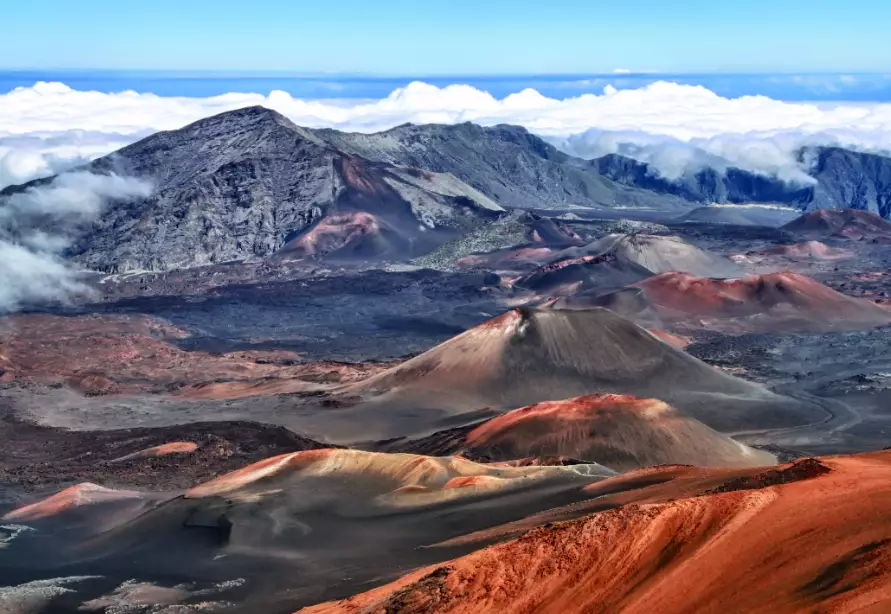
Safety First: Visiting Active and Potentially Active Volcanoes
Okay, this is the serious part, and it's non-negotiable. Visiting national parks with active volcanoes isn't like strolling through a historic monument. The landscape itself is a hazard. Ignoring safety rules isn't adventurous; it's stupid and puts rangers' lives at risk if they have to rescue you.
Volcanic hazards are real and can include: toxic gas emissions (like sulfur dioxide), sudden steam explosions, collapsing ground near thermal areas, falling rock, and of course, lava flows or pyroclastic surges during eruptions. These aren't theoretical.
The single most important thing you can do is check official sources before and during your visit. Don't rely on random blog posts from three years ago. Volcanic conditions change.
- U.S. Geological Survey (USGS) Volcano Hazards Program: This is the bible. They have current alerts, webcams, and detailed information for every monitored volcano in the U.S., including those in national parks. Bookmark their main page and the specific pages for parks you're visiting.
- Individual National Park Service (NPS) Websites: Always, always check the "Alerts & Conditions" section on the official NPS page for the park you're visiting (e.g., Hawaiʻi Volcanoes NPS site). They post closures, air quality warnings, and trail updates.
On the ground, use common sense that seems to vanish for some people when they see a cool photo op.
My Top Safety Tips from Experience:
- Stay on marked trails and boardwalks. This is huge, especially in thermal areas like Yellowstone. The ground can be a thin crust over boiling water. People have been severely burned or killed by stepping off the path.
- Respect all closure signs and barriers. They are there for a reason, not to ruin your fun. An area might be closed due to increased gas emissions, seismic activity, or unstable terrain.
- Be gas-aware. Volcanic gases can accumulate in low-lying areas, even on calm days. If you feel lightheaded, have difficulty breathing, or smell strong sulfur, leave the area immediately and head to higher ground.
- Pack for variable conditions. Volcanic landscapes can be brutally sunny, windy, cold, or rainy—sometimes all in one hike. Layers, sun protection, and more water than you think you need are key.
Look, I get the temptation to get that perfect shot. But I've seen people do dangerously dumb things for Instagram. It's not worth your life, and it damages these fragile places. The parks with volcanoes are preserved for everyone, so let's keep them—and ourselves—intact.
What Are You Actually Looking At? A Non-Geologist's Guide to Volcanic Features
So you're standing there looking at a big hole in the ground or a field of weird, lumpy rock. What's the story? Understanding a few basics will make your visit 100 times more interesting. You don't need a PhD, just a few key ideas.
First, why are these volcanoes here? In the Pacific, it's mostly about the Hawaiian hotspot—a plume of hot material from deep in the mantle that punches through the moving Pacific plate, creating the island chain. For parks like Rainier, Lassen, and the other Cascades volcanoes, it's the subduction of the Juan de Fuca plate under North America. That process melts rock and creates the explosive, cone-shaped stratovolcanoes. Yellowstone is its own weird thing, sitting over a deep mantle hotspot.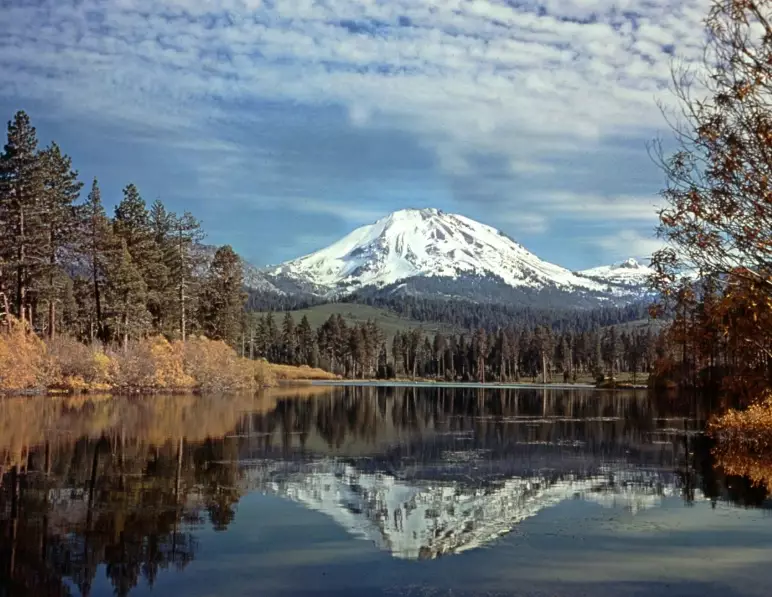
When you're exploring these national parks volcanoes, here’s a cheat sheet for what you might see:
Common Features in Volcanic National Parks
- Calderas: Not just any crater. A caldera is a huge, basin-shaped depression formed when a volcano empties its magma chamber in a massive eruption and the roof collapses. Yellowstone Lake sits in one. Crater Lake in Oregon (a national park, but not on our main list) is a caldera filled with water.
- Lava Flows: The cooled remains of erupted lava. They can look like ropey coils (pahoehoe) or jagged, broken fields (ʻaʻa). Walking on an ʻaʻa flow in Hawaii is a serious ankle-twister, trust me.
- Fumaroles: Steam and gas vents. They hiss. They smell like rotten eggs (sulfur). They're a direct vent from the hot rock below.
- Geysers & Hot Springs: Surface water heated by underground magma. Old Faithful is the famous one, but there are hundreds. The colors in hot springs come from heat-loving bacteria—a whole ecosystem fueled by volcanic heat.
It's a landscape built by destruction. New land from old rock.
One thing that blew my mind was learning that the entire Snake River Plain, leading up to Yellowstone, is basically a trail of calderas left by the hotspot as the continent moved over it. You're driving through the scars of ancient, catastrophic eruptions. Thinking on that geologic timescale makes your daily worries feel pretty small.
Planning Your Trip to Volcano National Parks
Alright, let's get practical. You're convinced. You want to see one of these parks. How do you make it happen without a hitch? A little planning goes a long way, especially since some of these are remote or have very specific challenges.
When to Go: It's More Than Just the Weather
Season matters, but for volcanoes, it's about access and visibility.
- Hawaiʻi Volcanoes: Year-round, but volcano activity is the main variable, not season. Summer and winter holidays are crowded. Shoulder seasons (spring/fall) can be nicer. Kona wind patterns can sometimes trap volcanic smog ("vog") on the island, affecting air quality.
- Yellowstone/Lassen/Rainier: These are high-elevation parks. The main visiting season is late spring through early fall. Roads close for snow. Summer is busy. For Lassen and Rainier, late July/August is peak wildflower season, which is stunning against the volcanic backdrop. Early fall can be glorious with fewer crowds.
- Katmai: Extremely seasonal. Basically accessible June to September. You need to book flights and lodging way, way in advance.
What to Pack: The Volcano Hiker's Kit
Beyond the usual hiking essentials (map, water, snacks), add these for volcanic terrain:
- Sturdy, Ankle-Supporting Boots: Lava rock is sharp and unstable. Sandals are a terrible idea.
- Rain Jacket & Multiple Layers: Weather changes fast on mountain volcanoes.
- Headlamp: If you're planning to view any nighttime glow (like at Halemaʻumaʻu).
- N95 Mask or Bandana: Not for viruses, but for dust on dry trails or occasional ash/particulates. Useful if vog is bad in Hawaii.
- High-Quality Sunglasses & Hat: Sun reflection off pale rock or snow can be intense.
- Backup Power Bank: You'll be taking a lot of photos, and you want your phone charged for GPS/maps.
A Quick Note on Photography: Dawn and dusk provide the best light for photographing these landscapes—softer light, longer shadows that define the rugged terrain. A polarizing filter can help cut haze and make crater lake colors pop. And please, use a zoom lens for wildlife (especially in Katmai!). Give the bears their space.
Beyond the Big Names: Other Parks with Volcanic Stories
The list doesn't stop at five. The volcanic history of the western U.S. is written into many parks. Here are a few honorable mentions where volcanoes played a key role:
- Crater Lake National Park (Oregon): The park is a volcano—specifically, the collapsed caldera of Mount Mazama, now filled with unbelievably blue water. It's a must-see.
- El Malpais National Monument (New Mexico): "The Badlands." Huge lava tube caves, cinder cones, and vast lava flows. It feels like a different planet and is wildly underrated.
- Sunset Crater Volcano National Monument (Arizona): A stunning, colorful cinder cone you can't hike up (to preserve it) but can walk around at its base. You get a real sense of the explosive, ash-producing type of eruption.
- Devils Postpile National Monument (California): Famous for its incredible columnar basalt—hexagonal columns formed as a thick lava flow cooled and cracked. It's a masterpiece of volcanic geometry.
- Channel Islands National Park (California): The islands are the tips of submerged volcanoes, part of a much larger volcanic field. The geology is a core part of their identity.
See, the story of national parks and volcanoes is everywhere once you start looking. It's a foundational part of the American West's landscape. Sometimes it's subtle, and sometimes it slaps you in the face with its raw power.
Frequently Asked Questions About Visiting Volcanic National Parks
Is it safe to bring kids to these parks?
Absolutely, with extra vigilance. They're fantastic outdoor classrooms. The key is to keep them on trails and boardwalks, hold their hands near any steep edges or thermal areas, and turn the visit into a game of discovery. Ranger-led junior geology programs are great. Just know your child's limits—some volcanic hikes are long and strenuous.
Will I actually see flowing lava?
It depends entirely on current volcanic activity, which is unpredictable. In Hawaiʻi Volcanoes National Park, there have been long periods where surface lava flows were visible, and other times when activity is contained within the summit crater or entirely underground. Never count on it. Check the USGS Kīlauea updates right before your trip. Even without red-hot lava, the landscapes created by past flows are spectacular.
What's the difference between "active," "dormant," and "extinct"?
Geologists use these terms, but the lines are fuzzy. Active means it has erupted in the last 10,000 years and has the potential to erupt again (this includes most volcanoes in U.S. national parks). Dormant (or "sleeping") is an active volcano that isn't currently erupting but is expected to again. Extinct means it's not expected to ever erupt again. The problem? A volcano thought to be extinct can sometimes wake up. So when visiting any national park volcano, it's wise to respect it as a dynamic system.
Are the parks crowded?
It varies wildly. Yellowstone and Haleakalā (which has a dormant volcano) can feel very crowded at popular sights in summer. Hawaiʻi Volcanoes can be busy near the visitor center but empties out on longer trails. Lassen and Katmai offer much more solitude. My advice: arrive early, hike beyond the first mile from the parking lot, and visit in shoulder seasons if you can.
How do I deal with the altitude at places like Yellowstone or Rainier?
This is a real concern many overlook. Much of Yellowstone is above 7,500 feet. Lassen Peak is over 10,000 feet. Altitude sickness can hit anyone. Drink tons of water (more than you think), avoid alcohol, eat carbs, and take it easy your first day or two. Listen to your body—headache and nausea are signs to descend to a lower elevation.
The Takeaway: Why These Parks Matter
Visiting national parks with volcanoes isn't just another item to check off a list. It's a profound experience. It connects you to the immense forces that literally shape our world. You stand on new land being born in Hawaii, walk through a valley still cooling from an eruption a century ago in Alaska, and see the steam rise from the world's largest volcano in Wyoming.
These parks protect living landscapes. They're not static. They change, sometimes overnight. That demands respect and humility from us as visitors. We get to be witnesses to geology in action, which is a rare privilege.
So do your homework, pack your bags (and your common sense), and go see it for yourself. Start with the official resources from the National Park Service and the USGS Volcano Hazards Program. Then get out there. Walk on the rock that was once fire. Feel the warmth of the earth. And remember that you're standing on one of the most powerful, creative, and occasionally destructive forces on the planet. It's a perspective you can't get anywhere else.
Just watch your step.