What This Guide Covers
I get this question all the time from friends eyeing photos of frozen waterfalls: can anyone ice climb? The short answer is no, not everyone—but way more people can than you think. It's not about being a superhero; it's about understanding what's involved and taking the right steps. I remember my first ice climb in Colorado, shivering and fumbling with my axes, convinced I'd made a huge mistake. But by the end of the day, I was hooked. Let's break down the reality, minus the hype.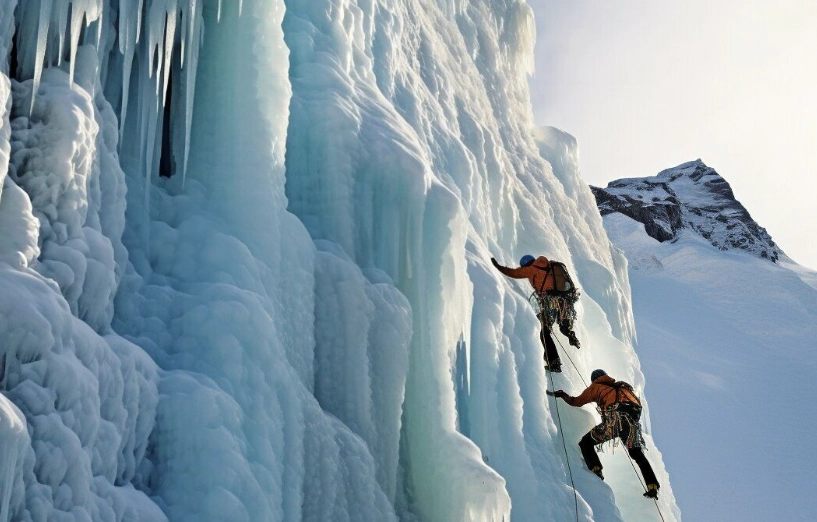
What It Really Takes to Ice Climb
Ice climbing isn't a one-size-fits-all sport. It demands a mix of physical readiness, mental grit, and technical know-how. If you're picturing a buff mountaineer scaling Everest, relax. Most beginners start on manageable ice flows, not vertical monsters.
Physical Fitness: More Than Just Strength
You don't need to bench press a car. Core stability and endurance matter more than brute force. Think about it: ice climbing involves repetitive kicking and swinging, which tires out your legs and core faster than your arms. A friend of mine, a yoga instructor with average upper-body strength, took to ice climbing quickly because her balance and flexibility gave her an edge. Focus on exercises like planks, squats, and grip trainers—not just pull-ups.
Cardio helps too. Hiking to the climb site in cold weather can be exhausting. The International Mountaineering and Climbing Federation (UIAA) emphasizes aerobic fitness for safety, but many local clubs welcome newcomers with varied fitness levels.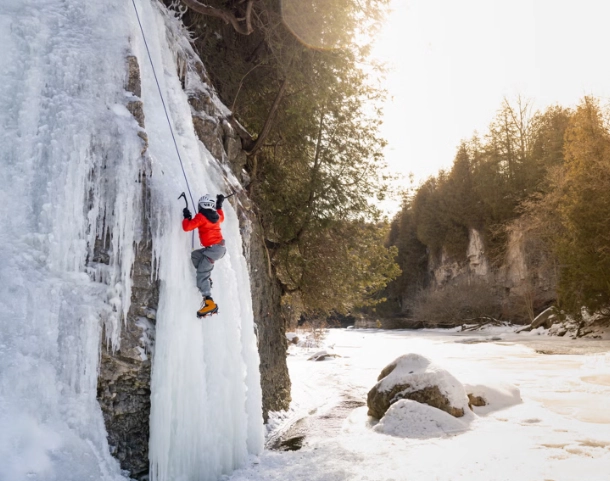
Mental Toughness: Conquering the Cold and Height
This is where people psych themselves out. The cold bites, the height intimidates, and the ice looks fragile. But mental toughness builds with exposure. I've seen climbers panic on their first try, only to calm down after learning to trust their gear. Techniques like mindfulness and controlled breathing—simple stuff, like inhaling for four counts, holding, exhaling—can steady nerves. It's less about bravery and more about focus: keep your eyes on the ice, not the drop.
Technical Skills: Learning the Ropes
You can't wing this. Ice climbing requires specific skills: using ice axes, crampons, and ropes safely. It's not rocket science, but it's precise. A common pitfall? Newbies swing their axes too hard, wasting energy. The key is a gentle tap to set the pick, then a firm pull. Take a course—it's non-negotiable. Organizations like the American Alpine Club offer resources, but nothing beats hands-on instruction.
How to Start Ice Climbing: A Step-by-Step Guide
Ready to dip your toes in? Here's a practical roadmap. I've guided a few friends through this, and the ones who succeed skip shortcuts.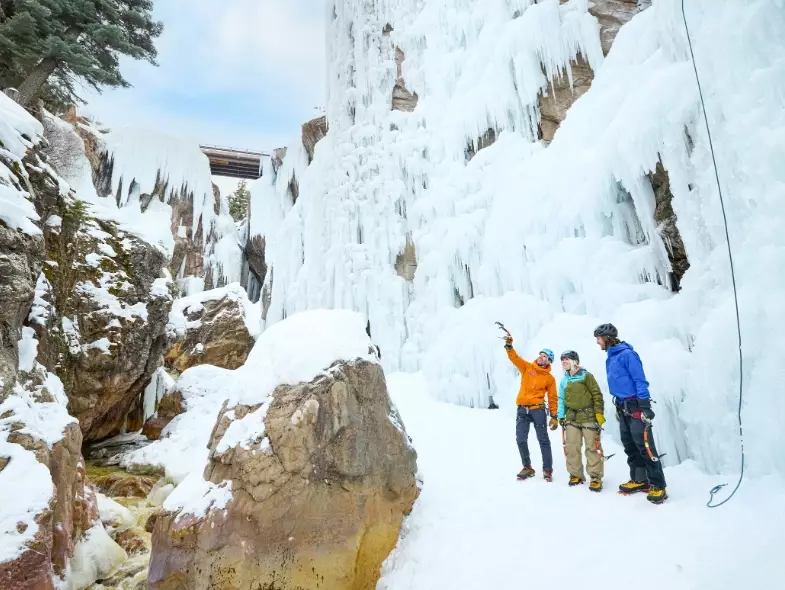
Gear Up: Essential Equipment List
Don't buy everything at once. Rent first to test what works. Here's a breakdown of must-haves:
| Gear Item | Why It's Crucial | Approx. Cost (USD) |
|---|---|---|
| Ice Axes | For gripping and pulling; technical axes differ from general mountaineering tools. | $200-$400 per pair |
| Crampons | Metal spikes for boots; ensure they fit securely to prevent slips. | $150-$300 |
| Helmet | Protects from falling ice; non-negotiable for safety. | $80-$150 |
| Harness and Rope | For belaying and safety; dynamic ropes are standard. | $100-$250 (harness), $200-$400 (rope) |
| Insulated Clothing | Layering is key; avoid cotton—it retains moisture. | Varies widely |
Pro tip: I made the mistake of cheaping out on crampons once; they loosened mid-climb, and I had a scary moment. Invest in quality or rent from reputable shops.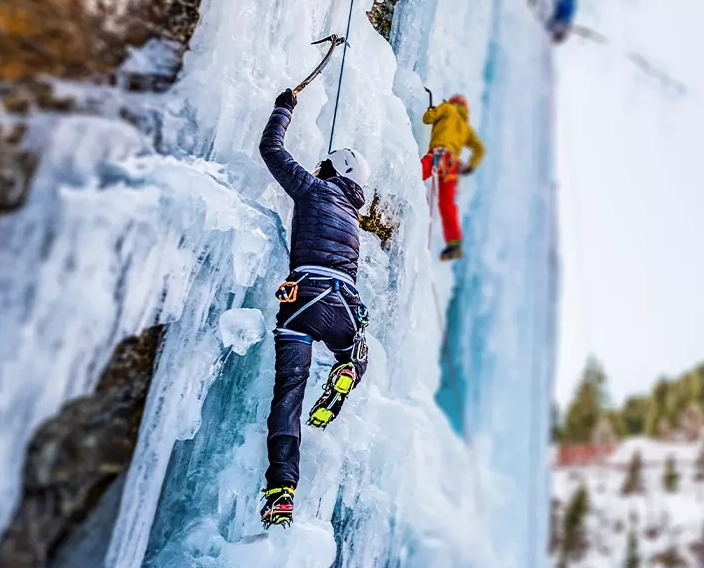
Find a Mentor or Take a Course
Self-teaching is risky. Look for certified guides or climbing schools. In the U.S., places like Ouray Ice Park in Colorado offer beginner clinics. A two-day course typically covers basics: tool placement, footwork, and belaying. It costs around $300-$500, but it's worth every penny—you'll learn faster and safer.
If you're on a budget, join a local climbing club. Many have experienced members willing to mentor. Check forums like Mountain Project for recommendations, but verify credentials.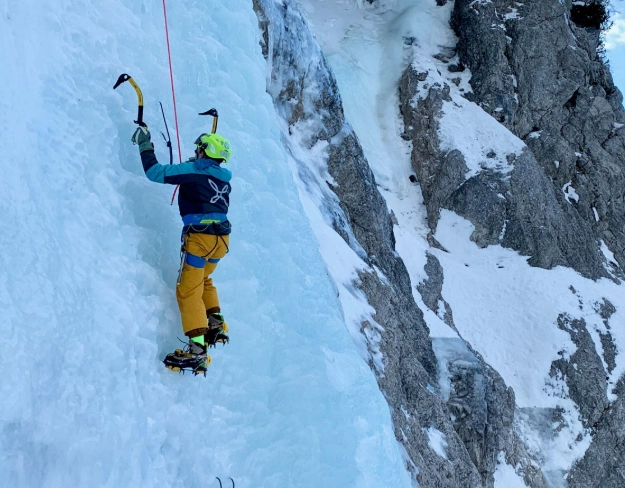
Your First Ice Climb: What to Expect
Imagine a short, low-angle ice flow. You'll practice swinging axes and kicking steps under supervision. It's messy, tiring, and exhilarating. My first climb took three hours for a 50-foot route—embarrassing, but normal. Expect sore muscles, but also a huge sense of achievement. Pack snacks and hot drinks; cold saps energy fast.
Common Misconceptions About Ice Climbing
Let's debunk some myths. Ice climbing gets a bad rap for being elitist or deadly, but that's often overstated.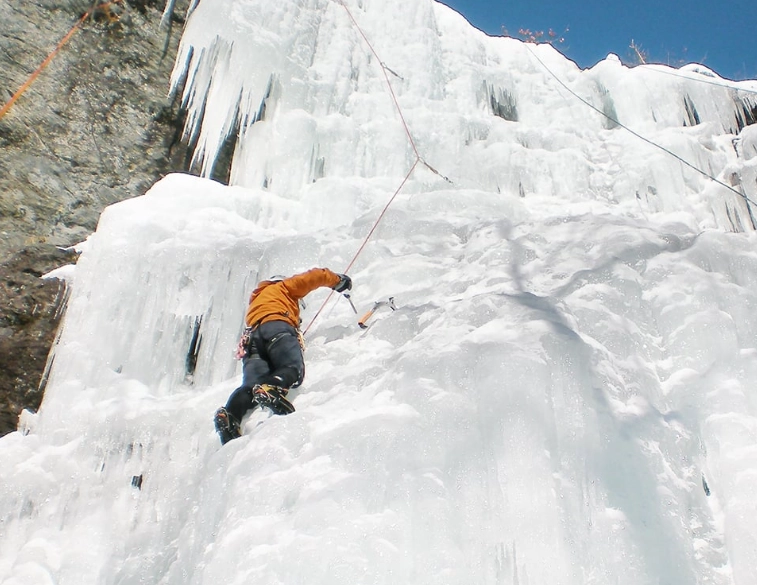
Myth 1: You need extreme cold. Not true. Ice quality trumps temperature. In some regions, like the Canadian Rockies, climbs are viable even near freezing if the ice is stable. Always assess conditions locally.
Myth 2: It's only for young, fit people. I've climbed with folks in their 60s who started late. Age matters less than health and attitude. Start slow, listen to your body.
Myth 3: Gear is prohibitively expensive. Renting cuts costs. A full kit rental for a weekend might run $100-$150. Save up for purchases over time.
Here's a non-consensus view: many guides overlook the importance of footwork drills on dry ground. Before hitting ice, practice kicking motions in boots on a soft surface. It builds muscle memory and reduces that awkward flailing beginners do. I learned this from an old-timer in Alaska, and it cut my learning curve by weeks.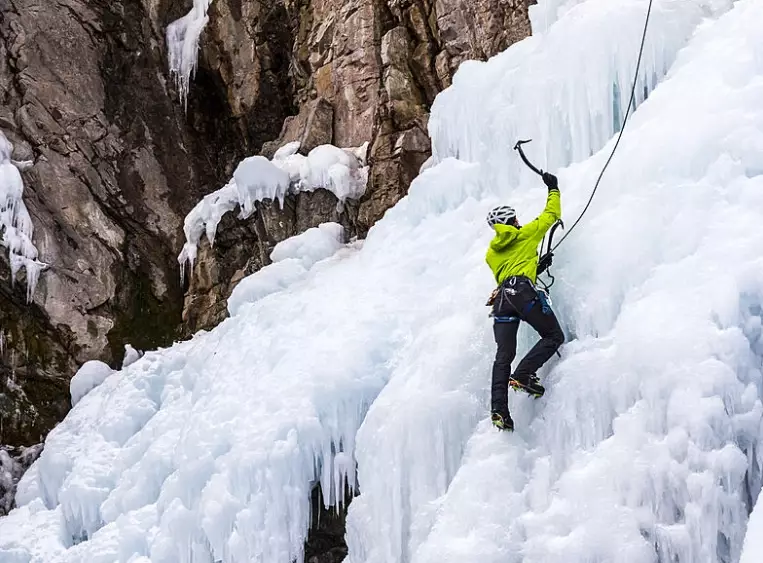
FAQ: Your Burning Questions Answered
Wrapping up, ice climbing isn't for everyone, but it's more accessible than you'd think. If you're curious, start with a course, rent gear, and take it slow. The community is supportive, and the thrill of climbing frozen water is unmatched. I still get nervous before each climb, but that's part of the appeal—it keeps you humble and alive. So, can anyone ice climb? With the right approach, maybe you can.