I remember my first time in a climbing gym. I saw people floating up walls with what looked like effortless grace. Then I got on a wall myself. I grabbed, I pulled, my arms turned to jelly in about three minutes, and I slumped onto the mat, humbled. That was over a decade ago. What I've learned since is that starting rock climbing isn't about being strong—it's about being smart. It's about knowing what gear actually matters, where to go without feeling overwhelmed, and which techniques to learn first so you don't develop bad habits. Let's skip the fluff and get into the real stuff you need to know.
Quick Navigation
How to Choose Your First Climbing Gear
Walk into a climbing shop, and the wall of shoes, racks of carabiners, and rows of colorful ropes can paralyze you. You don't need most of it. As a beginner, your shopping list is short, but getting these few items right makes all the difference.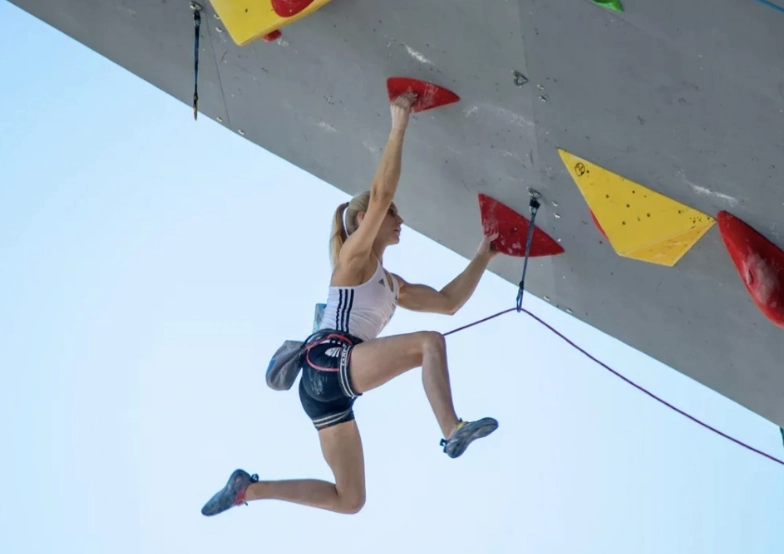
Climbing Shoes: Fit Over Fancy
Forget the pros' shoes. Look for a flat or moderately downturned profile made of synthetic or less-aggressive leather. Try them on in the late afternoon when your feet are slightly swollen. Your toes should touch the end but not be painfully curled. Brands like La Sportiva Tarantulace or Scarpa Origin are classics for a reason—they're forgiving, durable, and let you learn footwork without screaming to take them off.
Harness: The Center of Your Safety
This isn't the place to cheap out. A good beginner harness has ample gear loops (you'll grow into them), adjustable leg loops, and comfortable padding. Try it on over your climbing pants. The waist belt should sit on your hip bones, not your waist, and be snug enough that you can't pull it down. Black Diamond's Momentum or Petzl's Corax are workhorses in gyms worldwide.
Chalk and a Bag
It's not for style. Chalk (magnesium carbonate) absorbs sweat and improves grip. A simple chalk bag with a belt is all you need. Don't get a giant boulder bucket yet—you're not spending hours on outdoor boulders.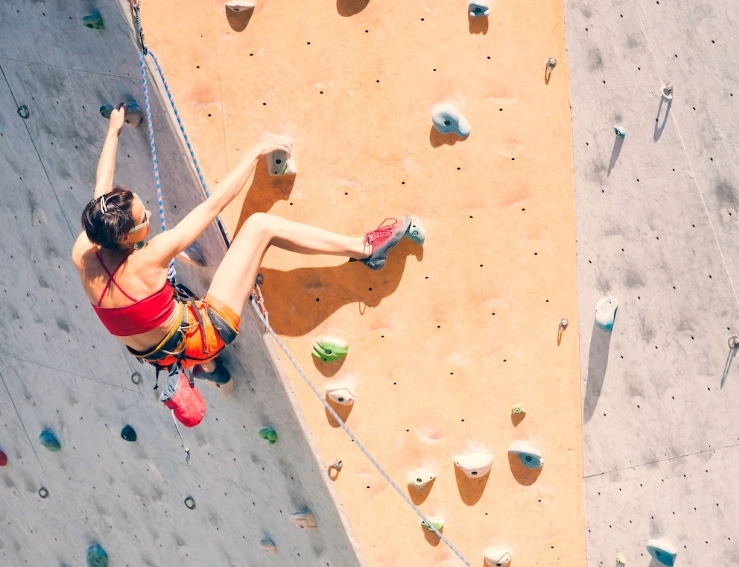
That's it for personal gear to start. The rope, quickdraws, belay devices, and helmets are typically provided or rented at gyms. Master the basics with loaner gear before investing.
Where to Start Climbing: Gyms vs. Outdoor Crags
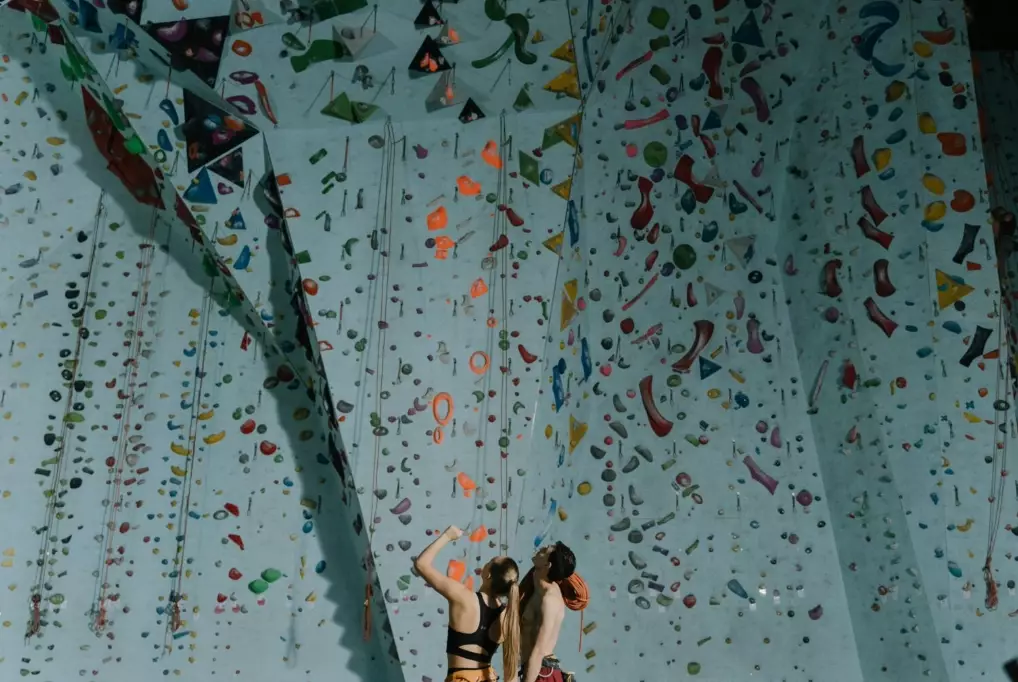
The eternal debate. My take? The gym is non-negotiable for your first steps. It's a climate-controlled, padded, instructional environment. You can try 20 different climbs in an hour, fall safely, and take a class. The outdoors is the ultimate goal for many, but it introduces variables like weather, rock quality, and complex safety systems. Build your foundation indoors.
Finding Your Local Climbing Gym
Google "climbing gym near me." Look for ones that offer an introductory "belay lesson" or "learn to climb" package. This 1-2 hour session is gold—it teaches you how to tie in, belay (secure the rope for your partner), and use the equipment safely. Most gyms require you to pass a belay test before you can climb on ropes independently.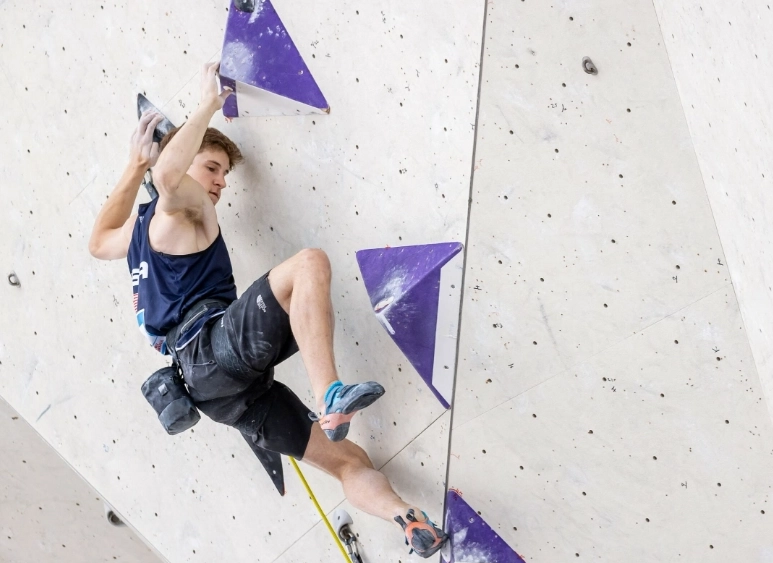
Example: A Solid Starting Gym Chain
Movement Gyms or Planet Granite (part of the El Cap family) have locations across the U.S. They're known for good beginner setups, consistent route-setting (the creation of climbs), and comprehensive intro classes. Not an ad—just a predictable, quality experience for a newcomer.
Transitioning to Outdoor Rock Climbing
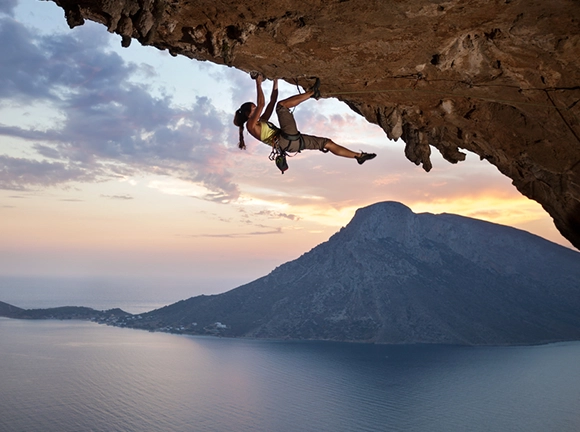
Once you're comfortable belaying and climbing in the gym, the outdoors beckons. This is where you do not go alone and you do not guess. Your first outdoor experience should be with an experienced climber who knows the area, or better yet, a certified guide from the American Mountain Guides Association (AMGA).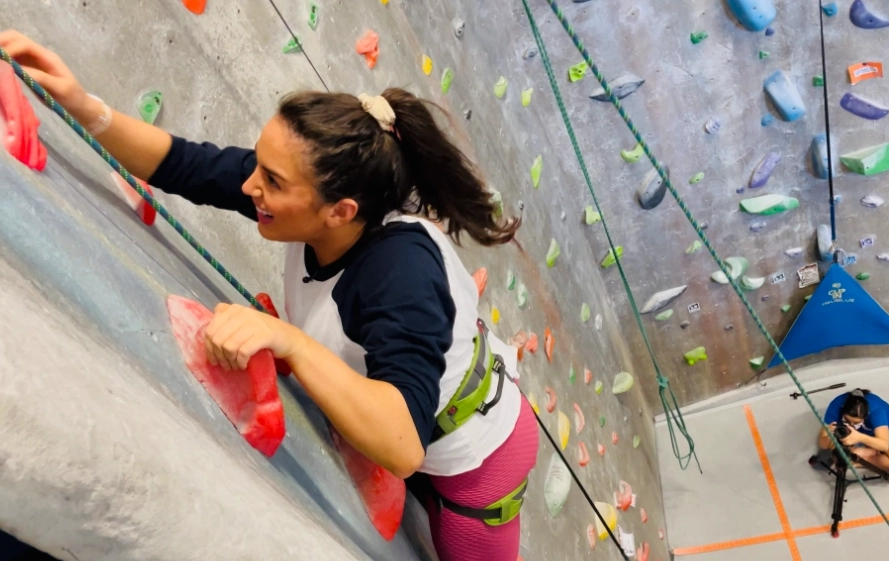
Top Beginner-Friendly Outdoor Areas in the U.S.
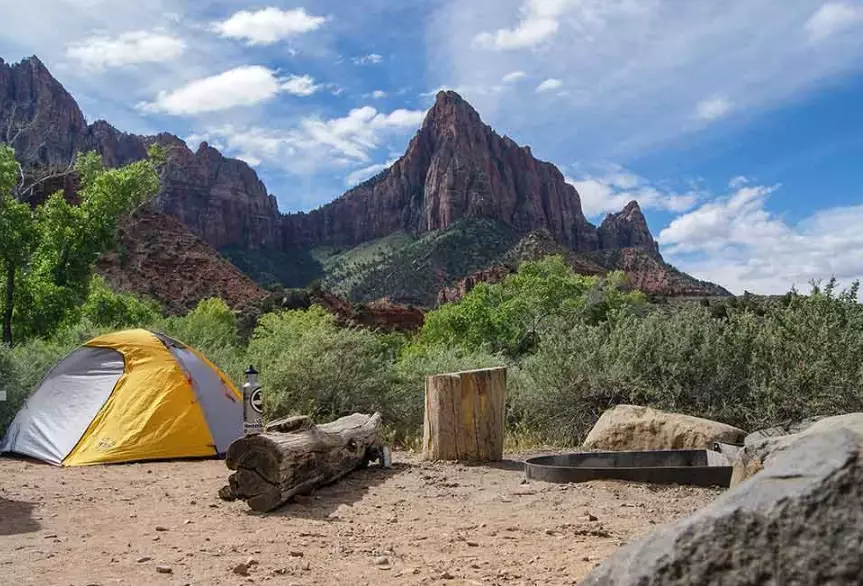
1. Joshua Tree National Park, California: A wonderland of granite. Endless short routes (called "top-ropes") perfect for learning on. The rock is rough, the grades are stiff, but the atmosphere is pure magic. Camping available in the park.
2. Red River Gorge, Kentucky: The heart of sandstone climbing in the East. While known for hard sport climbs, areas like Practice Wall and Roadside Crag offer fantastic, accessible beginner and intermediate routes. Stay in Miguel's Pizza—a climber's rite of passage.
3. Shelf Road, Colorado: Limestone cliffs with hundreds of bolted sport climbs. The approach is easy, the sun is plentiful, and the grades are clearly marked. It feels like a natural climbing gym with a much better view.
Fundamental Techniques to Master First
Climbing is a puzzle. The strength helps, but the technique solves it. Here’s what to focus on before you worry about anything advanced.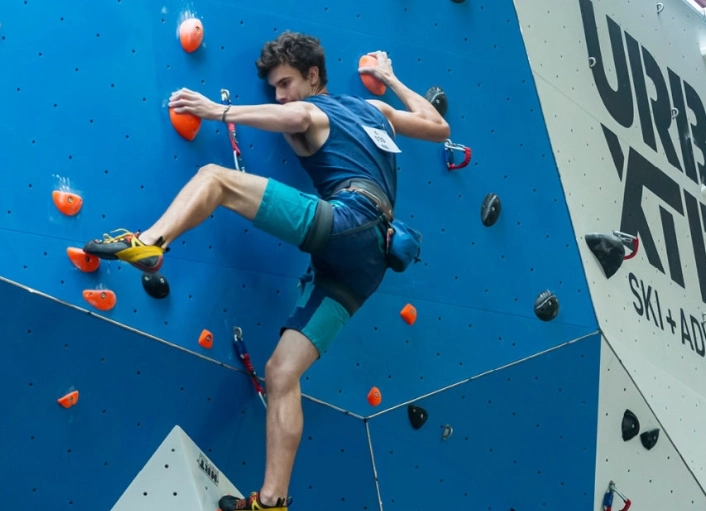
Silent Feet
This is the first drill every coach teaches. Place your foot on a hold deliberately and quietly, without scraping or readjusting. It forces precision and builds awareness of your body position. You’ll immediately climb more efficiently.
Hips to the Wall
The biggest visual giveaway of a beginner is their butt sagging away from the wall. This loads your arms. Instead, think about rotating your hips inward, keeping them close to the rock. This engages your legs—your strongest muscles—and takes weight off your arms. On vertical or slabby terrain, it’s everything.
Straight Arms
Your default arm position should be straight, not bent. Hanging on straight arms uses skeletal structure and conserves immense energy. Bend your arms only when you're ready to move. When you're resting or scanning for the next hold, let them go straight.
Practice these three things every session. They’re boring fundamentals, but they separate those who progress from those who plateau quickly.
Your Next Steps: Building a Foundation
So you've got some gear, found a gym, and are working on quiet feet. What now? Build a sustainable practice.
Climb consistently, not intensely. Two 90-minute sessions a week are far better than one exhausting 4-hour marathon. Focus on mileage—climbing lots of easier routes perfectly—before trying to project your limit.
Find a partner or community. Climbing is social. Ask at the gym front desk if they have partner-matching boards or social nights. Be the person who shows up regularly, is psyched, and is safe. Partners will follow.
Supplement with antagonist training. Climbing pulls your body inward. Push back to avoid injury. Simple push-ups, rows, and shoulder external rotations a couple times a week work wonders.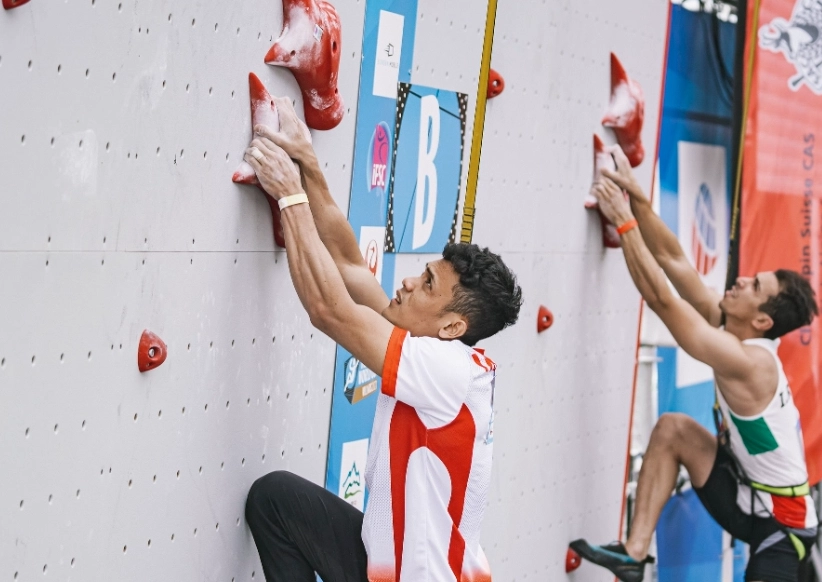
Common Questions From New Climbers
The wall isn't going anywhere. Start smart, focus on the fundamentals, and the strength and the sends will come. See you at the crag.