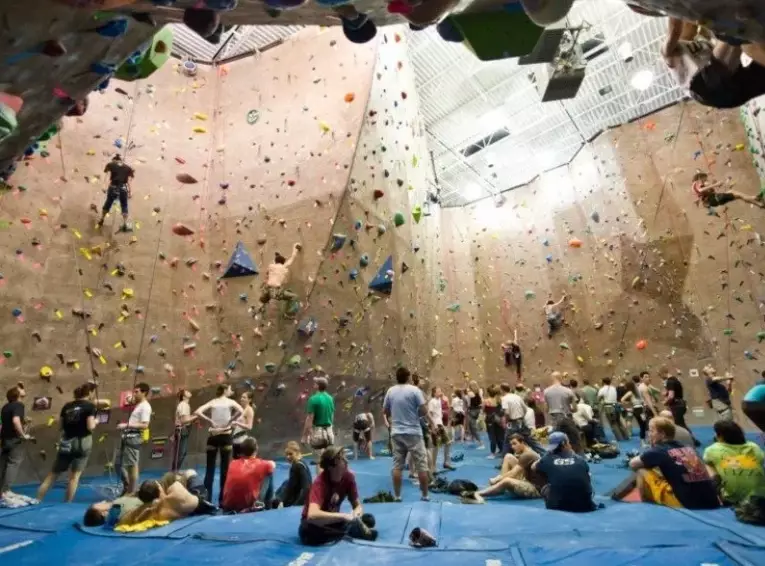
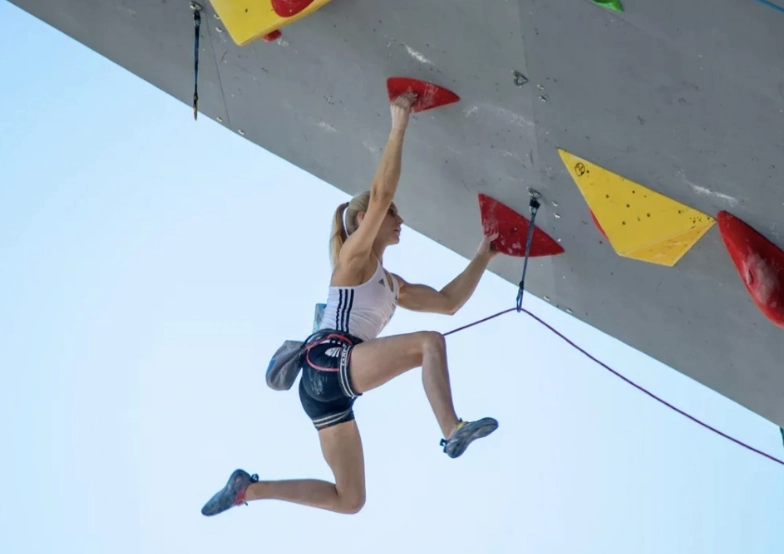
I remember my first time walking into a climbing gym. The smell of chalk and rubber hit me first. Then the sight—walls covered in brightly colored plastic blobs, people clinging to overhangs like spiders, the soft thud of someone landing on a mat. It was intimidating. I thought you needed superhuman strength. I was wrong. A decade later, after countless sessions, coaching new climbers, and making every mistake in the book, I can tell you this: indoor climbing is the most accessible, rewarding, and technically fascinating sport you can pick up. This guide is the one I wish I had. We'll skip the fluff and get into the real stuff: choosing a gym, picking gear that won't ruin your feet, and techniques that actually work.
What You'll Find in This Guide
Bouldering vs. Roped Climbing: Picking Your First Gym
Not all climbing gyms are the same. Most fall into three categories, and your choice depends on whether you want a partner or prefer to go solo.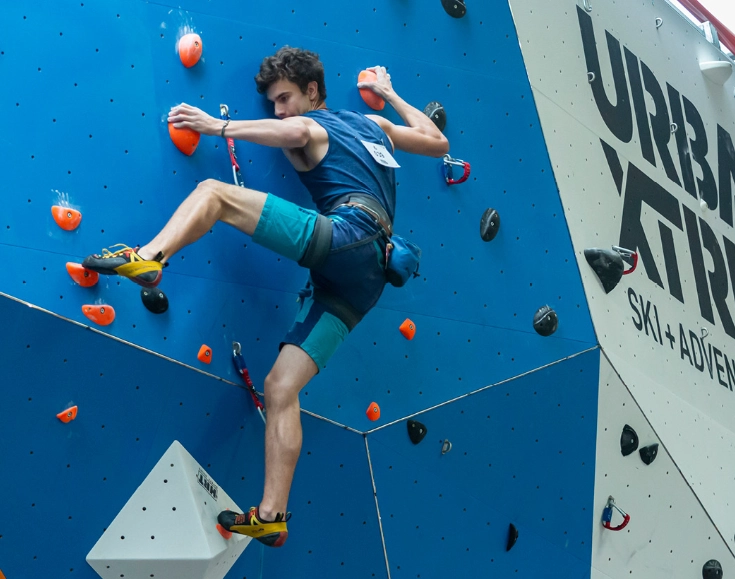
Bouldering-Only Gyms: These are my personal favorite for beginners. No ropes, no harnesses. The walls are short (usually under 15 feet), and the entire floor is a giant, padded crash mat. You climb up, you solve the puzzle of the route (called a "problem"), and you jump down. It's incredibly social—people sit around working on the same problems, giving advice. It's perfect for dropping in alone. The focus is purely on movement and power. According to industry reports, bouldering has been the fastest-growing segment of the sport, partly due to its low barrier to entry.
Full-Service Roped Gyms: These have tall walls for top-roping and lead climbing. You need a partner to hold the rope (belay you), or you can use an auto-belay device if the gym has them. This style teaches you endurance, trust, and rope management. It feels more like "traditional" climbing. The downside? You can't really do it alone unless you're on an auto-belay.
Mega Hybrid Facilities: The new trend. Huge spaces with massive bouldering areas, towering roped walls, fitness zones, yoga studios, and even cafes. They're fantastic but can be overwhelming and more expensive.
My advice for day one? Find a bouldering gym or a hybrid gym with a good bouldering section. Go during a less busy time (weekday mornings or early afternoons). Walk in, rent shoes and a chalk bag, and just start trying the easiest problems (usually marked with the largest, most jug-like holds in a specific color). Watch how others move. Don't be afraid to ask someone, "Hey, how did you do that move?" The community is 99% friendly and helpful.
The Gear You Actually Need (And What's Marketing Hype)
You can rent everything for your first few visits. But once you decide to commit, buying your own gear is a game-changer for comfort and progression. Let's break it down.
Climbing Shoes: The Most Important Purchase
This is where most beginners get it painfully wrong. Your street shoe size means nothing.
Climbing shoes are designed to be tight to give you sensitivity and power on small footholds. But there's a spectrum from "comfortable" to "aggressive performance." As a beginner, you want to be on the comfortable end. A shoe that causes excruciating pain will make you hate climbing and can damage your feet.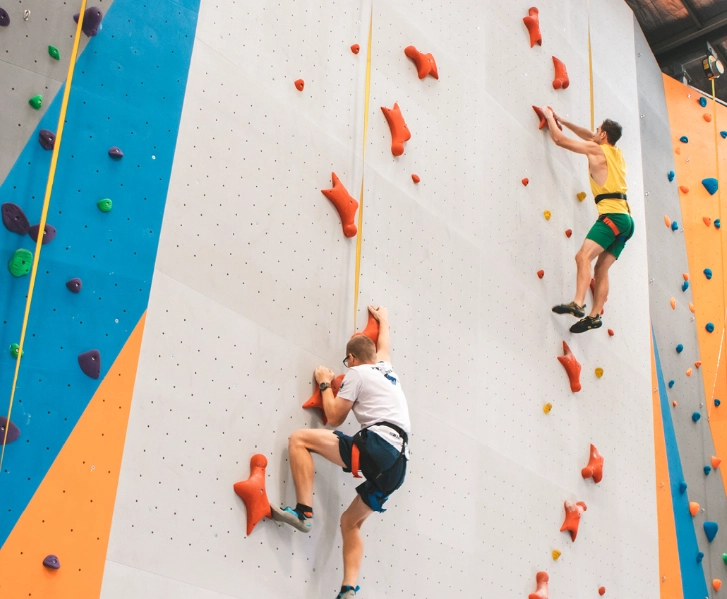
| Shoe Type | Best For | Fit Feeling | Beginner Brand Examples |
|---|---|---|---|
| Flat/Neutral Last | Beginners, all-day bouldering, comfort | Snug but not painful. Toes flat or very slightly curled. | La Sportiva Tarantulace, Scarpa Origin, Black Diamond Momentum |
| Moderate Downturn | Intermediate climbers, steeper walls | Noticeable curl, tighter heel. Comfortable for a session. | La Sportiva Finale, Scarpa Veloce |
| Aggressive Downturn | Advanced/Expert, overhangs, tiny holds | Very tight, significant pain when new. Not for beginners. | La Sportiva Solution, Scarpa Instinct VS |
The subtle mistake? People buy shoes that are too big because they're afraid of tightness. A shoe that's too big will deaden feel, allow your foot to slide inside, and make standing on small holds nearly impossible. Your heel should be locked in with no gap. When you press on the toe, you shouldn't have a ton of empty space. Leather stretches (up to a full size), synthetic stretches much less. Try on multiple brands and sizes at the end of the day when your feet are slightly swollen.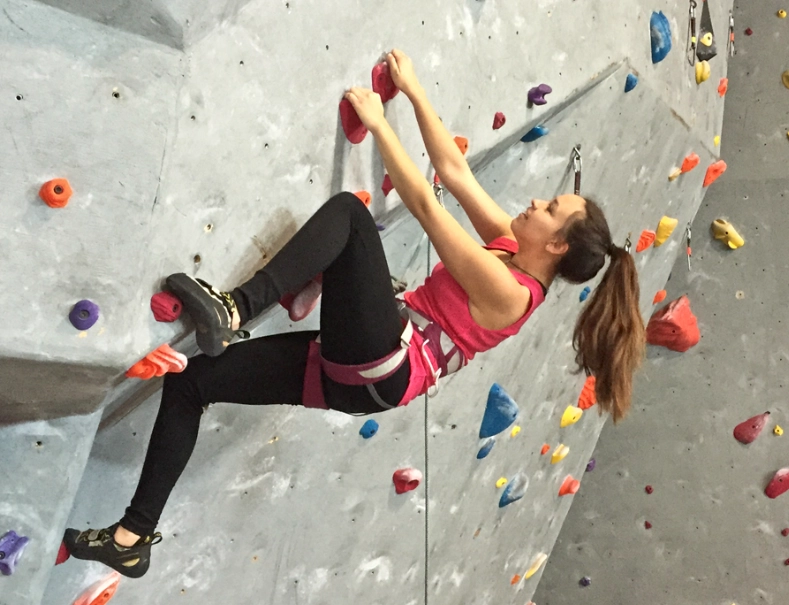
Chalk and Chalk Bags
Chalk (magnesium carbonate) keeps your hands dry. A simple chalk bag with a belt is all you need. Liquid chalk is great for a quick, even base layer, especially post-pandemic. Don't get sucked into fancy "grip-enhancing" chalks early on. Plain, loose chalk works perfectly.
Harness, Belay Device, and Rope (For Roped Climbing)
If you get into roped climbing, you'll need these. A basic, padded harness is fine. For a belay device, start with an assisted-braking device like a Petzl Grigri or an Edelrid Mega Jul. They are safer for beginners than traditional tube devices (like an ATC). The rope is a gym investment you can make later; most partners will have one.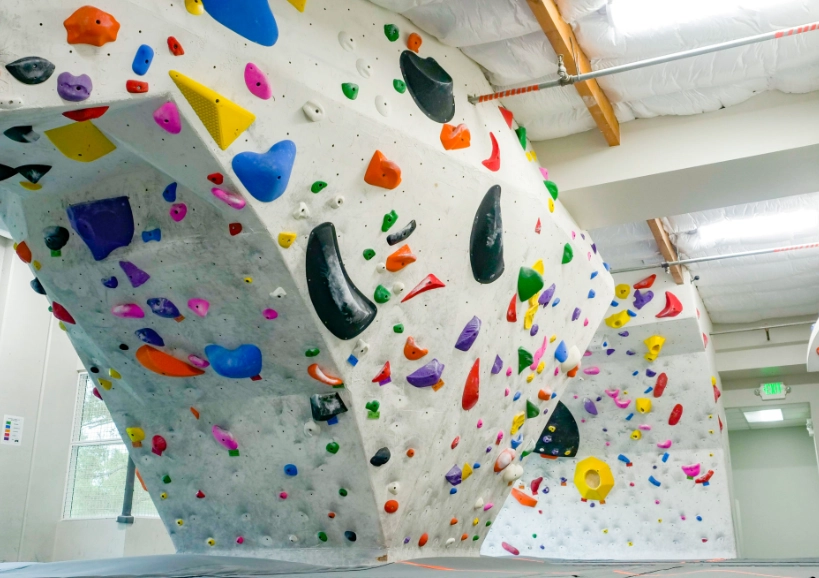
What to skip as a beginner: Finger strengtheners/grip trainers. Your tendons are not ready for them and you will risk pulley injuries. Expensive "performance" clothing. Any technical apparel works. A massive crash pad for outdoor bouldering. Worry about that later.
Bouldering Basics: It's All in the Feet
New climbers look at their hands. Experienced climbers look at their feet. Your legs are far stronger than your arms. The goal is to use your arms primarily for balance and positioning, letting your legs push you up the wall.
Quiet Feet: When you place your foot on a hold, do it precisely and quietly. No scraping or stomping. This builds control and accuracy.
Using Your Toes: The front of your shoe, near the big toe, is your primary contact point. Don't plant your arch on a hold. Point your toe and press.
Flagging: This is the first real technique you should learn. When reaching for a hold with one hand, often your body swings out (the "barn door" effect). To counter this, swing the opposite leg out to the side, like a flag, to balance your weight. It feels unnatural at first but becomes automatic.
I see climbers trying to do dynamic jumps ("dynos") before they can do a basic flag. Master the fundamentals. Climb the easiest problems in the gym, but climb them perfectly—silent feet, straight arms, controlled movement.
Training, Progression, and Common Finger Injuries
You want to get stronger. The fastest way is consistency—climbing 2-3 times a week. But the fastest way to get injured is doing too much, too soon.
Your finger flexor tendons and the pulleys that hold them to the bone are the weak link. They take months to adapt to the intense loads of climbing. The most common beginner injury is a pulley strain or rupture, often from cranking on small "crimp" holds.
The 10-Year Tip: For your first 6 months, avoid hanging on small, sharp "crimp" holds with your fingers bent at 90 degrees. Focus on open-handed grips and "sloper" holds (the big, round, featureless ones). If you feel a sharp, tweaky pain in a finger joint, stop climbing immediately. Ice it, rest for a few days, and see a physio if it persists. Trying to climb through finger pain is a recipe for a 6-month setback.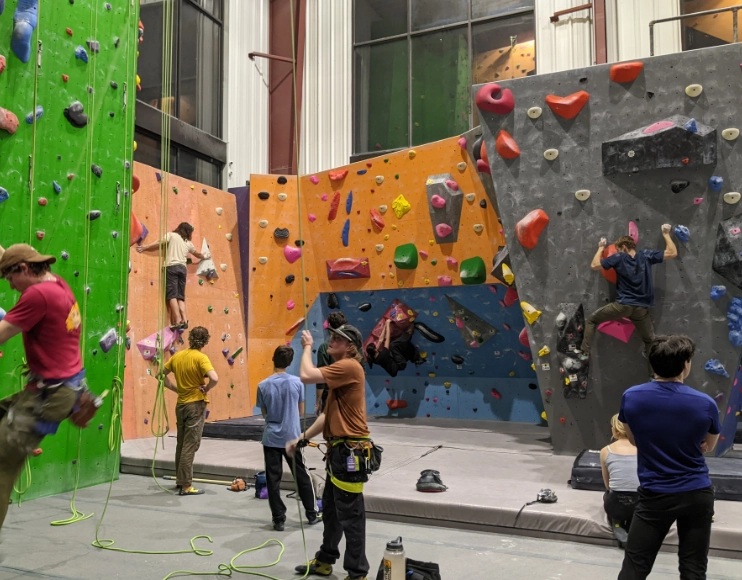
Supplemental training? Yes, but keep it simple.
- Antagonist Training: Push-ups, rows, and reverse wrist curls. Climbing pulls your shoulders in; you need to push them back to avoid hunched posture and shoulder injuries.
- Core: Not for six-pack abs, but for connecting your lower and upper body on the wall. Planks, hollow body holds, and leg raises are perfect.
- Pull-Ups? Hold off until you've been climbing for a few months. Your tendons need to catch up to your lat strength.
The Social Side and Your Next Steps
Climbing is not a solo sport for long. You'll start recognizing faces. You'll ask for beta (advice on how to do a move). You might join a gym's beginner league or a "meet-up" night. This community is your greatest resource.
When you're consistently sending V2/V3 boulder problems or 5.10 top-rope routes comfortably, you might think about the next step.
Outdoor Transition: This is a big leap. Do NOT go alone. Hire a certified guide (find one through the American Mountain Guides Association or your local equivalent) or go with experienced friends. Outdoor rock is different—the holds are real, the protection is your responsibility, and the ethics are crucial (like cleaning chalk marks and not damaging vegetation).
For now, just enjoy the process indoors. Master the movement. Enjoy the puzzle. Celebrate the small wins—that problem you've been projecting for weeks finally going down.
The wall is always there, and it always has a new challenge.