Let's be honest. When you picture backpacking Europe, you probably see a montage from a movie: carefree laughter on a train, instant friends in a hostel, stunning vistas with no one else around. The reality is messier, more exhausting, and infinitely more rewarding. It's not just about saving money; it's about trading comfort for a kind of freedom you can't get any other way. This guide won't sell you a fantasy. It's the stuff I wish someone had told me before my first trip—the practical, slightly cynical, but always honest advice from someone who's made the mistakes so you don't have to.
Your Jump-Start to Backpacking Europe
The Backpacker Mindset: It's Not a Vacation
This is the most important thing to grasp. A vacation is about relaxation. Backpacking is an expedition. You're a project manager, logistics coordinator, and chief experience officer for your own life. Some days will be magical. Others, you'll be standing in the rain at a closed train station, wondering why you ever left home.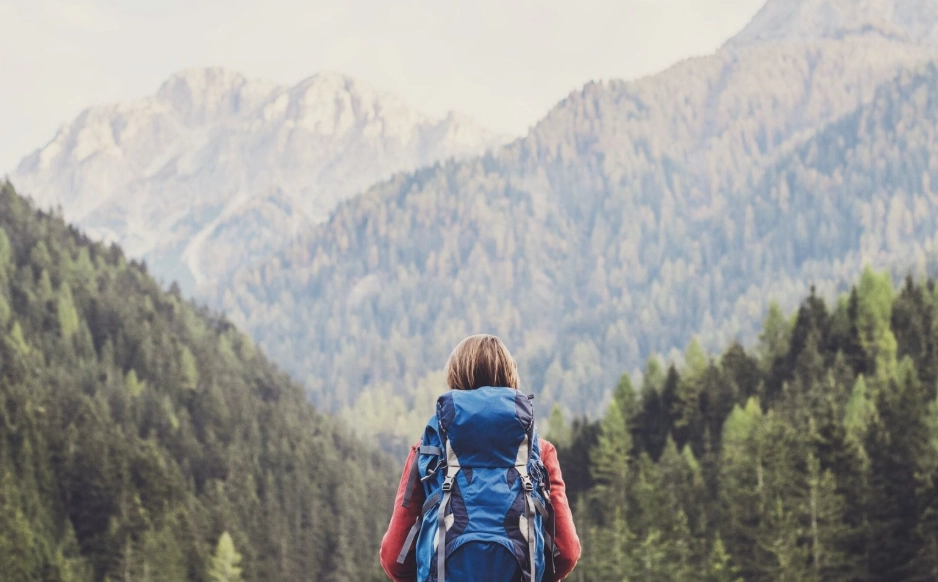
The goal isn't to tick off every major monument. It's to have a story. That story might be about getting lost in a non-touristy neighborhood in Naples and finding the best pizza of your life, or about the hilarious misunderstanding with a grumpy pension owner in rural Croatia.
The Nuts and Bolts: Itinerary, Budget, Sleep, Transport
Okay, let's get practical. Dreams need a spreadsheet.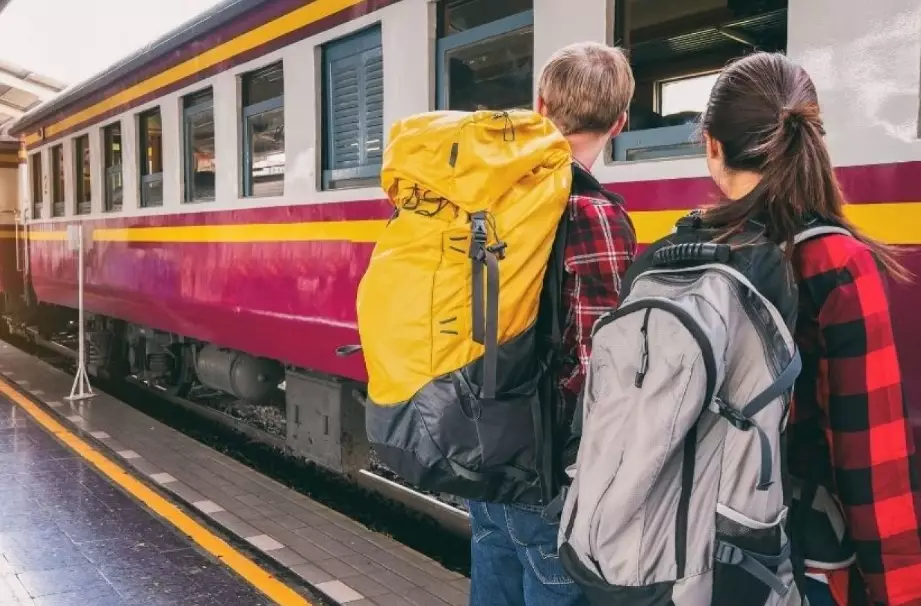
Building a Realistic Backpacking Europe Itinerary
First-timers try to see 12 countries in 14 days. Don't. You'll spend your entire trip on trains and in stations. Slow down. Pick a region. For a classic first trip, a Western Europe loop works well.
A Sample 2-Week Starter Route: London (3 nights) → Eurostar to Paris (3 nights) → Overnight train or flight to Berlin (3 nights) → Train to Prague (3 nights) → Train to Vienna (2 nights). This gives you a mix of iconic cities and manageable travel days. Want something sunnier? Try Barcelona → South of France (Nice/Marseille) → Northern Italy (Cinque Terre/Florence).
The Backpacker Budget: Where Does the Money Really Go?
Forget the "$50 a day" myth from 2010. According to price tracking from sources like Eurostat and Numbeo, costs have climbed, especially in Western Europe. Here’s a more realistic daily breakdown for a budget-conscious traveler in 2024:
| Category | Western Europe (e.g., France, Germany) | Eastern Europe (e.g., Czechia, Hungary) |
|---|---|---|
| Hostel Dorm Bed | €30 - €55 | €15 - €30 |
| Food (Groceries/Eating Out Mix) | €20 - €35 | €12 - €25 |
| Local Transport & Activities | €15 - €25 | €8 - €15 |
| Inter-city Travel (Averaged Daily) | €20 - €40 | €15 - €30 |
| Realistic Daily Total | €85 - €155 | €50 - €100 |
Your biggest lever for saving money is location and pace. Spending more time in Eastern or Southern Europe stretches your budget. Cooking one meal a day in a hostel kitchen is a game-changer.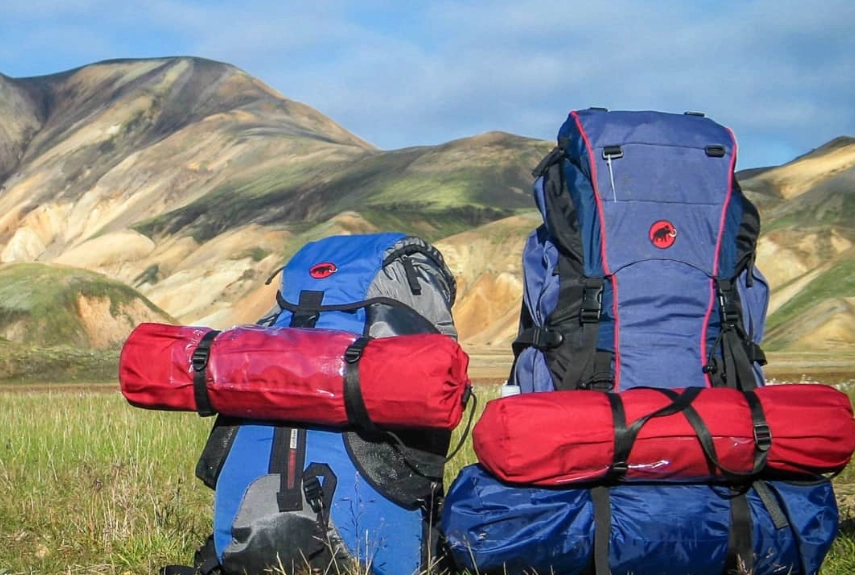
Sleeping: Hostels Are Your University
Hostels aren't just cheap beds; they're your social and information network. Use sites like Hostelworld. Read the reviews—not just the ratings. Look for comments about the atmosphere (party vs. quiet), kitchen facilities, and security.
- Pro Tip: Book the first night or two in a new city. This guarantees you a place to crash when you're tired. After that, you can often extend in person, sometimes at a cheaper rate, or move to another hostel you hear about from other travelers.
- Alternative: Don't overlook guesthouses (pensions) in smaller towns or platforms like Airbnb for a private room, which can be comparable in price to a hostel private room if you're splitting with a friend.
Getting Around: Trains, Buses, and Blisters
Trains: The classic experience. For extensive travel, a Eurail Pass can make sense, but do the math. Often, booking point-to-point tickets in advance (on official sites like SNCF for France or Deutsche Bahn for Germany) is cheaper. Seat61.com is the bible for train travel planning.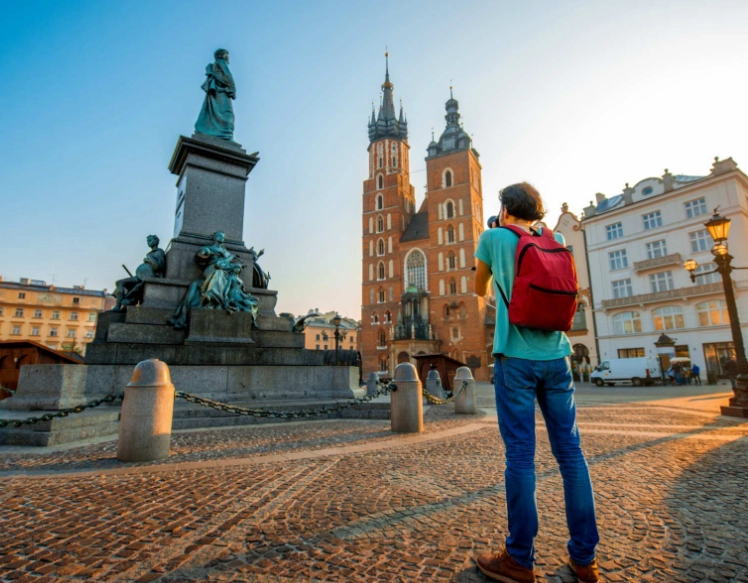
Buses: Companies like FlixBus and RegioJet are the undisputed budget kings. They're significantly cheaper than trains, sometimes have wifi, and cover routes trains don't. The trade-off is time and (sometimes) comfort.
Planes: For longer hops (e.g., Barcelona to Berlin), budget airlines like Ryanair and EasyJet can be cheaper and faster. Mind the baggage fees and the often far-flung airports.
Your feet: Your primary transport. Invest in good socks.
How to Pack a Backpack (Without Losing Your Mind)
I once met a guy carrying a 70-liter pack stuffed with three pairs of jeans and a hardcover book. He looked miserable. Your backpack should be 40-50 liters max. You need to be able to walk 20 minutes with it from the station to the hostel without wanting to die.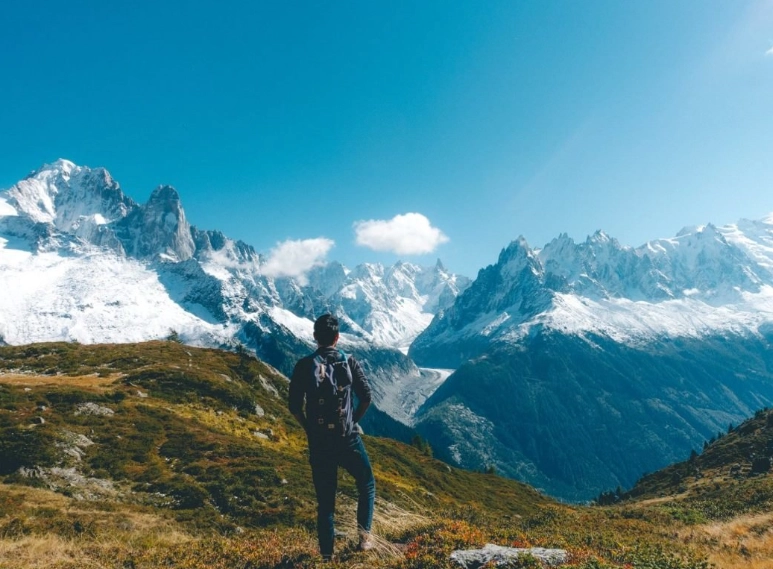
The Core Philosophy: Lay out everything you think you need. Now put half of it back. You will wear the same three shirts on rotation. Everyone does.
- Clothing: Quick-dry fabrics are your friend. One pair of versatile pants, one pair of shorts, 3-4 tops, a lightweight sweater, a packable rain jacket. Merino wool socks and underwear are worth the investment—they smell less.
- Shoes: One pair of incredibly comfortable, broken-in walking shoes. That's it. Maybe flip-flops for showers.
- Tech: Universal adapter, power bank, headphones. A kindle or tablet beats five books.
- Essentials: Microfiber towel, padlock, reusable water bottle, a small first-aid kit, earplugs (non-negotiable for hostel dorms).
Pack using packing cubes. It's not just organization; it's sanity when you're searching for a clean shirt at the bottom of your bag at 11 PM.
Staying Sane, Safe, and Social on the Road
The logistics are one thing. The mental game is another.
Combatting Travel Fatigue: It's real. You'll get tired of churches, museums, and even your own company. Schedule a "do nothing" day every 7-10 days. Watch Netflix in the hostel common room. Go to a park and read. Recharge.
Safety: Europe is generally safe, but petty theft is rampant in tourist hubs. Be smart. Don't flash expensive gear. Use a money belt or a hidden pouch for your passport and backup cards. In hostels, use your locker. But also, don't be paranoid. The risk is managed by simple habits.
Meeting People: This is the best part. Hostel common rooms and organized activities (free walking tours, pub crawls) are ground zero. Be open, say hello. A simple "Where are you headed next?" is the universal backpacker icebreaker. Some of my closest friends today are people I shared a dorm with in Edinburgh over a decade ago.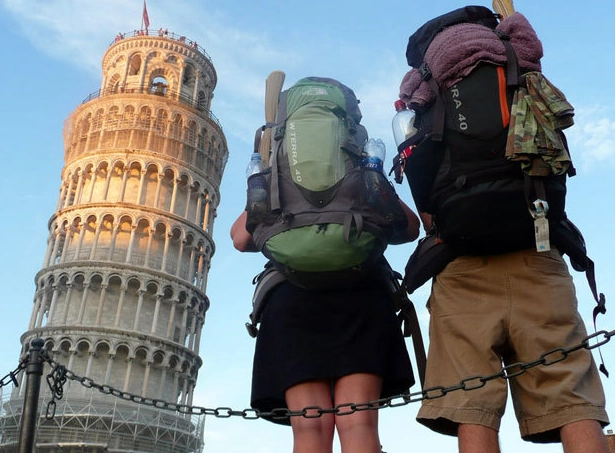
Your Burning Backpacking Questions, Answered
How can I avoid getting my stuff stolen while backpacking in Europe?
Is backpacking Europe alone a bad idea, especially for a solo female traveler?
What's the one thing most first-time backpackers overpack?
Are there any legit free things to do in expensive European cities?
The final piece of advice? Just go. You will overpay for a mediocre meal. You will miss a train. You will get a little homesick. And you will come back with stories, perspectives, and a confidence that no all-inclusive resort can ever provide. Backpacking Europe is less about the places you see and more about the person you become figuring it all out along the way. Now start planning.