In This Guide
- Why Boating in a National Park is Different
- Top National Parks for Boating (And What Makes Them Special)
- The Step-by-Step Planning Process (Don't Skip Anything)
- Answers to Questions You Were Afraid to Ask (The FAQ)
- My Personal Rant: The Things Nobody Talks About
- Wrapping It Up: The Mindset for a Great Trip
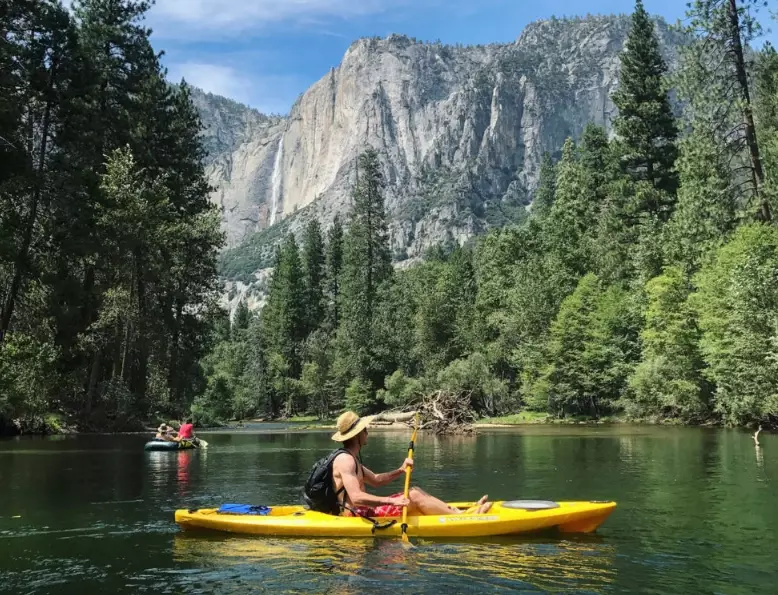
Let's be honest, the idea of boating in a national park sounds incredible. Gliding across a mirror-like lake with towering mountains all around, or paddling through a quiet mangrove channel hoping to spot a manatee. It's the kind of experience that sticks with you. But between the dream and the reality sits a whole bunch of logistics, rules, and "what-ifs" that can turn excitement into anxiety real fast.
I've been there. I've shown up with a kayak only to find out I needed a permit I didn't know about. I've underestimated how cold a glacier-fed lake can be in July. It's not fun. So, let's walk through this together. This isn't a dry manual; it's a chat from someone who's made the mistakes so you don't have to. We'll talk about where to go, what you absolutely need to know before you go, and how to make sure your national parks boating trip is pure joy, not a headache.
Why Boating in a National Park is Different
Boating on your local reservoir is one thing. National parks boating is a whole different ball game. These places are protected for a reason – for the wildlife, the ecosystems, and for future generations. The rules aren't there to ruin your fun; they're there to protect all that. It means you might need a permit (often called a "boating permit" or "vessel permit"). It means there could be strict cleaning requirements to stop invasive species. Some lakes only allow electric motors. Others ban gasoline engines entirely.
You can't just assume your usual routine will fly. Checking the specific park's website is non-negotiable. Trust me, a ranger's disappointed sigh when you're not in compliance is worse than any fine.
The biggest mistake people make is treating all national parks the same. The rules for boating in Everglades National Park (think: airboats, mangroves, alligators) are worlds apart from those in Glacier National Park (think: cold, deep lakes, grizzly bears). Always, always start with the individual park's official boating page.
Top National Parks for Boating (And What Makes Them Special)
Alright, let's get to the good stuff. Where should you go? Here's a breakdown of some iconic spots for national parks boating, each with its own flavor.
| Park Name | Type of Boating Vibe | Key Thing to Know | My Personal Take |
|---|---|---|---|
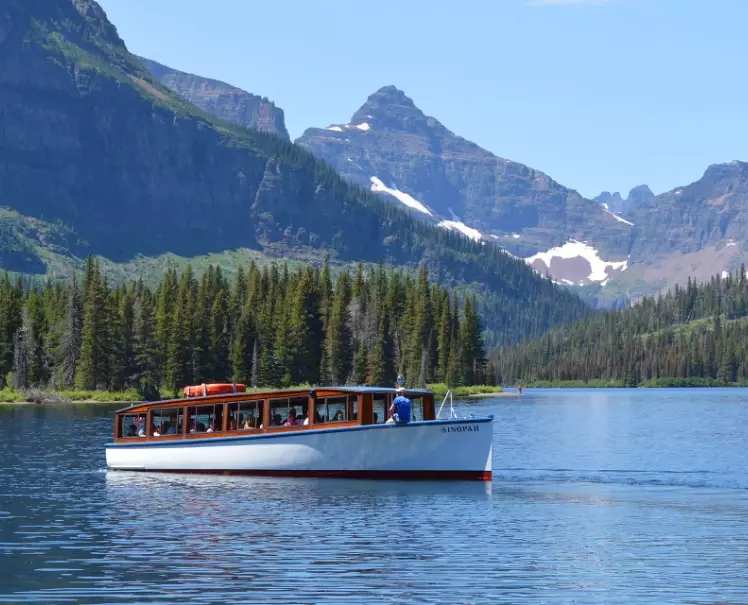
| Glacier National Park, Montana | Serene, mountain-reflected lakes (Lake McDonald, St. Mary Lake). Mostly kayaks, canoes, rowboats. Some motorboats with restrictions. | Water is cold year-round. Hypothermia risk is real, even on hot days. Mandatory watercraft inspection for invasive species. | Unbelievably beautiful. Paddling here feels like you're in a postcard. But the wind can come out of nowhere on the bigger lakes, making the paddle back brutal. |
| Everglades National Park, Florida | Vast, maze-like waterways (Florida Bay, mangrove tunnels). Powerboats, kayaks, canoes, and iconic airboats (in specific areas). | Complex tidal movements. You can get lost easily. A detailed nautical chart and GPS are essential. Watch for submerged oyster beds! | A unique wilderness experience. Seeing dolphins and manatees from your kayak is magical. The bugs, however, are next-level. Bring the strongest repellent you can find. |
| Lake Powell, Glen Canyon NRA (Arizona/Utah) | Houseboating paradise amidst red rock canyons. Powerboats, water sports, kayaking into side canyons. | Massive lake with changing water levels. Fuel and supplies can be far apart. Requires careful trip planning. | Incredible for a multi-day group trip on a houseboat. Waking up in a secluded cove is unbeatable. It gets extremely crowded in summer, which can kill the remote vibe. |
| Acadia National Park, Maine | Coastal and inland pond boating. Kayaking along rocky shores, canoeing on quiet ponds like Long Pond. | Ocean conditions change rapidly. Fog is common and dangerous. For ocean kayaking, experience and a guide are highly recommended. | The ponds are peaceful and perfect for beginners. The ocean side is for experts only. The water is chilly, even in August. |
| Voyageurs National Park, Minnesota | A network of interconnected lakes. The ultimate park for a canoe or houseboat camping trip. You travel by water to your campsite. | True water-based park. You need a boat to see most of it. Permits required for overnight stays at specific water-access sites. | If you want to feel like a fur trader explorer, this is it. The silence is profound. The mosquitoes in June and July are also profound. Plan for late summer if bugs bother you. |
See what I mean? Each park asks for a different kind of preparation. A successful national park boating trip starts with matching your skills and desires to the right place.
The Step-by-Step Planning Process (Don't Skip Anything)
Here's how to plan your trip without missing a crucial step. Think of it as a checklist you can come back to.
Phase 1: Research & Permits (The Boring But Critical Part)
First, pick your park. Then, go straight to the source: the National Park Service (NPS) website for that specific park. Search for "boating" on their page. This is where you'll find the official, un-disputable rules.
What are you looking for?
- Boating Permits: Is one required? Is it free, or is there a fee? Can you get it online, or only in person? For example, Glacier National Park's boating page clearly outlines its permit and inspection process.
- Boat Inspections: Many parks in the western U.S. require a mandatory inspection for aquatic invasive species (like quagga mussels). Your boat must be clean, drained, and dry. Sometimes this inspection is part of the permit process.
- Vessel Regulations: Horsepower limits? Electric motors only? Are personal watercraft (Jet Skis) allowed? (Spoiler: They are banned in most national parks).
Pro Tip: Bookmark the park's official boating page on your phone. You'll want to reference it while planning and maybe even have it handy during your trip if a question comes up.
Phase 2: Safety & Skills (The "Come Home Alive" Part)
This is where you get real with yourself. National park waters are often remote, with limited cell service and slower emergency response.
Life Jackets (PFDs): This isn't a suggestion. The U.S. Coast Guard requires a wearable life jacket for each person on board. In many national parks, children under a certain age (often 13) must wear it at all times while on the water. Just having it in the boat isn't enough. Get a comfortable one you'll actually wear. I prefer the inflatable belt-pack styles for kayaking—they're less bulky.
Other safety musts:
- Weather Awareness: Mountain and coastal weather is fickle. Afternoon thunderstorms are common in the Rockies. Fog can roll in on the coast in minutes. Check the forecast, but also know how to read the sky.
- Communication: Tell someone your detailed float plan: where you're launching, your route, and when you expect to return. Consider a satellite messenger or personal locator beacon (PLB) for true backcountry boating.
- Cold Water Preparedness: I'll say it again. A 75-degree air day does not mean the water is warm. In many parks, the water stays dangerously cold. A sudden capsize can lead to cold water shock and hypothermia in minutes. Dress for the water temperature, not the air temperature. A wetsuit or drysuit might be necessary.
The U.S. Coast Guard Boating Safety Resource Center is an excellent place to brush up on general safety rules and take a free boating safety course, which is now required in many states.
Phase 3: Gear & Packing (What to Actually Bring)
Beyond your boat and PFD, here's a consolidated list of what often gets forgotten:
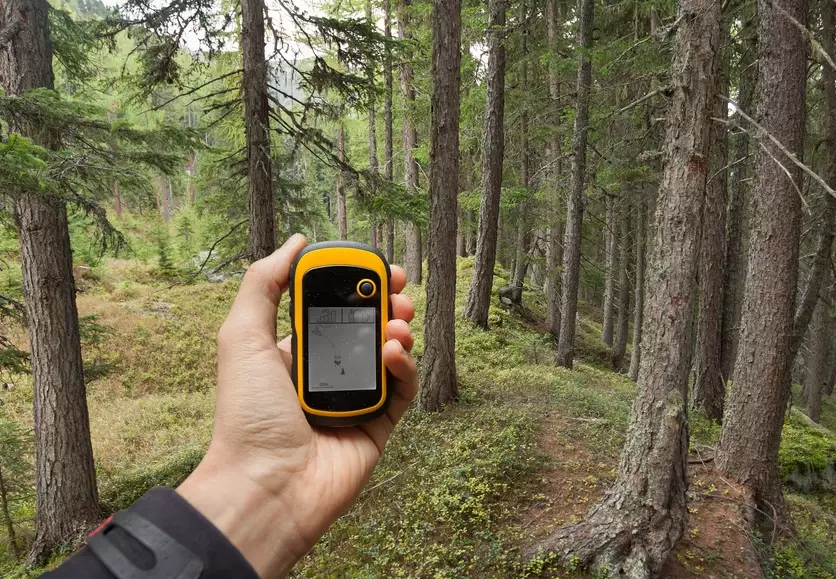
- Navigation: Waterproof map/chart of the lake or waterway and a compass. Don't rely solely on your phone's GPS.
- Repair Kit: Duct tape, a multi-tool, a spare paddle (for paddlers), a plug for your boat.
- Sun & Hydration: The sun is brutal on the water. Polarized sunglasses, a wide-brimmed hat, sunscreen (reef-safe if in ocean waters), and more water than you think you need.
- Dry Bags: Multiple sizes. Keep your phone, keys, wallet, and extra layers dry. A wet sweater is useless when the temperature drops.
- Wildlife Considerations: Bear canister if camping in bear country (yes, even on an island). A simple whistle to make noise on blind river corners.
Packing for a day of national parks boating is an art. You're balancing preparedness with not overloading your vessel. It gets easier with experience.
Answers to Questions You Were Afraid to Ask (The FAQ)
Let's tackle some specific things people google but might not find a straight answer to.
I learned the hard way about boat-access camping permits. I drove 10 hours to Voyageurs once, assuming I could get a permit. They were sold out for a week. I ended up staying at a pricey hotel outside the park, staring sadly at the water. Book your permits first, then plan the rest of your trip.
My Personal Rant: The Things Nobody Talks About
Let's get real for a second. The Instagram shots don't show the whole story.
Crowds. The most beautiful boat launch in the most popular park at 11 AM on a Saturday in July is a nightmare. It's a parking lot full of trailers, people struggling to launch, and noise. My number one tip for national parks boating? Go early. I mean, sunrise early. You'll have the water to yourself for a few golden hours, and the light is amazing. Or go in the shoulder season (late May, September). The water might be colder, but the solitude is worth it.
Cost. It adds up. Park entrance fee. Boating permit fee. Boat inspection fee. Trailer parking fee. Gas for the boat. Rental costs if you're not bringing your own. It's not a cheap day out. But when you're out there, it often feels priceless.
Decision Fatigue. With so many rules and so much gear, it's easy to get overwhelmed. That's why I break it down into phases. Handle the permits first. Once that's locked in, focus on safety. Then, pack. One step at a time.
Wrapping It Up: The Mindset for a Great Trip
At the end of the day, successful national parks boating comes down to mindset. It's about embracing the planning as part of the adventure. It's about respecting the rules because they protect the very beauty you came to see. It's about self-reliance and being prepared for the conditions, not just the postcard photo.
Start with the official NPS website for your chosen park. Get your permits squared away. Pack your safety gear first, then your comfort gear. Manage your expectations about crowds. And then, when you're finally on the water, let all that prep work fade away. Just listen to the dip of your paddle, watch the light play on the waves, and soak it in. That feeling—that's the whole point.
It's a bit of work to get it right, but I've never met anyone who, after a well-planned day on the water in a national park, said it wasn't worth it. Happy boating.