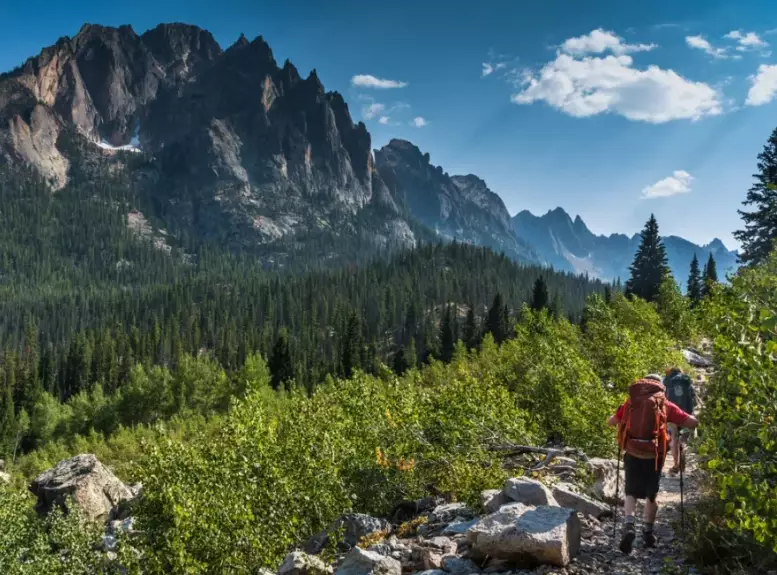
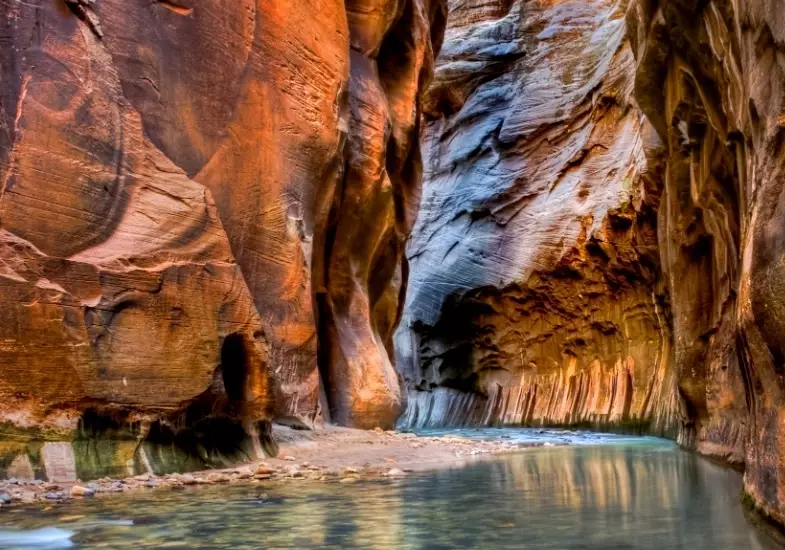
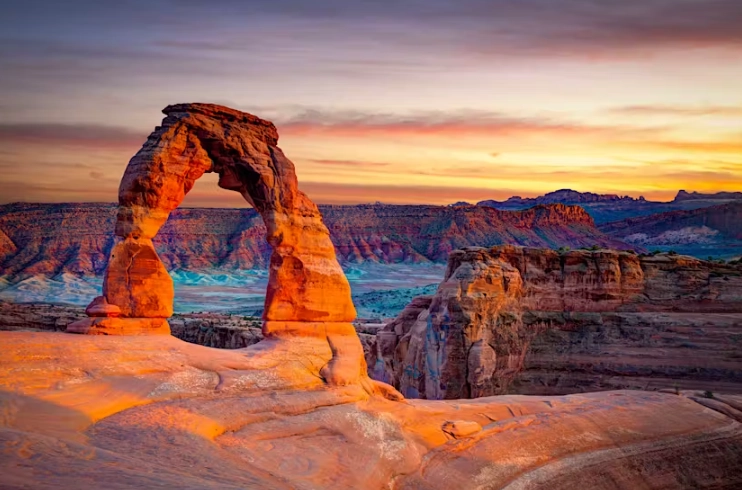
You see the photos. Dramatic mountain passes, tiny tents under vast skies, weary but smiling faces at a summit. That's trekking. But what is it, really? At its core, trekking is a multi-day, self-sufficient hiking journey through often remote and challenging terrain. It's not a stroll in the park. It's a deliberate immersion into a landscape, where your backpack becomes your home and the trail your temporary address.
I remember my first real trek in Nepal's Annapurna region. I thought I was a seasoned hiker. I was wrong. On day three, staring at a climb that seemed to go straight up, with a pack that felt like it was filled with rocks, the difference between a day hike and a trek became painfully, beautifully clear. Trekking strips away the comforts and forces a slower, deeper connection with a place. It's travel measured in footsteps, not miles per hour.
What You'll Discover in This Guide
Trekking vs. Hiking: The Crucial Difference
Let's clear this up first, because it's the question everyone has. Hiking and trekking are siblings, not twins.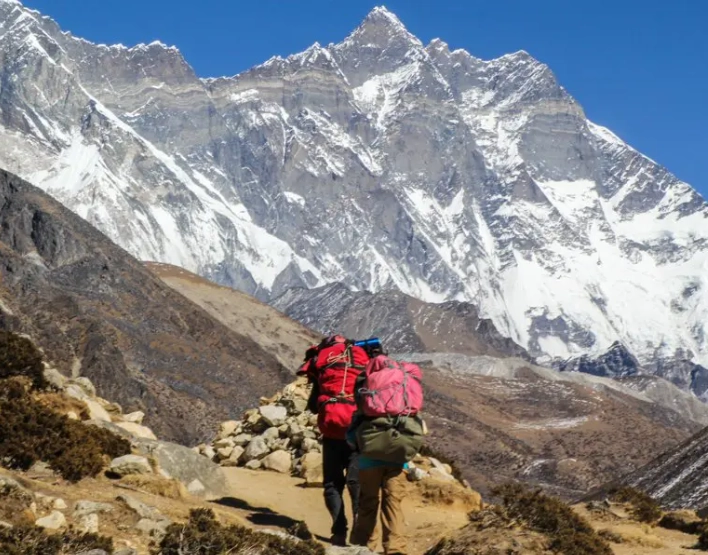
Hiking is what you do on a Saturday. You drive to a trailhead, walk a loop for a few hours, maybe have a picnic, and drive home. You carry a light daypack with water, snacks, and a rain jacket. The U.S. National Park Service defines countless day-hiking trails perfect for this.
Trekking is a commitment. It's an overnight or multi-day journey where you carry your shelter (tent, hammock), sleep system (sleeping bag, pad), food, cooking gear, and all the supplies needed to be self-sufficient. The environment is often more remote, the distances longer, and the physical and mental challenge greater. You're not visiting the wilderness; you're living in it temporarily.
Why Do People Trek? The Pull of the Trail
It's hard, sometimes miserable (cold rain, blisters, that one relentless uphill). So why?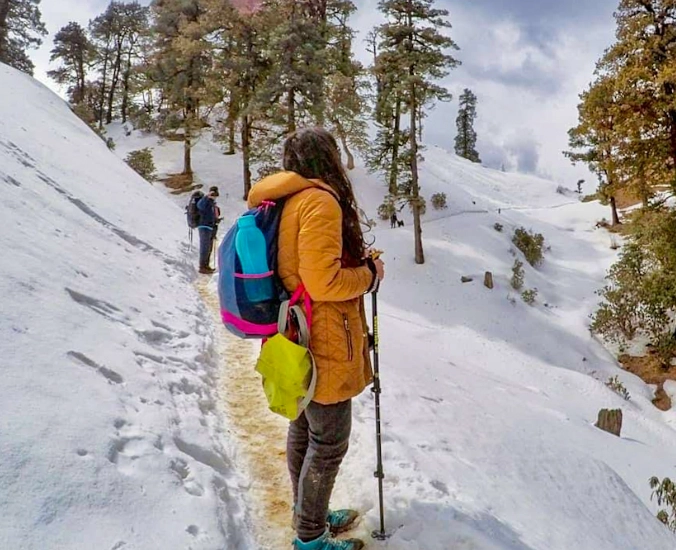
It's the simplicity. For days, your only goals are to walk, eat, find water, and sleep. The digital noise fades. Your world shrinks to the path ahead and expands to the horizon. There's a profound satisfaction in covering distance under your own power, in problem-solving with just what's on your back.
It's also about the rhythm. A trek has a cadence that day hikes lack. You wake with the sun, pack camp, walk, rest, walk, make camp, cook, sleep. Repeat. This rhythm is meditative. It allows you to notice the subtle changes in the landscape, the shift from forest to alpine meadow, the way the light hits a peak in the late afternoon.
And let's be honest, it's about the stories. The time you got caught in a hailstorm and laughed through it. The unexpected kindness of other trekkers sharing a hot drink. The silent, awe-filled moment at a summit that no photo can capture. You earn those stories.
How to Start Trekking: A Realistic Beginner's Blueprint
You don't start by booking a flight to Everest Base Camp. That's a surefire way to have a bad time. Start small, start smart.
1. Build Your Foundation with Day Hikes
Can you comfortably hike 8-10 miles with a 10-pound daypack? If not, start there. Increase distance and elevation gain on local trails. This isn't just physical training; it's gear testing (do your boots fit?), learning your pace, and understanding how your body reacts to exertion.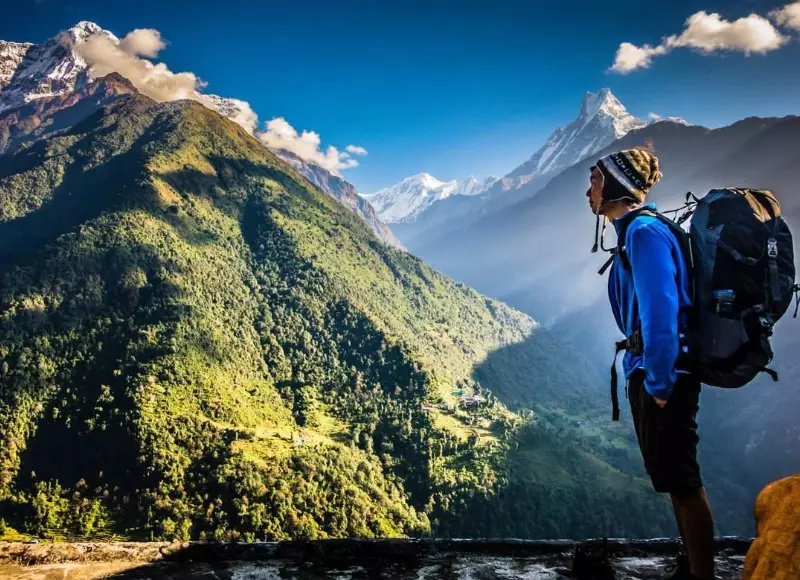
2. Try an Overnight Shakedown
Before a multi-day trek, do a single overnight trip at a local backpacking site. Hike in 2-3 miles, set up camp, sleep, hike out. This low-stakes trip is invaluable. You'll learn how your stove works, if your sleeping pad is comfortable, and what you forgot (you will forget something). It's a practice run where the car is never too far away.
3. Focus on Fitness, Not Just Gear
A common trap is buying all the gear and neglecting the engine. Trekking with a pack uses different muscles than running or gym workouts. Train by hiking with a weighted pack. Stair climbers and lunges are your friends. Cardiovascular endurance is key.
Essential Trekking Gear: The Non-Negotiables
Forget the fancy gadgets. These are the pillars of a safe, comfortable trek. Skimping here means misery.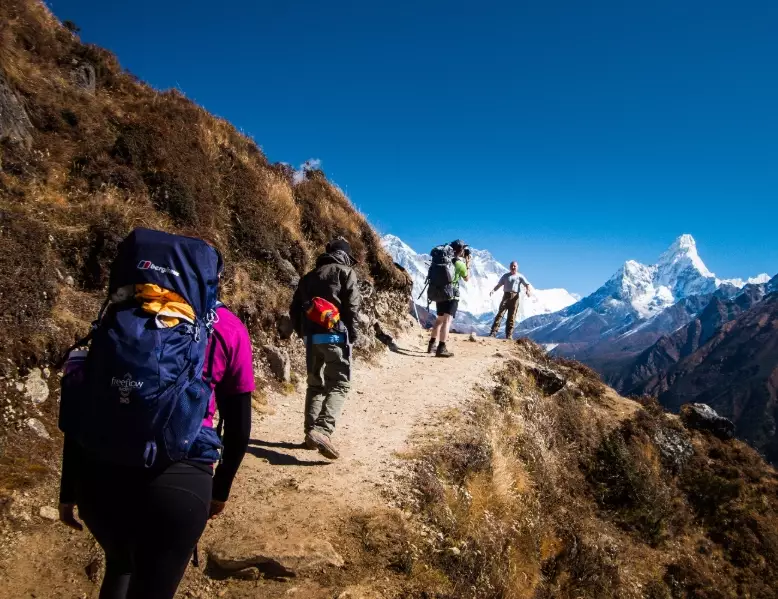
| Category | Essential Items | Pro Tip (The Non-Consensus Stuff) |
|---|---|---|
| The Big Three | Backpack (50-70L), Tent/Shelter, Sleeping Bag & Pad. | Prioritize weight. A heavy tent is the single biggest burden. A lighter pack is better than stronger legs. Test your sleep system in your backyard first; a bad night's sleep ruins the next day. |
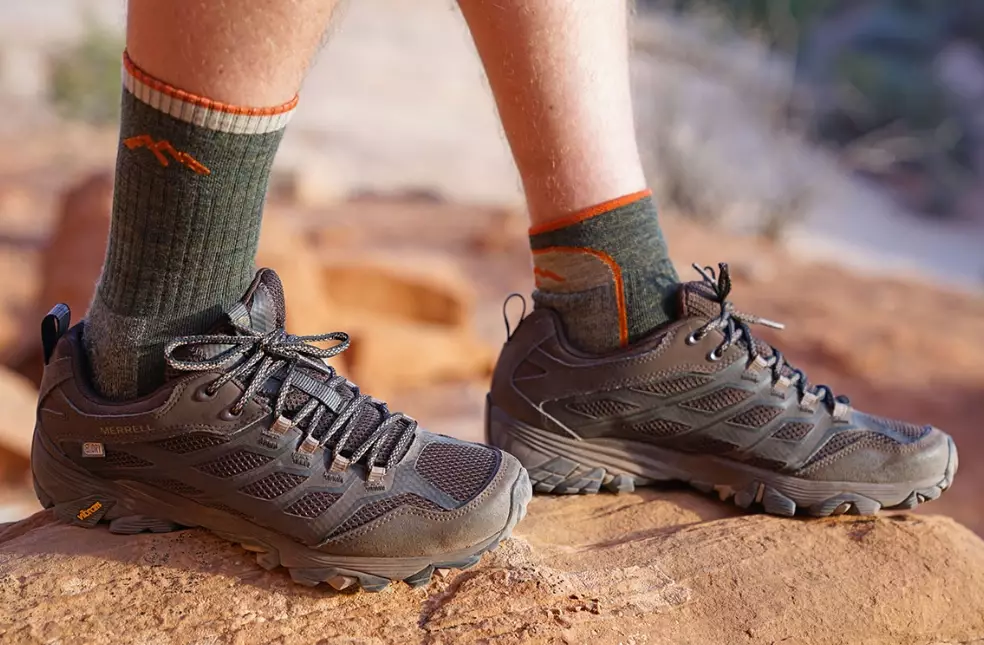
| Footwear & Clothing | Broken-in Trekking Boots/Shoes, Moisture-Wicking Layers, Insulating Layer, Rain Shell, Trekking Poles. | Boots don't need to be mountaineering-grade leather monsters. Modern trail runners are enough for most trails and save huge weight. Poles aren't just for old folks—they save your knees on descents and increase stability. |
| Hydration & Nutrition | Water Filter/Purifier, 2-3L Water Capacity, Stove, Fuel, Lightweight, Calorie-Dense Food. | Plan meals that require only adding hot water. The cleanup is easier, and you're exhausted. Dehydration is a stealthy enemy; sip constantly, don't wait for thirst. |
| Navigation & Safety | Detailed Map & Compass (and the skill to use them), Headlamp, First-Aid Kit, Fire Starter, Knife/Multi-tool. | Your phone/GPS can fail. A paper map doesn't run out of batteries. The most important first-aid item is knowledge—take a wilderness first-aid course. |
My personal gear mistake? On that Nepal trek, I brought a bulky, cheap sleeping bag to save money. I spent five cold nights regretting it. The $100 I saved cost me hundreds in comfort. Invest in a good bag and pad.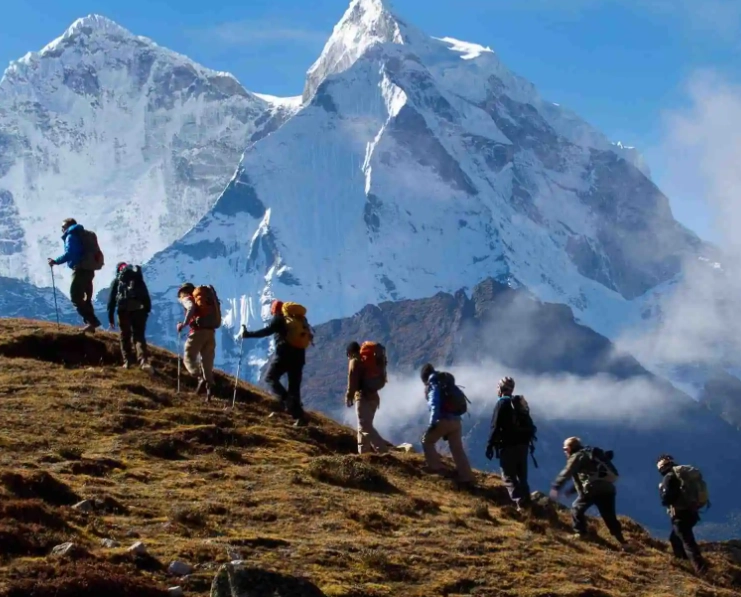
Planning Your First Trek: A Step-by-Step Framework
Here’s how to move from dream to reality.
Step 1: Choose a Beginner-Friendly Destination. Look for trails with reliable water sources, established campsites, and moderate daily mileage (5-10 miles). Great first treks in the US include sections of the Wonderland Trail around Mt. Rainier (permit required), the Lost Coast Trail in California (tide charts are crucial!), or loops in the Great Smoky Mountains National Park. Research using official park websites for current trail conditions and permit rules.
Step 2: Get Your Permits and Logistics Sorted. Many popular trails require permits to limit impact, often via a lottery system (e.g., John Muir Trail). Apply early. Plan how you'll get to the trailhead—is there a shuttle? Where will you leave your car?
Step 3: Create a Detailed Itinerary. Plan each day's mileage, where you'll camp, and where water sources are. Share this plan—every detail—with a friend or family member who is NOT on the trip. Tell them when to expect a check-in call and when to call for help if they don't hear from you.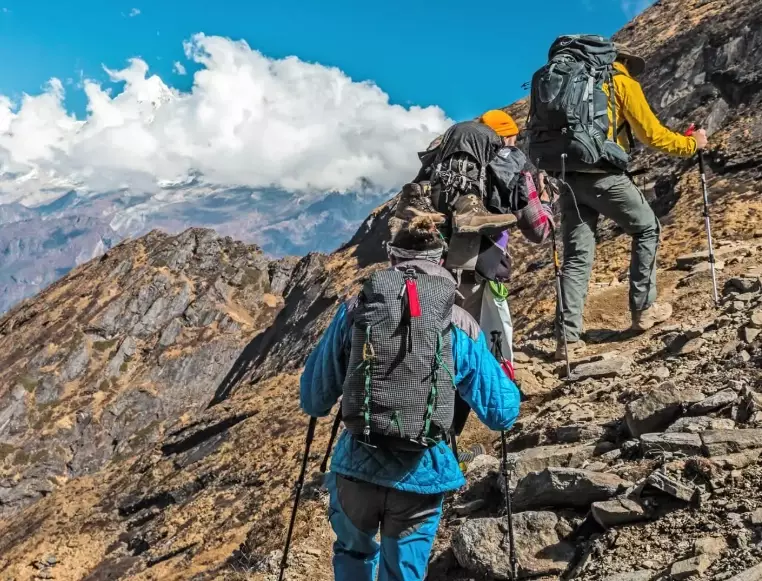
Step 4: Embrace Leave No Trace. This isn't just a slogan. Pack out all trash (including toilet paper in many areas), camp on durable surfaces, respect wildlife from a distance. The Outdoor Industry Association champions these principles to keep wild places wild. We're visitors.
Step 5: Prepare for the Mental Game. There will be a low point. Maybe hour three of a rainy climb. Your mind will whisper, "Why are you doing this?" Have a mental toolkit: a favorite snack saved for that moment, a mantra, or just the simple act of stopping for five minutes to breathe and look around. The bad moments pass. They make the good ones sweeter.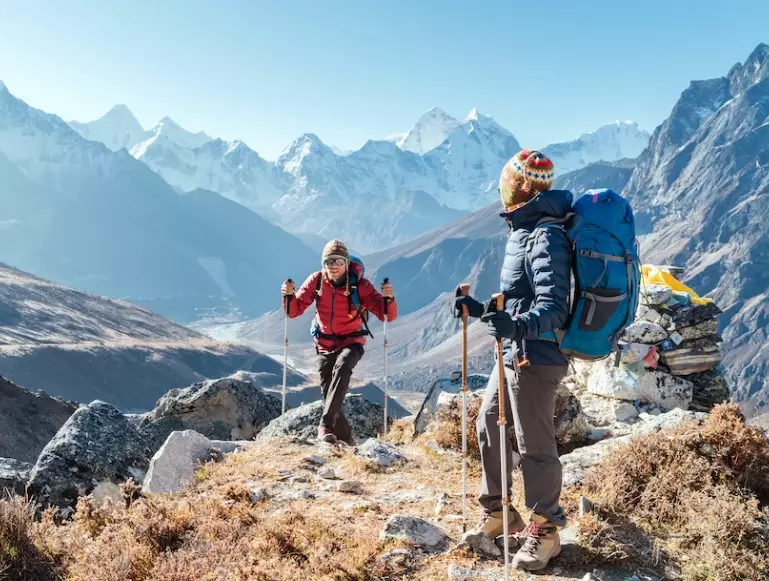
Your Trekking Questions, Answered
What is the key difference between trekking and hiking?
The core difference is duration and immersion. Hiking is generally a shorter, often day-long activity on established trails, where you return to civilization. Trekking involves multi-day journeys, often in remote or challenging terrain, where you carry everything you need (shelter, food, etc.) and are fully immersed in the wilderness for an extended period. It's less about the trail itself and more about the self-sufficient journey through a landscape.
Is trekking safe for beginners?
Yes, but with critical preparation. The biggest safety risk isn't wildlife or falls—it's underestimation. Beginners should choose a well-established, shorter trek (2-3 days) with reliable trail markers and moderate difficulty. Never go alone on your first trek. Invest time in physical conditioning and learn basic navigation skills. Most importantly, inform someone of your detailed itinerary and expected return time. Safety comes from respecting the challenge, not from avoiding it.
What is the most common mistake first-time trekkers make?
Packing too much. The allure of 'just in case' items is strong, but every extra gram compounds over miles and elevation. A pack over 20-25% of your body weight can turn a joyful journey into a punishing slog. The mistake is prioritizing comfort items (extra clothes, heavy food) over the absolute essentials (water, shelter, first-aid). Test your packed gear on long training walks. If it feels heavy in the parking lot, it will be brutal on the mountain.
How do I choose my first trekking destination?
Forget the iconic, bucket-list trails for now. Your first destination should be a 'proving ground,' not a crown jewel. Look for loops or out-and-back routes under 25 miles total, with reliable water sources and established campsites. National parks and forests often have perfect beginner-friendly trails. Check resources like the U.S. National Park Service's 'Backcountry Trip Planner' tools. The goal is to build confidence and skills in a manageable environment, not to conquer a continent.
So, what is trekking? It's an invitation. An invitation to slow down, to test yourself, to see what you're made of when stripped of convenience. It's not for everyone, and that's okay. But if you've felt the pull of a distant ridge or the quiet of a forest at dawn, it might be for you. Start small. Learn the steps. The mountains, the deserts, the coastlines—they aren't going anywhere. They'll be there when you're ready to take that first step beyond the trailhead and into the journey.