You've got your footwork dialed on edges. You can lock off on a decent hold. But then you hit a section of blank-looking rock, a smooth slab, or a widening crack with nothing to grab. This is where intermediate progress stalls and true advanced climbing begins. It's not about more power; it's about more finesse. The real game-changers are techniques like smearing and stemming—skills that let you climb where holds simply don't exist.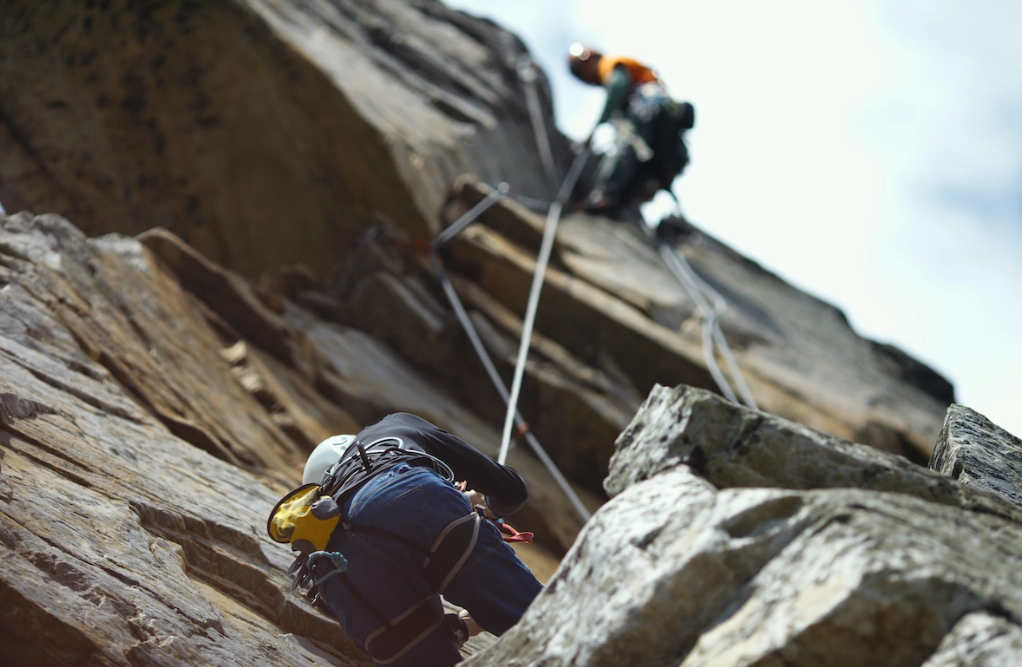
What's Inside This Guide?
What Makes a Technique "Advanced"?
An advanced climbing technique isn't just a harder move. It's a method that maximizes efficiency and uses body position and physics to create stability where none is obvious. It's the difference between muscling up a route and floating up it. The American Alpine Club's resources on climbing fundamentals often stress movement economy, and these techniques are the epitome of that.
Most climbers focus on their hands. Advanced climbers think with their feet. Your legs are stronger than your arms by an order of magnitude. Techniques like smearing and stemming are about leveraging that strength through intelligent body mechanics.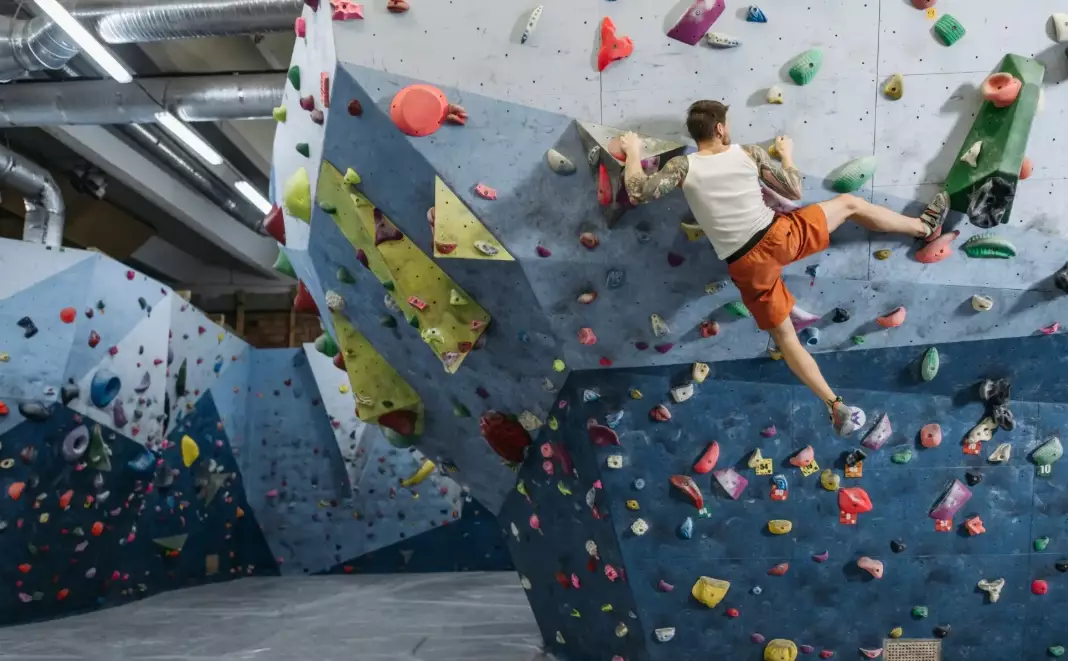
How to Master the Smearing Technique
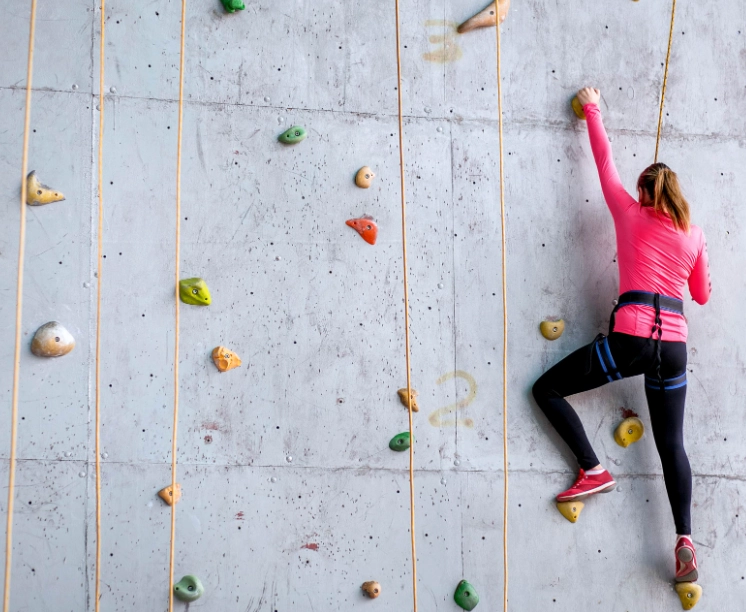
Smearing is the art of using friction between your climbing shoe's rubber and the rock face. It's your go-to on low-angle slabs, blank-looking sections of granite, or any time a positive edge is a fantasy.
The Physics (In Plain English)
It's not magic. It's surface area and pressure. A stiffer, more vertical foot creates a small, high-pressure point that can slip. A smeared foot, with the ankle relaxed and the sole flattened against the rock, creates a larger contact patch. The rubber deforms into the rock's micro-texture (even on seemingly smooth rock), increasing friction. More friction equals more trust.
The Step-by-Step Execution
1. Foot Placement: Don't stab. Gently place the ball of your foot and your arch onto the rock. Imagine you're putting your foot on a delicate scale.
2. Ankle Angle: This is the secret. Keep your heel low. A high heel lifts the arch, reducing contact. A low heel presses the entire forefoot rubber down.
3. Weight Transfer: The scariest part. You must commit your weight to that foot. Shift your center of gravity over it smoothly. Hesitation causes a jerky shift that breaks the friction bond.
4. Body Position: Stay close to the wall. On slabs, this often means a more upright posture than you'd think. Your hips should be over your smearing feet.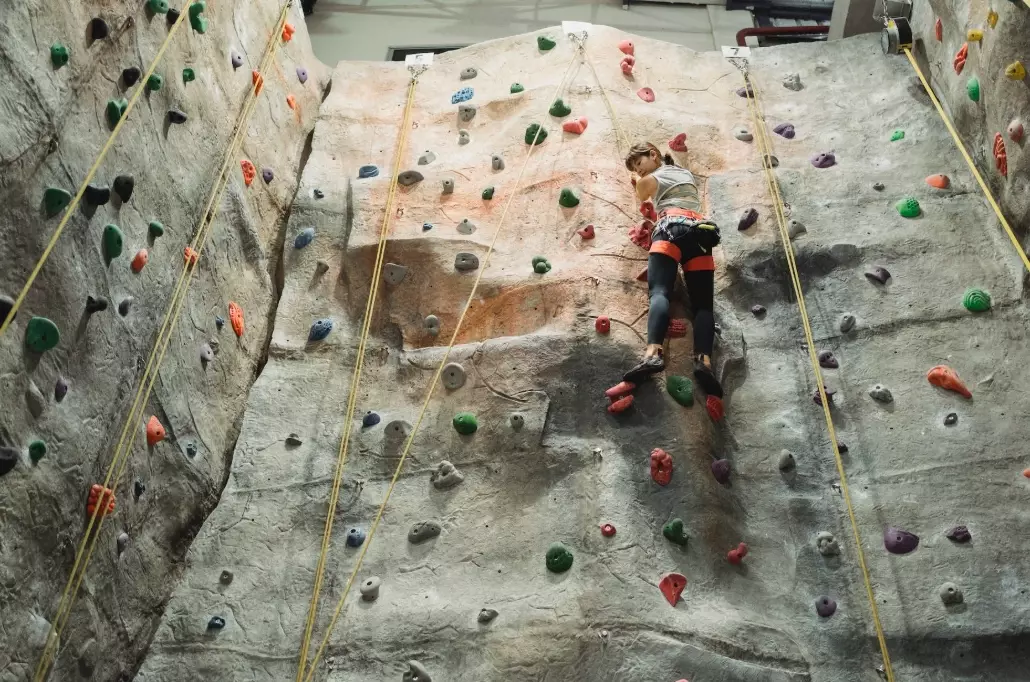
I learned this the hard way on a classic slab route in Joshua Tree. I was tip-toeing, terrified, calves burning. An older climber watching from below just yelled, "Drop your heels, kid!" I did, and instantly felt glued to the rock. The difference wasn't strength; it was a two-inch adjustment in ankle flexion.
Common Smearing Pitfalls
- Stiff Ankles: The number one error. You rob your shoe of its ability to conform.
- Looking Down Too Much: Craning your neck to watch your foot pulls your hips away from the wall.
- Dirty Shoes: Mud or dirt on your soles is like ice skates on rock. Clean them frequently.
How to Master the Stemming Technique
If smearing is about intimacy with a flat surface, stemming is about creating force between opposing surfaces. Also called bridging, it's used in dihedrals (inside corners), wide cracks (off-widths), and chimneys.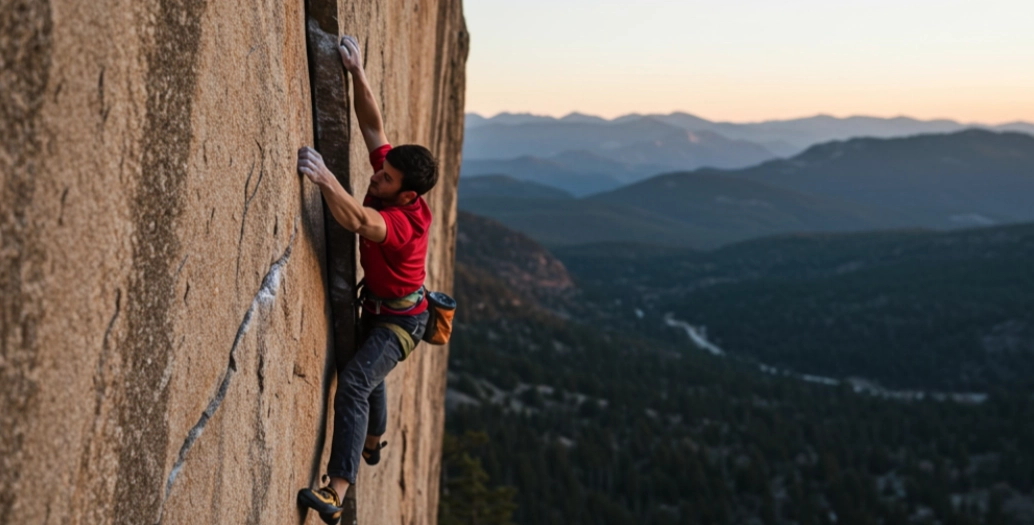
The Core Principle: Opposition
You're creating a stable, three-point structure: your two feet (or a foot and a hand) pushing in opposite directions, and your body linking them. The force isn't downward; it's outward, pinning you in place through counter-pressure.
Breaking Down a Stem
Let's take a common scenario: a wide, smooth dihedral.
Footwork: You're not just standing on two walls. You're pushing them apart. Place your feet as high as is comfortable to keep your body extended. Use the inside edge of your shoes.
Hands: Often, palming or pushing against the walls is more effective than grabbing. In a tight stem, you might pal your back against one wall and your hands on the other.
The "Rest": A good stem is a phenomenal rest. You can literally stand there, arms relaxed, because your legs are holding you. I've recovered from pump in a stemming position more times than I can count, something impossible on a vertical face with small holds.
A non-consensus tip? In a wide stem, focus on pushing your knees out, not just your feet. This engages your hip abductors and creates a wider, more stable base of pressure against the walls. It feels weird at first but adds huge stability.
Smearing vs. Stemming: When to Use What
These techniques aren't mutually exclusive. On a slabby dihedral, you might stem with your feet while smearing a hand on the face. The decision tree is simple:
Use Smearing When: The rock is relatively flat or featured with no positive edges. You need to move fluidly across a slab. The rock type has good inherent friction (granite, rough sandstone).
Use Stemming When: You have two opposing walls or features (crack corners, chimneys). You need a no-hands rest position. The rock is slick (polished limestone) where smearing is less reliable.
Often, the beta for a hard move on a sport climb isn't a hidden jug—it's a precise smear-stem combination that frees a hand to make a reach.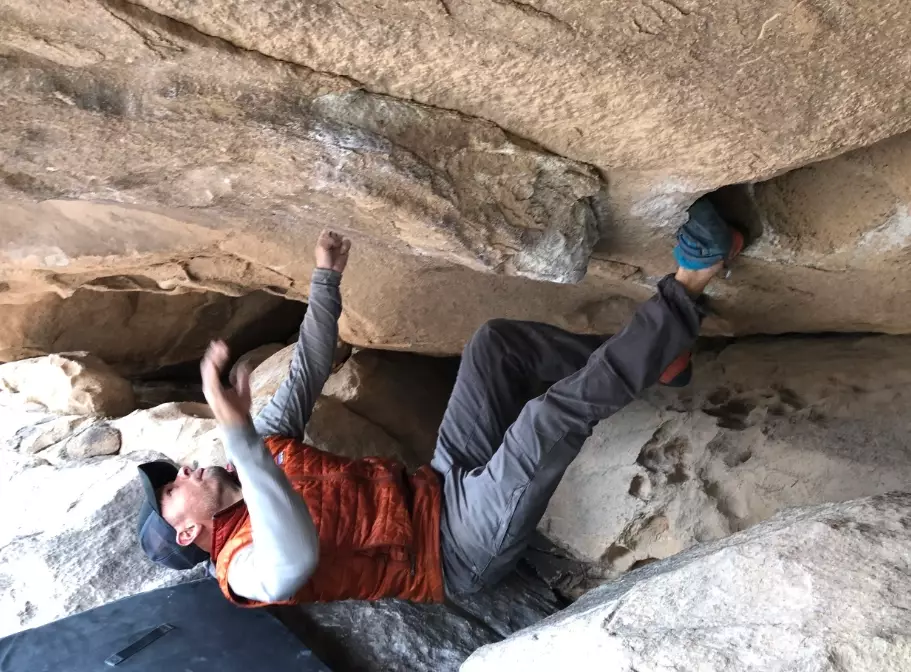
Concrete Practice Drills You Can Do
Reading is one thing. Doing is another. Integrate these into your next gym or outdoor session.
1. The Slab Traverse (Smearing): Find a low-angle wall (in a gym, the 15-30 degree slab; outside, a low-angle boulder). Traverse it using only smears. No edges allowed. Focus on the quiet, deliberate placement of each foot and the smooth weight shift.
2. The No-Hands Corner (Stemming): In a climbing gym's dihedral or an outdoor corner, climb up as high as you can using only your feet and body pressure. No hands on the rock. This forces pure leg engagement and body positioning.
3. The Smear-to-Edge Transition: Practice stepping from a positive edge onto a nearby smear, then back. Learn to feel the difference in contact and weight distribution. This mimics real route climbing where features are mixed.
Progress here is measured in confidence, not grades. The first time you rest in a stem on lead, or smear confidently past a blank section, you'll feel a different kind of climbing unlock.
Your Advanced Technique Questions Answered
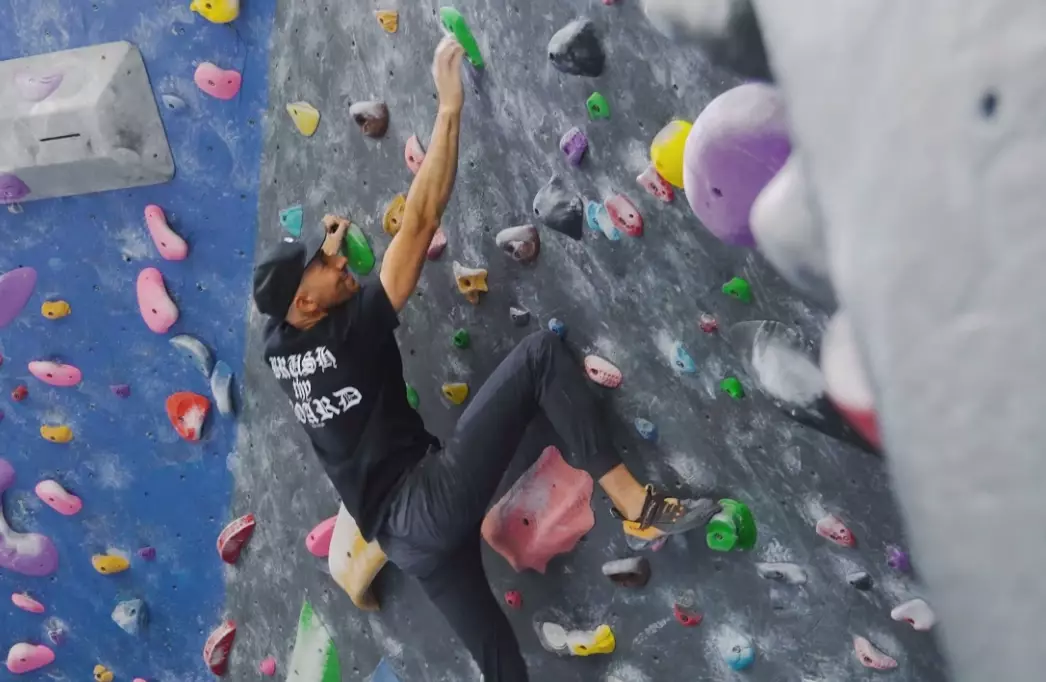 When should I choose a smear over searching for a tiny edge?
Mastering smearing and stemming doesn't happen overnight. It's a slow accumulation of trust—in the physics, in your shoes, and in your own ability to read the rock. Start by adding one deliberate smear or stem per climbing session. Pay attention to the feeling when it works. Before long, you'll stop seeing blank rock and start seeing a canvas of possibilities. That's when the real adventure begins.