Quick Guide
- The Unavoidable First Hurdle: The Half Dome Permit Lottery
- Training for Half Dome: It's Not Just About Cardio
- The Gear That Actually Matters (And What's Overkill)
- A Mile-by-Mile Mindset: What to Expect on the Trail
- The Half Dome Cables: A How-To (Not a Horror Story)
- Honest Answers to Real Questions About Half Dome Yosemite
- Final Thoughts: Is Half Dome Yosemite Worth It?
Let's be honest right from the start. The Half Dome hike in Yosemite National Park isn't a casual stroll. It's a beast. A beautiful, iconic, unforgettable beast that demands respect, preparation, and a hefty dose of humility. I've seen too many people treat it like just another trail, only to be utterly broken by the time they reach the sub dome. This isn't meant to scare you off—quite the opposite. It's about giving you the real, unfiltered picture so you can actually enjoy one of the greatest hikes in North America, safely and successfully.
I still remember my first time staring up at those cables from the base of the granite shoulder. My legs were jelly from the miles already hiked, my heart was pounding, and a part of me whispered, "You can turn back now, it's okay." But you don't climb Half Dome in Yosemite for the easy way out. You do it for that feeling of pulling yourself onto the vast, tilted tabletop of the summit, with the entire Yosemite Valley looking like a miniature diorama thousands of feet below.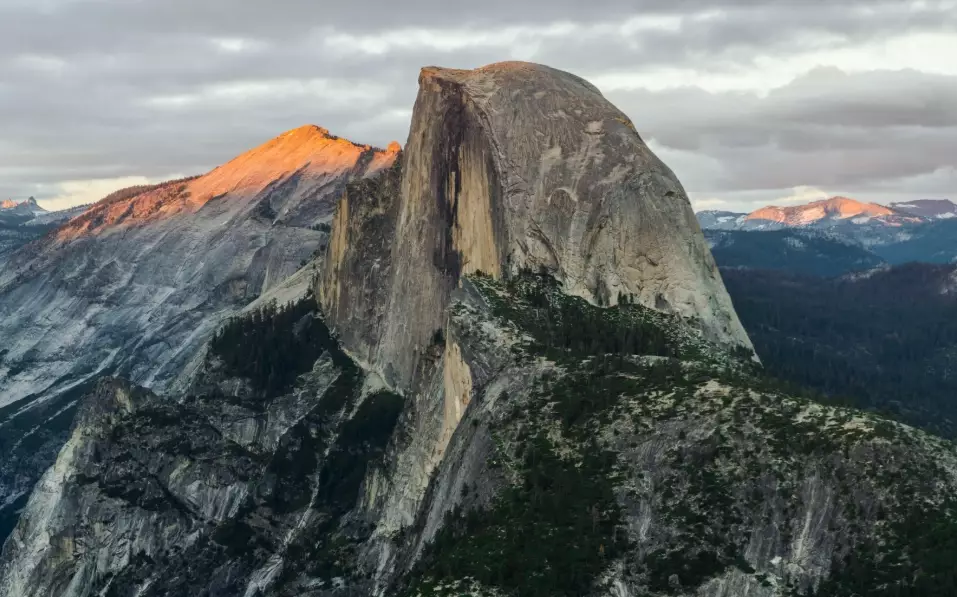
What You're Really Getting Into
Before we dive into permits and gear, let's frame the challenge. The classic Half Dome Yosemite hike from the Happy Isles trailhead is a 14-16 mile round trip with about 4,800 feet of elevation gain. Numbers on a page don't do it justice. It's a full-day, dawn-to-dusk commitment for most people. You're tackling steep granite steps, navigating a mist-soaked staircase next to Vernal Fall, enduring the relentless switchbacks up the backside of Nevada Fall, and then finally facing the crown jewels: the sub dome and the infamous Half Dome cables.
The Unavoidable First Hurdle: The Half Dome Permit Lottery
This is where dreams go to die for many. You can't just show up and hike Half Dome. For the cable route (the standard ascent), you need a permit. And getting one feels like winning a weird, outdoor-themed jackpot. The National Park Service (NPS) runs a preseason lottery in March and a daily lottery two days before your intended hike. The odds? Not great, especially for weekends in summer.
The whole process can be a source of major frustration. You plan your Yosemite trip months in advance, get lodging (which is its own battle), only to be denied a permit. It feels personal, even though it's a random draw. My advice? Apply for the preseason lottery for multiple dates, be flexible, and if you strike out, immediately have a Plan B for the daily lottery. The official NPS Half Dome page is your bible for this. Bookmark it. Read it twice.
Heads up: Rangers do check permits at the base of the sub dome. I've seen people turned around after hiking 90% of the way. Don't risk it. The fine is hefty, and it's just not worth the embarrassment or the danger of attempting the cables without proper supervision and crowd control that the permit system enables.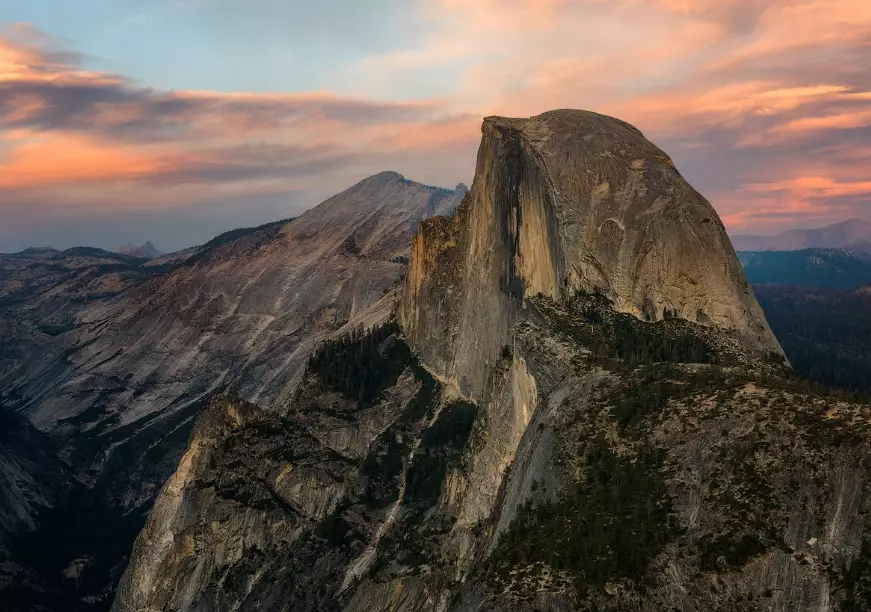
Breaking Down the Permit Options
| Permit Type | When to Apply | Key Details & My Take | Realistic Odds |
|---|---|---|---|
| Preseason Lottery | March (for the entire summer season) | You apply for up to 7 dates. If you win, you get a confirmed permit. This is the best way to secure peace of mind for a big trip. Apply as a small group (1-4 people) for slightly better odds. | Low to Moderate. Maybe 25-30% for a weekday in early season. |
| Daily Lottery | 2 days before your hike date | You apply for a specific date. Results emailed the next afternoon. This is the scramble. It requires you to already be in or near Yosemite, ready to go. High stress, but it works for many. | Variable. Can be decent on weekdays, terrible on holidays. |
| Wilderness Permit (with Half Dome add-on) | Up to 24 weeks in advance | If you're backpacking in the Yosemite wilderness and your itinerary passes over Half Dome, you can add a Half Dome permit. This is a fantastic, less-crowded approach. | Good, if you can snag the core wilderness permit first. |
See what I mean? It's a system. A clunky one, but it's there for a reason—safety and preserving the experience. Without it, the cables would be a human traffic jam, which is a terrifying thought.
Training for Half Dome: It's Not Just About Cardio
Okay, you got the permit. Congrats! Now the real work begins. Most training plans focus on distance and elevation. That's crucial, but they miss two key elements specific to Half Dome Yosemite: grip strength and mental stamina for exposure.
Your legs need to handle the distance, sure. But your arms, hands, and core are what will get you up the last 400 feet. The cables aren't a gentle handrail; they're a vertical(ish) ladder you haul yourself up, often while wearing a pack. I trained by doing long hikes with a weighted pack, but I wish I'd done more pull-ups and farmer's carries. My forearms were screaming by the top.
Pro-Tip from a Sore Hiker: Break in your shoes and your gloves. Get a sturdy pair of leather-palmed gloves with good grip (hardware store ones are perfect) and wear them on training hikes. Blisters on your hands are a special kind of misery.
And then there's the exposure. The sub dome is steep, smooth granite with narrow steps. The cables section has a sheer drop on either side. If you have a severe fear of heights, this hike might be a hard no. For manageable nerves, you need to practice. Hike other exposed trails if you can. Get used to the feeling. On the day, focus on the rock in front of you, not the void beside you.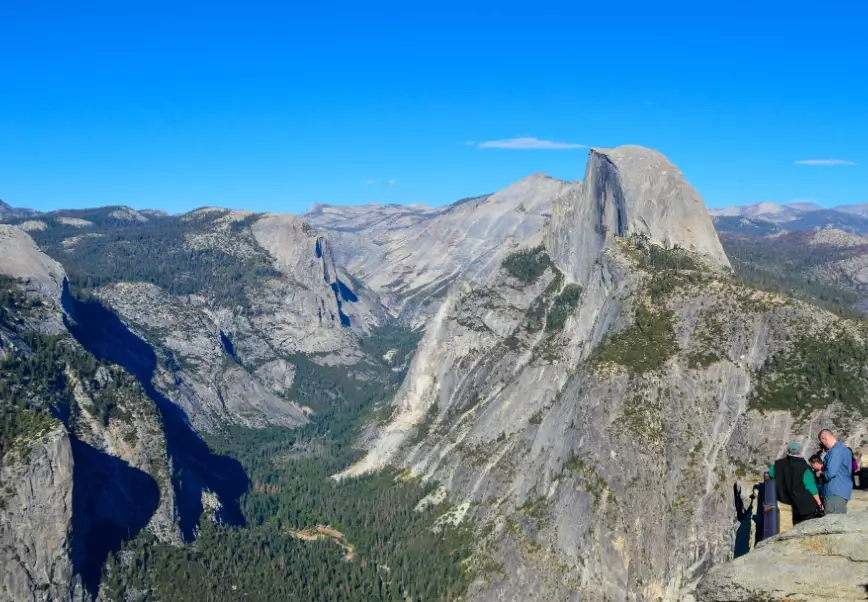
The Gear That Actually Matters (And What's Overkill)
Packing for Half Dome is an art. Too much and you're carrying dead weight up 4800 feet. Too little and you're risking hypothermia or dehydration. Here's my essential, non-negotiable list, born from experience and a few mistakes.
- Water, Water, and More Water: I carry a 3-liter hydration bladder and a 1-liter backup bottle. There is no water on the route after the Little Yosemite Valley area until you return. The National Weather Service forecasts for Yosemite Valley are a good baseline, but it's always hotter and drier on the exposed granite. Plan for at least 1 liter per 2-3 hours of hiking, more if it's hot.
- Traction is King: Your shoes are the most important piece of gear. Trail runners with aggressive lugs or hiking boots with Vibram soles. Nothing with worn-out tread. The granite on the sub dome and cables can be like glass when polished by thousands of feet.
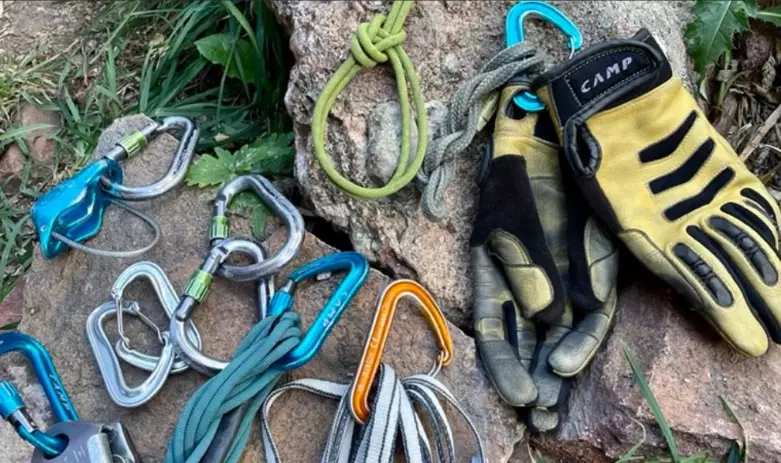
- Those Gloves: I mentioned them already. The cables are made of cold, sometimes gritty, metal. Gloves protect your hands and give you a secure grip. Don't rely on the "pile of used gloves" sometimes found at the base—it's gross and unreliable.
- Layers, Not a Parka: Weather changes fast. A moisture-wicking base, an insulating mid-layer (fleece/puffy), and a waterproof/windproof shell. The summit can be windy and cold even on a sunny Valley day.
- Headlamp: Starting before sunrise is smart to beat the heat and crowds. Finishing after sunset is a real possibility if you're slow or run into delays. A headlamp is a safety must.
What can you leave behind? Heavy DSLR cameras with multiple lenses (use your phone or a point-and-shoot), excessive snacks (bring calorie-dense bars, nuts, jerky), and cotton clothing (it retains sweat and chills you).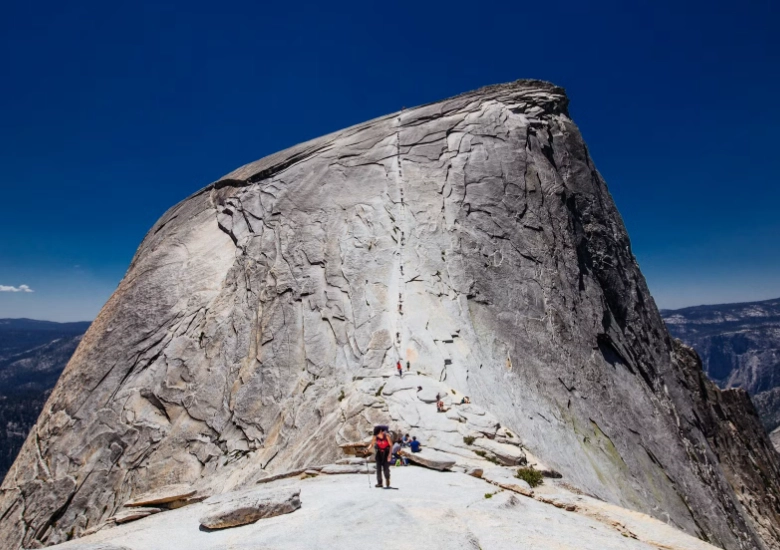
A Mile-by-Mile Mindset: What to Expect on the Trail
Let's walk through it. The classic Mist Trail to John Muir Trail loop is the way to go. Descending the slick, steep Mist Trail steps is a knee-killer I don't recommend.
Miles 0-2: The Warm-Up (The Lying Kind)
From Happy Isles, you climb steadily past Vernal Fall. The Mist Trail here is stunning—you get soaked by the spray, rainbows are everywhere—but it's a staircase of hundreds of granite steps. It's brutal early cardio. People are fresh, the crowds are thick. Just find your rhythm and don't burn out.
Miles 2-4: Finding a Groove
Past Nevada Fall, the trail opens up along the Merced River toward Little Yosemite Valley. This is a chance to catch your breath on relatively flat ground. Use it. Filter water if you need to top up (with a proper filter!). The backpacker campground here is a reminder that some people are doing this the smart, two-day way.
Miles 4-7: The Relentless Climb
This is the grind. The trail leaves the river and starts a long, switchbacking ascent up the back of the Sierra Nevada. It's exposed, often hot, and feels endless. This is where mental games begin. Break it into chunks. Don't look up at how far you have to go; just focus on the next bend.
Mile 7-8: The Sub Dome - The Final Boss Before the Final Boss
Suddenly, the trees disappear. You're at the base of the sub dome, a smooth, granite hump with carved steps. This is where they check permits. The sub dome is no joke. The steps are steep, the exposure is immediate, and there are no cables here. Just you and the rock. Take it slow. Use your hands. This section scares more people than the cables themselves, I swear.
The Half Dome Cables: A How-To (Not a Horror Story)
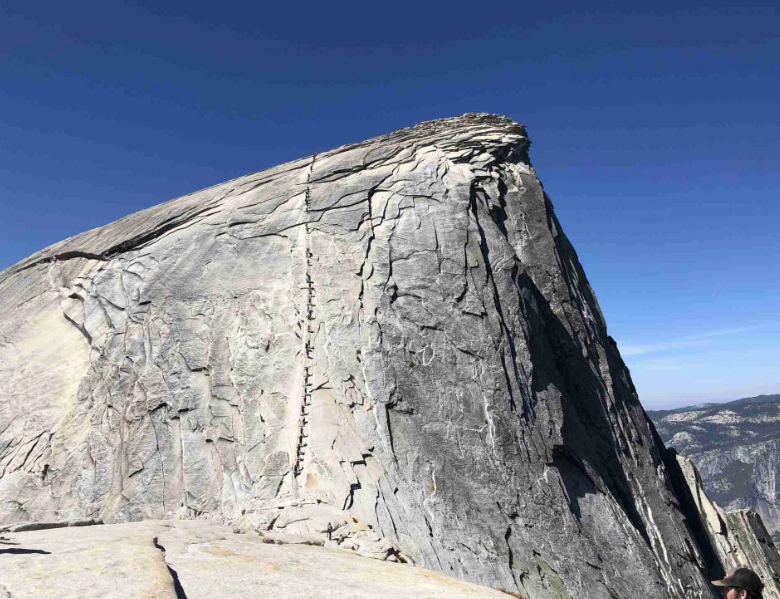
Here they are. Two metal cables running up wood posts bolted into the rock. Between the posts, the cables sag. There are wooden planks at each post to give you a brief resting spot.
The technique is everything. Face the rock. Move one hand at a time, one foot at a time. Keep three points of contact. Don't rush. The traffic goes up on the inside, down on the outside. Communicate with people around you. If someone below needs to pass, squeeze to the inside and brace yourself on a post.
My personal, slightly negative take? The cables are less physically hard than the sub dome, but they are more psychologically intense. The wear on the cables, the wobble of the posts, the sight of people struggling—it can get in your head. But just focus on your next handhold. The summit is right there.
The Summit (& The Descent)
You crest the top... and it's vast. An acre of sloping granite. Walk to the edge (carefully!) for the famous "dangle your feet" photo over the Visor. Have lunch. Soak in the 360-degree view of Yosemite's high country. This is your reward.
But remember, you're only halfway. The descent down the cables is, for many, harder. You're facing out, looking down the sheer drop. Go slow, backward is often easier, almost like rappelling. Grip the cables tight. The walk back is a long, grueling test of your quadriceps. The John Muir Trail descent is longer but gentler on the knees than the Mist Trail. I always take it.
Honest Answers to Real Questions About Half Dome Yosemite
Let's cut through the forum myths and guidebook gloss.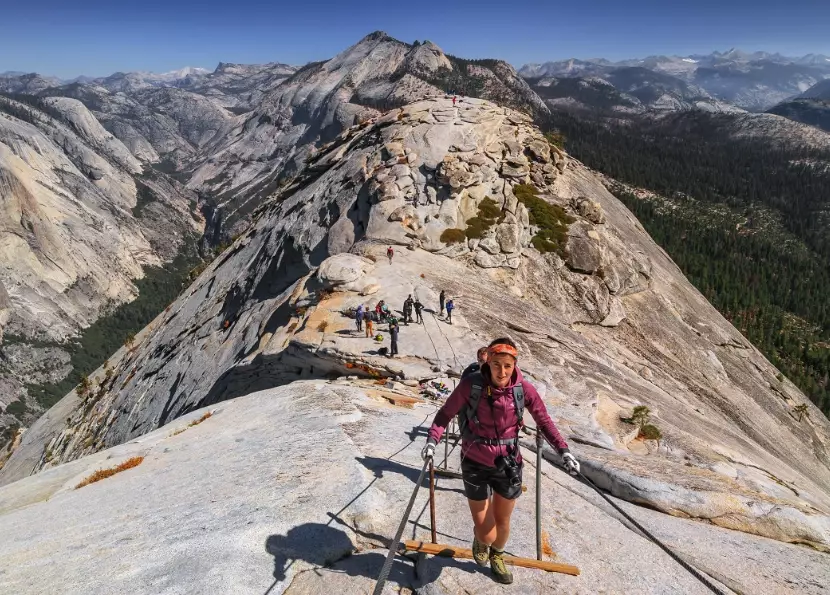
How dangerous is it, really?
It's a serious hike with real risks. People have died, mainly from falls (often off the cables or surrounding cliffs) or from heart attacks. The danger is managed by your fitness, preparedness, weather awareness, and common sense. Don't go up if storms are forecast—the granite becomes a lightning rod and a slippery slide. Check the Yosemite Current Conditions page religiously before you go.
Can I do Half Dome if I'm not an expert hiker?
Maybe, but not as your first big hike. You should be able to comfortably hike 12+ miles with significant elevation gain in a day before attempting Half Dome. If you can hike to the top of Yosemite Falls and back and feel okay the next day, you're on the right track.
What's the best time of year to hike Half Dome?
The cables are usually up from late May through early October, weather permitting. July and August are hottest and most crowded. September is golden—cooler temps, fewer people, but days are shorter. May/June can have unpredictable weather and snow patches.
Is there an easier way to see Half Dome?
Absolutely! The view from Glacier Point is spectacular and requires no hiking. The hike to the top of Clouds Rest gives you an even higher, and some say better, view looking down on Half Dome. It's a fantastic alternative if you don't get a permit or want a less crowded, cable-free experience.
Final Thoughts: Is Half Dome Yosemite Worth It?
After all this talk of pain, permits, and fear—yes. Unequivocally. The Half Dome Yosemite hike is a pilgrimage. It tests you physically and mentally in a way few other day hikes can. The sense of accomplishment is profound. You'll earn every single breathtaking view.
But respect it. Prepare for it. Don't underestimate it. This guide isn't meant to be the end of your research, but a solid, realistic foundation. Read trail reports, watch recent videos, and get your body ready. The mountain isn't going anywhere. Make sure you're ready for it when you finally get that golden ticket permit and your chance to stand on top of one of the world's most iconic pieces of rock.
Good luck out there. And pack those gloves.