Quick Navigation
Let's be honest. The internet is full of hiking advice. Some of it's gold, a lot of it is just recycled common sense, and some is downright confusing if you're just starting out. I've been there—standing in the gear aisle overwhelmed, staring at a trail map wondering if I'm in over my head, or halfway up a mountain realizing I packed all the wrong snacks.
This isn't about turning you into an extreme mountaineer overnight. It's about giving you the clear, practical hiking tips that bridge the gap between wanting to hit the trail and actually doing it confidently. Whether you're dreaming of a gentle forest walk or a challenging summit, the right knowledge makes all the difference between a great day and a miserable one.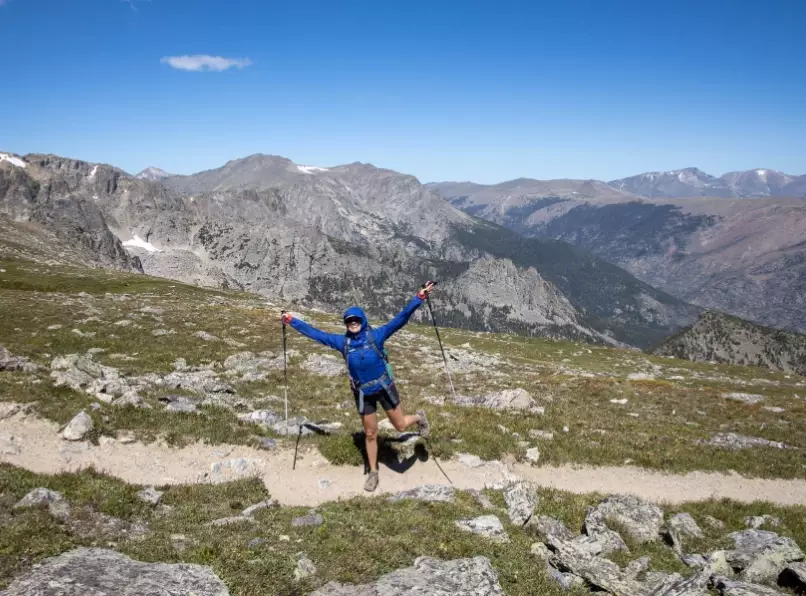
Before You Even Lace Up Your Boots: The Planning Phase
This is where most mistakes happen. Rushing out the door is tempting, but a little planning saves you from a world of hassle later.
Picking the Right Trail (This is Crucial)
Don't just pick the most Instagram-famous hike. Be real with yourself about your fitness and experience. A trail labeled "moderate" on one website might be a brutal climb on another.
My method? I cross-reference. I'll check a site like AllTrails for recent user reviews and photos (they often tell the real story about trail conditions), and then I'll look up the official park or forest service page for that specific trail. The U.S. National Park Service website is an absolute treasure trove of accurate, up-to-date information on trail length, elevation gain, permits, and closures.
Here’s a little checklist I run through:
- Distance & Elevation: Can I realistically walk that far, and climb that much, in a day? A 5-mile flat trail is a world apart from a 5-mile trail that gains 2000 feet.
- Current Conditions: Is there snow? Mud? A washed-out section? Recent reviews are key here.
- Logistics: Do I need a parking pass or wilderness permit? Is the trailhead easy to find?
The Weather: Never, Ever Guess
Mountain weather is its own beast. The forecast for the nearby town is almost useless. You need to look at the forecast for the specific elevation you'll be hiking at. Websites like Mountain-Forecast are built for this.
Rain at the trailhead can mean snow at the summit. A sunny morning can turn into a thunderstorm by afternoon. The rule is to prepare for the worst weather that season can throw at you, even if the sky is blue when you start.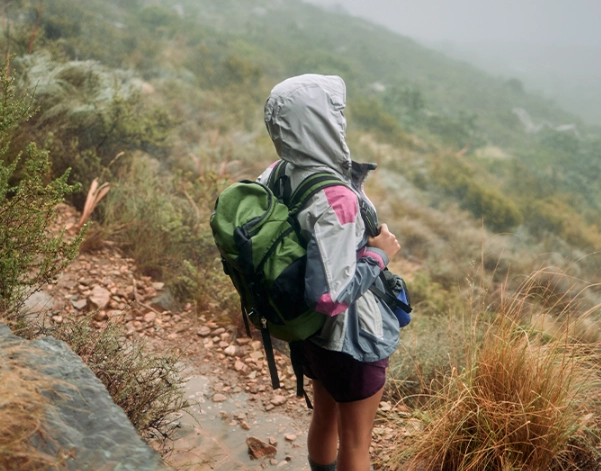
Telling Someone Your Plans
This is the simplest, most overlooked hiking safety tip. Always tell a reliable person exactly where you are going and when you expect to be back. I text my partner the trail name, planned route, and my "call search and rescue if you don't hear from me by" time. It feels a bit dramatic, but it's the single biggest factor in getting help quickly if something goes wrong.
Gear: What You Really Need (And What You Don't)
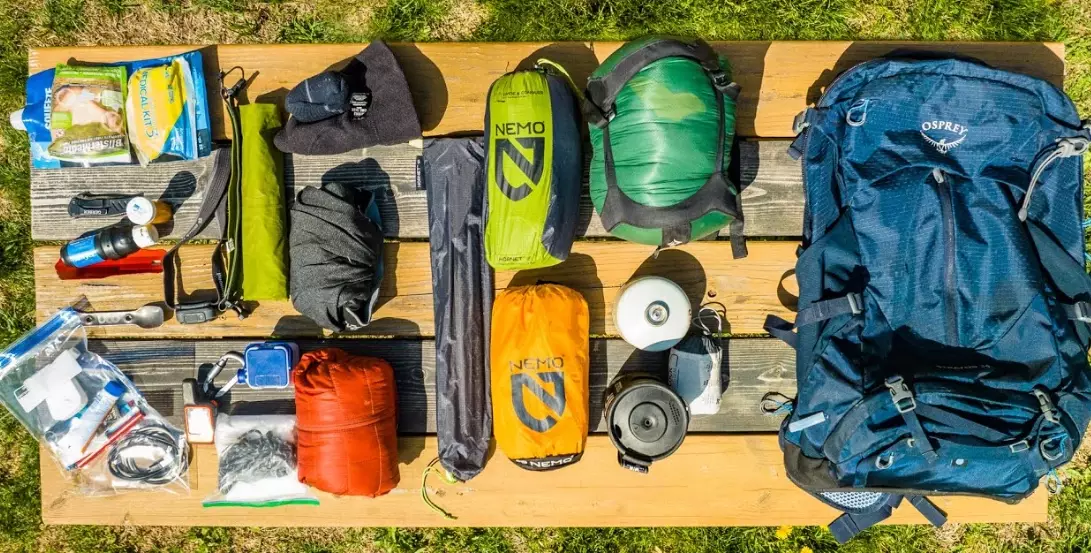
Gear talk can get elitist and expensive fast. You don't need the latest $300 jacket for your first few hikes. You do need reliable basics.
The Non-Negotiable Essentials (The Ten Essentials)
This isn't a marketing gimmick; it's a survival system developed over decades by outdoor organizations. The Ten Essentials list from the National Park Service is the definitive guide. Think of it as your life-support kit. Here’s my practical take on what that means to pack:
| Essential Category | What It Means for a Day Hike | My Personal Picks & Notes |
|---|---|---|
| Navigation | Map & Compass (and the skill to use them), PLUS a phone/GPS as a backup. | I carry a paper map in a zip-lock bag. My phone has the trail downloaded on two different apps (Gaia GPS and AllTrails) and is on airplane mode to save battery. A compass is useless if you don't know how to use it—learn! |
| Sun Protection | Sunglasses, sun-protective clothes, and broad-spectrum sunscreen. | I'm pale, so I wear a long-sleeve sun shirt even in summer. A hat with a brim is a game-changer. Don't forget the back of your neck and your ears with sunscreen. |
| Insulation | An extra layer beyond what you think you'll need. | Even in July, I pack a lightweight puffy jacket and a rain shell. The summit is always colder and windier. A cheap, packable rain poncho is better than nothing. |
| Illumination | A headlamp with extra batteries. | Getting caught out after dark happens. A headlamp keeps your hands free. I check the batteries before every hike. |
| First-Aid Supplies | A kit tailored to blisters, cuts, and common trail ailments. | I built my own. Must-haves: blister pads (like Compeed), antiseptic wipes, gauze, medical tape, ibuprofen, antihistamines, and tweezers for splinters/ticks. |
| Fire | Waterproof matches/lighter and fire starter. | A mini Bic lighter and a few cotton balls soaked in petroleum jelly in a tiny bottle. For emergency warmth only. |
| Repair Kit & Tools | A multi-tool or knife, duct tape, cordage. | A small Swiss Army knife and a few feet of duct tape wrapped around a water bottle can fix a broken pack strap or a torn shoe. |
| Nutrition | Extra food, beyond your lunch/snacks. | High-calorie, no-cook food like nuts, jerky, energy bars, or chocolate. Plan for an extra meal's worth in case you're out longer. |
| Hydration | Extra water AND a way to purify more. | I carry more water than I think I need (3 liters for a strenuous summer hike) and a lightweight filter like a Sawyer Squeeze. Streams can dry up. |
| Emergency Shelter | Something to keep you dry and out of the wind if you can't move. | A compact emergency bivvy sack or even a heavy-duty trash bag. It weighs nothing and could save your life. |
See? It's not about packing your whole house. It's about smart, lightweight insurance.
Footwear: The Blister Debate
Boots vs. trail runners is a holy war. Heavy leather boots offer ankle support but are stiff and hot. Trail runners are light and dry fast but offer less protection.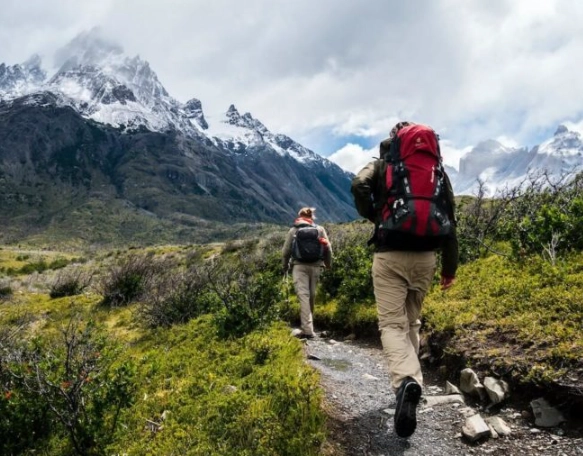
My take? For well-maintained trails without heavy loads, modern trail runners are fantastic for most people. The real hiking for beginners tip here is fit and socks. Go to a specialty store, get your foot measured, and try things on with the socks you'll hike in. And for the love of all that is good, never, ever wear cotton socks. Merino wool or synthetic blends wick moisture and prevent blisters. Break your footwear in on short walks before a big hike.
On the Trail: Smart Moves for Safety and Enjoyment
Okay, you're planned, packed, and at the trailhead. Now the fun begins.
Pacing and the Power of Breaks
The biggest mistake new hikers make? Starting too fast. You blast up the first hill and are gassed for the rest of the day. Find a pace where you can breathe comfortably and hold a conversation. This is your all-day pace.
Take short, frequent breaks (5 minutes every 45-60 minutes) rather than one long lunch break. It's easier on your muscles. On a steep climb, use the "rest step": pause briefly with your weight on your back, straight leg. It sounds silly, but it lets your muscles recover micro-moments with each step.
Hydration and Nutrition: Don't Wait for Signals
By the time you feel thirsty, you're already dehydrated. By the time you feel hungry, you're bonking (running out of energy).
Sip water constantly.
Eat small snacks often.
I set a timer on my watch to remind me to drink every 20 minutes. For food, I aim for a mix of simple carbs (for quick energy) and complex carbs/fats/protein (for sustained energy). A handful of gummies followed by some nuts and cheese works great.
Navigation: Staying Found
Pay attention. Really. Look behind you at trail junctions so you know what it looks like on your return. Notice distinctive trees or rocks.
If something feels wrong—the trail seems to fade, or you haven't seen a marker in a while—STOP IMMEDIATELY. Do not just keep going hoping it'll get better. Retrace your steps to the last known point. This is where your paper map and compass come out.
Trail Etiquette: The Unwritten Rules
This keeps the trail pleasant for everyone.
- Right of Way: Uphill hikers have the right of way (it's harder to restart on a climb). Step aside and give them a smile.
- Yield to Horses: Always. Step off the trail on the downhill side and speak calmly so you don't spook them.
- Leave No Trace: This is the golden rule. Pack out everything you pack in, including food scraps and toilet paper. Stay on the designated trail to protect fragile plants. For solid human waste, dig a cathole 6-8 inches deep at least 200 feet from water, trails, and campsites. The Leave No Trace Center for Outdoor Ethics has all the details.
- Group Size: Keep groups small (usually under 10-12). Large groups are loud, damage trails more, and spoil the solitude for others.
Handling Common (and Not-So-Common) Trail Situations
Things happen. Knowing what to do takes the panic out of the situation.
Wildlife Encounters
Seeing animals is a privilege. Do it from a distance.
- Bears: Make noise while hiking to avoid surprising them. Carry bear spray in known bear country and know how to use it. If you see one, don't run. Speak calmly, back away slowly.
- Moose: More dangerous than bears in many areas. Give them a wide, wide berth. They are unpredictable.
- Snakes: Watch where you step and place your hands. Most bites happen from accidental contact. If bitten, stay calm, keep the bite below heart level, and get to medical help. Do NOT try to suck out the venom or use a tourniquet.
- Ticks & Mosquitoes: Wear permethrin-treated clothing and use picaridin or DEET on skin. Do a full-body tick check at the end of the day.
Weather Turns Ugly
Lightning is your biggest acute threat. If you hear thunder, you are within striking distance. Get off ridges and summits immediately. Avoid isolated trees. The safest place is in a low area among a group of smaller trees. Crouch on your insulated sleeping pad if you have it, with only your feet touching the ground.
For sudden cold/wind/rain, your extra insulation and emergency shelter are why you packed them. Put on layers before you get cold. Hypothermia can set in even in temperatures above freezing if you're wet and windy.
After the Hike: The Part Everyone Forgets
You're back at the car, tired and happy. Don't just drive off.
Post-Hike Rituals
Stretch gently. Your muscles will thank you tomorrow. Drink more water and have a proper meal with protein to help recovery. Inspect your feet for hot spots or blisters and treat them.
Gear Care
Empty your pack completely. Dry out wet gear (tent, sleeping bag if overnight, clothes). Clean the dirt off your boots and let them air dry slowly, away from direct heat. Check your first-aid kit and restock anything you used. Charge your headlamp and GPS devices.
Reflect and Record
Jot down a few notes. What trail did you do? What was the condition? What gear worked brilliantly? What did you wish you had? What wildlife did you see? These notes become invaluable for planning future hikes and remembering the details that photos can't capture.
Answering Your Hiking Questions
Let's tackle some of those specific questions that pop up when you're searching for hiking tips.
Look, the core of all good hiking tips boils down to this: be prepared, be respectful, and be humble. The trail doesn't care about your fitness tracker goals or your social media feed. It just is. Your job is to be a good guest.
The best way to learn is to start. Take these tips, apply them to a manageable trail, and get out there. You'll learn what works for you, you'll make mistakes (we all do), and you'll discover that the real reward isn't just the view from the top—it's the confidence and peace you bring back down with you.
Now go get some dirt on your shoes.