Your Whale Watching Guide
- Why National Parks Are the Best Whale Watching Stages
- The Top National Parks for Whale Watching in North America
- Planning Your National Park Whale Watching Trip
- How to Be a Pro (and Not Annoy the Whales)
- Gear You Actually Need (And What's Overhyped)
- Answers to the Questions You're Actually Asking
- Wrapping It Up: Your Action Plan
Let's talk about whale watching. Not from a crowded tourist boat in some random harbor, but from the rugged, wild coastlines of America's national parks. There's something different about it. The air smells like pine and salt, the backdrop is mountains or cliffs, and the experience feels less like a show and more like you're sneaking a peek into a secret world. That's what whale watching in national parks offers – raw, unfiltered nature at its most dramatic.
I remember my first time trying to spot a gray whale off the Olympic Peninsula. I stood there for what felt like hours, binoculars getting heavy, convinced I was just looking at waves. Then, a massive, barnacled back broke the surface, followed by a heart-stopping spray from its blowhole. It wasn't just a sighting; it felt like a gift from the park itself. That's the magic you're after.
 But planning a trip like this isn't as simple as showing up. Which parks are actually good for it?When do you go? How do you not waste your time? I've made my share of mistakes—driving hours to a spot only to find the whales migrated early, or forgetting the right gear and freezing on a blustery headland. This guide is here to help you skip those blunders and plan the kind of whale watching adventure that sticks with you for life.
Why National Parks Are the Best Whale Watching Stages
Think about it. A commercial whale watch tour is great, sure. But from a national park shoreline, you're on the whale's turf. These protected areas often preserve critical migration corridors, feeding grounds, and even calving areas. You're witnessing a piece of an ancient ecological process from a vantage point that has been there for millennia.
The vibe is completely different. It's quiet, patient, and respectful. You're not competing with a hundred other passengers for a rail-side spot. You might be sharing the moment with just a handful of other quiet observers, or even have it all to yourself. The parks also offer context—you're not just seeing a whale, you're seeing a whale with a glacier-carved fjord behind it, or a whale swimming past a sea stack covered in nesting birds. The spectacle is bigger.
Of course, it has its downsides. Park viewpoints can be weather-dependent in a way a big boat isn't. Fog can roll in and shut down visibility completely. The whales are also often farther away. You'll need patience, good optics, and a willingness to let the experience unfold on its own time. If you need a guaranteed, up-close encounter on a tight schedule, a paid tour might be better. But for a deeper, more immersive connection, the parks win every time.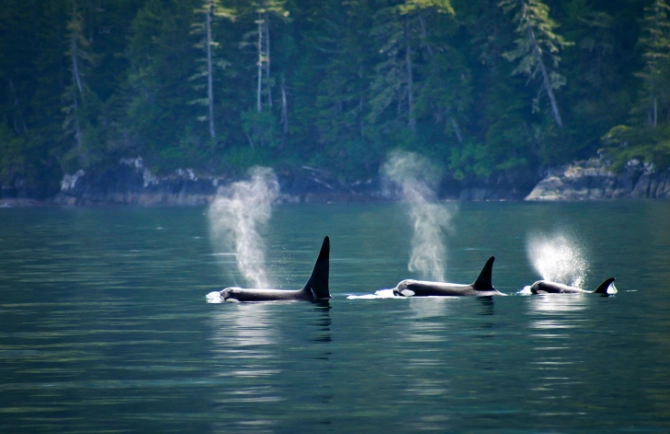
The Top National Parks for Whale Watching in North America
Not every coastal park is a whale hotspot. Some get sporadic visits, while others sit directly on the marine superhighways. Based on reliability, accessibility of viewpoints, and the sheer awe-factor of the setting, here are the parks that consistently deliver.
I've put this in a table because comparing them side-by-side is super helpful when you're trying to decide where to point your car.
| National Park | Prime Whale Species | Best Viewing Season | Signature Viewing Spot & Notes |
|---|---|---|---|
| Olympic National Park (Washington) | Gray Whale, Humpback Whale, Orca (transient) | Spring (March-May) for migration, Summer for residents | Kalaloch, Beach 4, & Cape Flattery. The park's official page is a great resource. Cape Flattery (Makah Reservation) might be the single best land-based spot in the lower 48. The drama of the sea stacks is unreal. |
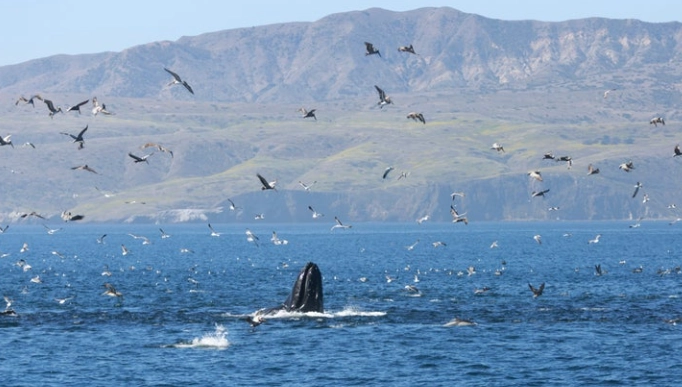
| Channel Islands National Park (California) | Blue Whale, Gray Whale, Humpback Whale, Orca | Summer (May-Sept) for Blue & Humpback, Winter/Spring for Gray | Boat-based from mainland or on-island. This is a unique one. You often need a boat to get to the islands, turning the transit into the whale watch. The Santa Barbara Channel is a rich feeding ground. Seeing a blue whale—the largest animal ever—here is possible. |
| Acadia National Park (Maine) | Humpback Whale, Fin Whale, Minke Whale | Summer (April-Oct), peak July-August | Park Loop Road overlooks, Cadillac Mountain. Best paired with a Bar Harbor whale watch tour, but you can spot blows from shore, especially from high vantage points. The Acadia whale page has good local info. The mix of rocky coast and deep water is perfect. |
| Kenai Fjords National Park (Alaska) | Humpback Whale, Orca, Gray Whale, Minke Whale | Summer (May-September) | Almost exclusively boat-based. Resurrection Bay and the fjords are teeming. This is where you see "bubble-net feeding" by humpbacks—a coordinated, breathtaking hunting technique. The scenery (glaciers!) competes with the whales for your attention. |
| Glacier Bay National Park (Alaska) | Humpback Whale, Orca, Minke Whale | Summer (June-August) | Boat or kayak. Another Alaskan giant. The protected, nutrient-rich waters are a summer buffet. The sight of a whale surfacing with a massive tidewater glacier in the background is… well, it's the photo you dream of. |
| Cabrillo National Monument (California) | Gray Whale | Winter (Dec-Feb) for southbound, Spring (Mar-Apr) for northbound | The Old Point Loma Lighthouse. Yes, it's a National Monument, not a full park, but it's arguably the most famous land-based gray whale watch site in the world. You look down from the cliffs onto the migration lane. It can be crowded, but it's iconic. |
You'll notice Alaska dominates for sheer abundance and variety. But don't sleep on the Pacific Northwest. The spring gray whale migration past Olympic is a reliable, accessible spectacle that feels deeply personal when you're standing on a wild beach.
My personal dark horse? The whale watching opportunities in places like Point Reyes National Seashore (a National Park Service unit, not a "National Park" proper) are fantastic and often less hectic. The Lighthouse point there is a wind-blasted, epic spot to watch for grays.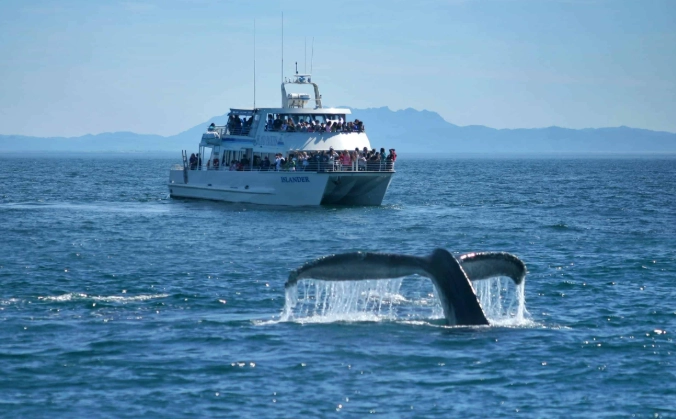
Digging Deeper: What You'll Actually See
It's not just a blurry shape in the water. Knowing what to look for turns a distant splash into a story.
- The Blow (or Spout): That tall puff of mist is your first clue. Gray whale blows are bushy and heart-shaped. Humpback blows are taller and columnar. A blue whale's blow can be 30 feet high—you can't miss it.
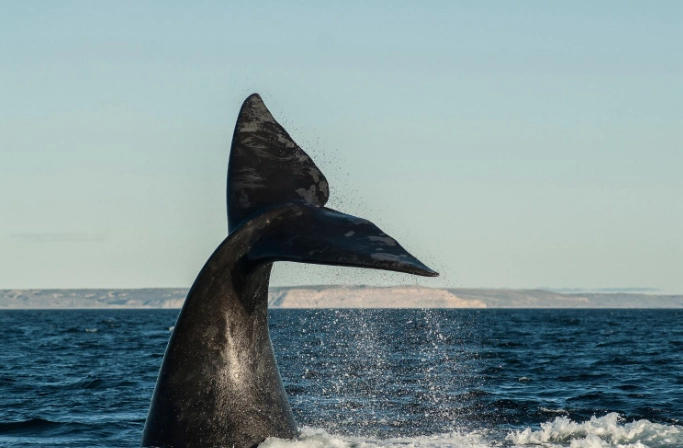
- The Fluke: A humpback lifting its massive, barnacle-encrusted tail fluke before a deep dive is the money shot. Grays don't show their flukes as often.
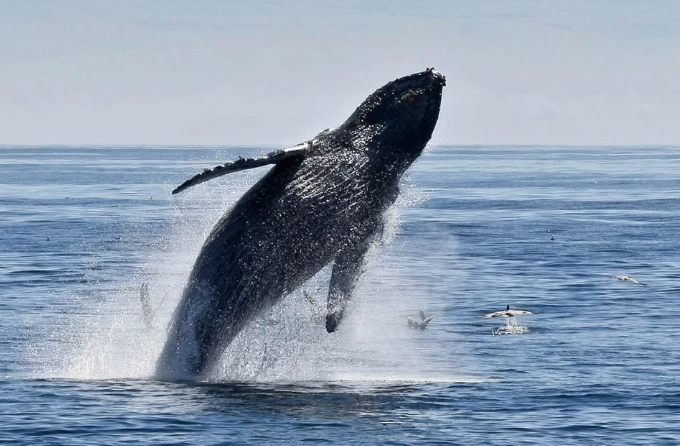
- Breaching: The full-body leap. It's loud, shocking, and seems to defy physics. No one knows exactly why they do it, but seeing it from shore is pure luck and pure magic.
- Pec Slap / Tail Slap: More common than breaches. A whale lying on its side, slapping a long pectoral fin on the water, or smacking its tail down. It's a communication thing, and the sound carries.
Planning Your National Park Whale Watching Trip
This is where trips fall apart. You can't just wing it. The whales are on a strict biological schedule, and the parks have their own rhythms.
Timing is Everything (Seriously)
Miss the window, and you're just taking a lovely coastal hike. These migrations are driven by food and reproduction, not tourist calendars.
The general rule: Head north in the spring and summer, head south in the winter and fall. Gray whales are the classic migrators, doing a 10,000-mile round trip between Alaska and Mexico. Your location determines when you see them.
For example, at Cabrillo in San Diego, peak southbound passage is January. For northbound, it's March. Up in Washington, the northbound peak is March through May. Humpbacks and others are more summer residents, following the seasonal blooms of krill and small fish to places like Alaska, the Channel Islands, and New England.
Always, always check the specific park's website or call a visitor center a week before your trip. Ranger naturalists are the best source for real-time, on-the-ground info like "The grays are running late this year" or "A pod of orcas has been hanging out near Lime Kiln Point all week."
Booking, Permits, and the Logistics Headache
This is the less glamorous side. Popular parks now require timed entry reservations or vehicle permits during peak season. Acadia, Glacier, Rocky Mountain (not for whales!), Yosemite—the list grows every year.
For whale watching season:
- Check for Park Entry Reservations: Does the park you're targeting (like Acadia in summer) require a vehicle reservation? Book this the second it becomes available, usually months ahead.
- Book Lodging WAY in Advance: Towns near these parks fill up. Forks near Olympic? Bar Harbor near Acadia? Sold out months ahead for peak whale weeks.
- Consider Boat Tours: Even if your goal is shore-based viewing, a single boat tour from a park gateway town (like Port Angeles for Olympic or Seward for Kenai Fjords) can dramatically increase your odds of a close encounter and help you learn the local waters.
How to Be a Pro (and Not Annoy the Whales)
This matters. We're visitors in their home. The National Oceanic and Atmospheric Administration (NOAA) has strict guidelines for marine life viewing, and the spirit of these applies even when you're on shore.
Here’s a quick list of the unwritten rules for responsible whale watching at national parks:
- Use Your Zoom, Not Your Feet. If you're on a beach and a whale strands or comes unusually close, do not approach it. Give it space. A stressed whale is a dangerous whale.
- Keep the Noise Down. Yelling "THERE IT IS!" every time you see a blow scares off wildlife and ruins the vibe for everyone else trying to listen to the ocean.
- Pack Out Everything. This should go without saying in a national park, but plastic bags and fishing line kill marine life. Leave no trace means nothing in the water either.
- Choose Responsible Tour Operators. If you do book a boat tour, pick one that's part of a Whale SENSE or similar program. They follow strict protocols to minimize disturbance.
The goal is to have zero impact on the animal's behavior. If the whale changes direction because of you, you're too close.
Gear You Actually Need (And What's Overhyped)
Forget the fancy stuff. Here’s the real packing list for a day of shore-based whale watching: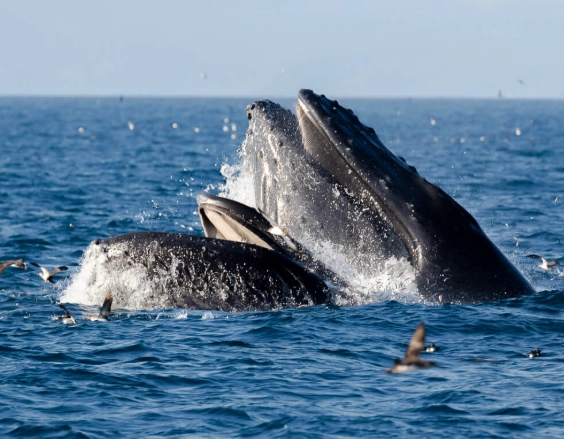
The Absolute Essentials:
- Binoculars: Already said it, saying it again.
- Layered Clothing: Coastal weather changes in minutes. A waterproof/windproof outer shell is a lifesaver. Think gloves and a beanie even in summer.
- Sturdy Footwear: You'll be on rocky, slippery trails and headlands.
- Patience and Low Expectations: This is the most important gear. You might see nothing. That's okay. You're still in a beautiful place.
Nice to Haves:
- A telephoto lens if you're into photography.
- A small folding stool or pad to sit on.
- A field guide to marine mammals.
- A thermos of hot coffee or tea. Trust me.
Overhyped: Expensive "whale watching" apps that promise to alert you. Your eyes and the ranger's advice are better. Also, giant, bulky camera rigs if you're a beginner. You'll spend more time fussing with settings than watching.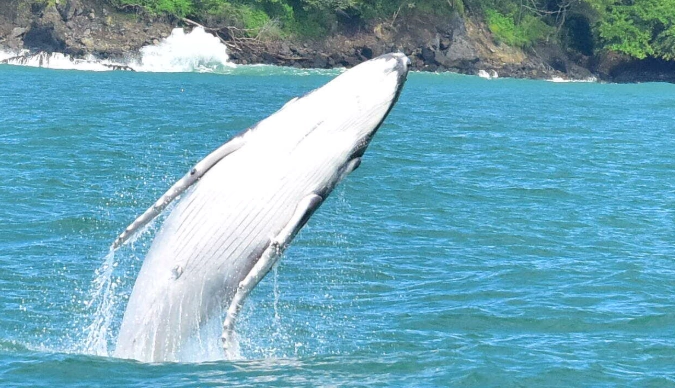
Answers to the Questions You're Actually Asking
Wrapping It Up: Your Action Plan
So, you're sold on the idea of whale watching from a national park. Here's your step-by-step cheat sheet:
- Pick Your Park & Season: Use the table above. Want guaranteed action? Go to Alaska in summer. Want a accessible migration spectacle? Target the Pacific Northwest in spring.
- Research & Book Logistics NOW: Check for park reservation requirements. Book lodging. Mark the whale watching season dates on your calendar.
- Gear Up Simply: Get binoculars, pack layers, wear good shoes. That's 90% of it.
- Manage Expectations: You are going to a beautiful place that sometimes has whales. The beautiful place is the guarantee. The whales are the incredible bonus.
- Talk to a Ranger: Once you arrive, go to the visitor center. Get the latest sighting info and their favorite spot that day. They know.
- Be Patient and Respectful: Find your spot, get comfortable, and watch the horizon. Let the ocean show you what it has to offer.
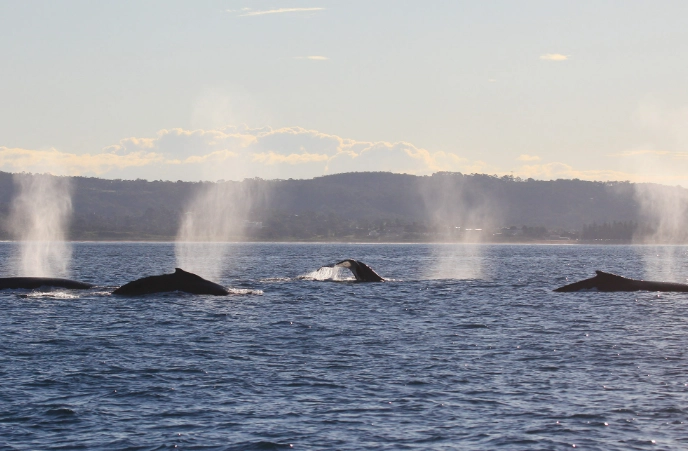
At the end of the day, whale watching in our national parks is more than a checklist activity. It's a lesson in patience, a masterclass in wild beauty, and a powerful reminder of the giants that share our planet. The memory of that misty blow against a backdrop of ancient forest or towering glacier doesn't fade. It just gets better with time.
Now go find your spot. And maybe I'll see you out there, binoculars in hand, waiting quietly for the ocean to breathe.